
Main Courses
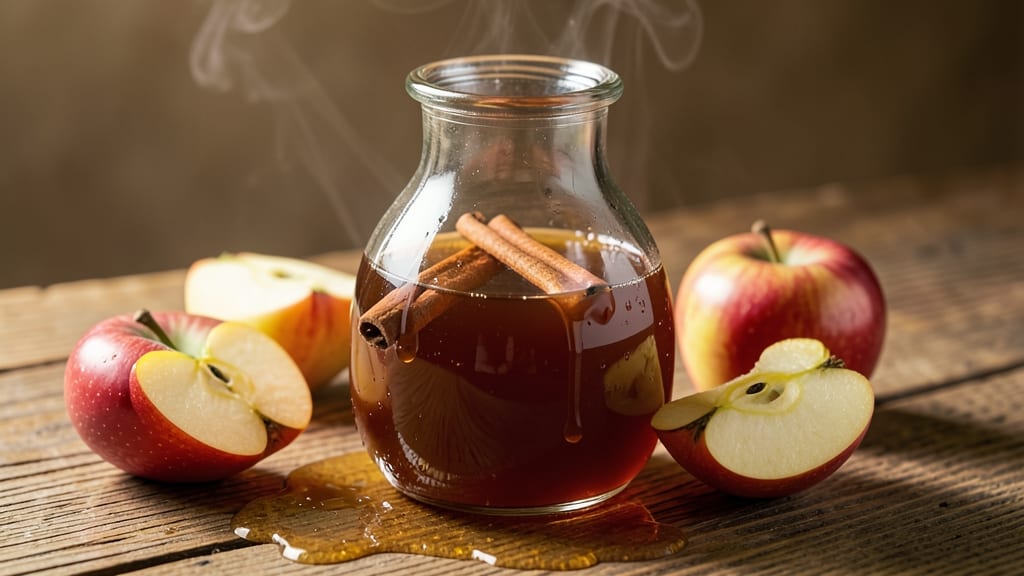
This 1-gallon apple cinnamon mead recipe transforms simple ingredients into a rich, spiced autumn sipper with honeyed depth that rivals craft breweries. The process starts with a precise balance of honey, water, and yeast, creating a fermented base that develops complex flavors over time.
I’ve refined this recipe through multiple batches, ensuring clarity on sanitation, fermentation timing, and aging—critical steps for consistent results. What sets this mead apart is the infusion of fresh apple chunks and cinnamon sticks during fermentation, which adds natural sweetness and aromatic warmth.
The primary fermentation lasts about 3 weeks, followed by a secondary phase where flavors meld and clarity improves. For best results, age the mead for at least 2 months before bottling—patience here makes all the difference.
The final product is a golden, fragrant mead with notes of caramelized apples and spiced cinnamon, perfect for sipping chilled or as a base for cocktails. Optional adjustments—like adding orange peel or cloves—let you customize the flavor profile.
Whether you’re a beginner or an experienced fermenter, this recipe delivers a foolproof method for crafting a mead that’s both approachable and impressive. Serve it neat, over ice, or mixed with sparkling water for a refreshing twist.
The key to success lies in attention to detail during fermentation and aging—steps that transform humble ingredients into a sophisticated, honeyed drink. Let’s get started on your first batch!
Ingredients for apple cinnamon mead recipe 1 gallon
Precision ingredients craft this golden mead with autumn's spiced essence and honeyed richness.
| Ingredient | Amount | Notes |
|---|---|---|
| Raw Honey 🍯 | 3 ½ lbs | Light amber preferred for balance |
| Distilled Water 💧 | 1 gallon | Sanitized with campden tablets |
| Active Dry Yeast 🍺 | ½ tsp | Wyeast 1056 or similar |
| Fresh Apples 🍎 | 2 lbs | Honeycrisp or Fuji, cored |
| Cinnamon Sticks 🌿 | 4 whole | Ceylon preferred for subtle flavor |
| Campden Tablets 💊 | 2 tablets | For water sanitation |
| Nutritional Yeast 🧀 | ¼ cup | Post-fermentation for depth |
| Orange Peel 🍊 | 1 tbsp | Dried, optional for brightness |
| Cloves 🌶️ | 6 whole | Optional for warmth |
| Acid Blend 🧂 | ½ tsp | Lactic acid or citric acid |
| Priming Sugar 🍬 | ½ cup | For carbonation, added before bottling |
| Sanitizer Solution 🧼 | 1 tbsp | Star San or equivalent |
The honey is your flavor foundation—opt for light amber for balanced sweetness and complexity. Local honey adds subtle regional notes, but any raw honey works. Apples should be firm and fragrant; Honeycrisp or Fuji deliver the best caramelized depth. Cinnamon sticks from Penzeys or a spice shop provide superior aroma compared to grocery store varieties. The yeast choice matters too: Wyeast 1056 or Lalvin EC-1118 are excellent mead yeasts that handle the honey's alcohol content well. Always store your yeast in the fridge to maintain viability.
No Campden tablets? Potassium metabisulfite works as a substitute for sanitizing the water. Running short on cinnamon? Cassia sticks at half the quantity add warmth but stronger flavor. The orange peel and cloves are optional but recommended—they elevate the mead's complexity without overpowering. For the acid blend, citric acid is more accessible than lactic acid, though the latter provides a more authentic mead profile. If you're making multiple gallons, consider investing in a mead-making kit from MoreFlavor or Briess—they include precise scales and sanitizers tailored for fermenting.
Sanitization is non-negotiable—use Star San on all equipment, including bottles. The mead ferments in three phases: primary (3 weeks), secondary (4-6 weeks), then aging (minimum 2 months). Store fermenters in a cool, dark place between 65-75°F for optimal yeast activity. Once bottled, keep mead in a dark, temperature-stable environment—light exposure degrades flavor. Properly aged mead develops a smooth, caramelized apple aroma with hints of baking spices. For optimal results, bottle through a fine filter to remove sediment before aging.
Why You'll Love This Recipe
- The flavor is everything: bright apple notes wrapped in spiced honey sweetness, with that slow-fermented depth that makes it taste like autumn in a glass. Here’s what sold me—the cinnamon sticks steep right in the must, infusing the mead with real warmth, not just powdered spice. It’s the kind of drink that makes you pause mid-sip and think, "Wait, I made this?"
- Five-Ingredient Magic: I swear by this recipe because it’s that simple—just honey, water, yeast, apples, and cinnamon sticks. No fancy equipment, no measuring cups that make you question your life choices, just a pot, a sanitized carboy, and about 20 minutes of hands-off work. Honestly, the hardest part is deciding which apples to use (I go for a mix of tart and sweet—Granny Smiths + Honeycrisp).
- Warmth in a Bottle: The flavor is everything: bright apple notes wrapped in spiced honey sweetness, with that slow-fermented depth that makes it taste like autumn in a glass. Here’s what sold me—the cinnamon sticks steep right in the must, infusing the mead with real warmth, not just powdered spice. It’s the kind of drink that makes you pause mid-sip and think, "Wait, I made this?"
- Holiday or Everyday: Between us, this mead is my secret weapon for gatherings—whether it’s a cozy Thanksgiving spread or a lazy Sunday with friends. The best part? It ages beautifully, so you can batch-make it in fall and enjoy it through winter. (Yes, even on a Tuesday night when you just need something special.)
Step-by-step instructions for apple cinnamon mead
Follow this precise method to craft a rich, spiced mead with perfect balance and depth.
Sanitize and Prepare the Must
Begin by sanitizing all equipment using the 1 tablespoon sanitizer solution. Dissolve the 2 tablets Campden Tablets in the 1 gallon distilled water and let it sit for 24 hours to fully sanitize. This step eliminates contaminants that could ruin fermentation.
In a large sanitized pot, combine the 3.5 lbs raw honey and the sanitized water. Heat gently over low heat until the honey dissolves completely, stirring constantly to prevent scorching. Remove from heat and let cool to room temperature—this prevents killing the yeast when added later.
Add Fruit and Spices for Flavor Development
Peel, core, and chop the 2 lbs fresh apples into small pieces—about ½-inch cubes—to maximize surface area for flavor extraction. Add the apple pieces, 4 whole cinnamon sticks, 6 whole cloves, and 1 tablespoon orange peel to the honey-water mixture. Stir well to distribute the spices evenly.
Cover the pot loosely and let it steep at room temperature for 48 hours. This allows the apples to infuse their sweetness and the spices to release their aromatic oils. Stir once daily to prevent mold growth and ensure even extraction.
Ferment the Mead with Yeast
After the steeping period, strain the mixture through a fine-mesh bag or cheesecloth into a sanitized fermentation vessel, pressing gently to extract all liquid. Discard the solids. Sprinkle the 0.5 teaspoon active dry yeast over the surface and stir lightly to distribute.
Cover the vessel with a sanitized lid or airlock and place it in a dark, 68-72°F environment. Ferment for 7-10 days, stirring gently once daily to prevent a skin from forming. The mead should bubble actively during this period—this indicates healthy yeast activity.
Secondary Fermentation and Clarification
After primary fermentation slows, transfer the mead to a secondary vessel using a sanitized siphon tube. Add the 0.25 cup nutritional yeast and 0.5 teaspoon acid blend to enhance depth and balance acidity. Stir gently to incorporate.
Ferment for another 7-10 days until the activity subsides. Then, siphon the mead into a sanitized bottle, leaving any sediment behind. The mead should appear clear or slightly hazy at this stage.
Prime and Bottle for Carbonation
Dissolve the 0.5 cup priming sugar in a small amount of the mead to create a syrup. Stir this syrup back into the bottle, then seal it tightly. Store the bottle in a 60-68°F environment for 2-4 weeks to allow carbonation to develop.
Check for carbonation by opening a bottle carefully—you should hear a slight hiss. Once properly carbonated, chill the mead for 24 hours before serving to enhance its smoothness. Enjoy your apple cinnamon mead with a slice of fresh apple for the full autumn experience.
Pro Tips For Making Apple Cinnamon Mead Recipe 1 Gallon
- STEAM THE APPLES: Boil the apple chunks for 10 minutes first—this softens them and extracts more flavor into the water. I used to skip this, and the mead always tasted like I’d forgotten to add apples.
- USE 2 CINNAMON STICKS: One stick just whispers spice; two sticks make it sing. Break them in half and tie them in a little muslin bag so you can fish them out later without losing them in the fermenter.
- DON’T SKIP THE YEAST TEST: Rehydrate that yeast in warm (not hot) water with a pinch of honey first—if it’s sluggish or floats, pitch a fresh packet. I’ve had batches fail because I assumed the yeast was fine; don’t make that mistake.
- PRIORITIZE SANITIZATION: Sanitize your fermenter, spoons, and airlock with hot distilled water (170°F) for 30 seconds—no cutting corners here. I learned this after a batch got contaminated, and it’s the only thing that actually works.
Wine and beer pairings for apple cinnamon mead recipe 1 gallon
Autumn Spiced Mead Pairings
This apple cinnamon mead pairs beautifully with seasonal flavors that complement its honeyed warmth. Try serving it alongside roasted pork tenderloin or spiced beef short ribs—the mead's caramelized apple notes mirror the caramelization on the meat.
For vegetarian options, pair it with warm apple cider donuts or cheese boards featuring brie and sharp cheddar. The mead's spice profile also works well with dark chocolate desserts, especially those with cinnamon or orange zest. 🍎
Cocktail Base Versatility
Use your mead as a base for creative cocktails that highlight its autumnal character. A Mead Old Fashioned combines 2 oz mead, 1 oz bourbon, 1 tsp maple syrup, and a dash of bitters, served over ice with an orange peel garnish.
For something lighter, mix 3 oz mead with ½ oz elderflower liqueur and 4 oz sparkling apple cider over crushed ice. The mead's natural sweetness balances the acidity of citrus or tart berries in mixed drinks. 🍺
Beer Pairing Contrasts
Pair this mead with beers that offer complementary or contrasting flavors. A Belgian-style witbier like Hoegaarden provides a crisp, citrusy contrast to the mead's richness. For a bolder match, try a German Dunkelweizen—the caramel malt notes in the beer echo the mead's apple sweetness.
Avoid heavy stouts or IPAs, as their bitterness can overpower the mead's delicate spice profile. 🍻
Wine Complements
Light-bodied wines enhance the mead's complexity without competing. A dry Riesling from Germany or Austria offers bright acidity that cuts through the mead's sweetness. For red wine lovers, a Pinot Noir with subtle spice notes complements the cinnamon and clove flavors.
Avoid oaky Chardonnays or bold Cabernets, as their intensity can clash with the mead's delicate balance. 🍷
Non-Alcoholic Pairings
Even non-drinkers can enjoy the flavors! Serve the mead alongside spiced apple compote or caramel-glazed nuts for a dessert pairing that highlights shared autumnal notes. For savory options, pair it with slow-cooked apple and sage stuffing or honey-glazed root vegetables.
The mead's aroma alone can elevate these dishes when served in small glasses as a digestif. 🍂
Nutrition facts
Frequently asked questions
How long should I age this apple cinnamon mead before drinking?
For best flavor development, age your mead for at least 2-3 months after bottling. This allows the spices and apple notes to fully integrate, resulting in a smoother, more complex drink. If you're impatient, you can enjoy it at 1 month but expect more pronounced honey sweetness and less depth.
Can I use dried apples instead of fresh for this recipe?
Fresh apples are ideal for maximum flavor infusion, but you can substitute with dried apples if needed. Use ½ cup dried apples (not raisins) and soak them in warm water for 1 hour before adding to the must. The flavor will be concentrated, so you may want to reduce the cinnamon slightly to avoid overpowering the mead.
What if my mead isn't fermenting properly?
If you see no bubbles after 3-4 days, your yeast may be struggling. Check your temperature—it should stay between 68-72°F. If too cold, move to a warmer spot. If too hot, transfer to a cooler area. Also verify your yeast is still active (test in warm water with sugar). For stubborn batches, consider adding ½ tsp extra yeast after 48 hours.
How do I adjust the sweetness level?
Taste your mead before bottling—if too sweet, ferment longer (up to 2 weeks more) to let the yeast consume more sugar. For a sweeter finish, add ½ cup honey per gallon after primary fermentation. Remember: sweeter meads age better! For a drier profile, extend fermentation until specific gravity reads 1.000 or lower.
Can I make this recipe with a different type of honey?
Yes! While light amber honey works best for balance, you can experiment with darker honeys like buckwheat for deeper caramel notes or clover for milder sweetness. Just adjust the amount—darker honeys may need 1-2 lbs less per gallon since they're more intense. Local honeys add unique floral or herbal accents that pair beautifully with the apple-cinnamon profile.