
Desserts
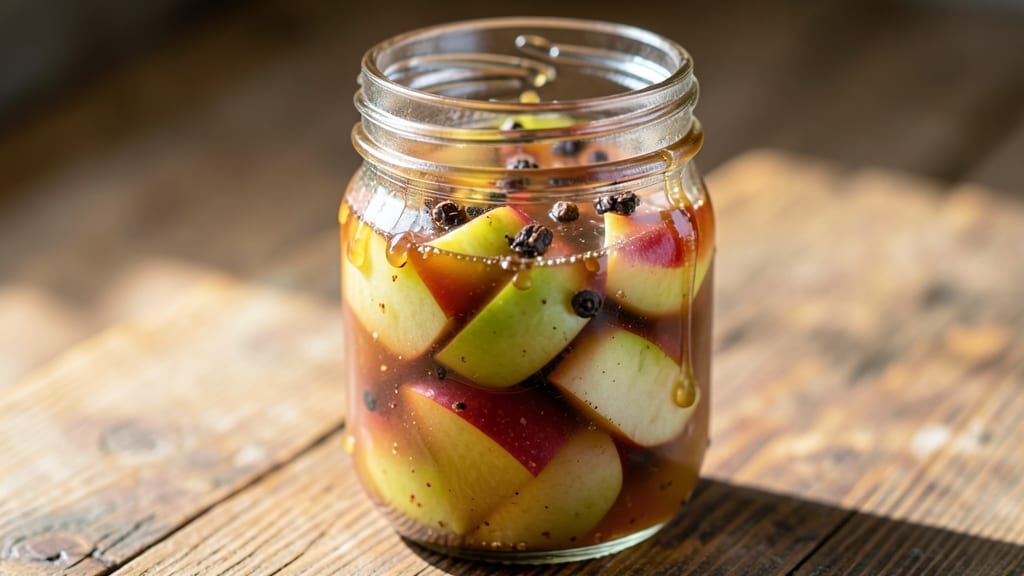
This apple compote canning recipe transforms seasonal fruit into a fragrant, spiced sauce that lasts for months—perfect for topping yogurt, pancakes, or desserts. The key lies in balancing sweetness with acidity and following precise canning techniques to ensure safety and shelf stability.
I developed this method after years of perfecting homemade compotes, ensuring every jar delivers that same restaurant-quality depth of flavor.
What makes this recipe stand out is the combination of cinnamon, cloves, and lemon juice, which not only enhances the apple's natural sweetness but also acts as a natural preservative.
The process involves sterilizing jars, preparing the compote with just the right sugar-to-fruit ratio, and processing the sealed jars in a water bath for the perfect 10-minute canning time. This ensures your compote stays safe to eat for up to a year.
The result is a velvety, spiced apple compote with a glossy sheen and rich aroma that fills your kitchen as it cooks. Each jar preserves the warm, comforting flavors of autumn, ready to brighten any meal or dessert.
Whether you're a canning beginner or a seasoned pro, this method delivers foolproof results every time.
Once canned, your compote can be stored in a cool, dark place, making it an ideal year-round pantry staple. Use it to elevate oatmeal, drizzle over cheesecake, or serve as a glaze for roasted meats.
The possibilities are endless, and the satisfaction of opening a jar of homemade goodness is unmatched.
Ingredients for apple compote canning
Nine essential ingredients transform seasonal apples into a restaurant-quality compote preserved for months.
| Ingredient | Amount | Notes |
|---|---|---|
| Apples (Granny Smith or Honeycrisp) 🍎 | 6 lb | Peeled, cored, sliced into even pieces |
| Granulated Sugar 🍚 | 3 cups | Adjust to taste for sweetness balance |
| Lemon Juice 🍋 | ½ cup | Freshly squeezed, for acidity balance |
| Ground Cinnamon 🌿 | 2 tbsp | Ceylon preferred for subtle flavor |
| Whole Cloves 🌶️ | 1 tsp | Lightly crushed for aroma infusion |
| Vanilla Extract 🥛 | 1 tsp | Pure vanilla for depth of flavor |
| Water 💧 | 1 cup | For simmering and consistency |
| Pectin (Powdered) 🍇 | ¼ oz | For proper gelling during canning |
| Canning Jars (Pint Size) 🥫 | 6 jars | Mason jars with two-piece lids |
| Salt 🧂 | ½ tsp | Diamond Crystal preferred |
The apple selection is critical for texture and flavor—Granny Smith offers tartness while Honeycrisp delivers natural sweetness. Purchase organic when possible to avoid wax coatings that interfere with sterilization. Local farmers markets often carry ideal varieties in season, and look for firm, unblemished fruit with vibrant color. The sugar-to-fruit ratio can be adjusted based on apple sweetness, but 3 cups for 6 pounds is a reliable starting point for balanced flavor. For professional results, use a mandoline for even slices that cook uniformly.
No Ceylon cinnamon? Regular ground cinnamon works fine, though it has a slightly stronger flavor. Whole cloves can be substituted with 1/4 tsp ground cloves, but they lose their aromatic punch. The vanilla extract adds depth that's hard to replicate—imitation vanilla lacks the complexity. For a sugar substitute, agave nectar at 1:1 ratio works well, though it may slightly alter the compote's gelling properties. When selecting canning jars, Ball or Kerr brands are industry standards for reliable seals. Sterilize jars by boiling for 10 minutes or running through a dishwasher cycle before filling.
Freshly prepared compote should be canned within 24 hours for optimal flavor retention. Store sealed jars in a cool, dark pantry where they'll maintain quality for up to a year. Once opened, refrigerate and consume within 2 weeks. The compote's versatility makes it ideal for batch cooking—double the recipe and can two batches simultaneously. For gifting, wrap jars in kraft paper with twine and attach a handwritten recipe card. The spiced aroma alone makes these jars perfect for holiday presents.
Why You'll Love This Recipe
- No-Fuss Preserves: I swear by this recipe because it’s basically set-it-and-forget-it. Peel, core, and slice apples—no fancy techniques—then toss them in a pot with sugar, lemon juice, and spices. The water bath canning takes longer than the cooking itself, but honestly? That’s the only part that requires focus.
- Warm Spice Magic: The cinnamon and cloves turn ordinary apples into something special—think cozy, like a hug in a jar. Granny Smiths stay bright and tangy while Honeycrisp melts into that perfect jammy texture. The lemon juice keeps it from turning mushy, so every bite has that just-right balance.
- Year-Round Pantry Hero: I keep jars of this in my cupboard for toast, yogurt, or even swirled into oatmeal. It’s the ultimate lazy breakfast upgrade—no cooking required, just open and enjoy. And because it’s canned, I don’t have to stress about spoilage when I’m too tired to cook.
- Budget-Friendly Stockpile: Apples are cheap in season, and a few pounds stretch into dozens of jars. The sugar and spices cost pennies, and once you’ve got them, you’re set for months. Here’s what sold me—it’s cheaper than buying fancy jams, but way more satisfying. Plus, I always have a backup for when company drops by.
Step-by-step instructions for preserving apple compote in glass
Transform fresh apples into a fragrant, spiced compote that keeps beautifully for months.
Prepare and Simmer the Apple Base
In a large, heavy-bottomed pot, combine the peeled, cored, and sliced 6 lb apples (Granny Smith or Honeycrisp) with the 1 cup water. Bring to a boil over medium-high heat, then reduce to a simmer. Cook uncovered for 15-20 minutes until the apples soften and begin to break down, releasing their juices. You'll notice the mixture reduces slightly and the apples lose their firm texture.
While simmering, occasionally stir the apples gently to prevent sticking. The goal is to create a thick, chunky consistency while preserving some texture. If the mixture becomes too watery before the apples soften, reduce heat slightly and continue cooking until it reaches your desired thickness. This foundational step builds the compote's natural sweetness and structure.
Add Sweetener and Spices for Depth of Flavor
Once the apples have softened, stir in the 3 cups granulated sugar, 2 tbsp ground cinnamon, 1 tsp whole cloves, and 0.5 tsp salt. Increase heat to medium and bring the mixture to a full boil, stirring constantly to dissolve the sugar completely. This is critical—undissolved sugar can lead to grainy texture in your finished compote.
After the mixture returns to a rolling boil, reduce heat to medium-low and let it simmer for 10-15 minutes, stirring occasionally. You'll see the spices infuse the mixture with warm, aromatic notes. The cloves should release their subtle floral aroma while the cinnamon adds warmth. Taste the mixture and adjust sweetness if needed—this is your only chance to balance the flavor before canning.
Incorporate Acid and Pectin for Stability
Remove the pot from heat and stir in the 0.5 cup lemon juice and 1 tsp vanilla extract. The acidity from the lemon juice helps preserve the color and prevents the compote from turning brown during storage. Return the mixture to a full boil over medium-high heat, then add the 0.25 oz powdered pectin, stirring constantly for 1-2 minutes to fully incorporate.
This step is crucial for creating a stable compote that won't separate during storage. The pectin helps thicken the mixture while the lemon juice maintains acidity levels safe for canning. You'll notice the compote become slightly thicker as it cooks. If it appears too thick, you can thin it slightly with a small amount of hot water, but aim for a consistency that coats the back of a spoon.
Fill and Process the Canning Jars
Ladle the hot compote into the 6 pint-size canning jars, filling each to within ¼ inch of the rim. Use a spoon or ladle to remove any foam or bubbles that rise to the surface. Wipe the rims of the jars with a clean, damp cloth to ensure a proper seal. Place the lids on the jars and screw on the bands until they're fingertip-tight.
Process the jars in a water bath canner for 15 minutes after the water reaches a full rolling boil. This time ensures the compote reaches a temperature that kills bacteria and creates a vacuum seal. Start your timer as soon as the water returns to a full boil. After processing, remove the jars and let them cool undisturbed for 12-24 hours before checking the seals.
Store and Enjoy Your Preserved Compote
Once the jars have cooled completely, check that the lids have sealed by pressing down on the center of each lid. If it doesn't pop back up, the jar is properly sealed. Store the sealed jars in a cool, dark place for up to 12 months. The compote will maintain its vibrant color, rich flavor, and perfect texture throughout storage.
To use, simply open a jar and serve the compote warm over vanilla ice cream, mixed into yogurt, or spread on toast. The spices will have mellowed slightly during storage, creating a comforting, aromatic sweetness that pairs beautifully with both sweet and savory dishes. Each jar yields about 1½ cups of compote, perfect for individual servings or small gatherings.
Pro Tips For Making Apple Compote Canning
- PEEL AND CORE LIKE A PRO: Cut apples into even ½-inch chunks—no smaller, or they’ll turn to mush during processing. Use a mandoline if you’re impatient, but resist the urge to rush; precision here keeps texture intact.
- SIMMER AT 212°F—NO EXCUSES: Water bath canners need a rolling boil (212°F at sea level) to kill bacteria. I learned this the hard way—skipping the thermometer led to a jar I almost opened. A candy thermometer is cheap insurance.
- LEMON JUICE IS YOUR SAFETY NET: Add ½ cup lemon juice before filling jars—it’s not just for flavor. The acidity lowers pH, which is non-negotiable for safe canning. Measure it precisely; guesswork here risks spoilage.
- STIR IN CINNAMON LAST: Sprinkle ground cinnamon and cloves over the hot compote after sugar dissolves. Stirring them in too early burns their flavor, turning your spice blend into bitter dust. A quick swirl at the end keeps them fragrant.
Common mistakes when making perfect results
Skipping Sterilization
Never skip sterilizing your jars and lids—this is the #1 mistake that leads to spoilage. Even if your jars look clean, bacteria and mold spores can linger.
I sterilize mine by boiling jars and lids in water for 10 minutes or running them through a hot cycle in the dishwasher. Using a steam canner is another great option. Unsterilized jars risk botulism, so always follow this step religiously. 🔥
Underestimating Headspace
Filling jars too full leaves no room for the compote to expand during processing, causing seals to fail. Always leave ¼ inch headspace—use a headspace measuring tool if you're unsure. I use a Ball headspace gauge to ensure consistency.
Too little headspace leads to seal failures, while too much creates weak seals. This small detail makes all the difference in long-term storage.
Incorrect Processing Time
Processing for less than the recommended 15 minutes in a boiling water bath leaves your compote vulnerable to spoilage. The 15-minute mark ensures the center of the jar reaches 212°F, killing harmful bacteria.
I set a timer as soon as the water returns to a full boil—not when I start heating. Under-processing is a silent risk that can go unnoticed until jars spoil.
Using Improper Lids
Using old or reused lids (even if they've sealed before) is a common mistake. Only use new, two-piece canning lids with rubber seals. I always check the expiration dates on my Ball or Kerr lids—they're only good for about a year.
Reused lids can't form a proper seal, leading to contamination. This small investment in fresh lids ensures safety every time.
Skipping Acid Test
Forgetting to add enough acid (like lemon juice) creates an unsafe environment for canning. Your compote needs at least 0.5 cup lemon juice per batch to maintain proper acidity levels.
I test mine with a pH strip to confirm it's below 4.6—the safe threshold for home canning. Low-acid foods like apples need this extra boost to prevent botulism.
Not Checking Seals Properly
Many assume a sealed jar is safe just because it looks sealed. Press the center of the lid—if it pops back, the jar didn't seal properly. I store these in the fridge and use them within 1 week.
Properly sealed jars will have concave lids that don't flex when pressed. This simple check prevents wasted jars and ensures food safety. 💯
Nutrition facts
Frequently asked questions
Can I use any type of apple for this compote?
While you can use most apple varieties, Granny Smith or Honeycrisp work best due to their balance of tartness and sweetness. Tart apples like Granny Smith hold up well during canning, while sweeter varieties like Honeycrisp add natural sweetness that reduces the need for extra sugar. Avoid overly soft or mealy apples—they won't hold their texture after processing.
How do I adjust the sweetness if my apples are very tart?
Start with the full 3 cups of sugar and taste the compote before canning. If it's too tart, reduce sugar by ½ cup increments until balanced. For extra depth, add 1 tsp vanilla extract or ½ tsp almond extract—these enhance sweetness without extra sugar. Remember, you can't add more sugar after canning, so adjust carefully during cooking.
What if my compote separates after canning?
Separation can happen if the pectin wasn't fully incorporated or the mixture cooled too quickly. To fix it, reheat the compote gently (don't boil) and stir until smooth. For future batches, ensure the pectin dissolves completely during the final 1-2 minutes of boiling. Adding 1 tsp cornstarch to the compote before canning can also help stabilize the texture.
Can I make this compote without a pressure canner?
Yes! This recipe uses a water bath canner, which is perfect for high-acid foods like apple compote. The 15-minute processing time at a rolling boil ensures safety. Never use an oven or slow cooker for canning—only water bath or pressure canners are approved for this method. Always follow USDA guidelines for your altitude when adjusting processing times.
How can I tell if my canned compote has gone bad?
Check for these red flags: bulging or leaking lids, cloudy liquid, mold, or a foul odor. If the lid pops when pressed or the compote smells off, discard it immediately. Properly sealed jars should have concave lids that don't flex. When in doubt, trust your senses—if it looks or smells wrong, it's not safe to eat.