
Beverages
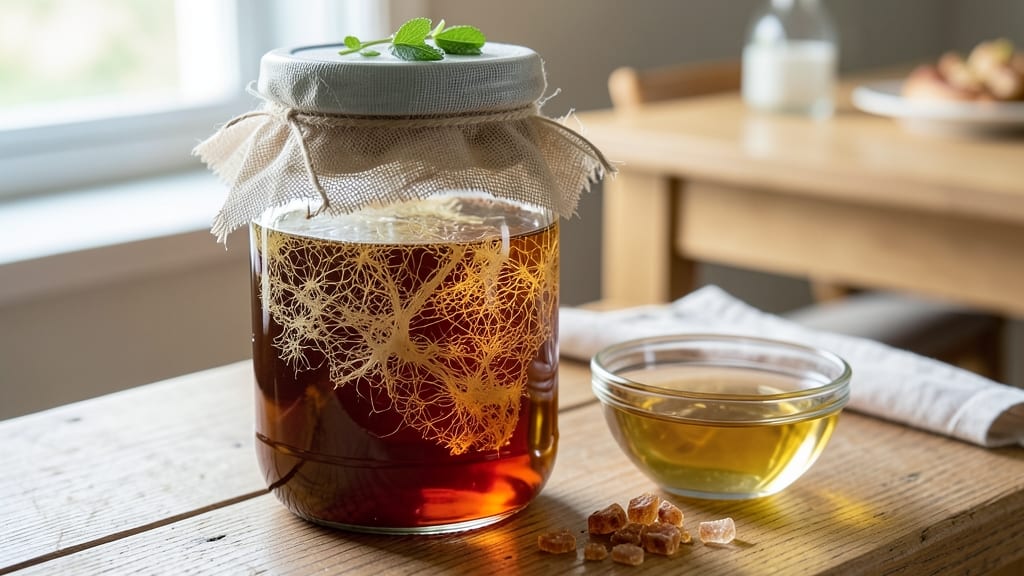
Apple cider vinegar mother transforms simple vinegar into a probiotic powerhouse with just 4 ingredients and 3 weeks of patience. This cloudy, textured "mother" contains beneficial bacteria and enzymes that boost digestion, immunity, and even skin health—nature's own fermented elixir. I've been perfecting this method for years, and the results are nothing short of remarkable for what feels like magic in a jar.
The process couldn't be simpler: organic apple cider vinegar, a mother culture (from a friend's jar or store-bought), and a few basic supplies create a living fermentation that thrives at room temperature. What makes this recipe special is how science and simplicity collide—no fancy equipment, just observation and time.
The mother forms naturally as bacteria and yeast work together, creating that signature cobweb-like texture that's both fascinating and functional.
By the end of 21 days, you'll have a vibrant, living vinegar mother ready to infuse into dressings, tonics, or simply consume straight. The flavor remains tangy but develops complex, slightly sweet undertones from the fermentation process.
This isn't just vinegar—it's a probiotic-rich ingredient that elevates everything it touches, from salads to homemade remedies.
Safety is our top priority, so we'll cover proper storage, signs of contamination, and how to maintain your mother culture for months. Whether you're new to fermentation or a seasoned enthusiast, this recipe delivers results that are both practical and impressive. Let's get started creating your own living probiotic culture.
Ingredients for apple cider vinegar mother
Four simple ingredients transform into a living probiotic powerhouse with just time and patience.
| Ingredient | Amount | Notes |
|---|---|---|
| Organic Raw Apple Cider Vinegar 🍎 | 2 cups | Unfiltered, unpasteurized, no additives |
| Apple Cider Vinegar Mother Culture 🧬 | 1 tbsp | From trusted source or store-bought |
| Granulated White Sugar 🍚 | ½ cup | Organic preferred for fermentation |
| Filtered Water 💧 | 2 cups | Room temperature, no chlorine |
| Glass Jar with Lid 🥫 | 1 whole | Wide-mouth, 1-quart minimum |
| Cheesecloth or Coffee Filter 🧶 | 1 sheet | For covering during fermentation |
| Rubber Band 🪢 | 1 whole | To secure cloth over jar |
The apple cider vinegar is the foundation—organic, raw, and unpasteurized is non-negotiable. Bragg or Annie's are reliable brands, but check labels for 'with the mother' if you're skipping the separate culture step. The mother culture can come from a friend's jar (just 1 tbsp), or you can buy a starter online. Sugar feeds the fermentation process, so organic cane sugar is ideal—it dissolves faster than raw sugar. For water, filtered is best—chlorine can inhibit fermentation. If you're unsure about your water, let it sit out for 24 hours before using to off-gas any chlorine.
No mother culture? Start with a store-bought vinegar that already has 'the mother'—look for labels mentioning 'cloudy' or 'living cultures'. Running out of sugar? Honey or maple syrup work at half the amount, though the flavor will differ slightly. Using tap water? Boil it first to remove chlorine. The jar must be glass—plastic can leach chemicals and react with the acidic environment. If you don't have cheesecloth, a clean cotton T-shirt works in a pinch, just make sure it's 100% natural fiber. The rubber band keeps the cloth secure without letting it touch the vinegar—this prevents contamination while allowing airflow.
This isn't a quick project—3 weeks minimum for full development, though you'll see early signs of the mother in just days. Store your jar in a dark, warm spot (like a pantry or cupboard), away from direct sunlight. Once active, your mother will need weekly feeding—just add 1 tbsp sugar and 1 tbsp vinegar, then stir gently. The culture can last indefinitely with proper care, but if it ever smells foul or develops mold, discard and start fresh. For long-term storage, keep the jar in the fridge between feedings—it'll slow down but stay alive for months.
Why You'll Love This Recipe
- Five-Minute Start: I swear by this—just dump the sugar and mother into the jar, add vinegar and water, and stir. No peeling, chopping, or fancy tools. My counter stays clear while the magic happens.
- Tangy Treasure Chest: That first sip of fermented goodness? It’s like liquid sunshine—bright, complex, and just a little funky in the best way. The mother culture adds depth, turning simple vinegar into something vibrant and alive.
- Pantry Powerhouse: Use it in dressings, marinades, or even cocktails—this stuff never lets me down. I keep a jar in the fridge for quick pick-me-ups, and it lasts months, so I’m always covered.
- Zero-Waste Goldmine: Between us, this is the most budget-friendly health hack I’ve found. A little sugar and vinegar stretch into gallons of probiotic-rich goodness. Plus, the jar doubles as a cute decor piece on my shelf.
Step-by-step instructions for cultivating apple cider vinegar mother
Here's how to transform simple ingredients into a living probiotic powerhouse.
Sterilize Your Equipment for Success
Begin by thoroughly cleaning the glass jar with lid using hot, soapy water, then rinse it with boiling water to eliminate any contaminants. This sterilization step is absolutely critical—unwanted bacteria or mold could ruin your fermentation. While the jar cools, prepare the cheesecloth or coffee filter by cutting it to fit snugly over the jar opening.
I like to double-check my setup by ensuring the rubber band is clean too—you don't want any foreign particles transferring to your fermentation mixture. The goal here is to create the purest possible environment for your mother culture to thrive. Once everything is completely dry, you're ready to begin the fermentation process.
Combine Ingredients in the Sterile Jar
In the now-sterile glass jar, pour the 2 cups of organic raw apple cider vinegar. This should be unfiltered and unpasteurized to provide the best medium for your mother culture. Add the 0.5 cup of granulated white sugar, stirring until it dissolves completely—this creates the perfect food source for your probiotic colony.
Next, carefully add the 1 tablespoon of apple cider vinegar mother culture. I use a clean spoon to scoop from a trusted source, ensuring I transfer all the cloudy strands and liquid. This is the living component that will multiply and create your new mother. The sugar provides energy, while the vinegar creates the ideal acidic environment for fermentation.
Add Water and Create the Breathable Cover
Pour the 2 cups of room-temperature filtered water into the jar, filling it to about 2 inches from the top. This water level is important—it should be enough to submerge the mother culture completely but leave room for expansion. Gently stir the entire mixture to ensure even distribution of all ingredients.
Now for the crucial covering technique: place the cheesecloth or coffee filter over the jar opening, securing it tightly with the rubber band. This creates a breathable barrier that allows air circulation while keeping out contaminants. The mother will need oxygen to grow but shouldn't be exposed to flying insects or dust particles. I always double-check that the fabric is taut and doesn't touch the liquid surface.
Position and Maintain Ideal Conditions
Place the jar in a location that receives indirect sunlight and maintains a consistent temperature between 65-75°F. A kitchen countertop away from direct sunlight works perfectly for most homes. The mother culture thrives in these conditions but will struggle in extreme heat or cold.
Leave the jar completely undisturbed for 7-14 days, checking daily for signs of activity. You'll notice bubbles forming along the sides of the jar and a cloudy, web-like substance developing at the surface—this is your mother culture growing! The fermentation process creates carbon dioxide bubbles that you can see rising through the liquid. This is normal and indicates healthy fermentation.
Harvest and Maintain Your Mother Culture
Once you see a well-established mother culture (typically 7-14 days), it's ready to harvest. Carefully pour off some of the liquid vinegar, leaving about 1 inch of vinegar and mother in the jar. This remaining mixture will continue to grow and can be used for future batches or to share with friends.
To maintain your mother culture, simply add fresh vinegar and sugar to the jar whenever you need more. The established culture will quickly multiply to fill the new mixture. I like to keep my mother culture in a separate jar with about 2 inches of vinegar and sugar mixture—this ensures it always has food and stays active. The key is consistency: keep it fed, protected, and in the right environment, and it will continue producing beneficial probiotics for years.
Pro Tips For Making Apple Cider Vinegar Mother
- STIR DAILY FOR 2 MINUTES: I learned this the hard way—skipping a day or two lets the sugar settle unevenly, and before you know it, you’ve got a murky, half-fermented mess instead of a thriving mother. Two minutes of gentle swirling (not stirring) keeps everything suspended and oxygenated, which is what the mother actually needs to stay happy.
- USE FILTERED WATER ONLY: Tap water’s chlorine and minerals can sabotage your mother faster than you’d think. I used regular water for months, wondering why my cultures kept failing—turns out, they were fighting off contaminants instead of fermenting. Filtered or boiled-and-cooled water is the non-negotiable baseline here.
- COVER LOOSELY WITH CLOTH: A tight lid traps too much moisture and creates a sauna effect, which drowns the mother. I used to seal jars like they were holding gold, and my cultures would either rot or dry out. A loose lid (or a cloth-covered jar) lets airflow in while keeping out fruit flies—yes, even in winter.
- WAIT UNTIL MOTHER IS 2 INCHES: Rushing to harvest a tiny mother (under 1 inch) means you’re pulling a weak, underdeveloped culture that’ll fizzle out in weeks. I’ve done it twice—both times, my second batch took months to revive. Give it time; a sturdy 2-inch mother is worth the patience.
Serving suggestions for leftovers
Probiotic Tonics
Start your day with a refreshing apple cider vinegar tonic that harnesses your mother's probiotic power. Mix 2 tbsp of your finished vinegar (with mother) into 8 oz of cold water, add ½ tsp honey and a pinch of cayenne pepper.
This simple drink boosts digestion, balances blood sugar, and provides an energy lift. I like to add a few drops of lemon juice for extra zing and vitamin C. 💛
Salad Dressings
Elevate your salads with a fermented apple cider dressing that adds probiotics to every bite. Whisk together ¼ cup of your vinegar mother mixture, 3 tbsp olive oil, 1 tbsp Dijon mustard, and 1 tsp maple syrup.
Drizzle over mixed greens with sliced apples, walnuts, and a sprinkle of fresh thyme. The tangy, slightly sweet flavor pairs perfectly with fall harvest ingredients.
Fermented Hot Sauce
Create a unique probiotic hot sauce by blending ½ cup of your vinegar mother with 1 cup chopped jalapeños, 1 tbsp apple cider vinegar, and 1 tsp smoked paprika. Let it ferment for 5-7 days in the fridge, then strain and bottle.
This adds depth to tacos, grilled meats, or even popcorn. The fermentation process mellows the heat while enhancing flavor complexity.
Beauty Elixirs
Harness your mother's benefits for glowing skin by creating a toner spray. Mix ¼ cup of vinegar mother with 1 cup distilled water and 10 drops rosewater in a spray bottle. Shake well before each use and mist over clean skin in the morning.
The probiotics help balance skin's microbiome while the apple cider's acids gently exfoliate. Store in the fridge for up to 2 weeks.
Marinades
Use your vinegar mother to create a probiotic-rich marinade for grilled chicken or tofu. Combine ¼ cup of the mother mixture with 2 tbsp olive oil, 1 tbsp soy sauce, 1 tsp garlic powder, and ½ tsp black pepper.
Marinate for 4-6 hours before cooking—this tenderizes while adding beneficial bacteria to your meal. The flavor develops beautifully with the smoky notes from grilling. ✨
Beverage Infusions
Infuse your vinegar mother into sparkling water for a probiotic soda alternative. Add 1 tbsp of the mother mixture to 8 oz of cold sparkling water with ½ tsp stevia and a few slices of cucumber or mint.
The effervescence enhances the probiotic benefits while creating a refreshing, low-calorie drink. I love this as a post-dinner digestive aid—it's like a natural Alka-Seltzer with extra benefits. 💡
Nutrition facts
Frequently asked questions
What exactly is the "mother" in apple cider vinegar?
The mother is a symbiotic culture of beneficial bacteria and yeast that forms during fermentation. It appears as a cloudy, jelly-like substance floating in the vinegar. This living culture is packed with probiotics that support gut health, immunity, and even skin vitality. Think of it as nature's own fermented superfood—full of enzymes and beneficial microbes that regular vinegar lacks.
How long does it take to grow an apple cider vinegar mother?
With proper conditions, you'll typically see initial signs of the mother forming in 5-7 days, but full development takes 3-4 weeks. The process depends on temperature (ideal is 65-75°F) and how active your starter culture is. Patience is key—rushing can lead to contamination. You'll know it's ready when you see a thick, cobweb-like texture floating on top.
Can I use store-bought vinegar that already contains "the mother"?
Yes! Look for brands labeled "with the mother" or "cloudy" vinegar—these already contain the living culture. Simply use 2 cups of this vinegar instead of raw vinegar in the recipe, and you can skip adding a separate starter. The existing mother will multiply naturally during fermentation. Just ensure it's organic and unpasteurized for best results.
What are the signs my vinegar mother has gone bad?
Watch for these red flags: foul odors (like rotten eggs or mold), excessive bubbles (indicating contamination), or discoloration (black, green, or pink hues). If you see mold (fuzzy spots), discard immediately. A healthy mother should smell tangy and vinegary, with no off-putting aromas. When in doubt, start fresh—safety first!
How do I maintain my mother culture long-term?
Keep your mother in a glass jar with 2 inches of vinegar and sugar mixture, covered with cheesecloth. Feed it weekly by adding 1 tbsp sugar and 1 tbsp vinegar, then stir gently. Store in a dark, warm spot (like a pantry) between uses. For extended storage, refrigerate—it'll slow down but stay alive for months. The key is consistency: feed, protect, and observe!