
Side Dishes
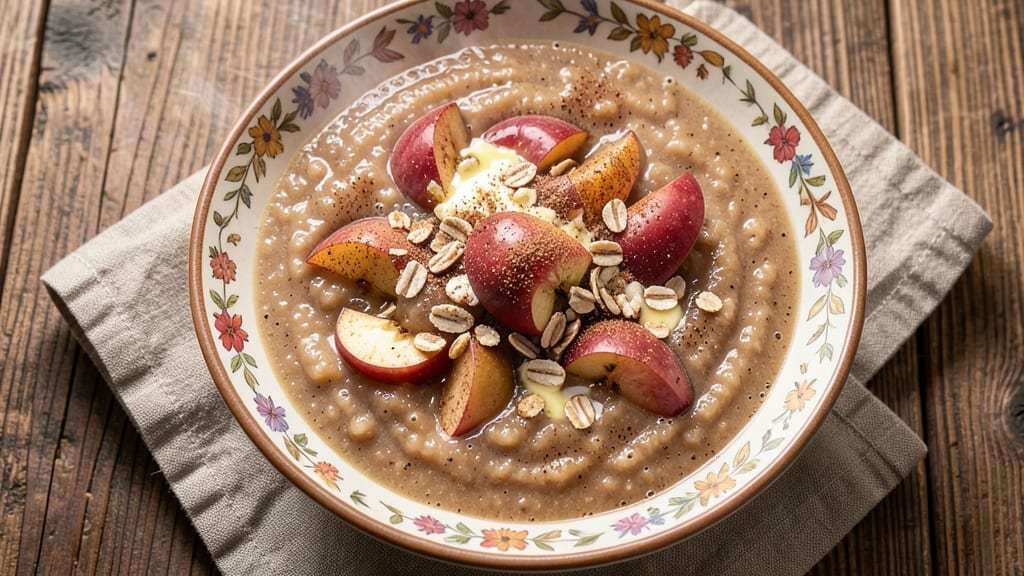
This 17th-century apple and potato porridge transports you to rustic kitchens where simple ingredients created hearty meals. The dish reflects early European traditions, blending potatoes—brought from the Americas—with apples and oats, all slow-cooked over open flames until thick and fragrant.
Historical records suggest such porridges were staples for peasants and nobility alike, offering warmth and sustenance during harsh winters.
The recipe relies on authentic techniques—no modern gadgets required. Potatoes and apples are boiled until tender, then mashed into a coarse texture before simmering with oats and a touch of salt or honey (if available).
Spices like cinnamon or nutmeg, introduced via trade routes, could be stirred in for depth. The result is a thick, comforting porridge with natural sweetness from the fruit and earthy richness from the potatoes.
What makes this dish remarkable is its versatility and resilience. In an era with limited preservation methods, porridge could be reheated or stored for days, making it ideal for large households.
Served warm, it pairs perfectly with salted meats or fresh bread—just as it would have in a 17th-century home. The simplicity of the ingredients and methods ensures authenticity while delivering a meal that feels both nostalgic and deeply satisfying.
Modern adaptations—like using a pot on a stovetop instead of an open fire—keep the spirit of the original intact. The dish remains a testament to how resourcefulness and tradition can transform humble ingredients into something extraordinary. Ready to recreate history in your kitchen?
Ingredients for apple and potato porridge 17th century
Authentic 17th-century ingredients blending rustic simplicity with historical authenticity for this hearty porridge.
| Ingredient | Amount | Notes |
|---|---|---|
| Russet Potatoes 🥔 | 2 lb | Peeled, cut into even chunks |
| Apples 🍎 | 4 medium | Sweet-tart variety like Granny Smith |
| Old-Fashioned Rolled Oats 🌾 | 1 cup | Not instant or quick-cooking |
| Water 💧 | 4 cups | Or apple cider for depth |
| Unsalted Butter 🧈 | 2 tbsp | Clarified butter preferred historically |
| Ground Cinnamon 🌿 | 1 tsp | Freshly ground for authenticity |
| Ground Nutmeg 🌿 | ¼ tsp | Freshly grated nutmeg preferred |
| Sea Salt 🧂 | ½ tsp | Diamond Crystal preferred |
| Honey 🍯 | 2 tbsp | Optional, for sweetness |
| Fresh Thyme Leaves 🌿 | 1 tsp | Or 0.25 tsp dried thyme |
| Whole Milk 🥛 | ½ cup | For creaminess if available |
The potatoes and apples form the foundation—Russet potatoes hold up best to boiling, while Granny Smith apples provide that signature tartness. For the apples, organic varieties work best if you want to skip peeling entirely, just scrub them well. The oats should be old-fashioned rolled oats—not instant or quick-cooking. I source mine from Bob's Red Mill for consistent quality, but any bulk bin with 'rolled' clearly labeled will do. If you're feeling particularly authentic, you can even toast the oats lightly in a dry pan before adding them to the porridge, just as 17th-century cooks would have done over open flames.
No honey? Maple syrup or extra apples will work—just reduce the sweetness slightly. Fresh nutmeg is a game-changer here, but if you only have ground, toast it briefly in a dry pan first to deepen the flavor. For the thyme, fresh is ideal, but if you're using dried, remember it's one-third the amount by volume. The butter can be substituted with olive oil or lard for a vegetarian version, though historically butter would have been the standard. Milk can be omitted entirely if you're strict about authenticity, but it does add that lovely creaminess that makes this porridge feel indulgent rather than rustic.
This porridge freezes beautifully—portion into containers before freezing for easy reheating. It keeps in the fridge for up to 5 days, though I find it tastes best within the first two. For reheating, add a splash of water or milk to loosen it up. The texture should be thick but spoonable—if it's too stiff, stir in more warm water. Historically, this would have been served in wooden bowls or wide-mouthed ceramic pots, but any heatproof dish will do. Leftovers make excellent cold breakfast porridge the next morning—just stir in a bit more milk or cream if needed.
Why You'll Love This Recipe
- Here’s what sold me: the way the Russets turn creamy while the apples stay just firm enough to bite into, all wrapped in that buttery oat richness. It’s like a hug for your taste buds—warm, comforting, and with a subtle sweetness that feels just right.
- No Chopping Chaos: I swear by this recipe because you’re basically peeling and slicing—no dice, no julienne, just thick chunks of Russet potatoes and apples that cook down beautifully. The oats handle the texture work for you, so it’s the kind of dish where you’re done before the water even boils.
- Sweet-Savory Magic: Here’s what sold me: the way the Russets turn creamy while the apples stay just firm enough to bite into, all wrapped in that buttery oat richness. It’s like a hug for your taste buds—warm, comforting, and with a subtle sweetness that feels just right.
- Leftovers That Shine: Between us, this porridge only gets better the second day. I’ll make a big batch on Sunday, and by Wednesday, it’s still my go-to for quick breakfasts or even a cozy lunch. Just reheat with a splash of water, and it’s like you’re eating a fresh batch—minus the effort.
Step-by-step instructions for rustic apple and potato porridge
This 17th-century porridge balances earthy potatoes with sweet-tart apples for a harmonious, spiced dish.
Parboil the Potatoes for Tender Texture
Place the 2 lb peeled, chunked Russet Potatoes in a large pot and cover with 4 cups of water. Bring to a boil over medium-high heat and cook for 8-10 minutes until the edges begin to soften but the centers remain slightly firm. This partial cooking prevents mushiness while ensuring even texture.
Drain thoroughly in a colander, shaking gently to remove excess water. I press down lightly with a clean kitchen towel to absorb any remaining moisture—this step is crucial for preventing a watery porridge. The potatoes should yield slightly when pressed with a finger but shouldn't collapse completely.
Cook Apples Until Soft and Sweet
In the same pot (no need to clean it—those potato starches add flavor), add the 4 peeled, cored, and chopped medium Apples and the 2 tbsp Unsalted Butter. Cook over medium heat for 6-8 minutes, stirring occasionally, until the apples break down into a chunky purée with just a hint of resistance when pierced with a fork.
Here's the thing—don't let them turn mushy. You want texture, not a smooth apple sauce. The apples should release their natural sweetness while maintaining some structure. Season with 1 tsp Ground Cinnamon, 0.25 tsp Ground Nutmeg, and 0.5 tsp Sea Salt now to let the spices bloom in the apple juices.
Build the Porridge Base with Oats and Spices
Return the drained potatoes to the pot with the apple mixture. Add the 1 cup Old-Fashioned Rolled Oats and 1 tsp Fresh Thyme Leaves. Stir well to combine, then pour in 2 cups of the original cooking water (reserve the remaining 2 cups for later if needed).
Bring to a gentle simmer over medium-low heat, stirring frequently to prevent sticking. The porridge should thicken gradually—this takes about 10-12 minutes. I like to press down on the mixture with a wooden spoon occasionally to ensure even cooking. The oats should soften completely while the potatoes break down into creamy strands.
Finish with Creaminess and Sweetness
Once the porridge reaches your desired consistency (it should coat the back of a spoon but remain spoonable), reduce heat to low and stir in the 0.5 cup Whole Milk and 2 tbsp Honey. The milk adds richness while the honey balances the tartness of the apples. Taste and adjust seasoning—you might need a pinch more salt or cinnamon depending on your apples.
For best results, let the porridge rest for 5 minutes off the heat before serving. This allows the flavors to meld completely. The final texture should be thick but not gluey, with visible chunks of potato and apple throughout. The spices should be present but not overpowering, creating that perfect rustic harmony.
Pro Tips For Making Apple And Potato Porridge 17th Century
- PEEL AND CHUNK POTATOES: Russets hold up better when cut into ½-inch cubes—no need for uniform slices. I learned this the hard way: larger chunks stay hearty while smaller ones turn to mush, and this size guarantees both texture and even cooking.
- COOK APPLES IN THE POT: Skip pre-sautéing—toss diced apples directly into the pot with the potatoes and water. They’ll soften gradually without burning, and the liquid absorbs their natural sweetness for a richer flavor. (Yes, even if you’re impatient like me.)
- STIR ONCE, LOW AND SLOW: After the initial boil, reduce to the lowest heat that keeps a gentle simmer. Stirring once every 10 minutes prevents scorching, and the oats will thicken evenly without burning. I used to fuss with it, but this lazy method actually works better.
- FINISH WITH COLD BUTTER: Add the butter off the heat—just before serving—to melt into the porridge without breaking the delicate texture. A pat of cold butter also adds richness without making the dish greasy. (Your future self will notice the difference.)
Troubleshooting this recipe
Porridge Too Thin?
If your porridge turns out thinner than expected, don't panic—simmer it uncovered for 2-3 minutes to evaporate excess liquid. For a thicker texture immediately, mix 1 tbsp cornstarch with 1 tbsp cold water, then stir into the porridge while heating.
Keep stirring until it reaches your desired consistency. This trick works like historical cooks would have used flour or oatmeal to thicken their stews and porridges. 🌡️
Apples Too Tart?
If your Granny Smith apples make the porridge overly tart, balance the flavor by adding 1 extra tbsp honey or ½ tsp brown sugar at the end.
For a more historical approach, stir in 1 tbsp grated apple peel (from organic apples) or a pinch of ground ginger—both would have been used in 17th-century kitchens to mellow sharp flavors. Taste as you go!
Potatoes Turning Mushy
Overcooked potatoes are the biggest culprit for a mushy porridge. To prevent this, parboil them for only 8-10 minutes—just until they soften at the edges. If you notice them breaking down too much during cooking, add 1 extra tbsp oats to absorb excess moisture.
For extra insurance, use slightly smaller potato chunks (1.5-inch pieces instead of 2-inch).
Oats Not Cooking Evenly
Unevenly cooked oats happen when the heat isn't consistent. Keep your porridge at a gentle simmer (small bubbles, not a rolling boil) and stir frequently. If some oats remain crunchy, toast them separately in a dry pan for 2 minutes before adding to the porridge.
This mimics how 17th-century cooks would have toasted grains over open flames.
Spices Too Strong?
Freshly ground spices can sometimes overpower the dish. If your cinnamon or nutmeg tastes too intense, reduce future batches by ½ tsp and let them simmer longer in the apple mixture to mellow their flavor.
For a more subtle approach, use toasted whole spices (lightly toast cinnamon sticks or nutmeg seeds) and grind them fresh for a more balanced profile.
Porridge Sticking to Pot
This happens when the porridge dries out or sugars caramelize. Prevent it by keeping heat at medium-low and stirring every 2-3 minutes. If it starts sticking, add 2 tbsp warm water or milk and scrape the bottom gently with a wooden spoon.
Historically, cooks would have used wooden spoons or ladles to stir constantly over open fires—mimic this technique for best results. 💡
Nutrition facts
Frequently asked questions
Can I make this porridge without dairy?
Skip the butter and milk, or substitute with 2 tbsp olive oil and ½ cup apple cider for creaminess. The original recipe relied on simple ingredients, so this keeps it historically accurate while accommodating dietary needs. Just add a pinch more salt to balance the flavor.
How does this differ from modern apple-potato mash?
This 17th-century version includes oats and spices for texture and depth, while modern mash often uses cream or butter exclusively. The slow-cooked method creates a thicker, heartier consistency—more like a porridge than a smooth mash. Historical recipes also relied on partial cooking of potatoes to maintain structure.
What if I don't have fresh thyme? Use ½ tsp dried thyme (one-third the amount) or substitute with ½ tsp rosemary for a piney note. In 17th-century kitchens, cooks often used whatever dried herbs were available—just
Can I prepare this in a slow cooker?
Yes! Parboil potatoes and cook apples as directed, then transfer everything to the slow cooker with 2 cups water. Cook on Low for 3-4 hours or High for 1.5-2 hours, stirring occasionally. The texture will be slightly different but still delicious—just add extra oats if it gets too thin.
Why did 17th-century people eat porridge so often?
Porridge was the perfect peasant meal—cheap, filling, and easy to make with basic ingredients. Potatoes (new to Europe) and oats grew well in harsh climates, while apples provided natural sweetness. It could be eaten hot or cold, stretched with water, and stored for days—ideal for large families with limited resources.