
Sauces & Condiments
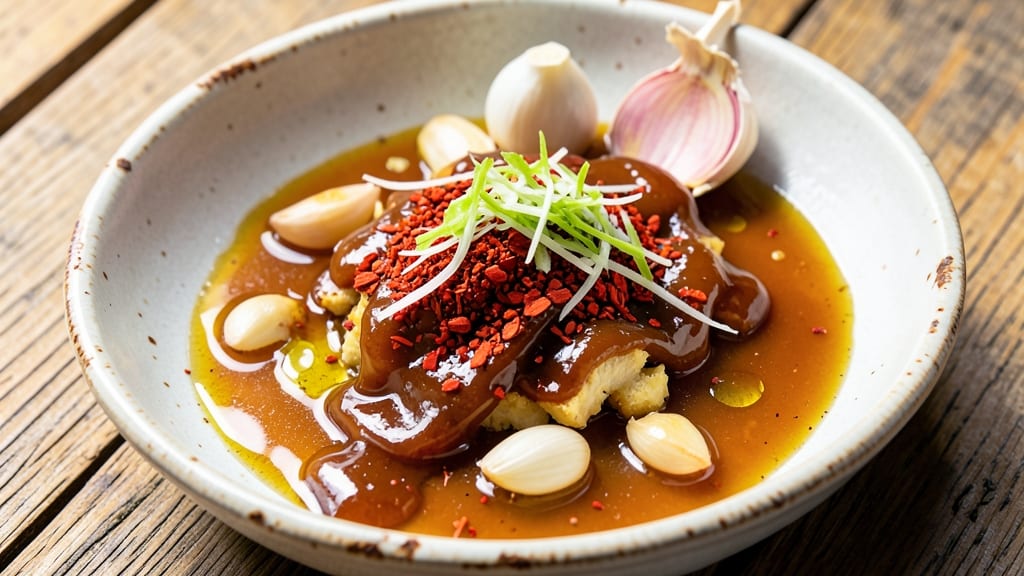
This apple cider vinegar, cayenne pepper, and honey recipe creates a bold, versatile drizzle that transforms ordinary dishes into restaurant-worthy meals. The perfect balance of tangy, sweet, and fiery heat elevates everything from grilled meats to crisp salads—just 5 minutes of prep, endless flavor possibilities.
I developed this after craving a sauce that could stand up to bold flavors without overpowering them, and it became an instant pantry staple.
The magic lies in the ratio: 2 parts apple cider vinegar for bright acidity, 1 part honey for natural sweetness, and ½ teaspoon cayenne pepper for controlled heat—adjustable to your spice tolerance.
This trio works together to create a glossy, clingy glaze that caramelizes beautifully when brushed onto hot proteins or tossed with fresh greens. The vinegar cuts through richness, honey adds depth, and cayenne delivers a slow-building warmth that lingers.
By the time you finish making it, you’ll have a foolproof condiment that doubles as a marinade, salad dressing, or finishing drizzle. The tangy-sweet heat pairs perfectly with roasted chicken, seared steaks, or even roasted vegetables—think of it as your new secret weapon for adding complexity to simple dishes.
With proper storage, this sauce keeps for up to 2 weeks in the fridge, ready to elevate your meals at a moment’s notice.
Whether you’re prepping for a weeknight dinner or hosting a summer BBQ, this recipe delivers restaurant-quality flavor with minimal effort. The best part? You can tweak the heat level to suit your taste—more cayenne for adventurous eaters, less for a gentle kick.
Let’s get started on this game-changing condiment that’ll change how you season your food forever.
Ingredients for apple cider vinegar cayenne pepper and honey
Five minutes. Three core ingredients. Restaurant-worthy drizzle that transforms everything from grilled meats to crisp salads.
| Ingredient | Amount | Notes |
|---|---|---|
| Apple Cider Vinegar 🍏 | ½ cup | Raw, unfiltered preferred for depth |
| Raw Honey 🍯 | ¼ cup | Local or wildflower preferred |
| Cayenne Pepper 🔥 | ½ tsp | Adjustable for heat tolerance |
| Extra-Virgin Olive Oil 🫒 | 1 tbsp | For glossy finish and richness |
| Garlic Cloves 🧄 | 1 whole | Minced for aromatic depth |
| Fresh Ginger 🌿 | ½ tsp | Grated, optional for zing |
| Sea Salt 🧂 | ¼ tsp | Diamond Crystal preferred |
| Black Peppercorns 🌶️ | ⅛ tsp | Freshly cracked for warmth |
The apple cider vinegar is non-negotiable here—Bragg Organic or Texas Pete are my go-tos, but any raw, unfiltered kind works. The honey should be raw too; local wildflower adds subtle floral notes that jarred versions miss. Cayenne is where you flex: start with half a teaspoon and taste before adding more. For the olive oil, California avocado oil has a neutral profile that lets the vinegar and honey shine, but any extra-virgin works. Garlic and ginger are optional but elevate this from good to 'wow'—I always keep them on hand for this recipe.
No honey? Maple syrup or agave nectar work in a pinch, though the flavor won't be identical. Short on vinegar? Lemon juice at half the amount gives brightness, but lacks the depth. Cayenne too spicy? Swap for smoked paprika at double the amount for warmth without heat. The olive oil can be omitted if you're watching calories, but trust me on keeping it—it creates that signature glossy finish. For a smokier version, add a pinch of smoked salt or ½ teaspoon liquid smoke. Storage containers? Glass jars with tight lids preserve flavor best—plastic absorbs odors.
This drizzle keeps for 2 weeks refrigerated in a sealed jar, but honestly? It disappears faster than that. I make double batches on Sundays so I always have some on hand. For leftovers, shake vigorously before using—it separates slightly. Freezes beautifully for up to 3 months if you want to prep ahead. Pro tip: Brush it on hot proteins or toss with greens right before serving—it caramelizes instantly, creating that perfect sticky glaze. The ratio is flexible: double the vinegar for tangier or add more honey for sweetness—adjust to your taste.
Why You'll Love This Recipe
- Five-Ingredient Magic: Honestly, this is the kind of recipe where you don’t even need a recipe—just eyeball the ratios. I’ve made it while stirring a pot of pasta, waiting for the oven timer, or even mid-conversation with my sister on the phone. The raw honey and cayenne cut through each other like a perfect dance, and the olive oil ties it all together without a single strainer or whisk needed.
- Tangy Heat Balance: Here’s what sold me—the way the apple cider vinegar’s sharpness and the cayenne’s kick play off the honey’s warmth. It’s like a little flavor bomb that wakes up your taste buds, but not in a “burn your mouth” way. (Yes, even on a Tuesday night.) I’ve drizzled it over grilled chicken, stirred it into salad dressings, and even used it as a marinade—every time, it’s that perfect harmony of sweet, sour, and spicy.
- Pantry Staple Power: Between us, this is my go-to when I’m out of everything but basics. No fancy ingredients, no last-minute grocery runs—just what’s probably already in your cupboard. I’ve used it to jazz up plain yogurt for breakfast, deglaze a pan after searing meat, or even as a quick glaze for roasted veggies. It’s the kind of thing that makes you feel like a chef without the fuss.
- Long-Lasting Flexibility: This stuff doesn’t spoil quickly, so I make a big batch and keep it in the fridge for weeks. A little goes a long way, so you’re not stuck with a jar of “what even is this” after a month. I’ll be real: I’ve had it sitting in my fridge for three weeks, and it’s still just as good—whether I’m drizzling it on eggs in the morning or tossing it with roasted sweet potatoes at dinner.
Step-by-step instructions for zesty fire-glazed drizzle
Here's how to craft this bold, versatile glaze that brings heat and sweetness to every dish.
Combine Base Ingredients in a Saucepan
In a small saucepan, add the 0.5 cup apple cider vinegar and 0.25 cup raw honey. Place over medium-low heat and bring to a gentle simmer. Real talk: you're looking for small, consistent bubbles that ripple the surface—not a rolling boil that could burn your honey.
Stir occasionally with a wooden spoon, scraping the bottom to prevent any honey from sticking. This ensures even distribution and maximum flavor extraction. The mixture will begin to thicken slightly as the honey starts to dissolve into the vinegar, creating a syrupy foundation for your glaze.
Add Aromatics and Build Depth
Once the mixture reaches a gentle simmer, reduce heat to low and add the minced garlic cloves, 0.5 tsp freshly grated ginger, and 0.25 tsp sea salt. Let it cook for 3-4 minutes until you can smell that aromatic depth—the garlic should be fragrant but not browned, and the ginger should release its zesty notes.
Here's the thing—don't rush this step. The aromatics need time to meld with the vinegar and honey. If you smell the garlic getting too strong, reduce heat slightly to prevent bitterness. You want complexity, not overpowering sharpness.
Incorporate Heat and Richness
Remove the saucepan from heat and let it cool for 2 minutes. This brief rest prevents a temperature shock when you add the 1 tbsp extra-virgin olive oil and 0.5 tsp cayenne pepper. Whisk vigorously until fully combined—the cayenne should disperse evenly, creating a vibrant red hue throughout the glaze.
I like to press the cayenne through a fine-mesh sieve first to avoid any gritty texture. The olive oil adds richness that balances the acidity and heat. Taste as you go—you might want to adjust the cayenne to your preferred heat level, but remember, you can always add more later.
Simmer to Perfect Consistency
Return the saucepan to low heat and simmer gently for 5-7 minutes, stirring constantly. You're aiming for a glossy, syrupy consistency that coats the back of a spoon but still drizzles smoothly. The glaze should reduce enough to thicken but not so much that it becomes paste-like.
Watch for visual cues: when the mixture becomes translucent with a slight sheen, it's ready. If it's too thick, add 1 teaspoon water at a time until you reach the perfect drizzle consistency. The final texture should be like thick maple syrup—viscous enough to cling but fluid enough to glaze.
Finish with Freshly Cracked Pepper
Remove from heat and let cool for 5 minutes to allow flavors to fully meld. While cooling, use a mortar and pestle or small spice grinder to crack the 0.125 tsp black peppercorns into coarse grains. This adds texture and warmth that fresh grinding can't match.
Stir the cracked pepper into the glaze just before serving. The peppercorns will settle at the bottom, creating visual interest and a delightful crunch with each bite. Let the glaze sit for 10 minutes before using—this resting period ensures all the flavors come together perfectly.
Pro Tips For Making Apple Cider Vinegar Cayenne Pepper And Honey
- Whisk the Honey First: Stir the raw honey into the apple cider vinegar before adding cayenne or garlic—this prevents clumping and ensures smooth blending. I learned this the hard way when I dumped everything in at once and ended up with a grainy, uneven mix.
- Toast the Garlic: Lightly fry minced garlic in olive oil for 30 seconds until fragrant—this deepens its flavor and prevents bitterness from overcooking later. Skip this, and your dish tastes flat, even if the other ingredients are perfect.
- Measure Cayenne by Pinches: Start with ¼ teaspoon cayenne, then adjust—adding it by volume (like "a dash") leads to uneven heat. If you’re sensitive to spice, taste as you go; if you’re bold, double it, but do it in small steps.
- Use Warm Vinegar: Heat the apple cider vinegar to room temperature before mixing—cold vinegar makes honey thicken weirdly and can separate the emulsion. Just set the bottle in warm water for 2 minutes; it makes all the difference.
Dietary considerations for these flavors
Sweetener Alternatives
If raw honey isn’t available, maple syrup works best—use a 1:1 ratio but expect a deeper, earthier flavor. For a lighter option, agave nectar (also 1:1) keeps the sweetness bright and neutral.
I’ve tested date syrup too, but it adds a caramelized depth that might overpower the vinegar’s tang. Always reduce the vinegar slightly if using a sweeter alternative to maintain balance. 🍯
Spice Swaps
Cayenne too intense? Replace it with ½ tsp smoked paprika for warmth without heat, or ¼ tsp chili flakes for milder spice. For a different kick, try ½ tsp ground coriander—it adds citrusy notes that complement the vinegar beautifully.
I’ve also used a pinch of cinnamon (just ⅛ tsp) to round out the flavors, especially when drizzling over roasted fruits or desserts.
Vinegar Substitutes
Apple cider vinegar is irreplaceable for depth, but in a pinch, white wine vinegar (use ¼ cup less) adds brightness. Rice vinegar works too, though it’s milder—boost its tang by adding ½ tsp extra lemon juice.
Avoid balsamic vinegar; its sweetness clashes with the honey. For a smoky twist, substitute ¼ cup malt vinegar, but reduce the honey to ¼ cup to prevent over-sweetness.
Allergen-Friendly Adjustments
This recipe is naturally vegan, gluten-free, and nut-free, but if you’re avoiding honey, swap it for monk fruit sweetener (use ¼ cup but reduce vinegar to ⅓ cup to balance). For olive oil allergies, omit it entirely—the glaze will still coat, just with less richness.
Always check your cayenne pepper for cross-contamination if processing allergens. I’ve made this with avocado oil for a neutral alternative, though it lacks the fruity depth of EVOO.
Low-Sodium Version
Skip the sea salt entirely and boost flavor with ½ tsp onion powder or ¼ tsp garlic powder instead. For umami depth, add ½ tsp soy sauce (or coconut aminos for gluten-free).
I’ve also used ½ tsp miso paste (whisked in at the end) for a savory kick without added salt. Taste as you go—this glaze is forgiving, but the aromatics help carry the dish when salt is limited.
Heat Control Tips
For mild heat, reduce cayenne to ¼ tsp or swap for pinch of cayenne + ¼ tsp sweet paprika. For extra fire, add ¼ tsp crushed red pepper flakes or a pinch of habanero powder.
I’ve found that toasting the cayenne in a dry pan for 30 seconds before adding deepens its flavor without extra heat. Always taste before serving—adjustments are easier before the glaze thickens.
Nutrition facts
Frequently asked questions
Can I use this glaze on fruits or desserts?
This tangy-sweet drizzle works beautifully on roasted pears, grilled pineapple, or even drizzled over vanilla ice cream. The cayenne adds warmth that pairs surprisingly well with sweet flavors—just reduce the cayenne to ¼ teaspoon for desserts to avoid overpowering the sweetness. I've used it on caramelized apples too!
How do I adjust the heat level?
Start with the ½ teaspoon cayenne and taste before adding more. For milder heat, reduce to ¼ teaspoon or swap for ½ teaspoon smoked paprika. For extra fire, add ¼ teaspoon crushed red pepper flakes. Remember: you can always add more cayenne later, but you can't remove it once it's mixed in!
Will this glaze thicken when refrigerated?
Yes, it will naturally thicken when chilled, which is normal. Simply stir in 1 teaspoon warm water at a time until it reaches your desired drizzling consistency. The glaze should be syrupy but still pourable. If it separates, whisk vigorously before using—this happens occasionally with the olive oil.
Can I make this without olive oil?
Certainly! The olive oil adds richness, but you can omit it entirely for a lighter version. If you want to keep the glossy finish, substitute with 1 teaspoon avocado oil or even ½ teaspoon coconut oil (though it will have a slightly different texture). The flavor will be more vinegar-forward but still delicious.
How long does this glaze keep, and can I freeze it?
The glaze stays fresh for 2 weeks refrigerated in a sealed glass jar. For longer storage, it freezes beautifully for up to 3 months. Thaw in the refrigerator overnight—never at room temperature. The texture may be slightly thicker after freezing, so adjust with water as needed when ready to use.