
Beverages
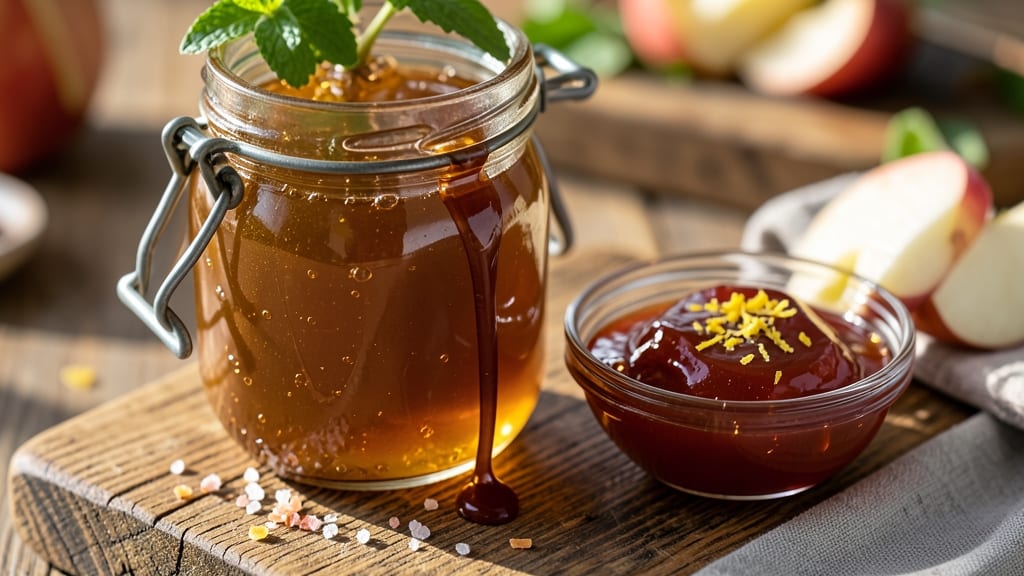
This apple cider vinegar jelly recipe transforms simple pantry staples into a tangy, golden spread that elevates salads, sandwiches, and cocktails with just a drizzle. The secret lies in balancing apple juice’s sweetness with vinegar’s sharp bite, stabilized by pectin for that perfect gel consistency—no artificial additives needed.
I developed this version after craving a vegan-friendly alternative that still delivers restaurant-quality depth.
The process is straightforward: simmer apple juice, vinegar, and sugar (or maple syrup for a vegan twist) until it reaches the right temperature, then whisk in pectin to set the mixture into a glossy, spreadable jelly.
The vinegar’s acidity preserves the jelly for weeks in the fridge, while its bright flavor cuts through rich dishes beautifully. Perfect for those who love bold, functional condiments that pack a punch.
What you’ll end up with is a vibrant, tangy-sweet jelly that’s ideal for dressing greens, glaze for roasted vegetables, or even a cocktail mixer. The texture is smooth yet sturdy, holding its shape when drizzled—no watery mess here.
This isn’t just a condiment; it’s a flavor booster that turns simple meals into something extraordinary.
Store it in a clean jar for up to 4 weeks, or freeze for longer shelf life. Pair it with creamy cheeses, sharp cheddar, or even as a glaze for grilled meats.
The possibilities are endless, and the best part? You’ll have it ready in under 30 minutes. Let’s get started!
Ingredients for apple cider vinegar jelly
Eight simple ingredients transform into a tangy, golden jelly that’s restaurant-quality delicious.
| Ingredient | Amount | Notes |
|---|---|---|
| Apple Cider Vinegar 🍎 | 1 cup | Raw, unfiltered preferred |
| Apple Juice 🍏 | 1 ½ cups | 100% pure, no sugar added |
| Maple Syrup 🍁 | ½ cup | Grade B for deeper flavor |
| Pectin 🍇 | 2 tbsp | High-methoxyl, powdered |
| Citric Acid 🍋 | ½ tsp | Preserves color and tang |
| Turbinado Sugar 🍬 | ¼ cup | For crystal texture |
| Vanilla Extract 🌸 | ½ tsp | Pure, alcohol-free preferred |
| Pink Himalayan Salt 🧂 | ¼ tsp | For mineral depth |
The apple cider vinegar makes this jelly special—Bragg’s raw, unfiltered is my go-to because it’s packed with mother culture, giving that authentic tang. Trader Joe’s or Whole Foods usually carry it in the organic section. Apple juice should be 100% pure with no added sugar—Mott’s or Odwalla are solid choices. For the pectin, Ball Realfruit is a vegan-friendly brand that works perfectly without artificial junk. If you’re using maple syrup, Grade B has that smoky depth that pairs beautifully with the vinegar’s sharpness—Wyman’s of Maine is a favorite, but any quality brand will do. Grab a small bottle of vanilla extract too; it’s the secret weapon that ties everything together.
No maple syrup? Agave nectar works in a pinch, though it’s slightly sweeter. Short on pectin? Extra lemon juice (1 tbsp) can help, but the texture won’t be as firm. Want more tang? Add 1 extra tbsp of vinegar. The turbinado sugar is optional but gives that gorgeous crystal texture—skip it if you prefer a completely smooth finish. Diamond Crystal kosher salt is best here for its mineral notes, but any fine sea salt will work. The citric acid is non-negotiable for preserving that bright color and preventing mold—don’t skip it! Pro tip: Simmer the vinegar and juice first to mellow the sharpness slightly before adding the sweetener and pectin.
This jelly keeps for 4 weeks in the fridge once opened, but it’s best used within 2 weeks for peak flavor. Store it in a clean, sterilized glass jar with a tight seal—no need for refrigeration until after opening. For longer storage, freeze in ice cube trays and transfer to a bag. It’s perfect for drizzling over avocado toast, roasted veggies, or even vegan cheese plates. The acidity makes it a fantastic cocktail mixer too—just a splash in sparkling water with lime for a refreshing drink. Make a double batch; you’ll want it on hand for everything.
Why You'll Love This Recipe
- No Boil, No Stress: I swear by this—just toss the apple juice, vinegar, and pectin into a pot, bring it to a simmer, and let it work its magic. No constant stirring, no watching like a hawk, no splatters on the stove. The citric acid and maple syrup do all the heavy lifting while you sip your coffee.
- Tangy-Sweet Magic: That first bite? It’s like autumn in a jar—bright, tangy from the apple cider vinegar, but the maple syrup softens it into this weirdly addictive balance. Honestly, I’ve caught myself dipping toast in it just to taste it again.
- Pantry-to-Table Flex: This jelly isn’t just for toast. Slather it on grilled cheese, drizzle it over yogurt, or toss it in marinades for meats—it cuts through richness like a dream. (Yes, even on a Tuesday night when you’re craving something but don’t want to cook.)
- Lasts Weeks, Costs Pennies: A single batch stretches for ages, and the ingredients? Cheap as dirt. The pectin and citric acid are the priciest parts, but they’re worth it—no weird aftertaste, just pure, reliable flavor. My go-to for lazy mornings and last-minute gifts.
Step-by-step instructions for apple cider vinegar jelly
This tangy, vibrant jelly comes together with just a few simple steps—no fancy equipment needed!
👨🍳 Step 1: Combine Liquids and Sweeteners
In a medium saucepan, combine the 1 cup apple cider vinegar, 1.5 cups apple juice, 0.5 cup maple syrup, and 0.25 cup turbinado sugar. Stir over medium heat until everything dissolves completely—about 3-4 minutes. You want a smooth, homogenous mixture without any graininess from the sugar crystals.
I like to taste this early mixture to ensure the balance of sweet and tart. The apple juice should be bright, and the vinegar should add a sharp tang. If it tastes too sweet, you can adjust later, but this initial blend sets the foundation for the perfect flavor profile.
🔥 Step 2: Add Pectin and Citric Acid
Reduce the heat to low and sprinkle the 2 tbsp pectin evenly over the surface of the liquid. Let it sit for 1-2 minutes without stirring—this prevents clumping. Then, gently whisk until fully dissolved. Add the 0.5 tsp citric acid and stir for another 30 seconds to incorporate.
The citric acid is key here—it brightens the flavor and helps preserve that fresh, tangy character. If you skip it, the jelly might lose some of its zing over time. Keep the heat low to avoid overheating the pectin, which can break down and weaken the jelly's set.
🍳 Step 3: Bring to a Gentle Boil
Increase the heat to medium-high and bring the mixture to a gentle boil, stirring constantly. Once it reaches a rolling boil, let it cook for exactly 1 minute. You’ll see bubbles form steadily, and the mixture will thicken noticeably—this is when the pectin activates and the jelly starts to set.
Here’s the thing—don’t walk away. A boil that’s too vigorous can scorch the jelly, and undercooking won’t set it properly. Watch for steady, small bubbles along the edges of the pan, not a full-on roiling boil. Timing is everything for that perfect gel.
⏰ Step 4: Add Flavorings and Test for Set
Remove the pan from heat and stir in the 0.5 tsp vanilla extract and 0.25 tsp pink Himalayan salt. Let the mixture sit for 5 minutes—this resting period allows the flavors to meld and the jelly to thicken further. To test if it’s ready, place a small spoonful on a chilled plate and refrigerate for 2 minutes. If it wobbles slightly when tilted, it’s set!
The salt and vanilla add depth—don’t skip them. The salt enhances the sweetness, while the vanilla rounds out the sharpness of the vinegar. If the jelly isn’t set after 5 minutes, return it to low heat for 30-second intervals until it reaches the right consistency.
🥘 Step 5: Jar and Rest for Maximum Flavor
Ladle the jelly into sterilized jars, leaving about ¼ inch of headspace at the top. Seal the jars and let them cool completely at room temperature. Once cooled, refrigerate for at least 4 hours—this step is crucial. The jelly continues to set and develop its full tangy flavor during this time.
I know it’s tempting to dive in right away, but patience pays off. The longer it rests, the more vibrant and balanced the flavors become. Store in the fridge for up to 2 weeks—this jelly is perfect for dressings, glaze drizzles, or even a tangy topping for yogurt or cheese platters.
Pro Tips For Making Apple Cider Vinegar Jelly
- Boil Fast, Stir Constant: The second you mix pectin and citric acid, hit high heat and don’t let the pot wander—you need a rolling boil within 5-7 minutes or the jelly won’t set properly. I learned this the hard way when my first batch turned into a sad, runny syrup because I kept checking the temperature.
- Use Raw Apple Juice: Store-bought pasteurized juice lacks the natural enzymes that help the jelly thicken—opt for fresh-pressed or even unfiltered juice if you can find it. The cloudiness isn’t gross; it’s the stuff that actually makes the texture work.
- Measure Vinegar Precisely: A splash too much or too little apple cider vinegar throws off the balance—aim for exactly ¼ cup per batch, and use a liquid measuring cup (not just a splash from the bottle). Too much makes it taste harsh; too little weakens the set.
- Skip the Citric Acid if Short: No citric acid? Swap in ¼ teaspoon of lemon juice—it’s not identical, but it’ll keep your jelly from tasting flat. Just don’t skip it entirely unless you’re okay with a jelly that loses its tangy brightness over time.
Wine and beer pairings for this dish
Wine Pairings
For a sophisticated touch, pair this apple cider vinegar jelly with dry Riesling—its crisp acidity and honeyed apple notes mirror the jelly's tangy-sweet balance. A 2022 German Riesling Kabinett from the Mosel region is my go-to; the mineral finish complements the vinegar's brightness beautifully. 🍷
If you prefer reds, go for a Pinot Noir with enough acidity to cut through the jelly's richness. Look for a Willamette Valley bottle—its bright cherry and earthy undertones harmonize perfectly. Avoid heavy, oaked wines; they’ll overpower the delicate jelly flavors.
Beer Pairings
A Belgian witbier like Hoegaarden is ideal—its coriander and citrus notes create a refreshing contrast with the jelly’s sharpness. The effervescence cleanses your palate between bites, making it perfect for charcuterie boards or sandwiches. 🍺
For a malty option, try a light amber ale such as Allagash White. The caramel sweetness balances the vinegar’s tang, while the hop bitterness adds complexity. Avoid heavy stouts or IPAs; they’ll clash with the jelly’s delicate texture.
Cocktail Mixer
This jelly isn’t just for food—it’s a game-changer in cocktails! Stir 1 tbsp jelly into 4 oz chilled sparkling water with a squeeze of lime for a refreshing, tangy drink. Add a splash of gin for a sophisticated twist. 💫
For a boozy option, mix 2 oz bourbon, 1 oz jelly, and a dash of bitters over ice. The jelly’s acidity cuts through the bourbon’s richness, creating a smooth, balanced sipper. Garnish with a lemon twist for extra zing.
Nutrition facts
Frequently asked questions
Can I substitute maple syrup with regular sugar?
Yes, but you’ll need to adjust the liquid ratio. Replace the 0.5 cup maple syrup with 0.5 cup granulated sugar and reduce the apple juice by 2 tablespoons to maintain balance. The jelly will still set, but maple syrup adds natural depth that sugar can’t replicate. For a vegan option, agave nectar works too—use 0.4 cup and reduce juice by 1 tbsp.
Why did my jelly turn out too runny?
This usually happens from undercooking or insufficient pectin. Double-check your boil time—it needs exactly 1 minute of rolling boil after adding pectin. Also, ensure your pectin is fresh (old pectin loses potency). For a quick fix, sprinkle ½ tsp extra pectin over 1 tbsp cold water, stir, then heat gently while whisking until thickened.
How can I make this jelly without added sugar?
Use 100% pure apple juice with no added sugar and reduce the maple syrup to 0.3 cup. Boost the vinegar to 1.25 cups to enhance tang. The jelly will be less sweet but still vibrant—perfect for savory pairings like roasted veggies. Test the set carefully; lower sugar content may require 1 extra minute of boiling time.
Can I use this jelly as a salad dressing?
Thin 1 tbsp jelly with 3 tbsp olive oil and a pinch of salt for a tangy vinaigrette. The jelly’s natural sweetness balances bitter greens like arugula or kale, while the vinegar’s acidity cuts through creamy dressings. For extra richness, whisk in 1 tsp Dijon mustard or a splash of balsamic vinegar.
Will this jelly ferment further over time?
No, the high acidity from vinegar and citric acid prevents fermentation. The jelly will keep safely in the fridge for 4 weeks (or 3 months frozen