
Beverages
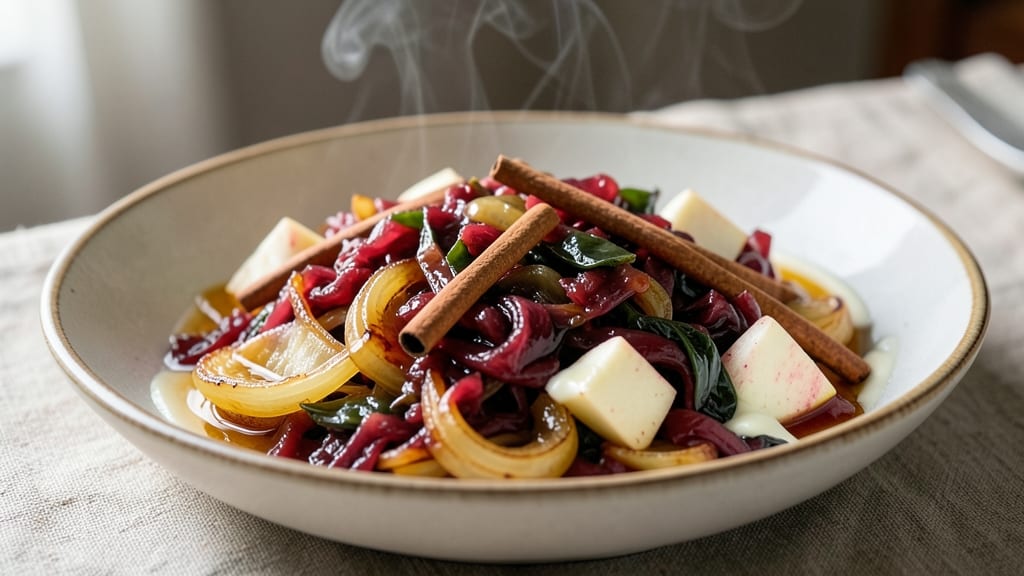
This apple cider sauerkraut recipe transforms tangy fermented cabbage into a sweet-spiced autumnal side that pairs perfectly with roasted meats. The secret lies in balancing the natural acidity of sauerkraut with warm apple cider, cinnamon, and a touch of honey—creating a dish that’s both complex and comforting.
What makes this recipe special is how simple ingredients elevate into something restaurant-worthy, with just 20 minutes of active prep and a flavor profile that sings of fall.
The process starts with sautéing onions until golden, then deglazing the pan with apple cider to create a fragrant base. Tossing in sauerkraut, apples, and spices transforms the dish into a harmonious blend of textures—crisp apples, tender cabbage, and a glossy, slightly sticky glaze.
The result is a side that’s vibrant, aromatic, and packed with depth, making it a standout for holiday tables or weeknight dinners alike.
By the time you’re done, you’ll have a dish that’s crunchy, caramelized, and subtly sweet, with a warmth from the spices that lingers on your palate. It’s the kind of recipe that feels indulgent but remains approachable, perfect for cooks who want to impress without fuss.
Serve it alongside roasted pork, turkey, or even as a topping for sandwiches—this sauerkraut is versatile enough to shine in any meal.
One of the best parts? The flavors only get better as it sits, allowing the spices to meld and the sweetness to develop. This makes it ideal for meal prep—make a batch ahead and let the taste evolve. Here’s how to bring it all together seamlessly.
Ingredients for apple cider sauerkraut
Simple ingredients that transform into a restaurant-worthy autumnal side dish.
| Ingredient | Amount | Notes |
|---|---|---|
| Yellow Onion 🧅 | 1 medium | Thinly sliced for even cooking |
| Unsalted Butter 🧈 | 2 tbsp | Full-fat for best flavor |
| Apple Cider 🍎 | ½ cup | Unfiltered for deeper flavor |
| Sauerkraut 🥬 | 4 cups | Drained and rinsed if too sour |
| Granny Smith Apples 🍏 | 1 medium | Peeled and diced into small pieces |
| Cinnamon Sticks 🌿 | 2 whole | For infusing warmth |
| Honey 🍯 | 1 tbsp | Wildflower preferred for depth |
| Ground Cinnamon 🌶️ | ½ tsp | Freshly ground for best aroma |
| Ground Cloves 🌿 | ¼ tsp | Lightly toasted for warmth |
| Salt 🧂 | ½ tsp | Kosher or sea salt |
| Black Peppercorns 🌶️ | ¼ tsp | Freshly cracked for texture |
| Fresh Parsley 🌿 | 0.1 cup | Chopped for garnish |
The sauerkraut is the heart of this dish, so look for jars with plenty of liquid—that means fresh, tangy flavor. Trader Joe's and Whole Foods usually carry the best quality, but any reputable grocery store will have it. If your sauerkraut is too sour, rinse it under cold water to mellow the flavor. For the apples, Granny Smiths are ideal—their tartness balances the sweetness perfectly, but Fuji or Honeycrisp work too. The cinnamon sticks are a game-changer; they infuse the cider with warmth without overpowering the dish. If you can't find them, cinnamon chips will do in a pinch, but they won't infuse as well.
No apple cider? Substitute with a mix of apple juice and a splash of vinegar—it won't be identical, but it'll get you close. The honey is essential for that subtle sweetness, but maple syrup works in a bind. If you're avoiding refined sugar, date syrup is a great alternative. The spices are what make this dish sing, so don't skip them. If you're sensitive to cloves, reduce to a pinch or omit entirely. For the parsley, fresh is ideal, but dried works at one-third the amount. The butter adds richness, but if you're watching fat, olive oil works just as well—just don't skip it entirely.
This dish tastes even better the next day as the flavors meld together. Store leftovers in an airtight container in the fridge for up to 5 days, or freeze for 3 months. The sauerkraut will soften slightly over time, but the flavors deepen beautifully. I like to make a big batch and use it as a topping for sandwiches or alongside roasted meats—it's that versatile. If you're prepping ahead, make the sauce separately and toss it with the sauerkraut just before serving to keep it crisp.
Why You'll Love This Recipe
- Five-Ingredient Magic: I swear by this recipe—just sauté onions, toss in apples and cider, then fold in sauerkraut. No fancy techniques, no measuring cups of confusion. Honestly, I’ve made it while chatting on the phone, and it still comes out ridiculously good.
- Caramelized Crunch: That crisp-tender Granny Smith meets tangy sauerkraut? It’s like autumn in your mouth. The apple cider reduces into a glossy, slightly sweet glaze that clings to the kraut—salty, sweet, and just a little funky. (Yes, even on a Tuesday night.)
- Game for Any Meal: Slather it on roasted chicken, stir it into mashed potatoes, or pile it onto a grilled cheese. I’ve even used it as a topping for baked fish. It’s the kind of side that turns “meh” dinners into “oh wow” moments without trying too hard.
- Leftovers That Beg for More: This stuff tastes better the next day—like the flavors married overnight. I keep a jar in the fridge for quick lunches or last-minute sandwich upgrades. And between us? It’s cheaper than takeout, but way more impressive.
Step-by-step instructions for apple cider sauerkraut
This warm, spiced slaw combines tangy fermented cabbage with sweet apples and aromatic spices.
Sauté the Onion and Spices
Melt the 2 tbsp unsalted butter in a large skillet over medium heat. Add the 1 medium yellow onion, sliced thinly, and cook for 5-6 minutes until softened and beginning to caramelize at the edges. This creates a sweet, golden base for your slaw.
Add the 2 whole cinnamon sticks, 0.5 tsp ground cinnamon, 0.25 tsp ground cloves, 0.5 tsp salt, and 0.25 tsp black peppercorns to the skillet. Stir for 30 seconds until fragrant—you should smell warm, spicy notes that will infuse the entire dish. The spices will gently toast in the butter, deepening their flavor without burning.
Cook the Apples and Sauerkraut
Add the 1 medium granny smith apples, peeled and diced into small pieces, to the skillet. Cook for 3-4 minutes until the apples soften slightly but still retain their shape. Their bright acidity will balance the tangy sauerkraut perfectly.
Next, stir in the 4 cups sauerkraut, drained if too wet. Cook for another 4-5 minutes on medium-low heat, stirring occasionally. The sauerkraut will release its liquid, creating a flavorful broth that coats everything. Taste occasionally—you want the flavors to meld without overcooking the cabbage, which can turn mushy.
Simmer with Apple Cider and Honey
Pour in the 0.5 cup apple cider and 1 tbsp honey, then bring the mixture to a gentle simmer. Reduce heat to low and let it cook for 5-6 minutes, stirring occasionally. The cider will reduce slightly, intensifying its flavor and creating a glossy sauce that clings to the slaw. You'll know it's ready when the mixture thickens just enough to coat the back of a spoon.
Here's the thing—don't rush this step. The slow simmer allows the spices to fully infuse and the flavors to marry. If the mixture looks too thick, add 1-2 tablespoons of water to loosen it slightly. The goal is a balanced texture that's neither too dry nor too watery.
Finish and Garnish
Remove the skillet from heat and let it sit for 2 minutes to cool slightly. Stir in the 0.1 cup chopped fresh parsley, which adds a bright, fresh contrast to the warm, spiced slaw. The parsley also provides a visual pop of green that makes the dish look even more inviting.
Taste and adjust seasoning if needed—you might want to add a pinch more salt or a drizzle of honey to suit your preference. Serve immediately while warm, or let it cool to room temperature for a slightly different texture. This slaw pairs beautifully with roasted meats, grilled fish, or even as a side to hearty autumn soups.
Pro Tips For Making Apple Cider Sauerkraut
- Drain, Rinse, Repeat: Your sauerkraut’s brine is salty—don’t ignore it. Rinse the kraut in a colander under cold water for 30 seconds to cut excess salt, especially if you’re using unsalted butter. Trust me, the flavor balance will thank you later.
- Sear Onions Low and Slow: I used to blast the onions on high heat, and they’d turn bitter before caramelizing. Instead, cook them over medium-low for 8–10 minutes, stirring often, until they’re deep golden and almost jammy. Patience here makes the whole dish sing.
- Core Apples Like a Pro: Skip the messy knife work—use an apple corer or melon baller to remove the core in one clean pull. For Granny Smiths, cut them into ¼-inch slices so they soften evenly without turning to mush. (Yes, your hands will be less sticky.)
- Reduce Cider to Thickness: Don’t just dump apple cider in and call it done. Simmer it uncovered for 3–4 minutes until it reduces by about a third—this concentrates the sweetness and thickens the sauce just enough to coat the kraut. It’s the difference between soggy and perfect.
Regional styles of this apple cider sauerkraut
German Autumn Twist
In Germany, this dish would be elevated with smoked bacon and caramelized apples—think of it as a cross between sauerkraut and Apfelkuchen. Start by cooking 4 oz thick-cut bacon until crispy, then remove and chop it into ½-inch pieces.
Use the bacon fat to sauté the onions instead of butter, and add the bacon back in during the final 2 minutes of cooking. The smokiness cuts through the tanginess beautifully, making it a heartier side for pork or duck. 🌟
Southern U.S. Sweet Heat
Down South, this recipe gets a kick with hot honey and crispy fried shallots. Swap the honey for 2 tbsp hot honey (like Chimney Honey from Penzeys) and finish with ¼ cup fried shallots for crunch.
The heat from the honey balances the cool tang of the sauerkraut, while the shallots add a nutty depth. Serve it alongside smoked brisket or fried chicken for a true Southern showstopper. 🔥
Scandinavian Fermented Crunch
Nordic cooks often serve sauerkraut with lingonberries and dill, creating a bright, tangy contrast. After cooking the sauerkraut, stir in ¼ cup fresh lingonberries (or cranberries in a pinch) and 1 tbsp chopped fresh dill.
The berries add a sharp sweetness, while the dill brightens the dish. Top with crumbled feta cheese for a salty finish. This version pairs perfectly with roasted root vegetables or grilled salmon. ✨
French Apple Cider Vinaigrette
In France, this dish might be served as a warm salad with a Dijon mustard vinaigrette. After cooking the sauerkraut, toss it with 2 tbsp apple cider vinegar, 1 tsp Dijon mustard, 1 tbsp olive oil, and a pinch of salt.
The mustard adds a subtle depth that complements the apple cider, while the vinegar enhances the tang. Serve it with roasted chicken or as a topping for goat cheese crostini**. The French would call it Choucroute à la Cidre—a far cry from the traditional cabbage but equally delicious. 🍷
Japanese Miso-Glazed Version
For a fusion twist, swap the honey for 1 tbsp white miso paste and add 1 tsp grated ginger. Cook the sauerkraut as usual, then stir in the miso and ginger during the final 3 minutes.
The umami from the miso deepens the flavor, while the ginger adds a zesty kick. Finish with sesame seeds and a drizzle of tahini for a dish that’s both comforting and unexpected. This version shines alongside teriyaki-glazed meats or in onigiri rice balls. 🌿
Nutrition facts
Frequently asked questions
Can I use store-bought sauerkraut for this recipe?
Yes! Store-bought sauerkraut works perfectly—just check the jar for plenty of liquid, which means fresher flavor. If it's too sour, rinse it under cold water first. Look for brands with minimal additives like Trader Joe's or Bubbies for the best quality. The key is using sauerkraut with a good balance of tang and crunch.
How do I adjust this recipe for a vegetarian meal?
This recipe is already vegetarian, but you can enhance it with smoked paprika or liquid smoke for depth. For extra protein, stir in ½ cup cooked lentils or crumbled tofu during the final 2 minutes of cooking. The sweet-tangy flavors still shine without meat—perfect for plant-based dinners!
Can I make this ahead of time?
This dish tastes even better the next day as the flavors meld. Store leftovers in an airtight container in the fridge for up to 5 days. Reheat gently in a skillet with a splash of water to restore moisture. For meal prep, cook the sauce separately and toss it with the sauerkraut just before serving to keep it crisp.
What if I don't have apple cider?
No problem! Use ½ cup apple juice plus 1 tsp apple cider vinegar for a similar sweet-tangy balance. For extra depth, add ½ tsp vanilla extract to mimic the cider's complexity. The dish will still be delicious, though the flavor profile will be slightly milder.
Why does my sauerkraut turn mushy?
Overcooking is the most common cause. Sauerkraut softens quickly, so cook it on medium-low heat for just 4-5 minutes after adding it to the pan. Stir occasionally and remove from heat as soon as it's heated through. If it's already too soft, serve it as a warm sauce over grilled meats or toasted bread instead.