
Beverages
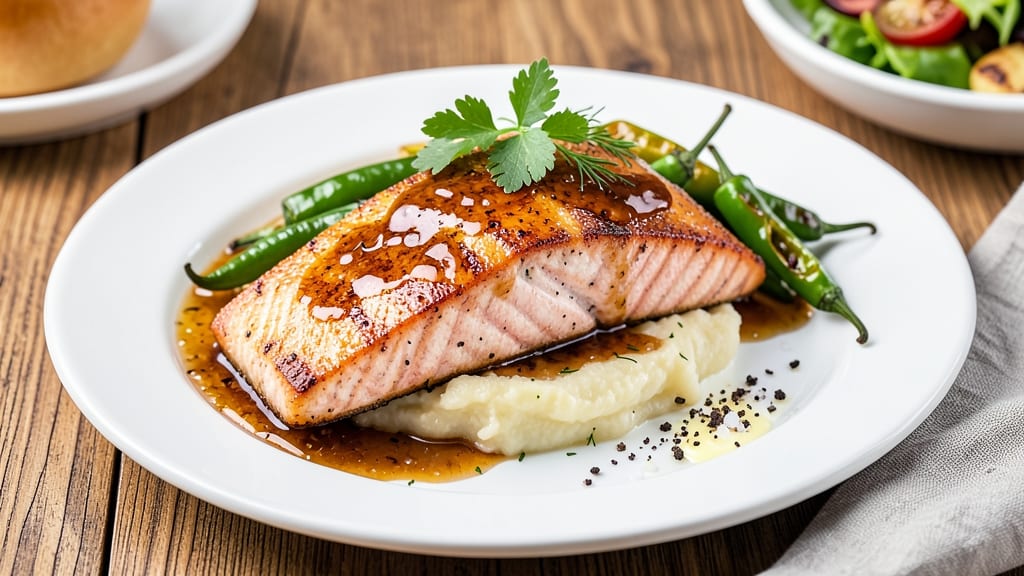
This apple cider vinegar salmon recipe transforms simple pan-searing into a restaurant-worthy dish with just five ingredients and 15 minutes of hands-on time. The secret lies in a bright, tangy glaze that caramelizes beautifully while keeping the salmon's center flaky and moist—no overcooking required.
I developed this technique after years of struggling with dry, rubbery salmon, and the vinegar's acidity does double duty: tenderizing the fish while adding depth that cuts through richness.
The magic happens in two simple steps: first, searing the salmon skin-side down until golden and crispy, then basting with a warm apple cider vinegar reduction that clings to every flake. This method ensures perfect texture every time—no guessing about doneness or worrying about dryness.
The vinegar also balances the salmon's natural oils, creating a harmonious bite that's neither too sweet nor too sharp.
What you'll end up with is golden, crisp-edged salmon with tender centers that melt at the first bite, all coated in a glossy, tangy glaze. The aroma alone will have everyone gathering at the table, and the contrast of textures—crisp skin, flaky flesh, and glossy sauce—makes this dish unforgettable.
Serve with roasted asparagus or a simple quinoa salad to round out the meal.
This recipe scales beautifully for weeknight dinners or special occasions, and leftovers reheat perfectly when gently warmed. The apple cider vinegar glaze also works as a marinade for chicken or pork if you want to repurpose the technique.
Let's get cooking—your taste buds will thank you for this game-changing upgrade to salmon night.
Ingredients for apple cider vinegar salmon
Five ingredients transform simple salmon into a restaurant-quality centerpiece with crisp edges and flaky centers.
| Ingredient | Amount | Notes |
|---|---|---|
| Center-Cut Salmon Fillets 🐟 | 4 pieces | Skin-on, 6-8 oz each, even thickness |
| Apple Cider Vinegar 🍏 | ½ cup | Raw, unfiltered preferred for depth |
| Unsalted Butter 🧈 | 4 tbsp | European-style for higher smoke point |
| Granulated Sugar 🍚 | 1 tbsp | Light brown sugar for caramel notes |
| Kosher Salt 🧂 | 1 ½ tsp | Diamond Crystal preferred for purity |
| Freshly Ground Black Pepper 🌶️ | ½ tsp | Cracked peppercorns for intensity |
| Avocado Oil 🫒 | 1 tbsp | High smoke point for searing |
| Fresh Thyme Leaves 🌿 | ¼ cup | Stripped from 2 sprigs, optional garnish |
| Lemon Zest 🍋 | 1 tsp | Brightens the vinegar reduction |
The salmon fillets are non-negotiable—center-cut guarantees the best texture, and skin-on ensures that signature crisp. Look for fillets with even thickness (about 1-inch) at Whole Foods or your fishmonger, as they'll cook more uniformly. The skin should be intact with no tears, and the flesh should be vibrant orange-pink, not grayish. If you can't find center-cut, trim any pin bones and pat the fillets dry with paper towels before cooking. The vinegar should be raw and unfiltered—Bragg or Texas Pete work well, but avoid pasteurized versions that lack depth.
No apple cider vinegar? White wine vinegar or rice vinegar will work in a pinch, though the flavor profile will be slightly different. Substituting butter with avocado oil or ghee maintains the high smoke point needed for searing. For the sugar, honey or maple syrup can replace it one-to-one, though the caramelization won't be identical. The thyme is optional but adds a lovely herbal note—dried thyme at one-third the amount works if fresh isn't available. If you're using frozen salmon, thaw it in the fridge overnight and pat it completely dry before cooking to ensure crisp skin.
Store any unused vinegar in a dark glass bottle in a cool pantry for up to 1 year, though the reduction in this recipe uses such a small amount it'll likely be finished in one sitting. The salmon should be cooked immediately after purchasing for peak freshness, but if you must prep ahead, store the fillets in the coldest part of your fridge, wrapped in parchment paper, for up to 2 days. The glaze can be made ahead and reheated gently—simply warm it in a small saucepan over low heat, stirring occasionally, until just warmed through. This dish reheats beautifully, though the skin may lose some crispness; serve immediately after reheating for the best texture.
Why You'll Love This Recipe
- Five-Ingredient Magic: The pantry already has these—no fancy shopping. Butter, vinegar, sugar, salt, and salmon? That’s it. I swear, my grocery list gets shorter every time I make this.
- Sweet-Tart Crisp: That glaze? Chef’s kiss. The apple cider vinegar cuts through the richness while the sugar caramelizes into a sticky, slightly crisp shell—like a cross between a glaze and a glaze’s cooler cousin. My kids fight over the last bite.
- Weeknight to Dinner Party: Same recipe, different vibes. Slap it on a sheet pan for a lazy Tuesday, or plate it with roasted asparagus and crusty bread for a date night that feels fancy. Honestly, it’s my secret weapon for looking like I tried.
- Leftovers That Don’t Suck: Overcooked salmon? Not here. The glaze keeps it moist, and the flavor only gets better the next day. I’ll pack it for lunch or reheat it in butter for breakfast—yes, even on a Tuesday. (Pro tip: add a squeeze of lemon to revive it.)
Step-by-step instructions for pan-seared salmon with apple cider vinegar glaze
A perfect balance of crispy skin and delicate salmon—this method delivers restaurant-quality results at home.
Prepare the Vinegar Reduction
In a small saucepan, combine the 0.5 cup apple cider vinegar, 1 tbsp granulated sugar, and 1 tsp lemon zest. Bring to a gentle simmer over medium heat, then reduce to low and let cook uncovered for 8-10 minutes until the liquid reduces by half and becomes syrupy. You'll notice the aroma deepen as the vinegar mellows and caramelizes slightly.
Stir occasionally to prevent scorching, and taste occasionally to monitor sweetness. The reduction should coat the back of a spoon with a glossy, tangy consistency—this is your glaze's foundation. Remove from heat and set aside, then stir in 0.25 cup fresh thyme leaves to infuse flavor. Let the thyme steep for 5 minutes before straining if you prefer a smoother finish.
Season and Sear the Salmon
Pat the 4 pieces center-cut salmon fillets completely dry with paper towels—this ensures maximum crispiness. Season both sides generously with 1.5 tsp kosher salt and 0.5 tsp freshly ground black pepper, pressing the salt into the flesh to adhere evenly. Let the fillets sit at room temperature for 10 minutes while you prepare the pan.
Heat a large skillet over medium-high heat until very hot. Add 1 tbsp avocado oil and swirl to coat evenly. Place the salmon fillets skin-side down in the pan—don't crowd them. Sear undisturbed for 4-5 minutes until the skin turns deep golden brown and crispy. You'll hear a distinct sizzle and see the edges curl slightly at the edges.
Finish Cooking and Glaze
Carefully flip each fillet using a thin spatula and cook for another 3-4 minutes on the other side until the salmon reaches 130°F internally (it will rise to 140°F while resting). The flesh should appear opaque and flake easily with a fork. Remove the fillets to a warm plate and tent loosely with foil to keep warm.
Return the skillet to medium heat and add 4 tbsp unsalted butter. Let it melt completely, then pour in the reserved vinegar reduction. Simmer for 1-2 minutes until the butter emulsifies into a glossy sauce. Taste and adjust seasoning with additional salt or pepper if needed.
Plate and Serve Immediately
Drizzle the warm vinegar-butter sauce evenly over the salmon fillets, allowing it to cascade down the sides for visual appeal. The contrast of crispy skin against the tender, flaky centers should be evident—each bite should deliver both textures simultaneously.
Garnish with a sprinkle of fresh thyme leaves for aroma and presentation. Serve immediately with complementary sides like roasted asparagus or a simple arugula salad to balance the richness. The acidity from the vinegar glaze cuts through the salmon's fat, creating a harmonious flavor profile.
Pro Tips For Making Apple Cider Vinegar Salmon
- Pat Dry First: Wet salmon steaks won’t brown worth a damn. Grab paper towels and press hard—no half-measures. The butter won’t stick properly, and you’ll end up with sad, steamed fish instead of a caramelized crust.
- Start Butter Cold: I used to melt the butter first, thinking it’d be easier. Wrong. Cold butter creates a better glaze when it hits the hot pan—it sizzles, emulsifies with the vinegar, and coats the salmon in that golden, tangy sheen. Trust me, don’t skip this.
- Don’t Overcrowd the Pan: Two fillets max per pan. Any more, and the salmon will steam instead of sear. You’ll lose that crispy edge, and the vinegar glaze will turn into a sad, watery sauce. Crowding is the fastest way to ruin this dish.
- Deglaze Aggressively: After removing the salmon, scrape the pan like you mean it—vinegar residue is flavor gold. Add a splash of water or broth, scrape again, and reduce it down. That’s where the depth of flavor hides, not in the salmon itself.
Make-ahead tips for this dish
Prep Ahead Glaze
The vinegar reduction can be made up to 3 days in advance and stored in an airtight container in the refrigerator. Reheat gently in a small saucepan over low heat until just warmed through—about 2-3 minutes.
Stir occasionally to prevent scorching. I like to make a double batch so I always have it ready for quick weeknight dinners. 💫
Salmon Prep
Pat the salmon fillets completely dry with paper towels and store them in the fridge, wrapped in parchment paper, for up to 2 days. This keeps them fresh and ready to cook without drying out.
Let them sit at room temperature for 10 minutes before cooking to ensure even searing. I often prep the salmon the night before so I can focus on sides in the morning.
Partial Cooking
You can sear the salmon skin-side down ahead of time, then finish cooking it just before serving. Sear the salmon as directed, then transfer it to an airtight container and refrigerate.
When ready to serve, flip the fillets and cook for 3-4 minutes on the other side. This method works great for dinner parties—just keep the salmon chilled until the last minute.
Make-Ahead Sides
Prepare sides like roasted asparagus or quinoa salad in advance—they reheat beautifully and pair perfectly with this dish. Store them in separate airtight containers in the fridge for up to 4 days.
I like to roast a big batch of asparagus on Sunday so it's ready for quick weeknight meals. Warm them gently in the oven or microwave before serving.
Reheating Leftovers
Leftover salmon reheats best in a skillet over low heat for 2-3 minutes per side. Add a splash of water or broth to prevent drying out. The skin may lose some crispness, but the flavor remains rich and delicious.
I always save leftovers for lunches or salads—the glaze adds a tangy kick to any dish. Store leftovers in an airtight container for up to 2 days.
Freezer-Friendly
For longer storage, freeze the cooked salmon in a single layer on a tray before transferring to a freezer bag. It keeps for up to 2 months. Thaw overnight in the fridge, then reheat gently in a skillet.
The texture won't be quite as crisp, but the flavor stays intact. I use this trick for meal prep—just grab and reheat whenever I need a quick protein boost. ❄️
Nutrition facts
Frequently asked questions
Can I use skinless salmon for this recipe?
The crispy skin is what makes this dish special, but you can absolutely use skinless fillets! For best results, press a thin slice of bacon or a piece of parchment paper onto the top of the salmon while searing to mimic the texture. The vinegar glaze will still shine, though the contrast of textures will be less dramatic.
What if I don't have apple cider vinegar?
White wine vinegar or rice vinegar work well as substitutes—they'll still provide the tangy brightness. For deeper flavor, use 1 tbsp honey or maple syrup with the vinegar to mimic the caramel notes. Avoid balsamic vinegar, as it's too sweet and overpowering. The recipe will still turn out delicious!
How do I know when the salmon is fully cooked?
Use a meat thermometer to check for doneness—salmon is perfectly cooked at 130°F internally (it will rise to 140°F while resting). The flesh should appear opaque and flake easily with a fork. If you don't have a thermometer, look for a golden-brown skin and 3-4 minutes of cooking time after flipping for 6-8 oz fillets.
Can I bake this salmon instead of pan-searing?
Yes, but the texture will differ—baked salmon won't get as crispy. Preheat your oven to 400°F, place the salmon on a parchment-lined tray, and bake for 12-15 minutes (skin-side up). Brush with the vinegar glaze halfway through, then broil for 2 minutes at the end for color. The glaze works beautifully as a marinade too!
Why does my vinegar glaze look too thin?
If the reduction isn't syrupy enough, simmer it uncovered for another 3-5 minutes until it thickens. For extra richness, whisk in 1 tbsp cold butter at the end to emulsify. Avoid high heat—it can cause scorching. The glaze should coat the back of a spoon smoothly.