
Beverages
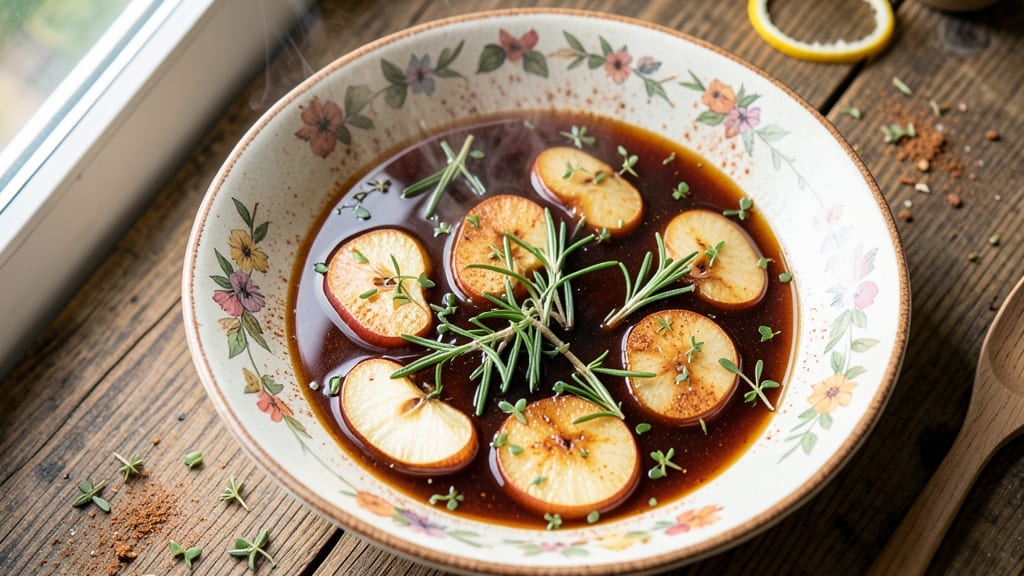
This apple cider marinade recipe transforms ordinary proteins into fall-inspired masterpieces with just a few pantry staples. The deep, caramelized notes of apple cider blend seamlessly with warm spices like cinnamon and cloves, creating a marinade that’s as versatile as it is aromatic.
Perfect for pork chops, chicken thighs, or even tofu, this recipe delivers restaurant-quality depth with minimal effort.
What sets this marinade apart is its ability to infuse flavor while remaining balanced—sweet without being cloying, tangy without overpowering. The combination of apple cider vinegar and brown sugar creates a caramelized crust when seared, while fresh herbs like rosemary and thyme add brightness.
Store it in the fridge for up to a week, making it ideal for meal prep or last-minute feasts.
The result? Juicy, tender meat with a glossy, caramelized exterior and layers of autumnal warmth in every bite. Whether you’re hosting a holiday gathering or simply craving a cozy weeknight dinner, this marinade elevates simple proteins into something extraordinary.
Ready in just 10 minutes to mix, it’s a foolproof way to add depth to your dishes.
Use it for 4–12 hours of marination, depending on your protein—longer for tougher cuts like pork shoulder, shorter for delicate fish or tofu. The possibilities are endless, from roasted chicken to glazed vegetables. Let’s get started!
Ingredients for apple cider marinade
Nine simple ingredients blend into a fall-inspired marinade that transforms ordinary proteins into extraordinary dishes.
| Ingredient | Amount | Notes |
|---|---|---|
| Apple Cider 🍎 | 1 cup | Unfiltered for deeper flavor |
| Apple Cider Vinegar 🍏 | ½ cup | Bragg or similar brand preferred |
| Brown Sugar 🍚 | ½ cup | Light or dark variety works |
| Fresh Rosemary 🌿 | ¼ cup | Finely chopped stems included |
| Fresh Thyme 🌿 | ¼ cup | Leaves only, no woody stems |
| Ground Cinnamon 🌶️ | 1 tbsp | Freshly ground for best aroma |
| Ground Cloves 🌶️ | ½ tsp | Whole cloves crushed preferred |
| Salt 🧂 | 1 ½ tsp | Diamond Crystal kosher salt |
| Black Peppercorns 🌶️ | ½ tsp | Freshly cracked for intensity |
| Extra-Virgin Olive Oil 🫒 | ¼ cup | High-quality, fruity variety |
The apple cider and vinegar are the heart of this marinade—Bragg or Mott's are my go-tos, but any unfiltered brand works. Look for deep amber color and no added sugar. The brown sugar caramelizes beautifully when seared, so don't skip it. For the herbs, Trader Joe's often has the freshest rosemary and thyme, but even grocery store bundles work if they're bright green. The spices? Penzeys for whole cloves, but regular grocery store ground cinnamon is fine for everyday use. Freshly cracked peppercorns make a huge difference—just pulse them in a spice grinder for 10 seconds.
No apple cider vinegar? White vinegar plus 1 tbsp extra brown sugar gets you close. Short on fresh herbs? Dried thyme at one-third the amount works, but rosemary's piney flavor is harder to replicate. The olive oil matters—use something you'd drizzle on bread, not the cheap stuff. For a sweeter marinade, add 1 tbsp maple syrup. Want more tang? Swap half the apple cider for lemon juice. And if you're using this on delicate fish, reduce the cloves to 1/4 tsp—they can be overpowering.
This marinade keeps for up to 1 week in the fridge, but the flavors actually deepen after 24 hours. I like to make a big batch and store it in a glass jar with a tight lid. For best results, let proteins marinate 4-12 hours—longer for tough cuts like pork shoulder, shorter for fish. The leftover marinade? Simmer it down to make a quick pan sauce—just reduce by half on the stove.
Why You'll Love This Recipe
- Here’s the secret: this marinade improves after sitting. Double the batch, store it in the fridge, and use it over three meals. The flavors meld into something richer, and it’s way cheaper than buying pre-made sauces. My freezer’s always stocked.
- Foolproof Mixing: I swear, this marinade comes together in one bowl—no fancy steps. Just warm the apple cider with vinegar and sugar until it dissolves, then toss in the rosemary and thyme. The herbs steep right in, so you’re not even chopping.
- Sweet-Tart Magic: That balance of brown sugar’s caramel depth and vinegar’s tang? It’s like autumn in a bottle. The rosemary adds piney brightness, while the thyme keeps it cozy—perfect for anything from pork chops to roasted veggies.
- Weeknight to Holiday: Between us, this marinade works for everything. Slather it on chicken for dinner, use it in a slow-cooker pork shoulder for potlucks, or even drizzle it on baked beans for Thanksgiving. I’ve even used it to glaze roasted carrots—yes, really.
Step-by-step instructions for apple cider marinade
This marinade transforms ordinary proteins into fall festival-worthy centerpieces with rich, aromatic depth.
Combine Wet Ingredients for Flavor Foundation
In a medium bowl, whisk together the 1 cup apple cider and 0.5 cup apple cider vinegar until fully blended. The vinegar helps tenderize while the cider brings that signature autumnal sweetness. I like to use a fork for this step—it creates gentle air incorporation that helps distribute flavors more evenly later.
Next, add the 0.5 cup brown sugar and stir until completely dissolved. This is where the magic begins—the sugar caramelizes slightly during marinating, creating a beautiful glaze on meats. If you're using dark brown sugar, you'll notice it dissolves more slowly, so give it a few extra seconds of whisking to ensure no gritty bits remain.
Finally, pour in the 0.25 cup extra-virgin olive oil while continuing to whisk. The oil acts as an emulsifier, binding all the other ingredients together. You'll see the mixture transform from separate components into a cohesive, aromatic liquid. This is your flavor base—everything else will build upon it.
Incorporate Fresh Herbs and Spices
Add the 0.25 cup fresh rosemary and 0.25 cup fresh thyme to the bowl. I always chop these herbs finely before adding—this ensures maximum surface area for flavor infusion. Use a sharp knife and work in batches if needed to get even, tiny pieces. The stems from the rosemary add subtle bitterness that balances the sweetness beautifully.
Next comes the spice blend: 1 tablespoon ground cinnamon, 0.5 teaspoon ground cloves, 1.5 teaspoons salt, and 0.5 teaspoon black peppercorns. Sprinkle these in while stirring constantly. The cinnamon and cloves give that warm, spiced cider aroma we all love, while the salt and pepper provide essential seasoning balance. Don't skip the freshly cracked peppercorns—pre-ground loses its punch quickly.
Here's the thing—this is where you'll smell the fall in your kitchen. That rich, spiced apple aroma should be intoxicating. If you're using whole cloves, crush them lightly with the back of your knife before adding to release their oils. The mixture should look thick but pourable—like a rich, aromatic syrup.
Marinate Proteins for Maximum Flavor
Transfer the marinade to a resealable plastic bag or shallow dish. For best results, I recommend using a bag—it allows the marinade to completely coat whatever you're seasoning. Add your protein (chicken, pork, beef, or even tofu) and press it gently to ensure even distribution of the marinade.
Seal the bag or cover the dish and refrigerate for at least 4 hours, but I prefer 8 hours to overnight for maximum flavor penetration. The acid in the cider vinegar starts working immediately to tenderize, while the sugar and spices infuse the meat. Real talk: if you're short on time, even 2 hours will give you noticeable improvement over unmarinated meat.
When you're ready to cook, remove the protein and discard the used marinade (never reuse marinade that's been in contact with raw meat). Pat the meat dry with paper towels before cooking—this ensures a better sear. The marinade should have soaked into the meat, giving it that beautiful mahogany color and rich aroma that makes fall meals unforgettable.
Optional Glaze Enhancement (For Extra Richness)
For an extra-special touch, especially when roasting or grilling, reduce the leftover marinade by half. Pour it into a small saucepan and simmer over medium heat for 5-7 minutes until it thickens slightly and coats the back of a spoon. This concentrated glaze caramelizes beautifully on meats, creating that perfect balance of sweet, tangy, and spiced flavors.
Brush this reduced glaze on during the last 10-15 minutes of cooking. You'll see it bubble and darken—this is your signal that it's working. The glaze adds an extra layer of depth that makes your dish look and taste like it came from a professional kitchen. Just be careful not to over-reduce it, or you'll end up with a hard syrup instead of a glossy glaze.
This marinade works wonders on everything from pork tenderloin to chicken thighs, and even makes great grilled vegetables taste like fall arrived early. The key is patience—let those flavors work their magic, and you'll be rewarded with a centerpiece that steals the show at any gathering.
Pro Tips For Making Apple Cider Marinade
- Simmer the Vinegar First: I learned this the hard way—adding raw apple cider vinegar straight to hot marinade makes it smell like a science lab exploded. Warm it gently (just 2-3 minutes) first, then mix in the cider and sugar. The aroma will be rich and balanced, not harsh.
- Use Dry Herbs: Fresh rosemary and thyme lose their punch when submerged in liquid for more than 12 hours. Tuck whole sprigs into meat or veggies after marinating, or chop them fine and add them last-minute (1-2 hours max). Your dish will taste vibrant, not muddy.
- Balance the Sugar Early: Brown sugar clumps like a stubborn guest when added to cold liquids. Whisk it into warm cider first, then stir in the vinegar—this dissolves it smoothly. If your marinade looks grainy, strain it before using. Nobody wants sugar grit in their bite.
- Marinate Cold, Not Hot: Hot marinade cooks the outside of meat before it penetrates, leaving you with a sad, rubbery texture. Always let it cool completely (30-45 minutes) before submerging. Patience here means juicier results—trust me, your pulled pork will thank you.
Essential equipment for this dish
Marinating Essentials
Your go-to tools start with a quart-sized resealable plastic bag—I use Hefty brand because they’re affordable and durable. For larger cuts like pork shoulder, opt for a large glass baking dish instead. The key is maximizing surface area contact between the marinade and protein.
A sharp chef’s knife and cutting board are essential for prepping herbs and proteins efficiently. I also recommend a measuring cup set for precise ingredient ratios, especially when scaling up or down. 🔪
Storage Containers
For storing leftover marinade, I swear by glass mason jars with airtight lids—they’re non-reactive and keep flavors fresh for up to 7 days. The 16-ounce size works perfectly for most households. If you prefer plastic, Silicone Labs containers are dishwasher-safe and won’t absorb odors.
Always label your containers with the date and contents—trust me, you’ll thank yourself later when you’re rummaging through the fridge in a hurry. ❄️
Measuring Tools
A digital kitchen scale (like the OXO Good Grips) is my secret weapon for precise spice measurements, especially when working with small amounts like ½ teaspoon cloves. For liquids, a medicine dropper helps when adding just a splash of extra-virgin olive oil for finishing touches.
Don’t skimp on quality—Weck jars with their tight seals are worth the investment if you plan to make this marinade regularly. The difference in flavor retention is noticeable. 💡
Optional Upgrades
For the ultimate setup, a immersion blender (like the Ninja) lets you blend herbs directly into the marinade for ultra-fine texture. I also keep a fine-mesh strainer handy if I want to remove herb stems before using the marinade on delicate proteins like fish.
A spice grinder ensures your peppercorns and cloves stay fresh and potent—pre-ground spices just can’t compare. These tools might seem like luxuries, but they elevate your marinade from good to restaurant-quality. 🌟
Budget-Friendly Swaps
No fancy tools? No problem! A whisk works perfectly for combining ingredients, and a spoon can measure liquids in a pinch. Use small glass jars with screw-on lids for storage—just make sure they’re clean and dry first.
For herbs, a mortar and pestle crushes cloves and peppercorns effectively if you don’t have a grinder. The most important tool? Your time—letting the marinade work its magic is what makes the difference, not expensive gadgets. 💪
Nutrition facts
Frequently asked questions
Can I use this apple cider marinade on vegetables?
This marinade works beautifully on roasted or grilled vegetables like Brussels sprouts, carrots, or sweet potatoes. Just reduce the marinating time to 30-60 minutes since vegetables don't need as much time to absorb flavor. The caramelized crust from the brown sugar will add amazing depth to your veggies.
How do I adjust the sweetness level?
For a less sweet version, reduce the brown sugar to 0.25 cup or swap half for maple syrup. For extra sweetness, add 1 tbsp honey or molasses. The apple cider vinegar balances the sweetness, so don't reduce it too much or the flavor will become unbalanced.
Can I make this marinade without fresh herbs?
Yes! Use 1 tbsp dried rosemary and 1 tbsp dried thyme instead of fresh. The flavor will be slightly less vibrant, but still delicious. For a stronger herb flavor, add 1 tsp dried oregano as well. The key is to use about one-third the amount of dried herbs compared to fresh.
What's the best way to store leftover marinade?
Transfer any unused marinade to an airtight glass container and refrigerate for up to 7 days. The flavors actually improve over time! If you notice any changes in smell or color, it's best to discard it. For freezing, portion into ice cube trays and freeze for up to 3 months.
Can I use this marinade on seafood?
It works well with mild fish like tilapia or cod, but reduce the cloves to 1/4 tsp to avoid overpowering flavors. For delicate seafood, marinate for only 30-60 minutes to prevent the acid from cooking the fish. The apple cider's sweetness pairs beautifully with white fish and shrimp.