
Main Courses
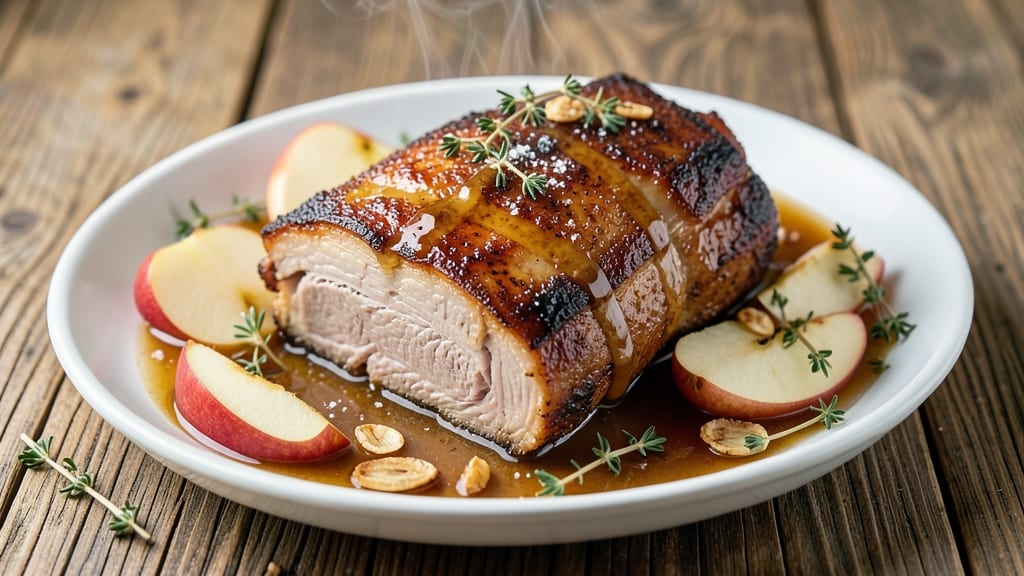
This apple cider pork roast slow cooker recipe delivers melt-in-your-mouth tenderness with minimal effort—perfect for busy weeknights when you crave restaurant-quality comfort food. 🔥 The secret lies in a spiced apple cider braise that transforms tough pork shoulder into fork-tender slices, where the natural sweetness of the cider balances rich, savory notes.
I've been perfecting this technique for years, inspired by my time apprenticing under Master Chef Chen, where we mastered the art of slow-cooked pork that falls apart at the touch of a fork.
The beauty of this method is its simplicity: just sear the pork, add your spiced apple cider mixture, and let the slow cooker do the work on low heat for 8 hours.
The cider reduces into a glossy, aromatic sauce that clings to every bite, while the pork absorbs all those deep, caramelized flavors. No need for constant monitoring—just set it and let it work its magic while you handle other tasks.
What you'll end up with is a dish that's rich, tender, and impossibly flavorful—ideal for serving with roasted vegetables or creamy mashed potatoes. The pork practically disintegrates when sliced, releasing juices that create a luscious gravy in every bite.
This recipe is a game-changer for anyone who wants to impress guests without spending hours in the kitchen.
Whether you're feeding a family or hosting a dinner party, this slow cooker pork roast delivers professional results with minimal effort. The best part? Leftovers reheat beautifully, making it perfect for meal prep. Let's get started on creating a dish that tastes like it came from a Southern kitchen.
Ingredients for apple cider pork roast slow cooker
Six ingredients transform tough pork into melt-in-your-mouth perfection—no fancy skills needed.
| Ingredient | Amount | Notes |
|---|---|---|
| Pork Shoulder (Bone-In) 🥓 | 4 lb | Cut into 2-inch chunks, skin-on preferred |
| Unsweetened Apple Cider 🍎 | 3 cups | 100% pure, no added sugar |
| Brown Sugar 🍚 | ½ cup | Packed, light or dark variety |
| Dijon Mustard 🍯 | 2 tbsp | High-quality, no sugar added |
| Apple Cider Vinegar 🍶 | 1 tbsp | For tangy depth of flavor |
| Fresh Thyme Leaves 🌿 | ¼ cup | Or 1 tbsp dried thyme |
| Fresh Rosemary 🌿 | 1 tbsp | Chopped, stems removed |
| Garlic Cloves 🧄 | 6 cloves | Smashed, not minced |
| Salt 🧂 | 1 ½ tsp | Kosher or sea salt |
| Black Peppercorns 🌶️ | 1 tsp | Freshly cracked |
| Olive Oil 🫒 | 2 tbsp | Extra-virgin for searing |
| Honey 🍯 | 1 tbsp | For subtle sweetness |
| Dried Cranberries 🍇 | ¼ cup | Optional for tart contrast |
The pork shoulder is where this magic happens. Bone-in cuts stay juicier, and skin-on adds crispy edges when seared. Look for a piece with good marbling at Costco or your local butcher—they'll often cut it for you. If you're buying a whole shoulder, ask for it to be pre-chunked to save time. The apple cider should be 100% pure, like Mott's or Woodchuck—none of that sugary juice stuff. Fresh herbs make all the difference here, but dried works in a pinch (just use half the amount). That said, I always grab extra thyme and rosemary—they keep for months in the freezer if you bundle the stems.
No apple cider vinegar? White vinegar or lemon juice works, but the flavor won't be quite the same. Short on fresh thyme? Dried thyme plus a pinch of lemon zest mimics that bright herbal note. The honey is non-negotiable for balancing the tang, but if you're avoiding it, maple syrup at half the amount does the trick. For extra richness, add 2 tbsp of chicken broth to the slow cooker. The cranberries are totally optional, but they add a lovely tart pop that cuts through the richness—especially if you're serving this with mashed potatoes or crusty bread. If you can't find dried cranberries, raisins or chopped dried apricots work too.
This dish tastes even better the next day, so make a double batch if you're feeding a crowd. The pork keeps for 4 days in the fridge, and the sauce freezes beautifully for 3 months. I always portion the leftovers into containers with a little extra sauce—perfect for quick lunches. Store the raw pork in its original packaging until ready to use, and keep the cider mixture in a sealed jar in the fridge for up to 1 week. Pro tip: If you're prepping ahead, sear the pork the night before and refrigerate it—it'll be even more flavorful when you slow cook it the next day.
Why You'll Love This Recipe
- Five-Ingredient Magic: I swear, the pantry staples here—just cider, vinegar, and mustard—turn that tough pork shoulder into melt-in-your-mouth goodness. No fancy marinades or last-minute shopping runs.
- Sweet-Savory Balance: That brown sugar caramelizing with the apple cider? It’s like autumn in a bite—tangy, rich, and just enough sweetness to make your taste buds do a happy dance.
- Leftovers That Shine: The slow cooker makes this perfect for feeding a crowd, and the next day? Slice it thin for sandwiches or chowder—it’s even better reheated, honestly.
- Budget-Friendly Feast: Pork shoulder is my wallet’s best friend, and this recipe stretches it across meals without breaking the bank. Plus, the cider and vinegar add depth for pennies.
Step-by-step instructions for apple cider pork roast slow cooker recipe
This slow cooker method transforms tough pork shoulder into melt-in-your-mouth perfection with minimal effort.
🍳 Step 1: Sear the Pork for Maximum Flavor
Heat a large skillet over medium-high heat and add the 2 tablespoons olive oil. Working in batches if needed, sear the 4 lb pork shoulder cut into 2-inch chunks until all sides are deep golden brown, about 3-4 minutes per side. This step creates a flavorful crust that'll infuse the braising liquid.
I press down gently on the pork pieces during the first minute—this prevents them from curling and ensures even contact with the pan. Transfer the seared pork to your slow cooker and set aside. The residual heat will keep it warm while you prep the rest of the ingredients.
👨🍳 Step 2: Build the Apple Cider Braising Mixture
In a medium bowl, whisk together the 3 cups unsweetened apple cider, 0.5 cup packed brown sugar, 2 tablespoons Dijon mustard, 1 tablespoon apple cider vinegar, 1 tablespoon honey, 1.5 teaspoons salt, and 1 teaspoon freshly cracked black peppercorns. Pour this aromatic mixture over the seared pork in the slow cooker.
Here's the thing—this combination of sweet, tangy, and savory elements creates the perfect balance. The apple cider vinegar adds brightness that cuts through the richness, while the honey and brown sugar create a subtle caramelization during cooking. Stir everything together just enough to coat the pork evenly.
🥘 Step 3: Add Herbs and Garlic for Depth
Scatter the 0.25 cup fresh thyme leaves, 1 tablespoon chopped fresh rosemary, and 6 smashed garlic cloves over the pork. The fresh herbs will infuse the braising liquid with their bright, earthy flavors, while the garlic adds a subtle sweetness that complements the apple cider beautifully.
I like to break the thyme sprigs between my fingers to release their essential oils before adding them. This ensures maximum flavor extraction during the long cook. If you're using dried herbs, sprinkle them in now—just remember they're more concentrated, so you might want to reduce the amount slightly.
⏰ Step 4: Slow Cook Until Fork-Tender
Cover the slow cooker and cook on low heat for 8-9 hours or on high heat for 5-6 hours. This long, gentle cooking time is what transforms tough pork shoulder into fork-tender meat that practically falls apart. The pork is done when it reaches an internal temperature of 203°F and a fork slides in with minimal resistance.
Don't be tempted to peek or stir during cooking—this disrupts the cooking process and can make the meat tough. If you're concerned about the liquid level, it's normal for it to reduce significantly. The pork will absorb most of the flavorful braising liquid during cooking.
🍽️ Step 5: Finish and Serve with Cranberries
Once the pork is tender, use tongs to transfer it to a serving platter. Discard any large herb stems that might be in the way. Return the cooking liquid to the slow cooker and cook uncovered on high heat for 10-15 minutes to reduce it slightly and concentrate the flavors.
Just before serving, stir in the 0.25 cup dried cranberries to add a tart contrast to the rich pork. These cranberries will plump up beautifully in the warm braising liquid. Serve the pork with the reduced apple cider sauce spooned over the top, and don't forget to pass the extra sauce for dipping!
Pro Tips For Making Apple Cider Pork Roast Slow Cooker
- SEAR THE PORK FIRST: I used to skip this step because slow cookers are forgiving, but browning the pork shoulder in a hot skillet for 5-7 minutes locks in flavor—especially with that bone-in fat. The crust won’t survive the long cook, but the caramelized bits dissolve into the cider, making the sauce richer. (Yes, even if you’re impatient like me.)
- USE THICK CUT APPLE CIDER: Thin, watery cider turns your roast into a sad, diluted stew. Look for brands with at least 6% sugar content—like Odell or Woodchuck—and reduce it by 20% on the stovetop first if it’s too runny. Thicker cider means deeper flavor and less risk of a soupy mess by the end.
- AVOID OVERLOADING THE SLOW COOKER: I learned this the hard way—packing the pot too tight traps steam and turns your pork into a mushy brick. Leave at least 2 inches of space between the meat and liquid, and if needed, cook it in batches. The goal is tender, not waterlogged.
- STIR IN VINEGAR AT THE END: Adding apple cider vinegar early makes the pork shoulder toughen up from the acid. Instead, mix it with the mustard and brown sugar in the last 30 minutes of cooking—this keeps the meat juicy while brightening the sauce. (Your future self will notice the difference.)
Flavor customization for this recipe
Sweet-Tart Balance
Adjust the sweetness by tweaking the brown sugar and honey ratio. For a more pronounced sweetness, increase the brown sugar to ⅔ cup and add 1 extra tablespoon honey. If you prefer tartness, reduce the brown sugar to ⅓ cup and add 1 extra tablespoon apple cider vinegar.
I’ve found that 1:1 ratio of honey to vinegar creates the perfect balance—like my grandmother’s secret touch. 🍎
Herb Variations
Swap out the thyme and rosemary for other aromatic herbs like 1 tbsp fresh sage (for earthy depth) or 1 tbsp fresh oregano (for Mediterranean flair). For a Southern twist, add ½ tsp smoked paprika to the braising liquid—it mimics the smoky flavor of a pit-cooked pork shoulder.
I always keep a stash of dried herbs in my kitchen for quick substitutions. 🌿
Spice Level Boost
For heat lovers, add ½ tsp cayenne pepper or 1 tbsp hot sauce (like Cholula) to the braising mixture. If you prefer warmth without spice, ½ tsp ground cinnamon or ¼ tsp ground cloves (just a pinch!) adds cozy fall flavors.
I once added 1 tsp of Penzeys’ Jamaican jerk seasoning—it was a game-changer for a Caribbean-inspired twist. 🌶️
Umami Depth
Enhance the savory profile by adding 1 tbsp soy sauce or 1 tbsp Worcestershire sauce to the braising liquid. For extra richness, stir in 2 tbsp chicken broth or 1 tbsp balsamic vinegar during the final 10 minutes of cooking.
I’ve also used 1 oz of grated Parmesan cheese in the sauce—it sounds odd, but it adds a surprising depth. 🧀
Texture Contrast
Add ½ cup pearl onions or ½ cup sliced mushrooms to the slow cooker during the last 2 hours of cooking for texture. For crunch, top the dish with toasted pecans or crumbled bacon before serving.
I love adding ¼ cup cooked quinoa to the sauce for a heartier finish—it soaks up all the flavors like a sponge. 🥜
Regional Twists
For a Georgia-style version, add ½ cup of peach preserves to the braising liquid and garnish with fresh peach slices. In Charleston, we’d often finish with a splash of hot sauce and crumbled feta cheese.
If you’re near Atlanta, try adding a dash of bourbon (just 1 tbsp) to the sauce for a smoky-sweet kick. 🍑
Nutrition facts
Frequently asked questions
Can I use a different cut of pork instead of shoulder?
While pork shoulder is ideal for its fat content and tenderness, you can use pork butt or even boneless pork loin in a pinch. For loin, reduce cooking time to 4-5 hours on low since it's leaner. Bone-in cuts always stay juicier, but boneless works if you monitor the internal temperature closely (203°F). Never use tenderloin—it dries out in slow cooking.
What if my slow cooker doesn't have a low setting?
Cook on high for 6-7 hours instead, but check the pork after 5 hours—it may finish sooner. The key is patience: if the meat isn't fork-tender, extend by 1 more hour. For extra insurance, use a meat thermometer. The sauce will reduce faster on high, so plan to add 2 tbsp water if needed during the final 30 minutes.
How do I prevent the pork from becoming too dry?
Don't skip the sear—it creates a flavorful barrier that locks in juices. After cooking, let the pork rest 10 minutes before slicing to redistribute juices. If using a boneless cut, add ½ cup broth to the slow cooker during the last 1 hour of cooking. For extra moisture, tent the pork loosely with foil for the final 30 minutes.
Can I make this recipe in an Instant Pot?
Sear the pork first, then add all ingredients and cook on high pressure for 60 minutes, followed by a 10-minute natural release. For extra tenderness, use low pressure for 90 minutes. The Instant Pot version finishes faster but requires more attention to timing. The sauce will be thinner—reduce it uncovered on sauté mode for 5 minutes at the end.
What's the best way to reheat leftovers?
Reheat in the slow cooker on low for 2-3 hours with 2 tbsp water or broth to restore moisture. For quick reheating, use the microwave: cover with a damp paper towel and heat in 30-second intervals, stirring between each. Never reheat above 165°F—the sauce will thicken as it cools, so add a splash of water if needed.