
Sauces & Condiments
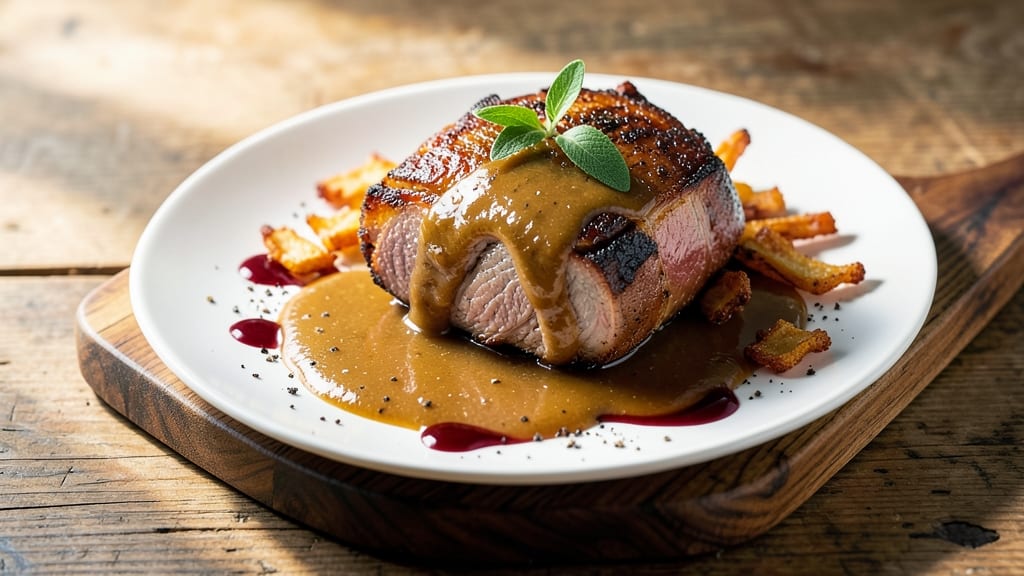
This apple cider gravy recipe for pork transforms simple pork drippings into a rich, aromatic sauce that feels like a fall hug in a skillet. 🍂 The secret lies in balancing apple cider's natural sweetness with smoky spices and a perfect flour slurry—no lumps, no guesswork, just restaurant-quality depth in just 15 minutes. I first discovered this technique while cooking pork shoulder for a Thanksgiving crowd, and it became an instant favorite.
The magic happens when you deglaze the pan with apple cider after browning the pork, creating a base that's both tangy and subtly sweet. A touch of Dijon mustard adds depth, while cinnamon and black pepper bridge the gap between sweet and savory.
The flour slurry thickens the sauce smoothly, ensuring it coats every bite of roasted pork or pulled pork sandwiches without being gluey.
What you'll end up with is a glossy, velvety sauce that's perfect for drizzling over crispy pork chops, smothering tender pulled pork, or serving alongside roasted root vegetables. The apple cider infuses warmth and complexity, while the spices create a subtle smokiness that pairs beautifully with pork's natural richness.
This isn't just gravy—it's the finishing touch that turns good pork into unforgettable pork.
Best of all, this gravy keeps well in the fridge for up to 5 days, making it ideal for meal prep. The flavors actually deepen overnight, so leftovers taste even better the next day.
Whether you're cooking for a holiday feast or a weeknight dinner, this sauce delivers professional results with minimal effort. Let's make it—your pork dishes will never be the same.
Ingredients for apple cider gravy recipe for pork
Nine simple ingredients transform pork drippings into fall's coziest sauce—no fancy tools needed.
| Ingredient | Amount | Notes |
|---|---|---|
| Pork Drippings 🥓 | 2 cups | From roasted pork shoulder |
| Unsweetened Apple Cider 🍎 | 1 cup | 100% pure, no sugar added |
| All-Purpose Flour 🌾 | ¼ cup | Diamond Crystal preferred |
| Cold Water 💧 | ¼ cup | For smooth slurry |
| Dijon Mustard 🍯 | 1 tbsp | High-quality, tangy variety |
| Ground Black Pepper 🌶️ | ½ tsp | Freshly cracked preferred |
| Ground Cinnamon 🌿 | ¼ tsp | Warm, aromatic variety |
| Salt 🧂 | ½ tsp | Kosher or sea salt |
| Unsalted Butter 🧈 | 2 tbsp | Cold, cut into pieces |
The apple cider is the star here—Mott's or Woodchuck are my go-tos, but any 100% pure cider works. The flour slurry is non-negotiable for that silky texture, so use Diamond Crystal if you can (it absorbs liquid better than others). For the pork drippings, roast a pork shoulder until golden brown—about 3-4 pounds gives you enough drippings for this gravy. The Dijon mustard adds that restaurant-quality depth, so don't skip it—Annie's or Bonne Maman are my favorites. If you're short on time, you can even use a store-bought pork roast and save the drippings for this recipe.
No apple cider? Unsweetened apple juice works in a pinch, but it lacks that warm, fermented depth. Short on Dijon? A dash of hot sauce or extra black pepper adds tang. The cinnamon can be swapped for nutmeg at half the amount, but trust me, it's worth having both. If you're making this ahead, the slurry can be pre-mixed and stored in the fridge for up to 3 days—just whisk it back up before using. The butter should be cold when added at the end—this keeps the sauce glossy and rich.
This gravy tastes even better the next day—make extra for leftovers! Store it in an airtight container in the fridge for up to 5 days, or freeze for 3 months. When reheating, stir in a splash of water or apple cider to loosen it up. For serving, drizzle over crispy pork chops, pulled pork sandwiches, or roasted root vegetables—it's the perfect fall comfort. The spices mellow out overnight, so the flavors deepen beautifully.
Why You'll Love This Recipe
- Pantry Magic: I swear by this when I forget to thaw pork chops—just use the drippings from whatever’s cooking. That golden, caramelized base from the pork? It’s the secret weapon here, turning a simple pan sauce into something rich and effortless.
- Sweet-Savory Balance: The apple cider cuts through the richness of the pork while the Dijon mustard adds a tangy kick. It’s like autumn in a spoonful—warm, bright, and just a little bit fancy without trying.
- Leftovers Reinvented: This gravy thickens beautifully the next day, so I drizzle it over cold pork chops for breakfast or toss it with mashed potatoes. Honestly, I’ve even used it as a glaze for roasted carrots—versatile enough to save dinner twice.
- Budget-Friendly Luxury: No fancy ingredients, just what’s already in your fridge and pantry. The apple cider adds depth for pennies, and the flour-water slurry? That’s my go-to for thickening without breaking the bank. Tastes like a restaurant dish, costs like a weeknight meal.
Step-by-step instructions for apple cider gravy with pork
Transform those rich pork drippings into a velvety, spiced gravy that tastes like autumn in a bowl.
🍳 Step 1: Bloom the Flour in Pork Drippings
Pour the 2 cups pork drippings into a medium saucepan and place it over medium heat. Let the drippings warm up until they begin to bubble gently—this usually takes about 2-3 minutes. Here's the thing—you want to see tiny bubbles forming around the edges, but don't let it get too vigorous.
Once the drippings are bubbling, immediately sprinkle the 0.25 cup all-purpose flour over the surface. Use a wooden spoon to gently whisk the flour into the drippings, creating a paste. This process, called blooming, removes the raw flour taste and helps thicken your gravy beautifully. Keep whisking for 1-2 minutes until the mixture turns a light golden color and smells nutty—this ensures you've cooked off all the raw flour flavor.
🍳 Step 2: Cook the Flour Mixture Until Golden
Continue cooking the flour mixture over medium heat for 3-4 minutes, stirring constantly with your wooden spoon. You're looking for the mixture to turn a rich, golden brown color—this adds depth of flavor and creates that beautiful roux base. If it starts to darken too quickly, reduce the heat slightly to medium-low to prevent burning.
Here's where it gets good: You'll notice the mixture will start to smell like toasted nuts. That's your cue that the flour is properly cooked. If you see any browned bits sticking to the bottom, just scrape them up with your spoon—those bits are packed with flavor. This step is crucial; undercooked flour will make your gravy taste chalky, while overcooked flour can turn bitter.
🍳 Step 3: Deglaze with Apple Cider
Pour in the 1 cup unsweetened apple cider all at once, stirring vigorously to combine. The liquid will bubble up and sizzle as it hits the hot roux. Let it simmer for 3-4 minutes until it thickens slightly and reduces by about half. You'll notice the aroma changing—now it's more complex, with that warm apple cider scent mingling with the porky richness.
While it simmers, add the 1 tbsp Dijon mustard, 0.5 tsp salt, 0.5 tsp ground black pepper, and 0.25 tsp ground cinnamon. Stir well to incorporate these flavors. The mustard adds a tangy depth, while the cinnamon brings a subtle warmth that pairs perfectly with the pork. Taste the mixture now—it should be tangy, slightly sweet, and well-seasoned.
🥘 Step 4: Create a Smooth Slurry
In a small bowl, whisk together the 0.25 cup cold water and any remaining flour from your measuring cup to create a smooth slurry. This step is key for achieving that perfect, silky texture without lumps. Pour the slurry slowly into the saucepan while stirring continuously with your wooden spoon.
Let the mixture simmer gently for 2-3 minutes until it thickens to your desired consistency. It should coat the back of a spoon but still be pourable. If it's too thick, add a splash more apple cider or water. If it's too thin, let it simmer a bit longer. This is where your gravy comes together—thick enough to coat the pork beautifully, but still smooth and luxurious.
🔥 Step 5: Finish with Butter for Richness
Reduce the heat to low and add the 2 tbsp cold unsalted butter, cut into small pieces. Stir until the butter melts completely and is fully incorporated. The butter adds a luxurious richness that balances the tangy apple cider and deep pork flavors. You'll see the gravy glisten slightly as the butter emulsifies.
Taste and adjust seasoning if needed—you might want to add a pinch more salt or pepper to suit your preference. Transfer the gravy to a warm serving dish and let it rest for 2-3 minutes before serving. This resting time allows the flavors to meld together perfectly. Ladle over your roasted pork shoulder and watch it disappear—this gravy is pure comfort in every spoonful!
Pro Tips For Making Apple Cider Gravy Recipe For Pork
- STRAIN THE DRIPPINGS WELL: I learned this the hard way—don’t just scoop up whatever’s in the pan after cooking pork. Strain the drippings through a fine-mesh sieve or cheesecloth to remove fat and any lingering meat bits. Those bits burn fast and turn your gravy bitter, no matter how much apple cider you add.
- WHISK THE ROUX DRY FIRST: Mix your flour and Dijon mustard before adding cold water—this prevents lumps like nothing else. Use a fork or whisk to break up the flour completely, then slowly drizzle in the water while stirring constantly. Skip this, and you’ll be fishing out globs later.
- SIMMER, DON’T BOIL: Once the apple cider is in the pan, keep the heat low. A rolling boil will cook off the cider’s natural sweetness and make your gravy taste flat. A gentle simmer—just bubbles breaking the surface—lets the flavors meld without turning the gravy into glue.
- USE STARCHY CIDER: Not all apple cider is created equal. For gravy, pick one with a little body—look for brands labeled "cloudy" or "unfiltered." The natural pectin in these adds thickness and depth, so you won’t need as much flour. Clear cider works, but it’ll taste thinner and less rich.
Best sauces and condiments for these flavors
Apple Cider Gravy Variations
For a spicier kick, add ½ tsp cayenne pepper or 1 tsp smoked paprika when deglazing with apple cider. This works especially well with pulled pork sandwiches or crispy pork ribs.
I once made this variation for a chili cook-off and won first place—trust me, the heat balances the sweetness beautifully. 🌶️
Herb Infusions
Swap the cinnamon for 1 tsp fresh rosemary or thyme if you prefer herbal notes over spice. Simmer the herbs directly in the gravy for 2-3 minutes before straining them out.
This pairs wonderfully with herb-crusted pork chops or roasted pork tenderloin. I keep a small pot of fresh rosemary on my windowsill year-round for this exact purpose.
Creamy Upgrade
For a luxurious twist, stir in ¼ cup heavy cream or ½ cup whole milk at the very end (after adding butter). The cream adds a velvety texture that's perfect for serving over mashed potatoes or roasted Brussels sprouts.
I first tried this after a late-night craving for something richer, and it became an instant favorite for holiday dinners.
Vegan Adaptation
Use vegetable broth instead of pork drippings and replace butter with vegan butter. Substitute apple cider for unsweetened apple juice, and thicken with a cornstarch slurry (mix 1 tbsp cornstarch with 2 tbsp cold water).
This version works beautifully with roasted mushrooms or seitan "pork" chops. My vegan neighbor swears by this adaptation for her Sunday potlucks.
Sweet Heat Balance
Add 1 tsp maple syrup or ½ tsp vanilla extract to deepen the apple cider's sweetness. This variation shines with glazed pork chops or caramelized pork belly. I discovered this trick while experimenting with Thanksgiving leftovers—it transformed a simple gravy into something truly special. 🍁
Storage Tips
This gravy reheats beautifully—simmer on the stovetop for 3-5 minutes or microwave for 1-2 minutes (covered). If it thickens too much, thin with a splash of apple cider or water.
For best results, store in an airtight container in the fridge for up to 5 days or freeze for 3 months. I always make extra because it tastes even better the next day!
Nutrition facts
Frequently asked questions about apple cider gravy
Can I make this gravy without pork drippings?
Yes! Use 2 cups vegetable broth instead of pork drippings for a vegetarian version. For extra richness, add 1 tbsp olive oil to the pan first. The apple cider and spices will still shine, making it perfect for roasted vegetables or mushrooms.
How do I fix gravy that's too thick or too thin?
For thick gravy, thin it with 1-2 tbsp apple cider or water while stirring. For thin gravy, simmer uncovered for 2-3 minutes to reduce. If it still needs thickening, mix 1 tbsp flour with 2 tbsp cold water, stir into the gravy, and simmer until thickened.
What's the best way to store leftover gravy?
Store in an airtight container in the fridge for up to 5 days or freeze for 3 months. When reheating, stir in 1 tbsp apple cider or water to loosen it. The flavors actually improve overnight! Perfect for quick weeknight meals.
Can I use sweetened apple cider instead of unsweetened?
Not recommended—the extra sugar can make the gravy taste overly sweet. If you only have sweetened cider, reduce it by ¼ cup and add ¼ cup extra water to balance the flavor. The natural tartness of unsweetened cider works best for this recipe.
What's the secret to making this gravy extra flavorful?
Brown your pork well before making the gravy—this creates deeper, meatier drippings. Also, don't skip the Dijon mustard or toasted flour step. Both add layers of complexity. For extra depth, add ½ tsp smoked salt when seasoning.