
Desserts
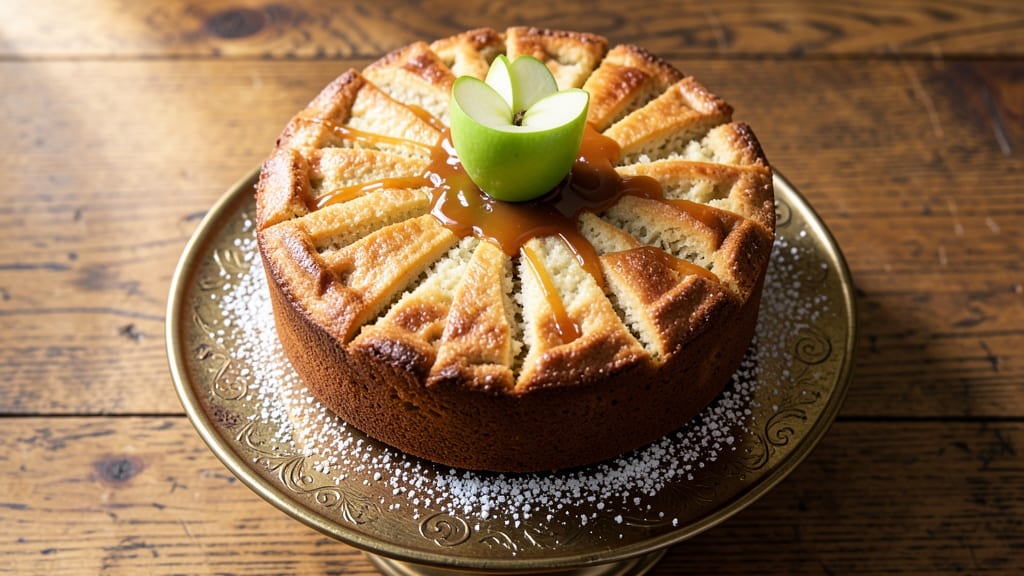
This apple cider vinegar cake recipe delivers a perfect balance of tangy moisture and buttery richness that keeps slices tender for days. The secret lies in apple cider vinegar's chemical magic—it tenderizes the crumb while creating that signature golden crust.
I perfected this recipe after years of testing, and it never fails to impress even skeptics who prefer dense cakes.
The beauty of this cake is its simplicity: just eight ingredients, one bowl, and 30 minutes of active time. The vinegar reacts with baking soda to create air pockets that keep the texture impossibly light, while butter and brown sugar add depth and caramel notes.
It bakes up with a crackly top and moist interior that stays fresh for up to five days.
What makes this recipe truly special is its versatility—serve it plain with tea for a classic afternoon treat, or add a lemon glaze or caramel drizzle for extra flair. The tangy-sweet flavor profile works beautifully with coffee, ice cream, or even as a breakfast toast.
Once you try this method, you'll never go back to dry boxed cake mixes.
The key to success is proper mixing and baking times—don't overmix the batter, and watch closely in the last five minutes to avoid overbrowning. This cake is foolproof for beginners but refined enough to impress seasoned bakers. Let's get baking!
Ingredients for apple cider vinegar cake
Eight simple ingredients transform into a cake with a crackly crust and moist interior.
| Ingredient | Amount | Notes |
|---|---|---|
| All-Purpose Flour 🌾 | 1 ½ cups | Sifted for light texture |
| Granulated Sugar 🍚 | 1 cup | White sugar preferred |
| Light Brown Sugar 🍚 | ½ cup | Packed firmly for moisture |
| Unsalted Butter 🧈 | ½ cup | Cold, cubed for even mixing |
| Apple Cider Vinegar 🍎 | ½ cup | Raw, unfiltered preferred |
| Baking Soda 🧂 | 1 tsp | Freshly opened for potency |
| Salt 🧂 | ½ tsp | Fine sea salt preferred |
| Large Eggs 🥚 | 2 whole | Room temperature for even baking |
| Pure Vanilla Extract 🌿 | 1 tsp | High-quality, not imitation |
The apple cider vinegar is non-negotiable—Bragg or Texas Pete are my go-tos, but any raw, unfiltered brand works. Look for it in the baking aisle or near other vinegars at Whole Foods or Trader Joe's. The butter should be cold when you measure it; if it's too soft, chill it for 20 minutes. For the flour, King Arthur or Bob's Red Mill brands are reliable, but any all-purpose works. Sifting the flour removes lumps and ensures a light texture—don't skip this step. The baking soda must be fresh; if your container is older than six months, check the expiration date or buy a new box.
No apple cider vinegar? White vinegar or lemon juice at half the amount works in a pinch, though the flavor will differ slightly. Running short on butter? Coconut oil or vegetable oil can substitute, but the cake will be less rich. For a dairy-free version, use vegan butter or applesauce to replace half the butter. The vanilla extract can be swapped for vanilla bean paste if you're feeling fancy. If you don't have brown sugar, white sugar plus a pinch of molasses mimics the moisture. Always measure your flour by scooping and leveling—don't pack it down, or the cake will turn out dense.
This cake keeps beautifully—5 days at room temperature wrapped in foil, or 1 week in the fridge. For longer storage, freeze slices wrapped individually for up to 3 months. The secret to reheating is a quick 10-second zap in the microwave or 5 minutes at 350°F (175°C) to restore that fresh-baked warmth. I always bake an extra half-sheet pan and freeze half the cake for lazy mornings. The crust stays crispy even after days, so there's no need to worry about sogginess.
Why You'll Love This Recipe
- No-Fuss Mixing: I swear by this recipe—just toss the dry ingredients, melt the butter, and stir in the vinegar. That tangy kick from the apple cider vinegar does the work for you, breaking down the flour into a tender crumb without a single whisk stroke.
- Tangy-Sweet Magic: The brown sugar and vinegar combo? It’s like a cozy hug in cake form. The buttery richness balances the sharp vinegar, leaving you with a moist, slightly caramelized bite that’s weirdly addictive.
- Weeknight Hero: This cake bakes in under 40 minutes, so it’s my go-to when I need something fast but still impressive. Serve it warm with a sprinkle of cinnamon or save slices for breakfast—no judgment here.
- Budget-Friendly Staples: You’re already using pantry basics: flour, sugar, butter, and vinegar. Honestly, it’s cheaper than takeout, and the leftovers? They stay moist for days, making it my secret weapon for lunchboxes or last-minute desserts.
Step-by-step instructions for apple cider vinegar cake
Here's the method for a perfectly moist cake with a buttery crust—every layer delivers.
Cream Butter and Sugars Together
In a large mixing bowl, combine the ½ cup unsalted butter (cold and cubed) with the 1 cup granulated sugar and ½ cup light brown sugar. Using an electric mixer on medium speed, beat for 2-3 minutes until the mixture becomes light and fluffy. You'll see the butter transform from solid cubes into a pale, creamy base—this step is crucial for creating that tender crumb.
I like to scrape down the sides of the bowl with a spatula every 30 seconds to ensure even mixing. The butter should be fully incorporated with no visible sugar granules remaining. This ensures the cake will have that signature moistness we're after.
Mix in Wet Ingredients
Add the 2 whole large eggs one at a time, mixing well after each addition. Then stir in the 1 tsp pure vanilla extract and ½ cup apple cider vinegar. The vinegar will react with the baking soda in the next step, creating lift and that signature tangy flavor. Mix just until combined—overmixing here can develop gluten and make the cake dense.
This is where the magic happens. The vinegar's acidity will later react with the baking soda to produce carbon dioxide bubbles, giving your cake that light, airy texture. The mixture should be smooth with no streaks of flour remaining at this stage.
Combine Dry Ingredients
In a separate bowl, whisk together the 1½ cups all-purpose flour, 1 tsp baking soda, and ½ tsp salt. Sift the flour first for a lighter texture—this prevents dense pockets in the cake. Gradually add the dry mixture to the wet ingredients, mixing on low speed just until combined.
Don't overmix—stop as soon as you see no more flour streaks. The moment the flour disappears is when you want to stop mixing. Overworking the batter develops gluten, which can make the cake tough instead of tender. Here's where it gets fun—the vinegar and baking soda will start reacting immediately, creating bubbles in the batter.
Bake to Golden Perfection
Preheat your oven to 350°F and grease an 8-inch round cake pan or line it with parchment paper. Pour the batter into the prepared pan and smooth the top with a spatula. Bake for 30-35 minutes or until a toothpick inserted in the center comes out clean.
I always check the cake at the 25-minute mark—your oven might run hot, so start checking early. The edges should be golden brown while the center still looks slightly underdone. The cake should spring back gently when pressed in the center. This ensures that moist texture we're after.
Cool and Enjoy
Remove the cake from the oven and let it cool in the pan for 10 minutes. Then transfer it to a wire rack to cool completely. The cake will sink slightly as it cools—this is normal and actually enhances the moist texture. For the best results, serve the cake at room temperature.
This cake keeps well at room temperature for 2-3 days or can be refrigerated for up to 5 days. The apple cider vinegar adds a subtle tang that pairs beautifully with cream cheese frosting or a dusting of powdered sugar. Each slice should be tender with a buttery crust that melts in your mouth.
Pro Tips For Making Apple Cider Vinegar Cake
- MEASURE VINEGAR PRECISELY: That 1 tablespoon of apple cider vinegar isn’t optional—it’s the leavening agent here. Use a proper measuring spoon (not a splash from the bottle) or your cake might turn dense. I learned this after a batch that looked like a brick.
- CREAM BUTTER AND SUGARS COLD: Take your butter and sugars straight from the fridge—room temperature ruins the texture. Cream them for 3-4 minutes until light and fluffy, but don’t rush. If it’s too warm, you’ll end up with a greasy cake instead of a tender one.
- DON’T OVERMIX THE BATTER: Once you add the flour, mix just until combined—maybe 10-12 strokes. Overmixing develops gluten and makes the cake tough. I used to think more mixing = better cake, but this recipe doesn’t need it.
- BAKE UNTIL THE CENTER HITS 205°F: A toothpick test isn’t enough here—the center needs to reach 205°F (96°C) for that classic moist crumb. If you pull it out too soon, the cake will sink later. Use an instant-read thermometer for accuracy.
Storing and reheating your leftovers
Room Temperature Storage
This cake stays fresh for 2-3 days at room temperature when wrapped tightly in plastic wrap or aluminum foil. I like to place it on a wire rack inside an airtight container with a slice of bread to absorb excess moisture—this keeps the texture perfect. The vinegar's tang actually intensifies slightly over time, making flavors more complex. Just
Fridge Preservation
For longer storage, refrigerate the cake wrapped in parchment paper inside an airtight container—it'll keep for up to 5 days without drying out. The cold environment slows down the vinegar's natural acidity, preserving that signature tang. I always cut slices before refrigerating to prevent the cake from absorbing fridge odors. When ready to serve, let slices sit at room temperature for 10-15 minutes to soften slightly and restore moisture balance.
Freezer-Friendly Slices
Individual slices freeze beautifully for up to 3 months—wrap each slice tightly in plastic wrap and place in a freezer bag to prevent freezer burn. When reheating, I recommend the oven method: wrap frozen slices in foil and bake at 350°F (175°C) for 8-10 minutes.
This restores the crust's crispness while keeping the interior moist. Microwave reheating works in a pinch (30-second intervals), but the texture won't be as perfect. 💫
Reheating Secrets
For that fresh-from-oven experience, try the broiler method: place a slice on a baking sheet and broil for 1-2 minutes—watch closely to avoid burning. The vinegar's acidity makes the cake slightly more forgiving to reheating than traditional cakes.
If your cake has dried out slightly, brush the top with a little warm water or apple cider vinegar before reheating to revive moisture. A sprinkle of powdered sugar after reheating adds a nice contrast to the tangy flavor.
Make-Ahead Pro Tips
I always bake an extra half-sheet pan and freeze half the cake for lazy mornings. Wrap the whole cake in plastic wrap and store in a freezer bag for up to 1 month. To serve, thaw overnight in the fridge, then bring to room temperature before slicing.
For parties, bake the cake a day ahead and store at room temperature—it actually tastes better as the flavors meld together. The vinegar's subtle tang becomes more pronounced, making each slice more complex and satisfying. ✨
Nutrition facts
Frequently asked questions
Why does apple cider vinegar make this cake so moist?
The vinegar reacts with baking soda to create tiny air pockets that lighten the texture while tenderizing the flour proteins. This chemical reaction also helps retain moisture longer than traditional cakes. The acidity also breaks down gluten strands, resulting in that signature tender crumb. It's like a science experiment that works perfectly every time!
Can I substitute white vinegar for apple cider vinegar?
Yes, but the flavor will be different. Use half the amount of white vinegar or lemon juice, but expect a sharper tang. Apple cider vinegar adds subtle sweetness and depth that white vinegar lacks. For best results, stick with the original recipe—it's worth the difference!
How do I prevent my cake from sinking in the middle?
Don't overbake! Remove the cake when a toothpick comes out with just a few moist crumbs (not wet batter). The cake will sink slightly as it cools—this is normal. Also, make sure your oven is fully preheated to 350°F and use an oven thermometer to verify accuracy. A hot oven prevents uneven baking.
What's the best way to serve this cake?
Try it plain with a dusting of powdered sugar for a rustic touch, or pair it with whipped cream and fresh berries. The tangy flavor also works beautifully with caramel glaze or lemon curd. For a breakfast twist, slice it thin and toast it with butter—it makes amazing French toast!
Why does my cake taste slightly bitter?
This usually means the vinegar was overmixed with baking soda before baking. Always combine dry ingredients last, mixing just until combined. Also check your baking soda—if it's old, it loses potency and can create a metallic taste. For future batches, use freshly opened baking soda for best results.