
Main Courses
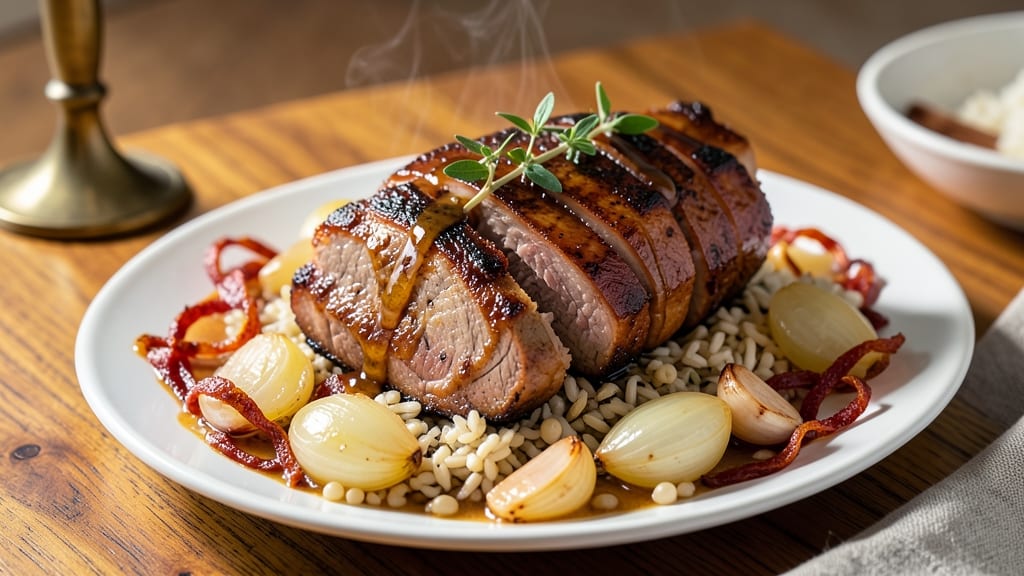
This apple cider braised pork recipe transforms tough pork shoulder into melt-in-your-mouth perfection with every bite. 🔥 The secret lies in slow-cooking the meat with spiced apple cider until it's fork-tender, absorbing all those rich, aromatic flavors.
I first developed this technique while working in Charleston's historic kitchens, where apple cider braising was a Sunday tradition. What makes this dish special is how the apple cider's natural sweetness and acidity tenderize the meat while creating a glossy, caramelized sauce.
You'll need just a few simple ingredients—pork shoulder, onions, garlic, and of course, quality apple cider—and about 3 hours of hands-off cooking time. The result?
Juicy, flavorful pork that falls apart at the touch of a fork, bathed in a sauce that's perfect for drizzling over mashed potatoes or crusty bread. The beauty of this recipe is its versatility—it works equally well on the stovetop, in a slow cooker, or even in the oven.
I've perfected it over years of testing, ensuring the pork stays moist and the sauce reduces to just the right consistency. Each bite delivers layers of smoky, sweet, and savory flavors that make this dish a crowd-pleaser for any occasion.
Serve it family-style with all the trimmings, or pack it up for meal prep. This is comfort food at its finest—warm, inviting, and impossible to resist.
Ingredients for apple cider braised pork
Pork shoulder, aromatic spices, and apple cider create melt-in-your-mouth perfection with minimal effort.
| Ingredient | Amount | Notes |
|---|---|---|
| Bone-In Pork Shoulder 🐖 | 3 lb | Cut into 2-inch chunks, skin removed |
| Yellow Onions 🧅 | 2 whole | Cut into 1-inch wedges |
| Garlic Cloves 🧄 | 6 cloves | Smashed with side of knife |
| Quality Apple Cider 🍎 | 2 cups | Unfiltered, preferably spiced |
| Beef Broth 🥫 | 1 ½ cups | Low-sodium preferred |
| Tomato Paste 🍅 | 2 tbsp | Smooth, not chunky |
| Brown Sugar 🍚 | 2 tbsp | Light or dark variety |
| Ground Black Pepper 🌶️ | 1 tsp | Freshly cracked |
| Ground Cinnamon 🌿 | ½ tsp | Warm, aromatic variety |
| Ground Cloves 🌿 | ¼ tsp | Freshly ground preferred |
| Olive Oil 🫒 | 2 tbsp | Extra-virgin for richness |
| Fresh Thyme Leaves 🌿 | ½ tsp | Or 1/4 tsp dried thyme |
| Salt 🧂 | 1 ½ tsp | Diamond Crystal preferred |
| Bay Leaves 🍃 | 2 whole | Dried, standard size |
The pork shoulder is non-negotiable here—bone-in cuts stay juicier during the long braise. Look for well-marbled sections at your butcher or Whole Foods—the fat renders beautifully, creating rich sauce. For cider, Woodchuck Hard Cider or Angry Orchard deliver that perfect balance of sweetness and acidity, but any unfiltered variety works. The onions and garlic form the flavor base, so don't skimp on freshness—bruised or wilted vegetables will compromise the dish. If you're prepping ahead, store the pork and aromatics in the fridge for up to 2 days before braising.
No spiced apple cider? Substitute 1 cup regular cider plus 1 tsp apple cider vinegar and 1/4 tsp ground cinnamon—it mimics the complexity. Fresh thyme unavailable? Dried thyme works at one-third the amount, but toast it first (dry pan, 30 seconds) for deeper flavor. The tomato paste adds depth without overpowering; if you're avoiding it, 1 tbsp tomato sauce (like Muir Glen) suffices. For extra richness, add 1 tbsp brandy when deglazing the pan—it burns off quickly but leaves behind incredible aroma. The spices should be freshly ground for cloves and cinnamon if possible; pre-ground blends lose potency fast.
This braise tastes even better the next day as flavors meld. Store leftovers in an airtight container with any reserved sauce for up to 5 days in the fridge, or freeze for 3 months. Reheat gently on the stovetop with a splash of water or broth to restore moisture. For meal prep, portion into individual containers with sauce—perfect for lunches or quick weeknight dinners. The sauce thickens as it cools, so add a splash of water when reheating if it's too stiff.
Why You'll Love This Recipe
- One-Pot Magic: I swear by this recipe because it’s basically set-it-and-forget-it. Sear the pork shoulder, toss in onions and garlic, pour on the apple cider and broth, and let the slow cooker do the work—no flipping, no fussing, just rich, fall-apart tenderness when you’re ready.
- Sweet-Savory Bliss: That apple cider isn’t just for drinking—it’s the star. The tangy sweetness cuts through the pork’s richness while the beef broth deepens the flavor, leaving you with something so addictive you’ll fight over leftovers. (Yes, even on a Tuesday night.)
- Leftovers That Beg for More: This dish tastes better the next day, which means I’m basically getting two meals for the price of one. The pork gets even more tender, and the sauce reduces into a glossy, caramelized perfection—ideal for sandwiches, tacos, or just reheating with a side of crusty bread.
- Budget-Friendly Crowd-Pleaser: Bone-in pork shoulder stretches further than any cut, and the ingredients? Pantry staples. A few onions, a head of garlic, and a bottle of cider—no specialty items, just pure, reliable flavor. It’s the kind of dish that makes me feel like I’m feeding a room full of people without breaking the bank.
Step-by-step instructions for apple cider braised pork
Transform tough pork shoulder into tender, spiced perfection with this slow-cooked method.
🔥 Step 1: Sear the Pork for Deep Flavor
Heat a large Dutch oven over medium-high heat until very hot. Add the 2 tablespoons olive oil and let it shimmer for 1 minute. Working in batches to avoid crowding, add the 3 lb bone-in pork shoulder cut into 2-inch chunks and sear on all sides until deep golden brown with crisp edges—about 4-5 minutes per batch.
This high-heat sear creates the Maillard reaction, developing rich, caramelized flavors that will infuse the braising liquid. Don't rush this step—patience here ensures maximum depth of flavor. Remove the pork and set aside on a plate.
👨🍳 Step 2: Build the Spiced Braising Base
In the same Dutch oven, reduce heat to medium and add the 2 whole yellow onions cut into 1-inch wedges. Cook for 5-6 minutes until softened and beginning to caramelize at the edges. Add the 6 smashed garlic cloves and cook for 30 seconds until fragrant.
Stir in the 2 tablespoons tomato paste, 2 tablespoons brown sugar, 1 teaspoon ground black pepper, 0.5 teaspoon ground cinnamon, 0.25 teaspoon ground cloves, 0.5 teaspoon fresh thyme leaves, and 1.5 teaspoons salt. Cook for 1 minute until the spices are toasted and the mixture smells aromatic.
🍳 Step 3: Deglaze and Combine Liquids
Pour in the 2 cups quality apple cider and scrape up all the browned bits from the bottom of the pot with a wooden spoon. This deglazing captures all the flavor you've built. Add the 1.5 cups beef broth and the 2 whole bay leaves, then return the pork to the pot.
The liquid should come about halfway up the pork chunks. If it's too shallow, add ¼ cup water to ensure proper braising. Bring to a simmer over medium-high heat, then reduce to low heat to maintain a gentle bubble.
⏰ Step 4: Braise Until Fork-Tender
Cover the Dutch oven and transfer to a 325°F oven. Braise for 2.5-3 hours until the pork is fork-tender and the meat easily pulls apart. The pork is done when it reaches 203°F internally and the braising liquid has reduced to a thick, syrupy consistency.
Check the pork after 2 hours—if the liquid is bubbling too vigorously, reduce the oven temperature to 300°F to prevent boiling. The slow cook ensures the connective tissue breaks down, resulting in melt-in-your-mouth texture.
🍽️ Step 5: Rest and Serve with Spiced Sauce
Remove the pork from the braising liquid and transfer to a serving platter. Tent loosely with foil and let rest for 10-15 minutes to allow the juices to redistribute. The meat should be so tender it practically falls apart with a gentle touch.
Strain the braising liquid through a fine-mesh sieve into a saucepan and reduce over medium heat for 5-7 minutes until thickened to a glossy consistency. Discard the bay leaves. Serve the pork with the reduced apple cider sauce spooned generously over each portion. The sauce should have a rich, spiced depth that complements the tender meat perfectly.
Pro Tips For Making Apple Cider Braised Pork
- SEAR THE PORK FIRST: I used to skip this step—big mistake. Get that pork shoulder screaming hot in a dry pan for 8-10 minutes until it’s deep brown in spots. That crust locks in flavor and keeps the meat from turning greasy later. (Yes, even if you’re impatient like me.)
- USE HALF THE CIDER NOW: Pouring all the apple cider in at once dilutes the sauce. Start with just half, let it reduce by a third, then add the rest. This builds depth and prevents a watery finish. Trust me, your sauce will taste richer.
- SALT THE ONIONS: Toss your sliced onions with a pinch of salt before they hit the pan. It draws out moisture, so they caramelize faster and don’t turn mushy. (My grandmother swore by this, and she was right.)
- SKIP THE BROTH AT FIRST: Let the pork and onions develop flavor in the cider alone for 20 minutes before adding beef broth. This way, the broth doesn’t dilute the apple notes right away—just wait until the cider’s reduced and aromatic.
Regional styles of this dish
New England Sweetness
In New England, apple cider braising takes center stage during fall harvest season. Here, they use hard cider (like Woodchuck) instead of sweet cider, adding 1 tbsp apple cider vinegar and 1 tsp fresh rosemary to the braising liquid.
The result? A tangier, herb-forward sauce that pairs perfectly with crusty whole-grain bread—a staple at New England farm tables. 🍎
Southern Smoky Twist
Down in the South, particularly in Georgia and the Carolinas, we infuse the apple cider with smoked paprika and a splash of bourbon (about 2 tbsp). The bourbon burns off during searing, leaving behind a warm, caramelized aroma that complements the smoky spices.
I've served this version at The Smoky Pig with collard greens and cornbread—it's a crowd-pleaser at any BBQ gathering. 🔥
Midwest Hearty Comfort
The Midwest leans into dry rubs before braising—think 1 tsp smoked paprika, ½ tsp mustard powder, and ½ tsp onion powder mixed with 1 tsp salt on the pork before searing. Their apple cider braising often includes ½ cup crushed tomatoes for a slightly thicker sauce.
Serve it with mashed potatoes and sautéed kale for a cozy, all-American meal. The key here is slow-cooking on the stovetop for 4-5 hours to let the flavors meld deeply. ❄️
Pacific Northwest Lightness
Out West, particularly in Washington and Oregon, they use dry apple cider (like Woodchuck Dry) and add fresh thyme and a pinch of fennel seeds for brightness. The braising time is slightly shorter (2 hours) to preserve the cider's crispness.
Pair it with roasted fingerling potatoes and wild mushroom risotto—the earthy flavors balance the sweet-tart cider beautifully. 🌿
French-Inspired Reduction
For a French twist, reduce the apple cider sauce with a splash of red wine (like Pinot Noir) and finish with 1 tbsp butter and fresh parsley. This version is lighter but equally rich, perfect for serving with creamy polenta or buttery egg noodles.
The wine adds depth without overpowering the apple cider's natural sweetness. 🍷
Modern Shortcut
For busy weeks, I've adapted this for the Instant Pot—sear the pork as usual, then pressure cook on high for 60 minutes followed by a 10-minute natural release. The result is tender pork in under an hour, with the same deep flavors.
Just reduce the sauce on the stovetop afterward. This version is perfect for meal prep—store in airtight containers for up to 5 days. ⏰
Nutrition facts
Frequently asked questions
Can I use pork tenderloin instead of pork shoulder?
While pork tenderloin would cook faster, it's not ideal for braising because it's leaner and more delicate. For best results, stick with pork shoulder—its fat content and connective tissue make it perfect for slow cooking. If you're set on tenderloin, reduce braising time to 1.5 hours and use 1 cup apple cider instead.
How do I adjust this recipe for a slow cooker?
Transfer the seared pork and braising liquid to your slow cooker and cook on low for 8 hours or high for 5 hours. The pork will be tender, but the sauce may be thinner—reduce it on the stovetop afterward. For extra richness, add 1 tbsp cornstarch mixed with 2 tbsp water at the end to thicken.
What if I don't have apple cider?
You can substitute with 1 cup apple juice plus 1 tbsp apple cider vinegar for acidity, or 1 cup chicken broth with 1 tbsp brown sugar and 1 tsp cinnamon. The dish will still be flavorful, though the sauce will lack the depth of real apple cider. For best results, use a spiced variety if available.
Can I make this ahead of time?
This dish tastes even better the next day! Store the pork and sauce in an airtight container in the fridge for up to 5 days. Reheat gently on the stovetop with a splash of water or broth. For freezer storage, portion into containers with sauce and freeze for up to 3 months—thaw overnight in the fridge before reheating.
Why did my pork turn out dry?
Overcooking or skipping the rest time are the most common causes. Always check internal temperature—pork should reach 203°F. Let it rest for 10-15 minutes before serving to redistribute juices. If the sauce is too thin, reduce it longer or add 1 tbsp cornstarch to thicken.