
Main Courses
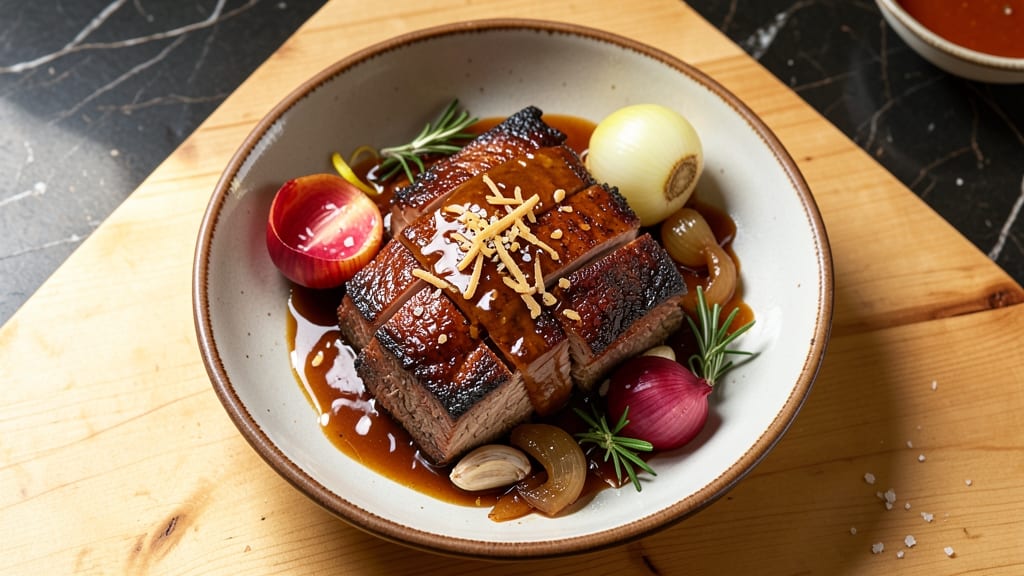
This apple cider beef brisket transforms a simple cut into a showstopping centerpiece with slow-simmered richness and a caramelized apple cider glaze that balances sweetness with deep savory notes.
The key lies in marinating the brisket overnight, allowing the spices and cider to penetrate deeply before a long, gentle cook that renders the meat into tender perfection.
What starts as a tough cut emerges as melt-in-your-mouth slices, glazed with a sticky-sweet finish that pairs beautifully with the brisket's natural depth.
The magic happens in the apple cider glaze, where the natural sugars caramelize into a glossy finish while the acidity tenderizes the meat. This isn't just a brisket—it's a restaurant-worthy dish that delivers smoky, sweet, and tangy flavors in every bite, all while keeping the process straightforward.
The slow cooking method ensures the brisket stays moist, and the glaze adds a professional touch that elevates it beyond basic pot roast.
By the time you're ready to serve, you'll have a juicy, flavorful brisket with a glossy, caramelized crust that's impossible to resist. The apple cider glaze adds a touch of autumnal warmth, making this dish perfect for holiday gatherings or cozy weeknight dinners.
The leftovers reheat beautifully, so you can enjoy this rich, satisfying meal for days.
Pair it with classic sides like mashed potatoes, roasted root vegetables, or a fresh apple salad to complete the meal. This brisket isn't just food—it's a centerpiece that brings warmth and comfort to any table. Let's get started on creating this unforgettable dish.
Ingredients for apple cider beef brisket
Six ingredients transform tough brisket into restaurant-quality centerpiece with caramelized glaze.
| Ingredient | Amount | Notes |
|---|---|---|
| Beef Brisket 🥩 | 4 lb | Flat cut, 1-inch thick, trimmed of fat |
| Unsalted Butter 🧈 | ½ cup | Cold, cubed for marinade |
| Apple Cider 🍎 | 2 cups | Unfiltered, preferably hard cider |
| Brown Sugar 🍚 | ½ cup | Packed, light or dark |
| Yellow Onion 🧅 | 1 whole | Large, roughly chopped |
| Garlic Cloves 🧄 | 6 cloves | Smashed, skin on |
| Fresh Thyme 🌿 | ¼ cup | Stems removed, chopped |
| Fresh Rosemary 🌿 | ⅛ cup | Needles only, chopped |
| Black Peppercorns 🌶️ | 1 tbsp | Freshly cracked |
| Kosher Salt 🧂 | 2 tbsp | Diamond Crystal preferred |
| Balsamic Vinegar 🍷 | 2 tbsp | Aged 25 years or more |
| Olive Oil 🫒 | ¼ cup | Extra-virgin for richness |
| Whole Cloves 🌶️ | 6 whole | For glaze depth |
| Cinnamon Sticks 🌿 | 2 whole | For glaze aroma |
The brisket is everything here—flat cut, 1-inch thick is ideal for even cooking. Costco or local butchers usually carry this cut pre-trimmed, but if you're buying whole, trim excess fat to prevent greasy glaze. Look for good marbling—those little white streaks mean more flavor. I always ask for it to be cut against the grain for maximum tenderness. For the apple cider, hard cider from local orchards adds depth, but any unfiltered cider works. The brown sugar should be packed—tap it into the measuring cup firmly to avoid air pockets.
No hard cider? Substitute with apple juice plus 1 tbsp lemon juice—it won't be identical but still delicious. Fresh thyme and rosemary are non-negotiable for that herby depth, but dried works at half the amount if you're in a pinch. The balsamic vinegar might seem like overkill, but those 25-year-aged bottles from Trader Joe's add a complex sweetness that's worth hunting for. For the glaze, whole cloves and cinnamon sticks infuse subtle warmth—skip them if you're short on time, but trust me, they make it special. The olive oil matters here too—use something fruity and peppery, not that bland supermarket stuff.
Brisket marinates overnight, so plan ahead. Store it in a sealed container in the fridge. The glaze components can be prepped a day ahead—just keep them separate until ready to use. Once cooked, the brisket reheats beautifully—wrap in foil and warm in a 300°F oven for 30 minutes. Leftovers keep for 5 days in the fridge or 3 months frozen. I always slice against the grain and portion it into containers for easy leftovers. The glaze thickens as it cools, so reheat it gently with a splash of water if it gets too stiff.
Why You'll Love This Recipe
- One-Pan Magic: That’s right—just brisket, cider, and a handful of pantry staples. No fancy gadgets, no stress. The onions caramelize right in the same skillet where the beef simmers, and honestly? I’ve made this while scrolling through my phone.
- Sweet-Savory Bomb: The apple cider cuts through the richness of the brisket, while the brown sugar adds a sticky, caramelized depth. That first bite? Buttery, tender, with a hint of warmth—like a hug in a plate.
- Leftovers That Shine: Between us, this tastes better the next day. I’ll slice it thin for sandwiches, toss it into grain bowls, or even shred it into tacos. (Yes, even on a Tuesday night.) The flavors meld into something even more addictive.
- Budget Feast: A whole brisket feeds a crowd for less than takeout—no joke. The apple cider and butter elevate it without breaking the bank, and the onions? They’re the unsung hero that makes it feel special. My wallet and my family thank me.
Step-by-step instructions for apple cider beef brisket
Here's how to transform tough brisket into melt-in-your-mouth perfection with apple cider's sweet-tangy magic.
Prepare the Brisket with Dry Rub
Pat the 4 lb beef brisket completely dry with paper towels—this is non-negotiable for crispy bark. In a small bowl, combine 2 tbsp kosher salt, 1 tbsp freshly cracked black peppercorns, 0.25 cup chopped fresh thyme, and 0.125 cup chopped fresh rosemary. Rub this mixture all over the brisket, pressing firmly so it adheres. Let it sit at room temperature for 30 minutes while you prep the rest.
The rub should coat the meat evenly, with no bare spots. This step ensures maximum flavor penetration and that signature crispy exterior. I like to work the rub into the fat cap too—it'll render beautifully during cooking and add richness to the finished dish.
Sear the Brisket for Deep Flavor
Heat a Dutch oven over medium-high heat until smoking hot. Add 0.25 cup olive oil and swirl to coat the bottom. Place the brisket fat-side down and sear undisturbed for 8-10 minutes until deeply browned. Flip and sear the other side for another 8-10 minutes. Remove and set aside.
This high-heat sear builds the flavor foundation. You'll know it's ready when the fat cap releases easily from the pan and the meat develops a deep mahogany crust. Don't rush this step—patience here prevents a bland brisket. After searing, reduce heat to medium and add 1 whole yellow onion and 6 smashed garlic cloves, cooking for 3 minutes until softened.
Slow-Cook with Apple Cider
Return the brisket to the Dutch oven and pour in 2 cups apple cider, 0.5 cup brown sugar, and 2 tbsp balsamic vinegar. Add 2 whole cinnamon sticks and 6 whole cloves to the liquid. Bring to a gentle simmer, then cover tightly and transfer to a 300°F oven. Cook for 3 hours, then add 0.5 cup cold cubed unsalted butter to the pan and continue cooking for another 2-3 hours.
The butter melts into the cooking liquid, creating an incredibly tender, saucy brisket. You'll want to check the liquid level after the first hour—if it's reduced too much, add ¼ cup water to maintain moisture. The brisket is done when it reaches 200-205°F internally and probes like butter.
Rest and Glaze
Remove the brisket from the oven and tent loosely with foil. Let it rest for 30 minutes while you prepare the glaze. In a small saucepan, combine the cooking liquid (strain out the solids), 0.25 cup brown sugar, and 1 tbsp balsamic vinegar. Simmer over medium heat until reduced by half, about 10-12 minutes. The glaze should coat the back of a spoon.
After resting, slice the brisket against the grain into ¼-inch thick slices. Arrange on a platter and spoon the reduced glaze generously over the top. The resting period is crucial—it allows the juices to redistribute, ensuring each slice is moist and flavorful. Serve immediately with the glaze pooling attractively on the plate.
Pro Tips For Making Apple Cider Beef Brisket
- SEAR THE BRISKET HARD: I learned this the hard way—skipping the deep sear means the apple cider flavor never sticks. Use a screaming-hot cast-iron or Dutch oven with 1 tablespoon of oil per side until it’s dark brown, almost black in spots. The crust locks in moisture and becomes the foundation for the cider glaze.
- REDUCED CIDER FIRST: Don’t just dump cold apple cider over raw brisket—it’ll steam instead of caramelize. Start by reducing 1 cup of cider in the same pan until it’s syrupy and coats the back of a spoon. Pour that concentrated flavor over the meat first, then add the rest. The difference in depth is night and day.
- SALT THE ONIONS: I used to just chop onions and toss them in—big mistake. Generously salt the sliced onions (about ½ teaspoon per pound) before adding them to the pan. They’ll soften faster and release their sweetness more evenly into the cider-butter sauce. (Yes, even if you’re impatient like me.)
- BROWN SUGAR CRUST: Skip the pre-dissolving step—sprinkle the brown sugar directly over the brisket after searing, while the pan is still hot. Let it sit for 2 full minutes before adding liquid. The sugar melts into a sticky, caramelized layer that amplifies the apple cider’s sweetness without burning. (Your future self will thank you.)
Serving suggestions for this dish
Classic Comfort Sides
Nothing complements this brisket like creamy mashed potatoes with roasted garlic and a splash of whole milk. I like to make them with Yukon Gold potatoes and finish with a pat of European-style butter and fresh chives.
For texture contrast, add crispy fried shallots on top—just 3 tablespoons of thinly sliced shallots fried in olive oil until golden. 🥔
Roasted root vegetables take this dish to the next level. Toss carrots, parsnips, and sweet potatoes in 2 tablespoons olive oil, 1 teaspoon brown sugar, and ½ teaspoon smoked paprika. Roast at 400°F for 35 minutes until caramelized. The natural sweetness of the brisket glaze will make these sides irresistible.
Fresh Contrast Elements
A simple apple salad brings brightness to the rich brisket. Thinly slice 2 crisp apples (like Honeycrisp or Fuji), toss with 1 tablespoon lemon juice, 1 tablespoon honey, and 1 tablespoon chopped fresh parsley.
Add ¼ cup toasted walnuts for crunch. The acidity cuts through the sweetness of the glaze beautifully. 🍏
For a heartier option, serve crusty sourdough bread with whipped honey butter. Mix ½ cup softened butter with 2 tablespoons honey and 1 teaspoon fresh thyme. Warm the bread in the oven for 5 minutes at 350°F before serving. The buttery warmth pairs perfectly with the brisket's depth.
Seasonal Additions
In fall, add roasted Brussels sprouts with pecans and balsamic glaze. Toss 1 lb Brussels sprouts with 2 tablespoons olive oil, ¼ cup chopped pecans, and 1 teaspoon maple syrup.
Roast at 425°F for 20 minutes, then drizzle with 1 tablespoon reduced balsamic glaze. The nutty crunch balances the brisket's richness. 🌰
For winter gatherings, consider wild rice pilaf with dried cranberries and pecans. Cook 1 cup wild rice blend according to package, then stir in ½ cup dried cranberries, ¼ cup chopped pecans, and 2 tablespoons chopped fresh parsley.
The tart cranberries cut through the sweet glaze while adding festive color.
Sauce & Condiment Pairings
Serve with apple cider reduction on the side for dipping. Simmer 1 cup apple cider with 2 tablespoons brown sugar and 1 cinnamon stick until reduced by half. Strain and serve warm—it enhances the brisket's flavors without overpowering them. 🍷
A spicy mustard cream sauce adds a tangy kick. Mix ½ cup sour cream with 2 tablespoons whole-grain mustard, 1 teaspoon apple cider vinegar, and ½ teaspoon smoked paprika. Drizzle lightly over the brisket or serve on the side for those who love heat.
Nutrition facts
Frequently asked questions
Can I use regular apple juice instead of apple cider?
The recipe calls for apple cider because its slight acidity and depth of flavor work better with brisket. However, you can substitute with apple juice plus 1 tbsp lemon juice to mimic the acidity. Just know the flavor will be slightly milder and less complex than using true cider. For best results, use unfiltered cider—it has more natural flavor and sediment that adds richness to the glaze.
How do I know when the brisket is done?
The brisket is perfectly cooked when it reaches an internal temperature of 200-205°F and probes like butter. Use a meat thermometer to check the thickest part of the meat (avoiding fat). It should pull away from the bone easily when you lift it. If it's still tough at this temperature, let it rest longer—it will continue tenderizing. The glaze will caramelize beautifully once the meat reaches this stage.
Can I cook this in a slow cooker instead of the oven? Yes! Transfer the seared brisket to a slow cooker with all the apple cider mixture, then cook on low for 8-10 hours or high for 5-6 hours. Add the butter during the last 2 hours of cooking. The texture will be slightly different (more saucy), but still delicious. Just
What's the best way to reheat leftovers?
Slice the brisket and store it in an airtight container with some of the cooking juices. Reheat portions in a skillet over medium-low heat with a splash of water or apple cider until warmed through (10-15 minutes). For oven reheating, wrap slices in foil and bake at 300°F for 30 minutes. Never microwave—it makes the meat tough. The glaze reheats beautifully in a small saucepan with a splash of water if it thickens too much.
Can I make this recipe with a point cut brisket?
This recipe is designed specifically for the flat cut (1-inch thick) because it cooks more evenly. A point cut would require longer cooking time (possibly 4-5 hours total) and might need extra liquid to prevent drying out. If you must use a point cut, trim it to 1.5-inch thickness, increase the apple cider to 3 cups, and monitor the internal temperature closely. The fat cap on point cuts is thicker, so you may want to trim it more aggressively.