
Sauces & Condiments
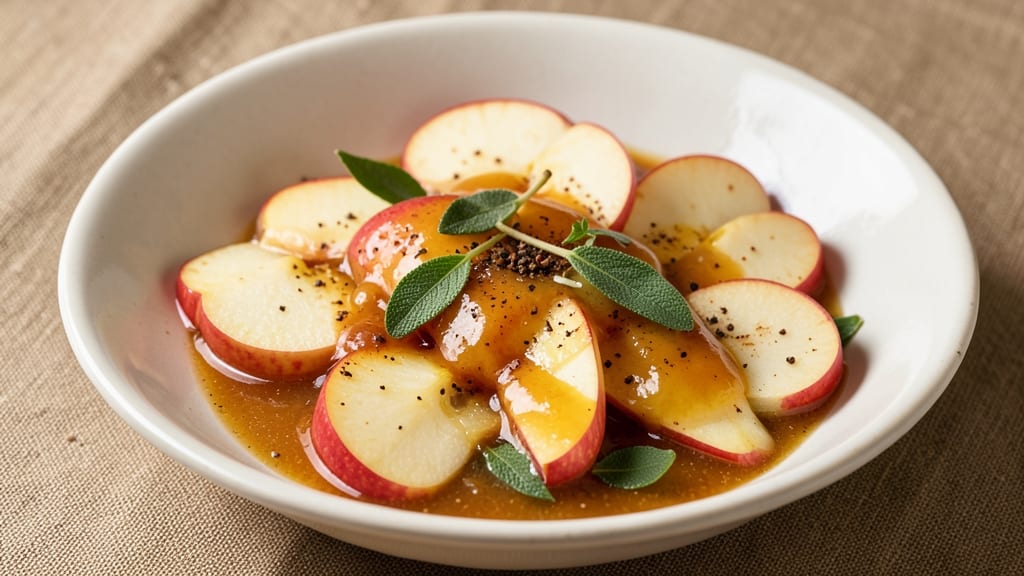
This apple and sage sauce recipe transforms simple roasts into a showstopping centerpiece with its velvety texture and aromatic depth. The combination of tender apples, earthy sage, and warm spices creates a pan drizzle that elevates everything from turkey to pork.
What makes this sauce special is how it balances sweetness with savory notes—just enough spice to complement rich meats without overpowering them.
The process is straightforward yet impressive: simmer apples, broth, and butter until the fruit breaks down into a silky consistency, then blend with fresh sage and a touch of cinnamon for warmth.
The result is a sauce that clings beautifully to roasted meats, offering a glossy finish and layers of flavor in every bite. Unlike store-bought versions, this one is customizable—adjust the sweetness or herbs to suit your taste.
Perfect for holiday feasts or weeknight dinners, this sauce works as a glaze, dipping sauce, or pan reduction. It keeps well in the fridge for up to 5 days, making it ideal for meal prep.
The secret lies in the slow simmer, which develops rich caramelized flavors while maintaining a smooth, pour-able texture.
Pair it with roasted chicken, turkey, or even grilled vegetables for a restaurant-worthy touch. The versatility ensures it’s always useful, while the aromatic blend of apple and sage makes every dish feel special. Here’s how to make it—simple steps for a sauce that tastes like it took hours to prepare.
Ingredients for apple and sage sauce
Eight ingredients blend into a velvety sauce that transforms roasts into holiday-worthy centerpieces.
| Ingredient | Amount | Notes |
|---|---|---|
| Honeycrisp Apples 🍎 | 2 medium | Peeled, cored, sliced thin |
| Unsalted Butter 🧈 | ½ cup | Cold, cubed for slow melt |
| Chicken Broth 💧 | 1 ½ cups | Low-sodium preferred |
| Fresh Sage Leaves 🌿 | ½ cup | Stems removed, loosely packed |
| Ground Cinnamon 🌶️ | ½ tsp | Freshly ground preferred |
| Ground Cloves 🌶️ | ¼ tsp | Lightly toasted for depth |
| Granulated Sugar 🍚 | 2 tbsp | Adjust to taste |
| Fresh Lemon Juice 🍋 | 1 tbsp | Brightens flavor profile |
| Salt 🧂 | ½ tsp | Fine sea salt preferred |
| Black Pepper 🌶️ | ¼ tsp | Freshly cracked |
Apple choice matters—Honeycrisp or Fuji hold their shape during simmering, preventing a mushy texture. Whole Foods or local markets often carry the best varieties, but any crisp apple works. The butter should be cold and cubed when added to create a silky emulsion. For chicken broth, Pacific Foods or Swanson low-sodium are reliable choices. Fresh sage has a more robust flavor than dried—buy it in small bunches and store it wrapped in damp paper towels in the fridge.
No Honeycrisp apples? Gala or Pink Lady work equally well. Substitute vegetable broth for chicken if needed, though the flavor will differ slightly. Dried sage can be used at one-third the amount, but fresh is ideal. The sugar can be swapped for maple syrup or brown sugar for deeper caramel notes. For a tangier sauce, add an extra lemon zest. If you prefer less spice, reduce the cloves to one-eighth teaspoon or omit entirely.
This sauce develops best when made ahead—reheat gently on the stove to maintain its glossy texture. Keeps in the fridge for 5 days in an airtight container, though it's best used within 3 days for peak flavor. For longer storage, freeze in ice cube trays and transfer to a bag. Thaw overnight in the fridge before reheating. The sauce pairs beautifully with roasted meats, grilled vegetables, or even as a drizzle over mashed potatoes.
Why You'll Love This Recipe
- Here’s what sold me: the way warm butter melts into those crisp apples, then gets kissed by sage and a whisper of cinnamon. It’s rich but bright, earthy but sweet—like autumn in a pan. The broth keeps it from being cloying, so every spoonful feels balanced.
- No Chopping Needed: I’ll admit, I’m lazy—so when I found out Honeycrisp apples hold their shape perfectly when sliced thin (no dicing, no fuss), I was sold. Toss them in whole, and the stove does the rest while you stir in butter and broth. That’s 10 minutes I didn’t spend at the cutting board.
- Sweet-Savory Magic: Here’s what sold me: the way warm butter melts into those crisp apples, then gets kissed by sage and a whisper of cinnamon. It’s rich but bright, earthy but sweet—like autumn in a pan. The broth keeps it from being cloying, so every spoonful feels balanced.
- Dresses Up Everything: Between us, this sauce is my secret weapon. Drizzle it over roasted chicken, toss it with mashed potatoes, or spoon it onto grilled pork chops. Even my picky teenager asks for it on his plain toast. Honestly, the only limit is your imagination (or what’s left in your fridge).
Step-by-step instructions for warm spiced apple-sage pan drizzle
This method delivers a rich, aromatic sauce that pairs perfectly with roasted meats.
Sauté the Sage Leaves Until Fragrant
Melt the 0.5 cup unsalted butter in a medium saucepan over medium heat. Once the butter has stopped foaming, add the 0.5 cup fresh sage leaves (stems removed) and cook for 1-2 minutes until the leaves just begin to crisp at the edges. You'll notice the aroma fill your kitchen—this is when you know they're ready.
Remove the sage leaves with a slotted spoon and set them aside for later use. The butter will retain their flavor, creating the aromatic base for your sauce. If the butter begins to brown too quickly, reduce the heat slightly to prevent burning.
Cook the Apples Until Tender
In the same saucepan, add the 2 medium peeled and sliced Honeycrisp apples. Cook them over medium heat for 5-6 minutes, stirring occasionally, until they begin to soften. The apples should release their juices and create a light syrup in the pan.
Add the 1.5 cups chicken broth, scraping up any browned bits from the bottom of the pan. These flavorful bits contain concentrated apple and sage essence that will deepen your sauce. Bring the mixture to a gentle simmer and let it cook uncovered for 8-10 minutes until the apples are completely tender.
Build the Spiced Sauce
Stir in the 0.5 tsp ground cinnamon, 0.25 tsp ground cloves, 2 tbsp granulated sugar, 1 tbsp fresh lemon juice, 0.5 tsp salt, and 0.25 tsp black pepper. The spices will infuse the sauce with warm, aromatic notes while the lemon juice brightens the overall flavor profile.
Return the crisped sage leaves to the pan and simmer the mixture for another 5 minutes until it has thickened slightly. The sauce should coat the back of a spoon and have a syrupy consistency. If it thickens too much before reaching this point, add 1-2 tablespoons of water to achieve the desired texture.
Finish and Strain for Smoothness
Remove the pan from heat and let the sauce rest for 2-3 minutes. This resting period allows the flavors to meld together. Use a fine-mesh strainer to remove any remaining apple pieces and sage stems, pressing gently with a spoon to extract all the flavorful liquid.
Return the strained sauce to the pan and warm it gently over low heat for 1-2 minutes. This final warming step ensures your sauce is ready to drizzle over roasted meats, potatoes, or even as a glaze for vegetables. Serve immediately while warm for the best flavor experience.
Pro Tips For Making Apple And Sage Sauce
- Peel Apples Thin: Use a sharp peeler—don’t strip the flesh. Honeycrisp stays juicy and tender when you leave a thin layer on the skin side, so you’re not fighting soggy chunks later. (Yes, even if it looks like you’re being lazy.)
- Sear Sage First: Toss whole sage leaves in a dry pan for 10 seconds before adding butter. The leaves crisp just enough to release their aroma into the sauce—like a little flavor bomb. (I learned this the hard way after making sauce that tasted like sage should taste, not did taste.)
- Simmer, Don’t Boil: Keep the chicken broth at a gentle bubble—no rolling boil. You want the apples to soften, not turn to mush, and a fast boil will shred them faster than a toddler with a spoon. (Your future self will notice the difference.)
- Toast Cinnamon: Bloom the cinnamon in butter for 30 seconds before adding apples. The warm spice deepens the flavor—like the difference between black coffee and a latte. (Skip this, and you’re just sprinkling dust.)
Perfect pairings for this dish
Roasted Meat Pairings
This sauce transforms herb-roasted turkey into a centerpiece-worthy dish. Brush it onto the turkey in the last 15 minutes of roasting, then baste with the pan juices. I love using it with pork tenderloin—coat the meat in the sauce before roasting at 400°F for 20-25 minutes until caramelized.
For a lighter option, try it with chicken thighs roasted at 375°F for 40 minutes, basting halfway through. 🍗
Vegetable Glazes
Use this sauce as a glaze for roasted Brussels sprouts or carrots. Toss them in 1 tbsp olive oil, roast at 425°F for 20 minutes, then drizzle with the warm sauce.
The apple-sage combo adds a sweet-savory contrast that balances earthy vegetables. For extra richness, add a dollop of Gorgonzola crumbles after drizzling. 🥕
Dipping Sauce Magic
Serve this sauce chilled as a dipping sauce for baked sweet potato fries or pho noodles. The sweetness of the apples and earthy sage create a perfect balance with crispy textures. I like to thin it slightly with 2 tbsp water for easier dipping.
It’s also fantastic with chicken wings—toss baked wings in the sauce before serving for a sticky, flavorful finish. 🍗
Breakfast Twist
Warm this sauce and drizzle it over pancakes or French toast for a gourmet breakfast. The apple-sage flavors pair beautifully with ricotta or mascarpone cheese dollops. For a savory option, serve it with crispy hash browns and a fried egg on top.
The warmth of the spices makes it a comforting morning treat. 🥞
Cheese Board Elevator
Use this sauce as a dip for soft cheeses like brie or goat cheese on a charcuterie board. The sweetness cuts through the richness of the cheese, while the sage adds an aromatic depth.
Pair it with crackers or baguette slices for a sophisticated appetizer. I love adding a sprinkle of toasted walnuts for crunch. 🧀
Meal Prep Hack
Make a double batch and store it in the fridge for up to 5 days—it reheats beautifully as a quick pan sauce for weeknight dinners. Use it to deglaze roasting pans for extra flavor.
For a make-ahead holiday tip, freeze it in ice cube trays, then thaw and reheat individual portions as needed. 📅
Nutrition facts
Frequently asked questions
Can I use dried sage instead of fresh?
Yes, but use one-third the amount—so 1/6 teaspoon dried instead of 0.5 cup fresh. Toast the dried sage lightly in a dry pan for 30 seconds to enhance its flavor before adding it to the sauce. Fresh sage gives a brighter aroma, but dried works in a pinch.
How do I adjust the sweetness level?
Start with the 2 tablespoons sugar called for, then taste as you go. For less sweetness, reduce to 1 tablespoon or omit entirely. If you prefer more caramel notes, swap the sugar for maple syrup or add an extra 1/2 teaspoon cinnamon—both deepen the sweet-savory balance.
Can I make this sauce ahead of time?
This sauce actually tastes better when made 1-2 days ahead. Store it in an airtight container in the fridge for up to 5 days. Reheat gently on the stove over low heat until warm—stirring occasionally to prevent scorching. For longer storage, freeze in ice cube trays and transfer to a bag.
What if my sauce turns out too thick?
Thin it with 1-2 tablespoons warm water or chicken broth while reheating. Stir gradually until you reach a smooth, pourable consistency. For a richer texture, whisk in 1 teaspoon butter—it helps emulsify the sauce while adding depth. The ideal consistency should coat the back of a spoon but still flow easily.
What are the best apples for this recipe?
Use Honeycrisp, Fuji, or Pink Lady apples—they hold their shape during cooking and have a perfect balance of sweetness and tartness. Avoid mealy varieties like Gala or Red Delicious, as they break down too much. If you can't find these, Granny Smith works well for a tangier twist—just add an extra 1/2 teaspoon sugar to balance the acidity.