
Sauces & Condiments
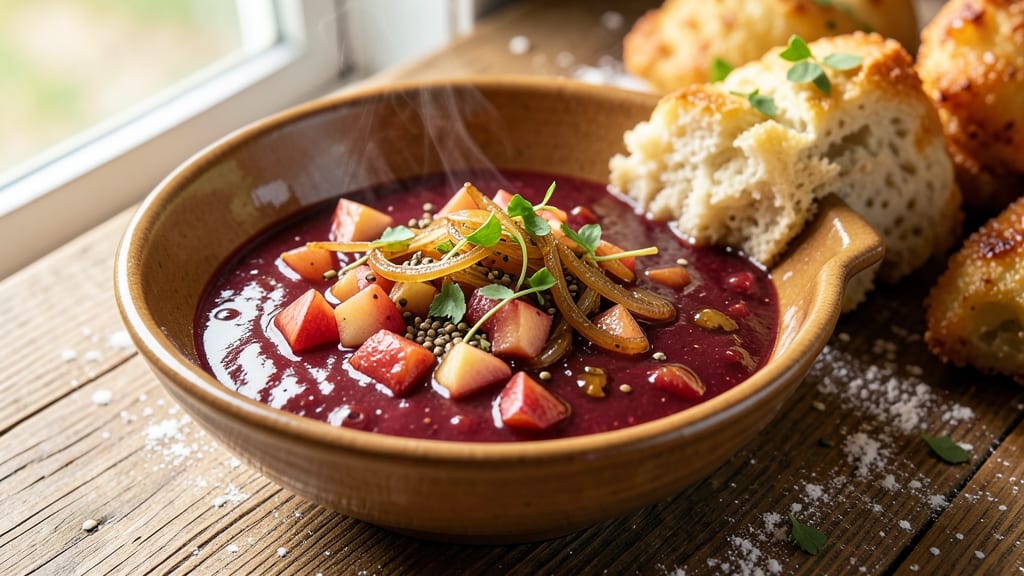
This apple chutney sauce recipe transforms simple apples into a vibrant, spiced blend perfect for dipping, glazing, or pairing with cheese. The balance of sweet-tart flavors and warm spices makes it a versatile condiment that elevates everything from sandwiches to roasted meats.
I developed this recipe to capture the essence of autumn—rich, aromatic, and just sweet enough to complement savory dishes without overpowering them.
The secret lies in slow-cooking the apples with vinegar, spices, and a touch of sweetener until they break down into a thick, glossy sauce. Cinnamon and ginger add warmth, while a splash of vinegar brightens the flavor profile.
This sauce keeps well in the refrigerator for up to two weeks or can be canned for long-term storage, making it ideal for meal prep or gifting.
What makes this chutney sauce special is its dual purpose: it works as a bold dip for crackers or cheese boards and as a glaze for roasted poultry or pork. The texture is smooth yet slightly chunky, with just enough bite to keep every bite interesting.
Whether you're hosting a dinner party or simply looking to add depth to your meals, this sauce delivers restaurant-quality flavor at home.
Pair it with sharp cheddar, aged gouda, or even grilled meats for a flavor combination that’s both comforting and sophisticated. The recipe scales easily, so you can make a small batch for immediate use or double it for future meals. Let’s get started on creating this versatile, crowd-pleasing sauce.
Ingredients for apple chutney sauce
Nine simple ingredients for a sauce that's bold, sweet-tart, and perfect for dipping or glazing.
| Ingredient | Amount | Notes |
|---|---|---|
| Apples 🍎 | 4 medium | Peeled, cored, diced |
| Onion 🧅 | 1 medium | Peeled, diced |
| Apple Cider Vinegar 🍶 | ½ cup | Raw, unfiltered preferred |
| Granulated Sugar 🍚 | ½ cup | Light brown sugar for depth |
| Ground Cinnamon 🌿 | 1 tsp | Freshly ground preferred |
| Ground Ginger 🌿 | ½ tsp | Freshly ground for warmth |
| Ground Cloves 🌶️ | ¼ tsp | Whole cloves toasted first |
| Salt 🧂 | ½ tsp | Kosher or sea salt |
| Fresh Lemon Juice 🍋 | 2 tbsp | Freshly squeezed |
| Olive Oil 🫒 | 1 tbsp | Extra-virgin for richness |
Apples are the heart of this sauce—Honeycrisp or Fuji hold up best during cooking. I grab mine from the local orchard in fall when they're at peak sweetness, but grocery store apples work too. The onion adds depth, so don't skip it—yellow or red both work, but yellow has more natural sweetness. For the vinegar, raw, unfiltered apple cider vinegar gives the best flavor. If you can't find it, regular apple cider vinegar is fine, but it'll be slightly milder. The spices? Penzeys or bulk bins are your friends here—freshly ground spices make all the difference.
No apple cider vinegar? White vinegar or balsamic vinegar work in a pinch, but add a pinch of sugar to balance the acidity. Want more sweetness? Substitute maple syrup for the sugar—it adds complexity. Running low on cloves? Allspice works at double the amount. The lemon juice is non-negotiable—it brightens everything. If you're out, lime juice at half the amount gives a similar tang. For the olive oil, any neutral oil works, but extra-virgin adds richness that's worth the splurge.
This sauce tastes even better the next day as flavors meld. Store in an airtight jar in the fridge for up to 2 weeks. For longer storage, can it following standard canning procedures—it keeps for 1 year in the pantry. I always make a double batch because it disappears fast. Perfect for cheese boards, sandwiches, or as a glaze for roasted meats. The texture thickens as it cools, so stir in a splash of water if it gets too stiff.
Why You'll Love This Recipe
- No Chopping Drama: I swear by this recipe because the apples go in whole—peeled, cored, and sliced thick. No dice, no fuss, just toss them in and let the vinegar work its magic while you stir. (Yes, even on a Tuesday night when I’m already exhausted.)
- Sweet-Savory Magic: That first bite of tangy-sweet heat? It’s the apple cider vinegar cutting through the sugar like a knife through butter, while the cinnamon lingers like a warm hug. Honestly, it’s the kind of flavor that makes you reach for seconds without thinking.
- Pantry Staple Power: Use it as a glaze for roasted pork, a dip for cheese boards, or a swirl over yogurt—this stuff doesn’t quit. Between us, I’ve even drizzled it over grilled chicken when I’m lazy. The onions caramelize just enough to add depth, so it’s never one-note.
- Lasts Like a Champ: Make a big batch and store it in the fridge for weeks. The vinegar keeps it fresh, and the sugar balances any softness in the apples over time. I’ll be real: I’ve had jars sit for months, and it’s still better than store-bought chutneys. Budget win.
Step-by-step instructions for apple chutney sauce
Here's how to create a perfectly balanced sweet-tart chutney that's ideal for dipping, glazing, or pairing with cheese.
Sauté the Aromatics Until Soft
Heat the 1 tablespoon olive oil in a medium saucepan over medium heat. Add the 1 medium diced onion and cook for 5-6 minutes, stirring occasionally, until the onion becomes translucent and just begins to caramelize at the edges. This step develops the base flavor—don't rush it, or the onion will burn.
I like to press down gently on the onion pieces with a wooden spoon during the first minute to help them break down more evenly. You'll know it's ready when the onion releases easily from the pan and smells sweet and mellow. This aromatic foundation is what makes the chutney taste so rich and complex.
Add Apples and Spices
Increase the heat to medium-high and add the 4 medium diced apples. Stir to coat them in the onion mixture, then sprinkle in the 1 tsp ground cinnamon, 0.5 tsp ground ginger, 0.25 tsp ground cloves, and 0.5 tsp salt. Stir well to distribute the spices evenly over the apples.
Cook for 4-5 minutes until the apples begin to soften slightly at the edges but still retain some bite. The spices will start to release their warm, aromatic fragrance—this is when your kitchen will smell amazing. Here's the thing: if you notice the apples browning too quickly, reduce the heat slightly to medium to prevent burning while still allowing them to cook through.
Simmer with Vinegar and Sugar
Pour in the 0.5 cup apple cider vinegar and 0.5 cup granulated sugar, stirring constantly to dissolve the sugar completely. Bring the mixture to a gentle boil, then immediately reduce the heat to low and let it simmer uncovered for 15-20 minutes. You want the chutney to thicken gradually while maintaining that perfect balance of sweet and tart.
During this time, stir occasionally to prevent sticking. You'll notice the mixture will reduce slightly and become glossy. The vinegar will help preserve the chutney while adding that signature tang, and the sugar will caramelize just enough to give it that beautiful depth of flavor. If you see the chutney getting too thick before the 15 minutes are up, add 1-2 tablespoons of water to maintain the right consistency.
Finish with Lemon Juice and Rest
Once the chutney has thickened to your desired consistency (it should coat the back of a spoon but still be spreadable), remove it from the heat. Stir in the 2 tablespoons fresh lemon juice—this brightens the flavors and cuts through any lingering sweetness. Taste and adjust the seasoning if needed; you might want to add a pinch more salt or sugar depending on your preference.
Transfer the chutney to a clean jar and let it cool to room temperature. I know it's tempting to use it immediately, but letting it rest for at least 30 minutes (or up to 2 hours in the refrigerator) allows the flavors to meld beautifully. The chutney will continue to thicken as it cools, so if it seems too thin when warm, don't worry—it'll come together perfectly when it's fully cooled.
Store and Use
The chutney will keep in the refrigerator for up to 2 weeks in an airtight container. It's perfect for dipping with cheese, spreading on sandwiches, or using as a glaze for roasted meats. The flavors actually improve over time, so if you have leftovers, they'll taste even better the next day.
For the best texture, give the chutney a quick stir before using—sometimes the spices settle at the bottom. If it thickens too much in the fridge, just add a splash of water or apple cider vinegar to loosen it up. This versatile chutney is a game-changer for adding depth to so many dishes, and it's easier to make than you might think!
Pro Tips For Making Apple Chutney Sauce
- Cook Apples Small: Dice apples into ¼-inch cubes—not slices or chunks. I learned this the hard way: larger pieces stay tough and undercooked, while smaller ones soften evenly and release flavor faster. If using a mix of tart and sweet apples, chop them uniformly so the sauce balances properly.
- Sweat Onions Low: Cook onions over medium-low heat until translucent, not browned. I used to rush this, and the chutney always tasted bitter. A splash of water halfway through keeps them from sticking—just stir occasionally and let them melt down slowly.
- Add Vinegar Last: Stir in apple cider vinegar only in the final 2 minutes of cooking. This prevents the sugar from crystallizing prematurely and keeps the acid bright. If you add it too early, the sauce will taste harsh and unbalanced—trust me, you’ll notice.
- Skip the Peels: Peel the onions and apples unless you’re going for a rustic, textured bite. The skins add bitterness and uneven texture, especially in a smooth sauce. A vegetable peeler makes this step quick—no need to waste time scraping later.
Storing and reheating your leftovers
Refrigerator Storage
Transfer your chutney to a clean, airtight glass jar once fully cooled—Ball Mason jars work perfectly. Store it in the refrigerator where it’ll keep for up to 2 weeks while flavors deepen beautifully.
The glass preserves the sauce’s vibrant color and prevents absorption of fridge odors. I always label my jars with the date to track freshness. 💛
Freezing for Long-Term
For extended storage, portion the chutney into freezer-safe containers or silicone molds, leaving ½-inch headspace for expansion. Freeze for up to 6 months—the texture remains intact, though it may thicken slightly.
Thaw overnight in the fridge and stir in 1 tablespoon of water if needed to restore smoothness. I freeze individual portions for easy use in sandwiches or dips.
Reheating Methods
For best results, reheat chilled chutney in a small saucepan over low heat with 1 tablespoon of water or apple cider vinegar. Stir constantly until warmed through (165°F internal temp).
Avoid microwaving—it can make the texture grainy. If using as a glaze, warm it slightly to loosen consistency before brushing onto meats. 🔥
Reviving Thickened Chutney
If your chutney separates or thickens too much in storage, simply stir in 1-2 teaspoons of warm water or apple cider vinegar while warm. For extra richness, add ½ teaspoon of olive oil to restore that glossy finish.
I’ve even successfully revived overly thick chutney by blending it briefly—it becomes silky smooth again. The key is patience and small adjustments.
Canning for Pantry Storage
For shelf-stable chutney, process in a water bath canner for 15 minutes after filling sterilized jars. Use new lids and rings for a perfect seal. Store in a cool, dark place where it’ll last 1 year.
I double-check seals by pressing the lid center—if it doesn’t pop back, it’s properly sealed. This method preserves the chutney’s vibrant flavor for holiday gifting or emergency meal prep.
Texture Tips
If your chutney becomes too thick after refrigeration, blend it briefly with 1 tablespoon of water for a smoother consistency. For extra chunkiness, stir in diced crystallized ginger or raisins before storing.
The texture should be spreadable but not runny—adjust with vinegar or water as needed. I always taste-test after reheating to ensure perfect balance. ✨
Nutrition facts
Frequently asked questions
Can I use any type of apple for this chutney sauce?
For the best results, choose firm, tart-sweet apples like Honeycrisp or Fuji. These hold their shape during cooking and provide a balanced flavor. Avoid overly soft varieties like Red Delicious, which can turn mushy. If you only have sweet apples, add an extra 1 tablespoon of lemon juice to enhance the tartness.
How can I adjust the sweetness or spice level?
Start with the recipe as written, then taste as you go. For more sweetness, add 1 tablespoon of sugar at a time. To increase spice, add ¼ teaspoon of ground cloves or a pinch of cayenne. If you prefer milder flavor, reduce the spices by half. Remember, the sauce thickens as it cools, so don't over-adjust while warm.
What are the best ways to use leftover chutney?
This versatile sauce works as a dip for aged cheddar or gouda, a glaze for roasted pork or chicken, or a spread on toasted baguette slices. Try it as a marinade for grilled sausages or mixed into yogurt-based dips. The possibilities are endless—experiment with both sweet and savory pairings!
Why did my chutney turn out too thin?
Chutney thickens as it cools, but if it's still too thin after refrigerating, simmer it uncovered for 5-10 extra minutes to reduce the liquid. If you prefer a thicker texture, reduce the apple cider vinegar by 2 tablespoons next time. For immediate fixes, stir in 1 teaspoon of cornstarch mixed with 1 tablespoon water and cook for 1 minute to thicken.
Can I make this chutney without vinegar?
While vinegar helps preserve the chutney and adds tang, you can substitute ½ cup of apple juice or orange juice for a milder flavor. However, the sauce will keep only 1 week in the fridge without vinegar. For best results, stick with the vinegar—it's what gives traditional chutney its signature balance.