
Desserts
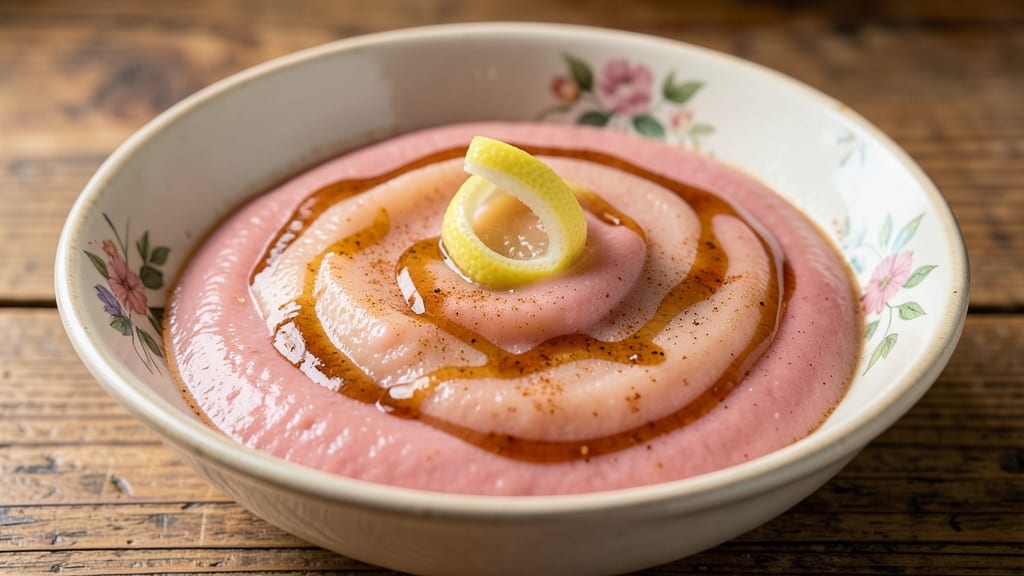
This apple and pear puree recipe transforms seasonal fruit into a versatile, warm spiced blend perfect for baking or breakfast toppings. The process is surprisingly simple: peel, core, and simmer the fruit until tender, then blend until silky smooth.
A touch of cinnamon and lemon brightens the natural sweetness, creating a puree that works in everything from apple tarts to yogurt bowls.
The beauty of this recipe lies in its flexibility—use it as a pie filling, pancake topping, or even a smoothie base. Cooking the fruit first ensures a smooth texture without lumps, while the spices deepen the flavor profile.
It keeps well in the fridge for up to a week or freezes for months, making it a pantry staple for quick desserts and breakfasts.
What sets this puree apart is how effortlessly it elevates simple dishes. The natural sweetness of ripe apples and pears balances perfectly with warm spices, while the silky texture adds richness to both sweet and savory applications.
Whether you're prepping for a holiday bake sale or just want a healthier breakfast option, this puree delivers restaurant-quality results with minimal effort.
For best results, choose firm but ripe fruit—it blends more smoothly and holds its shape when used in fillings. Adjust the spice level to taste, and consider adding a splash of vanilla extract for extra depth.
This puree is your secret weapon for turning ordinary baked goods and breakfasts into something extraordinary.
Ingredients for apple and pear puree
Eight simple ingredients create a silky puree perfect for baking or breakfast toppings.
| Ingredient | Amount | Notes |
|---|---|---|
| Apples 🍎 | 4 medium | Firm but ripe, peeled and cored |
| Pears 🍐 | 4 medium | Firm but ripe, peeled and cored |
| Cinnamon 🌿 | 1 tsp | Ground for warmth |
| Lemon Juice 🍋 | 2 tbsp | Freshly squeezed |
| Vanilla Extract 🌸 | 1 tsp | Pure vanilla for depth |
| Water 💧 | ½ cup | For simmering |
| Maple Syrup 🍁 | 2 tbsp | For sweetness balance |
| Salt 🧂 | ¼ tsp | Kosher or sea salt |
The apples and pears are the foundation—Honeycrisp and Bosc work best for their balance of sweetness and firmness. Whole Foods or local orchards often have the freshest seasonal fruit, but any firm, ripe variety will do. Pears should be just slightly soft to the touch, while apples should yield gently when pressed. Avoid bruised spots—they’ll make the puree bitter. For convenience, Trader Joe’s pre-washed fruit section saves time, though peeling and coring yourself ensures the smoothest texture. If you’re using pre-cut fruit, rinse it thoroughly to remove any surface starch.
No cinnamon? Nutmeg or cardamom add warmth in a pinch, though cinnamon’s sweet-spice profile is ideal. Short on lemon juice? Orange juice or vinegar brightens the puree, but lemon’s acidity helps balance the fruit’s natural sugars. Maple syrup can be swapped for agave nectar or date syrup—just taste as you go. The vanilla extract is optional but adds depth; if you skip it, a pinch of ground vanilla bean works too. For a smoother blend, strain the puree through a fine-mesh sieve if you don’t have a high-powered blender. And if your fruit is particularly tart, add a tiny pinch of baking soda while blending to soften the acidity.
This puree keeps beautifully in the fridge for up to 1 week in an airtight container, or freeze for up to 6 months in ice cube trays for single-serving portions. Reheat gently on the stove or microwave until warm—it’s perfect for topping oatmeal, swirling into yogurt, or using as a pie filling. For a restaurant-quality finish, sprinkle with a dash of cinnamon or toasted nuts before serving. The flavor actually improves over time as the spices meld, so make a big batch and store it for future use.
Why You'll Love This Recipe
- Few Ingredients, Big Payoff: I swear by this recipe—just apples, pears, cinnamon, and a splash of lemon juice. No fancy gadgets, no stress. Peel, core, blend, and you’re done. That’s it. Honestly, the simplicity makes it my go-to when I’m too tired to fuss.
- Sweet-Spiced Magic: The cinnamon and vanilla turn this puree into something ridiculously good—like fall in a jar. The lemon juice keeps it bright, so it’s not cloying, just perfectly balanced. I’ll be real: I’ve made it plain before, but the spice? Total game-changer.
- Freezer-Friendly Staple: Make a big batch and freeze it in ice cube trays—perfect for smoothies, oatmeal, or baking later. I always have at least two jars stashed; it’s my secret weapon for quick breakfasts or last-minute desserts. No waste, just convenience.
- Budget Breakfast Boost: Apples and pears are cheap, and this puree stretches further than you’d think. Spread it on toast, mix it into yogurt, or use it as a pancake topping. My kids ask for it every morning, and it costs me pennies. That’s what I call a win.
Step-by-step instructions for warm apple and pear puree
Here's how to create a velvety, spiced puree that's perfect for baking or breakfast toppings.
Prepare the Fruit
Start by peeling, coring, and chopping the 4 medium apples and 4 medium pears into roughly ½-inch chunks. I like to use a sharp chef's knife for this—it gives you cleaner cuts and prevents bruising the fruit. Place the chopped fruit in a large pot and add the 0.5 cup water.
Bring the mixture to a gentle boil over medium-high heat, then immediately reduce to medium-low heat. Let it simmer uncovered for 10-12 minutes until the fruit softens completely. You'll know it's ready when a fork slides in easily with no resistance. The fruit should release its juices freely, creating a fragrant base for your puree.
Simmer and Sweeten
Once the fruit is tender, stir in the 2 tbsp maple syrup, 1 tsp cinnamon, and 0.25 tsp salt. Let the mixture simmer for another 5 minutes to allow the flavors to meld together. This is where the magic happens—the spices infuse into the fruit, creating that warm, comforting aroma.
I like to taste the mixture at this stage to adjust the sweetness. If it needs more balance, add another 1 tbsp maple syrup. The puree should be naturally sweet but still have room for the bright acidity of the lemon juice we'll add next.
Finish with Acid and Vanilla
Remove the pot from heat and stir in the 2 tbsp lemon juice and 1 tsp vanilla extract. The lemon juice brightens the flavors and prevents the puree from tasting flat. Let the mixture sit for 5 minutes to allow the vanilla to infuse fully.
This is also the perfect time to check the consistency. If the puree is too thick, add 1-2 tablespoons of water to reach your desired texture. For a smoother puree, you can blend it with an immersion blender right in the pot, or transfer it to a food processor for a completely silky finish.
Serve or Store
Transfer the warm puree to serving bowls or jars. It's delicious served immediately as a breakfast topping over yogurt or oatmeal, or as a flavorful addition to baked goods like muffins or cakes. The warm spices and natural sweetness make it a versatile ingredient for both sweet and savory dishes.
For storage, let the puree cool completely, then transfer it to airtight containers. It will keep in the refrigerator for up to 5 days or can be frozen for up to 3 months. When reheating, warm it gently on the stove or in the microwave until it reaches your desired serving temperature.
Pro Tips For Making Apple And Pear Puree
- PEEL AND CORE LIKE A PRO: Grab a sharp paring knife instead of a peeler—it’s faster and keeps the fruit intact. Cut a small "X" at the stem end, then twist to pop out the core whole. (I learned this the hard way after watching three apples roll away mid-peel.)
- COOK LOW AND SLOW: Simmer the fruit on medium-low heat, uncovered, until it’s fork-tender—about 15-20 minutes. Rushing it makes the puree grainy, and you’ll end up with a sad, watery mess. (Yes, even if you’re impatient like me.)
- SAVE THE SKINS: Toss the peels into the pot with the fruit—they add fiber and depth of flavor. Just make sure the fruit is organic or well-washed, or you’ll regret it later. (Trust me, the texture changes.)
- STRAIN FOR SILK: Use a fine-mesh sieve or cheesecloth to strain the puree, then press out every last drop with a wooden spoon. The effort guarantees a velvety finish—no one will guess you didn’t blend it from scratch.
Common mistakes when making perfect results
Overcooking the Fruit
Simmering the fruit for too long turns your puree into a mushy, watery mess. Apples and pears release their juices quickly, so keep a close eye on them after the initial 10-12 minutes of simmering.
Overcooked fruit loses its natural sweetness and develops a dull, cooked-on flavor. I’ve ruined a batch by walking away for just 5 extra minutes—trust me, it’s not worth it. 🌶️
Skipping the Acid Balance
The lemon juice isn’t just for flavor—it’s the secret to preventing a flat, one-dimensional puree. Without it, the natural sugars in the fruit can make the puree taste cloying or even slightly bitter over time.
I once made a batch without lemon and regretted it when the puree lost its brightness after just 24 hours in the fridge. Always add that 2 tbsp lemon juice—it’s non-negotiable for a balanced result.
Using Unripe Fruit
Hard, unripe apples and pears will never blend smoothly, no matter how long you cook them. They’ll turn out grainy and tough, ruining the silky texture you’re aiming for. Always pick fruit that’s firm but yields slightly to gentle pressure—think of it like a ripe avocado.
If you’re unsure, cut into the fruit: it should be juicy but not mushy. Honeycrisp apples and Bosc pears are my go-tos because they strike the perfect balance.
Ignoring the Vanilla Infusion
Vanilla extract needs time to meld into the puree—don’t just stir it in and call it a day. Let the mixture sit off the heat for at least 5 minutes (or up to 10 minutes if you’re patient).
Skipping this step leaves the vanilla flavor sharp and artificial. Pro tip: Warm the vanilla extract slightly before adding it—this releases its aromatic compounds for a deeper flavor. 💫
Blending Without Water
If your puree is too thick to blend smoothly, don’t force it—you’ll end up with a lumpy mess. Add 1-2 tablespoons of water (or the fruit’s cooking liquid) and blend again. I’ve seen home cooks struggle with this, only to give up and end up with a chunky, unsatisfying result.
A high-powered blender like a Vitamix helps, but even a basic immersion blender works if you add a little liquid first.
Storing Without Cooling First
Transferring hot puree directly to the fridge or freezer creates condensation, which can dilute the flavors and promote mold growth. Always let the puree cool to room temperature before storing.
I learned this the hard way when a batch of puree developed mold after just 3 days because I rushed the cooling process. Patience here ensures your puree stays fresh and delicious for weeks.
Nutrition facts
Frequently asked questions
Can I substitute other fruits for apples and pears?
Yes! For a similar texture, try peaches and plums or cinnamon apples and apricots. Avoid overly watery fruits like berries—they’ll dilute the puree. If using stone fruits, reduce simmering time to 8-10 minutes since they soften faster. The key is balancing firmness and sweetness.
How do I adjust the sweetness if my fruit is tart?
Add 1-2 extra tablespoons of maple syrup while simmering, or balance with ½ teaspoon more cinnamon. For tart apples, a splash of orange juice (instead of lemon) can add sweetness while keeping the bright flavor. Always taste before blending—you can adjust, but you can’t take sweetness out!
Can I make this puree without cooking the fruit?
Technically yes, but the texture will be grainy. For a raw version, blend peeled, cored fruit with 1 tablespoon lemon juice and 1 teaspoon vanilla, then strain through a fine-mesh sieve. Cooking softens fibers for a silky result, though—this method works best for smoothies or sauces where slight texture isn’t an issue.
What are the best ways to use this puree?
This versatile puree shines as a pie filling, muffin topping, or yogurt swirl. Warm it slightly for cheesecake layers or pancake syrups, and chill it for fruit tarts or ice cream mix-ins. For savory dishes, reduce it with butter and add a pinch of thyme for a glaze for roasted pork or chicken. The possibilities are endless!
Why does my puree separate when reheating?
This happens when the fruit fibers break down unevenly. To fix it, stir in 1 teaspoon cornstarch mixed with 1 tablespoon water while reheating on low heat. For prevention, blend the puree hot (not cold) using an immersion blender—heat helps emulsify the fibers. If stored properly, this shouldn’t happen with fresh batches!