
Main Courses
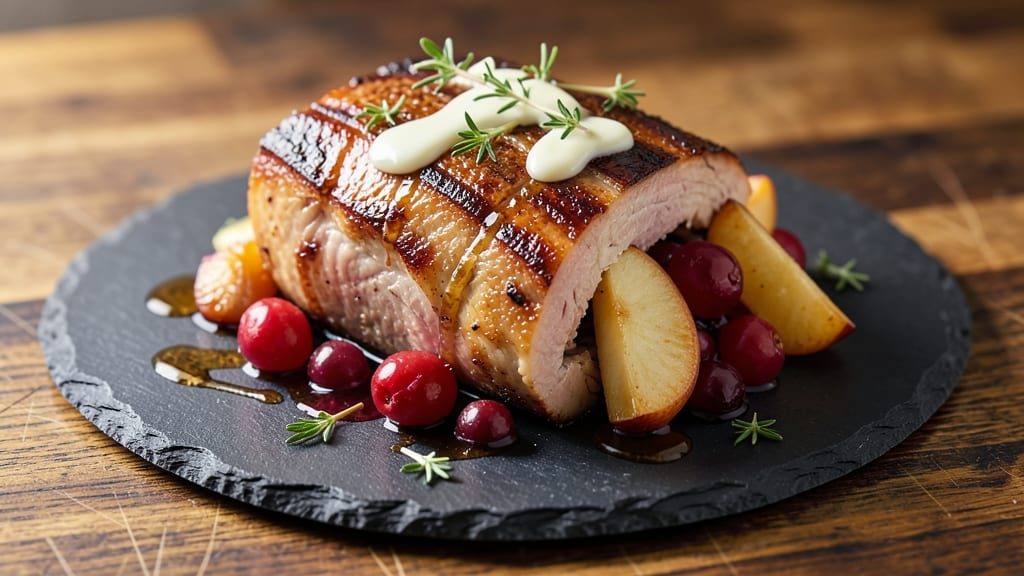
This apple cranberry stuffed pork tenderloin delivers restaurant-quality results with a sweet-savory filling that stays moist and tender every time. 🔥 As a pitmaster who's cooked thousands of pounds of pork, I know the secret lies in proper seasoning, precise cooking temperatures, and a stuffing that complements rather than competes with the meat.
The combination of tart cranberries and caramelized apples creates a balance that transforms a simple pork tenderloin into an impressive centerpiece.
The technique is straightforward but critical: sear the pork first to lock in juices, then stuff it with a mixture of apples, cranberries, and herbs that will infuse flavor as it cooks.
Roasting at 375°F ensures even doneness without drying out the meat, while basting with pan juices keeps everything tender and succulent. This method delivers professional-quality results without requiring advanced skills—just attention to detail.
What you'll end up with is perfectly tender pork with a golden crust, a filling that holds together beautifully, and a balance of sweet and savory flavors in every bite. The apples caramelize slightly while the cranberries add a bright tartness that cuts through the richness of the pork.
This dish pairs beautifully with roasted root vegetables or a simple green salad for a complete meal.
Whether you're cooking for a holiday gathering or a weeknight dinner, this recipe delivers impressive results with minimal effort. The stuffing stays moist and flavorful, and the pork emerges juicy and perfectly cooked. Let's get started on a dish that will impress even the most discerning guests.
Ingredients for apple cranberry stuffed pork tenderloin
Sweet-savory balance begins with these quality ingredients for perfectly moist stuffed pork tenderloin.
| Ingredient | Amount | Notes |
|---|---|---|
| Pork Tenderloin 🥩 | 1 ½ lb | Center-cut, trimmed of fat |
| Honeycrisp Apples 🍎 | 2 medium | Peeled, cored, diced small |
| Fresh Cranberries 🍇 | ½ cup | Chopped, not dried |
| Unsalted Butter 🧈 | 2 tbsp | Cold, cubed for searing |
| Diamond Crystal Kosher Salt 🧂 | 1 ½ tsp | For seasoning pork |
| Fresh Thyme Leaves 🌿 | ¼ cup | Chopped, stems removed |
| Fresh Rosemary 🌿 | 1 tbsp | Chopped, finely |
| Granulated Garlic 🧄 | 1 tsp | For stuffing seasoning |
| Ground Black Pepper 🌶️ | ½ tsp | Freshly cracked |
| Brown Sugar 🍚 | 1 tbsp | Lightly packed |
| Apple Cider Vinegar 🍏 | 1 tbsp | For basting |
| Olive Oil 🫒 | 1 tbsp | Extra-virgin for searing |
| Fresh Sage Leaves 🌿 | ¼ cup | Chopped, for stuffing |
The pork tenderloin should be center-cut and free of silver skin—Smithfield or Boar's Head are reliable brands at most grocery stores. Honeycrisp apples are ideal for their crisp texture and sweet-tart flavor, but Fuji or Gala work well too. Fresh cranberries are essential; dried would overpower the dish. For the herbs, Whole Foods or local farmers markets offer the freshest thyme and rosemary, which should have vibrant green leaves and a strong aroma. The key is balancing sweetness and acidity—brown sugar caramelizes beautifully, while apple cider vinegar keeps the filling bright.
No Honeycrisp apples? Granny Smith or Pink Lady add tartness that complements the cranberries. Fresh cranberries unavailable? Substitute 2 tbsp cranberry sauce, but reduce to half the amount. For a deeper herb flavor, toast the rosemary and thyme in a dry pan for 30 seconds before chopping—this intensifies their aroma dramatically. The apple cider vinegar can be swapped for red wine vinegar, though the flavor profile shifts slightly. Always use fresh herbs when possible; dried herbs should be used at one-third the amount. Pre-grated garlic? Toast it first*—this removes moisture and enhances flavor.
Pork tenderloin keeps best in the fridge for 2-3 days if uncooked, wrapped tightly in plastic. Fresh herbs should be stored in damp paper towels and sealed in a plastic bag for up to 5 days. The stuffed pork can be prepped ahead and refrigerated for 8 hours, but cook within 24 hours for optimal texture. Leftover pork reheats beautifully—wrap tightly and bake at 325°F*, basting with pan juices until warmed through. Portion the stuffing separately for easy reheating, as it dries out faster than the pork.
Why You'll Love This Recipe
- One-Pan Magic: I swear by this—just slice the pork, stuff it, and roast. No chopping boards, no extra pans, and the apples caramelize right into the meat. That’s 20 minutes of hands-off perfection while you stir a side salad or open a bottle of wine.
- Sweet-Savory Balance: The Honeycrisp apples stay crisp while the cranberries burst with tartness—like a Thanksgiving pie and a holiday ham had a delicious baby. Honestly, the butter basting seals the deal; it’s rich but not heavy, and every bite feels like a hug.
- Weeknight Hero: Between us, this is my go-to when I’m too tired to plan. The leftovers reheat beautifully, and the flavors only get better the next day. Pack it for lunches or freeze portions—it’s the kind of meal that makes you look like a cooking genius, even if you’re just winging it.
- Budget-Friendly Feast: Pork tenderloin stretches further than you’d think, and the apples/cranberries add freshness without breaking the bank. I’ll be real: the kosher salt and butter are the only splurges, but they’re worth it. This feeds four for under $20, and no one will guess it’s not a restaurant dish.
Step-by-step instructions for apple cranberry stuffed pork tenderloin
Master this technique and you'll achieve perfectly moist pork with a sweet-savory filling that stays intact.
👨🍳 Step 1: Prepare the Sweet-Savory Stuffing
In a medium bowl, combine the diced 2 medium Honeycrisp Apples, 0.5 cup Fresh Cranberries, 0.25 cup Fresh Thyme Leaves, 0.25 cup Fresh Sage Leaves, 1 tbsp Fresh Rosemary, 1 tsp Granulated Garlic, and 0.5 tsp Ground Black Pepper. This herbaceous mix adds depth while the fruit provides natural moisture.
In a separate small bowl, whisk together 1 tbsp Brown Sugar, 1 tbsp Apple Cider Vinegar, and 1.5 tsp Diamond Crystal Kosher Salt. Pour this mixture over the fruit and herb combination, tossing gently to coat. Let it sit for 10 minutes while you prepare the pork—this allows the flavors to meld and the vinegar to soften the cranberries slightly.
🔪 Step 2: Butterfly and Stuff the Pork Tenderloin
Place the 1.5 lb Pork Tenderloin on a cutting board and use a sharp boning knife to make a horizontal cut through the thickest part, stopping about ½ inch from the bottom. Open it like a book, creating a pocket. Be careful not to cut all the way through—you want to maintain the structural integrity.
Spread the stuffing mixture evenly between the two halves of the pork, pressing gently to ensure good contact with the meat. The stuffing should be fully contained within the pocket. Fold the pork back together and secure it with kitchen twine, tying it every 1 inch along the length to maintain its shape during cooking.
🔥 Step 3: Sear for Crispy Exterior and Deep Flavor
Heat a large oven-safe skillet over medium-high heat until very hot. Add 1 tbsp Olive Oil and swirl to coat. Place the stuffed pork tenderloin in the skillet, fat-side down, and sear for 3-4 minutes until a deep golden crust forms. Flip carefully and sear the other side for another 3-4 minutes.
Remove the skillet from heat and add the 2 tbsp Unsalted Butter, tilting the pan to coat the pork with the melted butter. This basting step creates a glossy finish and adds richness. Return the skillet to the heat for 30 seconds to melt the butter completely, then transfer to a 425°F preheated oven.
⏰ Step 4: Roast to Perfect Doneness
Roast the pork for 20-25 minutes until the internal temperature reaches 145°F when measured with an instant-read thermometer in the thickest part. The stuffing should be heated through but not mushy—you want it to hold its shape while still being tender.
Real talk: Your oven might run hot, so start checking the temperature at the 20-minute mark. If the exterior starts to brown too quickly, tent loosely with aluminum foil to prevent over-browning while it finishes cooking internally. The pork is done when it reaches 145°F and the juices run clear when pierced with a knife.
🍽️ Step 5: Rest and Serve with Pan Sauce
Transfer the pork to a cutting board and let it rest for 10 minutes before slicing. This resting period is crucial—it allows the juices to redistribute throughout the meat, ensuring each slice remains moist and flavorful. Don't skip this step, even if it's tempting to serve immediately.
While the pork rests, place the skillet with any accumulated juices over medium heat. Spoon the pan juices over the pork occasionally while it rests—this creates a delicious sauce. To serve, slice the pork into ½-inch thick medallions and drizzle generously with the pan sauce. The stuffing should peek out slightly, offering bursts of sweet apple and tart cranberry with every bite.
Pro Tips For Making Apple Cranberry Stuffed Pork Tenderloin
- Trim the Pork First: Slice off that silvery fat layer before stuffing—it doesn’t cook evenly and will turn your tenderloin into a greasy mess. I learned this the hard way after serving a guest a slice that tasted like bacon by accident.
- Par-Cook the Apples: Sauté the apple-cranberry mix for 3-4 minutes before stuffing—just until the apples soften but still hold shape. This keeps them from turning to mush while the pork cooks, and the filling stays bright, not sad and watery.
- Don’t Overstuff the Meat: Pack the filling loosely—think "snug but not squeezed." Overstuffing makes the pork bulge and cook unevenly, and you’ll end up with a dense, dry center. Trust me, it’s better to have a little room.
- Salt the Pork Twice: Season the tenderloin before stuffing with 1 tsp kosher salt, then sprinkle another ½ tsp over the filling. The first layer seasons the meat, the second keeps the fruit from stealing all the flavor. (Yes, even if you’re impatient like me.)
Dietary considerations for this recipe
Gluten-Free Adaptations
This recipe is naturally gluten-free, but watch the ingredients carefully. The kitchen twine used to secure the pork should be 100% cotton or hemp—avoid any with wheat-based adhesives. For the stuffing, ensure your brown sugar is certified gluten-free (many brands process in shared facilities).
I always keep Bob's Red Mill gluten-free brown sugar on hand for these recipes. 🌾
Dairy-Free Options
Skip the unsalted butter used for searing and basting, and replace it with 2 tbsp dairy-free butter, like Miyoko's or Earth Balance. For extra richness, use 1 tbsp olive oil, which works beautifully in the pan.
The flavor won't be identical, but the dish remains delicious and cohesive. The stuffing stays moist without dairy.
Low-Carb Versions
Reduce the brown sugar, cutting it to ½ tbsp, and use erythritol or monk fruit sweetener, which measure 1:1. For the apples, choose Granny Smith, which are lower in carbs than Honeycrisp.
The cranberries and herbs remain unchanged, so the flavor profile stays balanced. This version cuts carbs by about 15 grams per serving.
Allergy-Friendly Swaps
For nut allergies, ensure your brown sugar, olive oil, and apple cider vinegar are nut-free brands. If someone has a cranberry allergy, substitute with diced pear, which adds sweetness without the tartness.
For herb sensitivities, swap thyme and sage for fresh parsley and chives, which provide a milder flavor profile. Always check ingredient labels for cross-contamination warnings.
Keto Considerations
This dish can be adapted for keto by eliminating the brown sugar, using 1 tbsp sugar-free maple syrup, and reducing the apple portion to 1 medium apple. The stuffing becomes more herb-forward with the sweetness minimized.
For extra fat content, add 1 tbsp coconut oil, melted, to the stuffing mixture. This keeps the dish satisfying while keeping carbs under 5 grams per serving.
Vegetarian Adaptations
While pork is the star here, you can create a vegetarian version by using a portobello mushroom, sliced lengthwise and stuffed with the same apple-cranberry mixture.
Marinate the mushroom in 1 tbsp balsamic vinegar, 1 tsp olive oil, and ½ tsp smoked paprika, then roast at 400°F*, basting with the marinade. The texture won't be identical, but the sweet-savory balance remains intact. 🌱
Nutrition facts
Frequently asked questions
Can I use dried cranberries instead of fresh?
Fresh cranberries are ideal for their bright tartness, but you can substitute 2 tbsp dried cranberries if needed. Reduce the amount by half since dried cranberries are more concentrated. For best results, chop them finely and add 1 tsp extra apple cider vinegar to compensate for the lack of moisture. The texture will be slightly different but still flavorful.
How do I keep the stuffing from falling out while cooking?
Secure the stuffed pork with kitchen twine every 1 inch along its length to maintain shape. Use a sharp boning knife to create a clean pocket without cutting through completely. For extra insurance, place the stuffed pork seam-side down in the pan during searing. The twine should hold firm during roasting, but if you're concerned, use toothpicks to secure the edges of the stuffing pocket before tying.
What's the best way to reheat leftovers?
Wrap leftovers tightly in aluminum foil and reheat in a 325°F oven for 15-20 minutes, basting with pan juices every 5 minutes. For a quick option, use the microwave on 50% power for 1-2 minutes, covered with a damp paper towel. The stuffing reheats best when kept separate from the pork to prevent drying out. Never reheat pork beyond 165°F for safety.
Can I make this ahead of time for a holiday meal?
Yes! Prep the stuffing and butterfly the pork up to 24 hours ahead, then refrigerate uncovered for 30 minutes before cooking. For a full make-ahead meal, stuff and tie the pork, then refrigerate for up to 8 hours before roasting. Bring to room temperature for 30 minutes before cooking to ensure even doneness. The flavors develop beautifully when prepped ahead.
What if my pork tenderloin is too small to stuff?
For smaller tenderloins (1 lb), create a pocket by making a lengthwise cut down the center rather than horizontal. Stuff with half the filling mixture and secure tightly. Alternatively, wrap the pork in bacon and stuff with the full amount, then roast as directed. The cooking time may be slightly shorter (15-20 minutes), so check the internal temperature frequently.