
Desserts
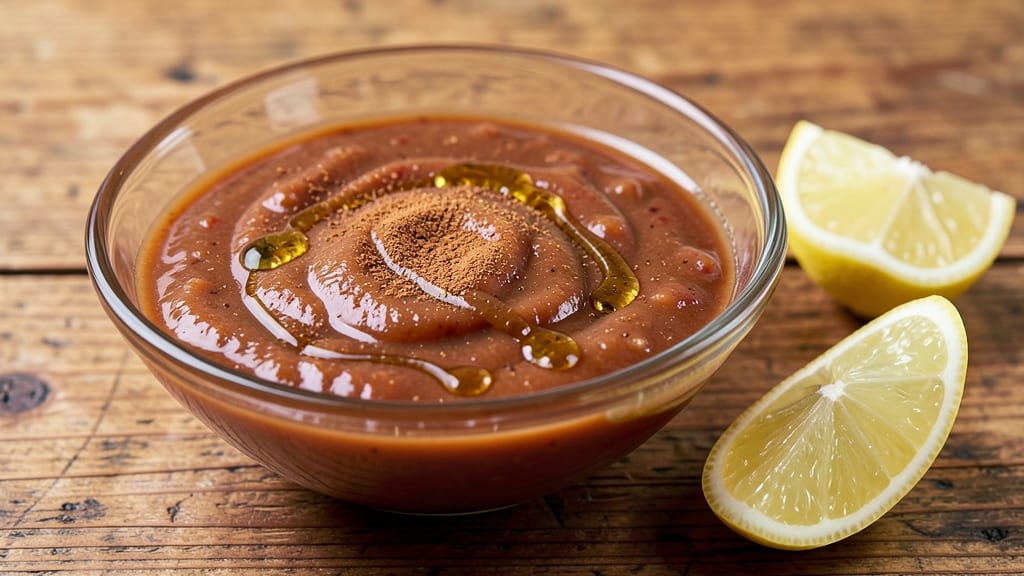
This apple coulis recipe transforms simple apples into a velvety, silky sauce that elevates desserts, pancakes, and even savory dishes with its bright, natural sweetness. The process is straightforward—peel, simmer, and blend—yielding a smooth, vibrant sauce that’s far more impressive than store-bought options.
I’ve perfected this technique over years of baking, and it’s become a staple in my kitchen for adding fresh, fruity depth to any dish.
The beauty of apple coulis lies in its versatility. Use it as a drizzle over cheesecake or ice cream, a sauce for apple crisp, or even a glaze for roasted pork or chicken.
The recipe calls for just a few ingredients—apples, sugar, lemon juice, and a touch of cinnamon—making it simple yet refined. The key is simmering the apples until they break down completely, then blending until silky smooth, with no lumps.
What sets this apple coulis apart is its restaurant-quality texture—thick enough to coat a spoon but still light enough to enhance, not overpower, other flavors. The lemon juice brightens the natural sweetness of the apples, while cinnamon adds warmth, creating a sauce that’s both comforting and sophisticated.
Plus, it stores well in the fridge for up to a week, so you can make a batch ahead and use it whenever inspiration strikes.
Whether you’re dressing up a weeknight dessert or impressing guests with a gourmet touch, this apple coulis delivers. The process is foolproof, and the results are undeniably delicious—proof that sometimes, the simplest recipes make the biggest impact. Ready to elevate your dishes with this smooth, silky sauce?
Ingredients for apple coulis
Six ingredients transform humble apples into restaurant-quality coulis for any dish.
| Ingredient | Amount | Notes |
|---|---|---|
| Honeycrisp Apples 🍎 | 2 lb | Peeled, cored, cut into chunks |
| Granulated Sugar 🍚 | ½ cup | Adjust to apple sweetness |
| Fresh Lemon Juice 🍋 | 2 tbsp | Brightens apple flavor |
| Ground Cinnamon 🌿 | ½ tsp | Warmth without overpowering |
| Water 💧 | ½ cup | For simmering apples |
| Extra-Virgin Olive Oil 🫒 | 1 tbsp | For silky texture |
| Vanilla Extract 🌸 | ½ tsp | Optional depth (optional) |
| Sea Salt 🧂 | ¼ tsp | Balances sweetness |
The apples make or break this—Honeycrisp or Fuji are ideal for their balance of sweetness and structure. Local farmers markets often have them at peak season, but the regular grocery store works too. Look for firm, vibrant fruit with no bruises. Peeled or unpeeled? I peel mine for silky texture, but leave skins on for rustic texture if you prefer. Organic apples reduce bitterness from pesticides, but conventional works fine if washed well. The key is cutting them into even chunks so they cook uniformly.
No Honeycrisp? Gala or Pink Lady work well too—just add an extra tablespoon of sugar if they're tart. Fresh lemon juice is non-negotiable (bottled won't cut it), but lime juice works in a pinch. The olive oil might seem odd, but it's what gives the coulis that velvety mouthfeel. Avocado oil is a neutral alternative. Want more depth? Add 0.25 tsp almond extract alongside the vanilla. For a savory version, skip the sugar and add 1 tsp apple cider vinegar instead.
Simmering is where the magic happens—don't rush it. The apples should break down completely, releasing their juices. Strain through a fine-mesh sieve for ultra-smooth texture, or leave some pulp for rustic appeal. Store in an airtight jar in the fridge for up to 1 week. For longer storage, freeze in ice cube trays—perfect for single-serving drizzles. The coulis thickens as it chills, so thin with water if needed. Trust me, the first time you drizzle this over warm pancakes or roasted pork, you'll never go back to store-bought.
Why You'll Love This Recipe
- No Peel, No Stress: I’ll admit, peeling apples used to make me groan—but this recipe skips it entirely. Just core, chop, and toss those Honeycrisp apples into the pot. The skin adds texture, and honestly? You’d never know it wasn’t a fancy restaurant trick.
- Sweet-Tart Magic: That first sip of coulis—bright, honeyed, with a hint of lemon—it’s like autumn in a spoon. The cinnamon doesn’t overpower; it just lingers, warm and cozy. (Yes, even on a Tuesday night.)
- Pantry Hero: Forget buying pricey sauces—this is my go-to for dipping, drizzling, or glaze-ing. A splash over yogurt, a spoonful with cheese, or a quick glaze for roasted pork. It’s the kind of thing that makes you feel like you’ve earned dessert.
- Makes Ahead, No Guilt: Simmer it, strain it, and stash it in the fridge for up to a week. Freezes like a dream too. I’ve used it to jazz up oatmeal, swirled into cocktails, or even as a pie filling shortcut. (Between us, it’s my lazy Sunday secret.)
Step-by-step instructions for silky smooth apple coulis
Here's how to transform sweet apples into a velvety sauce perfect for drizzling.
Prepare the Apples for Cooking
In a large saucepan, combine the 2 lb Honeycrisp Apples (already peeled, cored, and cut into chunks) with the 0.5 cup Water. I like to use a heavy-bottomed pot for even cooking. Bring the mixture to a gentle boil over medium-high heat, then immediately reduce to medium-low heat and let it simmer uncovered for 10-12 minutes.
You'll know it's ready when the apples break down into a thick, chunky purée and the liquid reduces by about half. The apples should be fork-tender but not mushy. Here's the thing—don't rush this step. Properly broken-down apples create a smoother final sauce. If the mixture looks too dry, add 1-2 tablespoons of water to help with blending later.
Sweeten and Season the Simmering Apples
Once the apples are tender, stir in the 0.5 cup Granulated Sugar, 2 tbsp Fresh Lemon Juice, 0.5 tsp Ground Cinnamon, and 0.25 tsp Sea Salt. Let the mixture simmer for another 5-7 minutes until the sugar dissolves completely and the flavors meld together. You'll notice the aroma intensify—this is when the magic happens.
Taste the mixture and adjust the sweetness if needed. Honeycrisp apples vary in natural sweetness, so you might need to add a bit more sugar or lemon juice to balance the flavors. The sauce should taste pleasantly sweet with a bright, tangy finish. This is your flavor baseline before adding the finishing touches.
Blend Until Silky Smooth
Remove the saucepan from heat and let it cool for 5 minutes—this prevents splattering when blending. Transfer the mixture to a blender or food processor. Add the 1 tbsp Extra-Virgin Olive Oil and 0.5 tsp Vanilla Extract (if using) and blend until completely smooth. I start on low speed to avoid splattering, then increase to high until no lumps remain.
The olive oil is key here—it adds richness and helps create that luxurious, velvety texture. For the smoothest results, I recommend using a high-powered blender. If you encounter any stubborn lumps, add 1-2 tablespoons of hot water from the cooking process and blend again. The final consistency should be like thick, glossy syrup.
Strain for Extra Smoothness (Optional)
For an ultra-smooth coulis, strain the blended mixture through a fine-mesh sieve into a clean bowl. This removes any remaining apple fibers that might affect texture. I find this step particularly useful when using the coulis for elegant presentations or delicate desserts. If you prefer a slightly rustic texture, you can skip this step entirely.
Return the coulis to the saucepan and place it over low heat for 2-3 minutes to warm through if needed. The sauce should be at room temperature or slightly warm when used for drizzling. Taste again and adjust seasoning if necessary. The coulis should be perfectly balanced—sweet, aromatic, and bright with just a touch of warmth from the cinnamon.
Pro Tips For Making Apple Coulis
- Peel Before Chopping: Honeycrisp skins stay stubbornly on when simmered—strip them off first. I used to ignore this, but the coulis always had a weird texture afterward. A vegetable peeler works faster than a knife, and you’ll avoid gummy bits that ruin the smooth finish.
- Simmer Low and Slow: Medium-low heat is your friend here. I learned this after watching my first batch turn into glue. Keep it at a bare simmer—tiny bubbles, not rolling—and stir occasionally to prevent sticking. Patience here means silky texture, not grainy mush.
- Use Cold Water First: Start with ice-cold water in the pot. The shock stops the apples from browning while you prep, and the cold water heats up faster, getting your coulis to simmer quicker. (Yes, it sounds counterintuitive, but it actually saves time.)
- Strain Twice, Stir Once: After blending, strain through a fine-mesh sieve, then a cheesecloth for ultra-smoothness. But here’s the pro move: Stir the coulis back into the pot before adding sugar and cinnamon—it dissolves evenly, so you won’t taste clumps later. Trust me, your spoon will thank you.
Dietary considerations for apple coulis
Sweetener-Free Version
Skip the granulated sugar entirely and use Honeycrisp apples at peak ripeness—they’re naturally sweet enough when cooked down. Add 1 tbsp maple syrup or 1 tbsp agave nectar instead for depth without refined sugar.
The acidity from lemon juice will balance any tartness, and the olive oil keeps the texture luscious. This version works beautifully for savory applications like drizzling over roasted pork or grilled chicken. 🍎
Vegan Adaptation
Replace the extra-virgin olive oil with 1 tbsp refined coconut oil or avocado oil to keep it plant-based. Use coconut sugar or maple syrup instead of granulated sugar for a vegan-friendly sweetener.
The vanilla extract is already vegan, but double-check labels if using store-bought. This version holds up just as well for drizzling or blending into smoothies. ✨
Low-Sugar Option
Cut the sugar in half to ¼ cup and boost the lemon juice to 3 tbsp for brightness. Use tart apples like Granny Smith and add ½ tsp apple cider vinegar to enhance flavor without sweetness.
This lighter version pairs perfectly with cheese plates or yogurt parfaits. The texture remains rich thanks to the olive oil, so you won’t miss the extra sugar. 💛
Gluten-Free Note
This recipe is naturally gluten-free since it relies on apples, sugar, and spices. Just ensure your cinnamon and vanilla extract are certified gluten-free if you’re sensitive. The olive oil and lemon juice are also safe, making this coulis a stress-free addition to gluten-free desserts like gluten-free pancakes or crumbles.
Always double-check labels on store-bought extracts. 🌿
Nut-Free Consideration
Avoid adding almond extract or vanilla extract with nut-based solvents if nut allergies are a concern. Stick to pure vanilla extract or vanilla bean paste (check for nut-free processing).
The recipe’s core ingredients—apples, sugar, lemon, and cinnamon—are inherently nut-free, so this coulis is safe for most nut-allergic diets. Always review labels for cross-contamination risks. 💡
Nutrition facts
Frequently asked questions
Can I make apple coulis without a blender?
Yes! If you don’t have a blender, simmer the apples until they’re completely broken down into a thick purée, then press the mixture through a fine-mesh sieve using a spoon. For extra smoothness, add a splash of water and press again. The texture will be slightly rustic but still delicious for drizzling or mixing into dishes.
How do I prevent my apple coulis from turning out too thick or too thin?
Start by simmering the apples until they’re fork-tender but not mushy. If the coulis is too thick after blending, thin it with 1-2 tablespoons of water or apple juice. For a thicker sauce, simmer the blended coulis uncovered for 5-10 minutes to reduce the liquid. Taste as you go—adjust gradually to avoid overcorrecting.
What’s the best way to store leftover apple coulis?
Transfer the coulis to an airtight container and refrigerate for up to 1 week. It thickens as it chills, so stir in a splash of water if needed before using. For longer storage, freeze in ice cube trays or small jars for up to 3 months. Thaw overnight in the fridge—never at room temperature.
Can I use frozen apples instead of fresh?
Frozen apples work in a pinch, but the texture may be slightly grainier. Thaw them first, then peel, core, and chop as directed. You might need to add 1-2 extra tablespoons of water during simmering to help break down the apples. For the smoothest results, stick with fresh apples, especially if you’re straining the coulis.
What are some creative ways to use apple coulis beyond desserts?
Apple coulis adds brightness to savory dishes too! Drizzle it over roasted pork, grilled chicken, or even mashed potatoes for a sweet-tangy contrast. Mix it into marinades for meats, or use it as a glaze for roasted vegetables. It also pairs beautifully with cheeses like brie or goat cheese for a sophisticated appetizer.