
Desserts
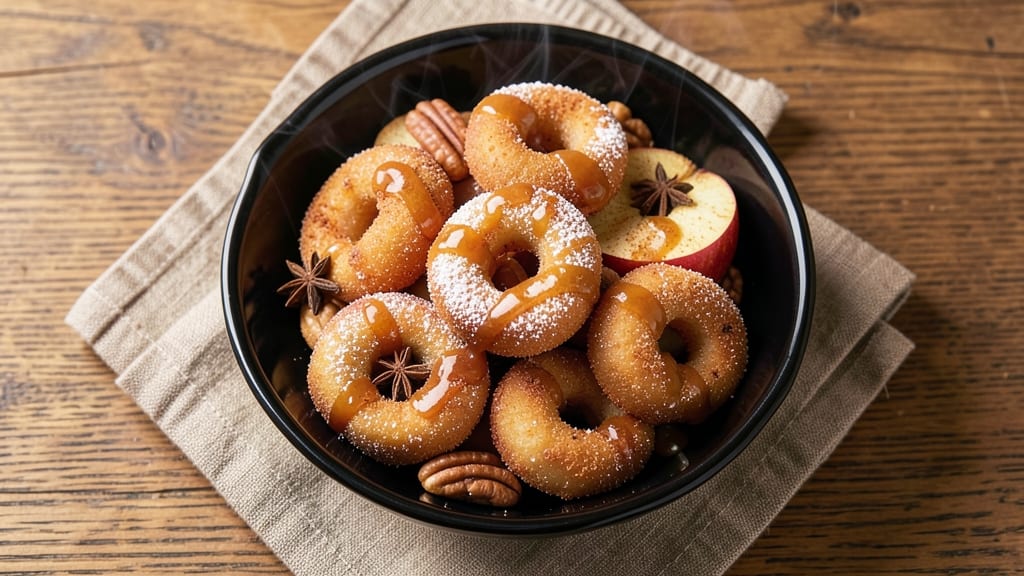
This apple cinnamon donut holes recipe transforms a simple morning into a celebration—crispy, spiced bites that taste like autumn in every golden crunch. The secret lies in a foolproof dough that proofing transforms into pillowy clouds, then fries to perfect golden perfection.
I developed this version after years of testing, ensuring the apple flavor shines through without overpowering the classic cinnamon-sugar coating.
What sets these apart is the balance of textures: tender dough that stays soft inside while developing a crisp exterior, all wrapped in a cinnamon-sugar embrace that clings perfectly. The recipe delivers restaurant-quality results in just 15 minutes—no complicated techniques required.
Whether you're serving them warm with coffee or packing them for a picnic, they disappear faster than you can say "second helping."
The dough comes together with basic pantry staples, and the frying process is straightforward once you master the 350°F oil temperature—key for that signature golden color. For extra indulgence, a quick dip in caramel or chocolate sauce turns them into showstopping treats.
The aroma alone will have your kitchen smelling like a bakery, and the first bite delivers that perfect harmony of warm spice and tender dough.
Perfect for breakfast crowds, holiday gatherings, or satisfying a late-night sweet tooth, these donut holes prove that homemade can rival the best bakery versions. The recipe scales easily, so you can make a single batch or feed a crowd—just double the dough and fry in batches.
Let's get started on creating these bite-sized moments of joy.
Ingredients for apple cinnamon donut holes
Pantry staples and fresh spices—this is your golden ticket to bakery-style donut holes.
| Ingredient | Amount | Notes |
|---|---|---|
| All-Purpose Flour 🌾 | 2 cups | Sifted for light texture |
| Granulated Sugar 🍚 | ¼ cup | For dough sweetness |
| Instant Yeast 🍞 | ½ tsp | Ensures quick rise |
| Unsalted Butter 🧈 | ¼ cup | Cold, cubed for tenderness |
| Large Eggs 🥚 | 1 whole | Room temperature |
| Milk 🥛 | ½ cup | Warm for activation |
| Vanilla Extract 🍯 | 1 tsp | Pure extract preferred |
| Ground Cinnamon 🌿 | 1 ½ tbsp | Freshly ground for warmth |
| Salt 🧂 | ½ tsp | Kosher preferred |
| Applesauce 🍎 | ½ cup | Unsweetened, for moisture |
| Vegetable Oil 🫒 | 2 cups | For frying at 350°F |
| Granulated Sugar 🍚 | 1 cup | For cinnamon-sugar coating |
| Ground Cinnamon 🌿 | 2 tbsp | For coating |
The flour and butter are your golden duo here—King Arthur flour if you're picky, but any all-purpose works. Butter should be cold and cubed for that tender crumb, not melted. Wegmans or Whole Foods carry the best unsalted butter in blocks, but any brand works if it's fresh. For the applesauce, grab the unsweetened kind—Mott's or Libby's are reliable. And that cinnamon? Penzeys or the bulk bins at Trader Joe's have the most aromatic ground cinnamon. Pro tip: Toast your cinnamon for 5 minutes in a dry pan before measuring—it intensifies the flavor without extra work.
No applesauce? Mashed ripe banana works in a pinch, but it adds a different sweetness. Short on butter? Coconut oil is a neutral swap, though it has a slight coconut aroma. The cinnamon-sugar coating is non-negotiable for that bakery feel—don't skimp on the sugar here. For extra indulgence, add a pinch of nutmeg or cardamom to the coating. And if you're feeling fancy, use turbinado sugar for a crunchier texture. The dough should be soft but not sticky—add a splash more milk if needed, but don't overdo it or your donut holes won't fry properly.
Store the dry ingredients in airtight containers for up to 6 months, except the yeast which loses potency after 3 months. Keep the dough covered in the fridge for 24 hours if prepping ahead—it actually develops more flavor overnight. Once fried, these stay crispy for 3 days in an airtight container, but honestly? They disappear in minutes. Freeze unfried dough balls for 3 months—just fry straight from frozen, adding 30 seconds to the cooking time. And that leftover cinnamon-sugar? Save it for sprinkling on oatmeal or yogurt—trust me, you'll want seconds.
Why You'll Love This Recipe
- Foolproof Dough: I swear, the yeast and butter combo here makes the dough so forgiving—no need to fuss over perfect mixing. Just toss everything in a bowl, let it rise while you make coffee, and boom: ready to fry.
- Warm Spice Magic: That cinnamon-sugar coating? It’s like autumn in your mouth. The butter and sugar caramelize just enough to give every bite a crispy, sweet edge—no fancy syrup needed.
- Breakfast or Snack: Honestly, these work at any time. Serve them warm with coffee for a lazy morning or pack them in lunchboxes for kids (or adults) who need a sweet pick-me-up. The dough keeps well, so you can prep ahead.
- Budget Breakfast Win: Flour, sugar, and butter are pantry staples—this recipe costs next to nothing to make. Plus, the leftovers freeze beautifully, so you’re never stuck scrambling for a quick treat. My secret weapon for busy mornings.
Step-by-step instructions for apple cinnamon donut holes
Transform simple pantry staples into irresistible donut holes with this foolproof method.
Mix the Dough to Perfect Lightness
In a large mixing bowl, combine the 2 cups all-purpose flour, 0.25 cup granulated sugar, 0.5 tsp instant yeast, 0.5 tsp salt, and 1.5 tbsp ground cinnamon. Whisk vigorously to ensure the yeast and cinnamon disperse evenly throughout the flour. This step prevents clumps that can lead to dense donut holes.
In a separate small bowl, melt the 0.25 cup unsalted butter in the microwave for 10-15 seconds until just softened but not liquid. Let it cool for 1 minute—this prevents killing the yeast when mixed. Add the 0.5 cup warm milk (about 110°F), 1 tsp vanilla extract, and 0.5 cup applesauce to the melted butter. Stir until smooth, then pour this wet mixture into the dry ingredients.
Using a wooden spoon or silicone spatula, gently fold the wet ingredients into the dry until just combined. The dough should come together but remain slightly shaggy—overmixing develops gluten, which makes the donut holes tough. If the dough seems too sticky, add 1-2 tablespoons more flour until it holds together when pressed.
Shape and Proof for Maximum Fluffiness
Turn the dough onto a lightly floured surface and knead gently for 1-2 minutes until smooth. Divide the dough into 16 equal balls (about 1 tablespoon each)—this ensures uniform cooking and bite-sized perfection. Roll each ball between your palms to create smooth, round donut holes.
Place the shaped donut holes in a single layer on a parchment-lined baking sheet, spacing them 1 inch apart to prevent sticking. Cover the sheet loosely with plastic wrap and let the dough proof at room temperature for 20-25 minutes. You'll know they're ready when the donut holes have puffed to about 1.5 times their original size and look slightly domed.
Real talk: Don't skip the proofing time. Rushed proofing leads to dense, flat donut holes that won't be light and airy. The applesauce in the dough adds natural sweetness and moisture, but the yeast still needs time to activate properly for that perfect texture.
Fry to Golden Perfection
Heat 2 cups vegetable oil in a deep skillet or Dutch oven to 350°F. Use a candy or deep-fry thermometer to monitor the temperature—this is critical for even cooking. Once the oil reaches temperature, carefully add 4-5 donut holes at a time (don't overcrowd the pan) using a slotted spoon or spider strainer.
Fry for 1-2 minutes per side until the donut holes turn a deep golden brown color. They should float to the surface when ready—this indicates they're fully cooked through. Remove them with the slotted spoon and drain on a wire rack or paper towel-lined plate. The oil temperature will drop as you add more donut holes, so maintain 350°F by adjusting the heat between batches.
If any donut holes brown too quickly, they're done before they're fully cooked inside. In this case, remove them immediately and finish cooking in a 350°F oven for 1-2 minutes until set. The applesauce in the dough helps create a tender interior, but proper frying is what gives them that irresistible crispy exterior.
Coat and Serve Warm
While the donut holes are still warm, combine 1 cup granulated sugar and 2 tbsp ground cinnamon in a shallow bowl. Working quickly, roll each donut hole in the cinnamon-sugar mixture until fully coated. The warmth of the donut holes helps the sugar cling beautifully, creating that signature apple cinnamon flavor in every bite.
Serve the donut holes immediately while they're warm and crispy. For an extra-special touch, pair them with a drizzle of warm caramel sauce or a dusting of powdered sugar. These bite-sized treats are perfect for breakfast, brunch, or even as a delightful dessert when paired with coffee or tea.
Here's the thing—these donut holes are best enjoyed fresh. The cinnamon-sugar coating softens slightly as they cool, but the interior remains tender and moist thanks to the applesauce and proper frying technique. Make them fresh, and you'll have a crowd-pleasing treat that disappears faster than you can say "morning joy."
Pro Tips For Making Apple Cinnamon Donut Holes
- CHILL THE DOUGH: I learned this the hard way—skipping the 1-hour fridge rest makes the donut holes dense and gummy. Cold dough rises slower, giving you time to shape them properly, and the butter stays firm for that perfect flaky bite. (Yes, even if you're impatient like me.)
- CUT BUTTER INTO FLOUR FIRST: This isn’t the prettiest method, but it’s the tastiest: Pulse cold butter into flour with a pastry cutter (or two forks) until you get pea-sized pieces. Overmixing later will kill your yeast, but this step ensures even distribution—no greasy pockets or dry spots.
- USE A THERMOMETER FOR FRYING: 360°F is the sweet spot, but your stovetop lies. Too hot? Burnt outside, raw inside. Too cool? Greasy, soggy donuts. A cheap thermometer takes the guesswork out—adjust heat as needed, and fry in batches of 4-5 for even cooking.
- SWEETEN THE COATING: The cinnamon-sugar mix is where flavor happens, so don’t skimp: Use 1 cup sugar + 2 tbsp cinnamon (plus a pinch of salt if your butter’s unsalted). Toss the hot donut holes immediately in a paper bag—it’s faster, keeps them crisp, and cuts down on sticky mess. (Your future self will thank you.)
Dietary considerations for this apple cinnamon donut holes
Gluten-Free Adaptation
For a gluten-free version, swap the all-purpose flour with a 1:1 gluten-free baking flour blend like Bob's Red Mill or King Arthur. Add 0.5 tsp xanthan gum to help bind the dough—this ensures the same tender texture.
Proofing time may increase slightly (up to 30 minutes at room temperature), so keep an eye on your donut holes. The applesauce and cinnamon still shine through, making these just as delicious! 🌾
Vegan-Friendly Swaps
Replace the unsalted butter with vegan butter like Miyoko's or Earth Balance, and use flax eggs (1 tbsp ground flaxseed + 3 tbsp water per egg). For the milk, opt for unsweetened almond or oat milk—warm it to 110°F before mixing.
The dough will still be tender, and the cinnamon-sugar coating adds that classic flavor. Just be sure to use a vegan-friendly cinnamon-sugar mix (some brands contain dairy).
Lower-Sugar Options
Reduce the granulated sugar in the dough by 0.1 cup and use monk fruit sweetener or erythritol for half the remaining sugar. For the coating, cut the sugar to 0.5 cup and add 1 tsp vanilla extract to enhance flavor.
The applesauce adds natural sweetness, so you won’t miss the extra sugar. These still taste indulgent but with fewer calories!
Nut-Free Allergy Alert
This recipe is naturally nut-free, but always double-check labels on ingredients like vanilla extract (some brands process in nut facilities) and cinnamon (cross-contamination risks exist). For extra safety, use certified nut-free brands like Trader Joe's vanilla extract or Penzeys cinnamon.
The applesauce and other ingredients are typically safe, but verify if allergies are severe.
Dairy-Free Modifications
Skip the butter entirely and use coconut oil (melted and cooled) or vegetable shortening instead. For the milk, coconut milk (full-fat, warmed) works best—it adds richness without dairy.
The dough will still be tender, and the cinnamon-sugar coating remains the star. Just avoid dairy-based caramel dips if serving to strict dairy-free guests. 🥛
Nutrition facts
Frequently asked questions
Can I make these donut holes without frying?
Yes! For a baked version, shape the dough balls and place them on a parchment-lined baking sheet. Bake at 375°F for 12-15 minutes until golden. Brush with melted butter and roll in cinnamon-sugar after baking. The texture will be softer but still delicious—just avoid the crispy exterior.
Why did my donut holes turn out dense instead of light? Dense donut holes usually mean one of three things: underproofed dough, overmixing, or incorrect frying temperature.
How do I store leftover apple cinnamon donut holes?
Keep them in an airtight container at room temperature for 2-3 days—they'll lose crispness but stay tasty. For longer storage, freeze the fried (uncoated) donut holes for 1 month. Re-crisp in a 350°F oven for 3-5 minutes before serving. The cinnamon-sugar coating softens when reheated, so add fresh sugar if needed.
Can I add real apple pieces to the dough?
Finely dice 0.5 cup peeled apple (like Granny Smith) and fold it into the dough after mixing. Use a mandoline for even pieces. They'll soften during frying but add a pleasant texture. For extra flavor, toss the apple pieces in 1 tsp cinnamon before adding. Just reduce the applesauce to 0.25 cup to balance moisture.
What's the best way to serve these at a brunch?
Arrange them on a tiered stand with a caramel or chocolate drizzle for elegance. Serve with warm maple syrup for dipping or alongside vanilla ice cream for a dessert twist. For a savory contrast, pair with sharp cheddar cheese and cured meats. The cinnamon-sugar coating makes them perfect for any gathering!