
Sauces & Condiments
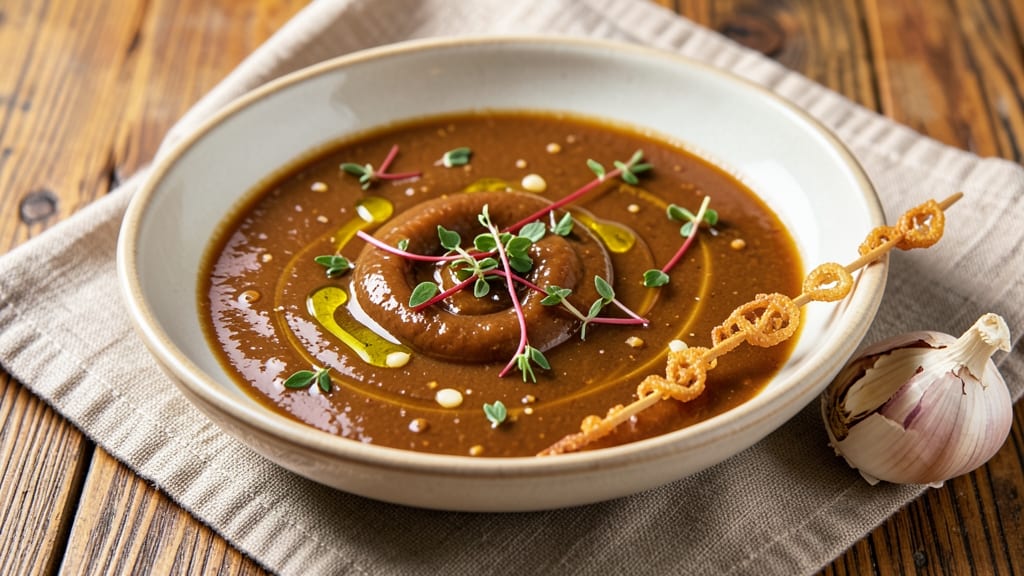
This apple cider vinegar sauce recipe transforms simple roasted vegetables into a restaurant-worthy dish with just five ingredients. The balance of tangy vinegar, sweet honey, and savory mustard creates a glaze that caramelizes beautifully under the broiler, adding depth to every bite.
I developed this sauce after realizing how much a simple drizzle could elevate even the most basic vegetables.
The beauty of this sauce lies in its versatility—it works equally well on Brussels sprouts, sweet potatoes, or even grilled chicken. The key is letting it simmer until slightly thickened, which allows it to cling to vegetables without making them soggy.
A touch of Dijon mustard adds complexity, while fresh herbs like thyme or rosemary bring a bright, aromatic finish.
What makes this sauce truly special is how effortlessly it comes together in just 15 minutes, with no special equipment required. The combination of apple cider vinegar and honey creates a perfect harmony of sweet and tangy flavors that cuts through rich dishes.
Store it in an airtight container in the refrigerator for up to one week, or freeze for longer storage.
Whether you're prepping a weeknight dinner or planning ahead for meal prep, this sauce is a game-changer. A little goes a long way, so make a double batch—you’ll want to use it on everything from roasted carrots to grilled salmon. Here’s how to make it perfectly every time.
Ingredients for apple cider vinegar sauce
Five simple ingredients transform roasted veggies into restaurant-quality dishes with minimal effort.
| Ingredient | Amount | Notes |
|---|---|---|
| Apple Cider Vinegar 🍏 | ½ cup | Raw, unfiltered preferred for depth |
| Raw Honey 🍯 | ⅓ cup | Local or wildflower variety |
| Dijon Mustard 🥫 | 2 tbsp | High-quality, smooth texture |
| Extra-Virgin Olive Oil 🫒 | ¼ cup | Fruity, peppery variety |
| Fresh Thyme Leaves 🌿 | ¼ cup | Or 1 tbsp dried thyme |
| Garlic Cloves 🧄 | 2 cloves | Minced for aromatic depth |
| Kosher Salt 🧂 | ½ tsp | Diamond Crystal preferred |
| Black Peppercorns 🌶️ | ¼ tsp | Freshly cracked for heat |
The apple cider vinegar is non-negotiable here—Bragg or Texas Pete are my go-tos, but any raw, unfiltered brand works. Look for honey that's still creamy and thick (not crystallized)—local farmers markets often have the best varieties. Dijon mustard matters too; Maille is my standard, but any smooth, high-quality brand will do. For the olive oil, skip the cheap stuff—California olive ranches or Italian DOP oils bring the right depth. Fresh thyme is ideal, but dried works in a pinch (use one-third the amount).
No apple cider vinegar? White wine vinegar or balsamic can substitute, though the flavor will differ slightly. Short on honey? Maple syrup works well, though it leans more toward sweetness. Mustard too strong? Yellow mustard at half the amount softens the bite. Olive oil substitute? Avocado oil is neutral enough to not overpower. Garlic can be roasted (wrap cloves in foil, bake at 400°F for 20 minutes) for a sweeter, milder flavor—worth trying if you're feeling fancy.
This sauce keeps beautifully in an airtight container in the fridge for 1 week, though it tastes even better the next day as flavors meld. For longer storage, freeze in ice cube trays—just thaw and whisk. I always make a double batch because it disappears fast. The sauce thickens as it cools, so if it seems too thin right after making, let it sit for 10 minutes before using. Trust me, it's worth the wait.
Why You'll Love This Recipe
- Five-Ingredient Magic: I swear by this combo—just whisk, taste, adjust. No fancy techniques, no waiting for anything to simmer. Honestly, the hardest part is deciding which meal to pour it over first.
- Tangy-Sweet Balance: That honey and apple cider vinegar? It’s the perfect push-pull—bright enough to cut through richness but sweet enough to make you lick the spoon. The Dijon mustard adds this little kick that keeps it interesting.
- Weeknight Swiss Army: Drizzle it on roasted veggies, toss it with grilled chicken, or slather it on sandwiches. I’ve even used it as a quick marinade for shrimp. Between us, it’s my go-to for when I’m too tired to think.
- Pantry Goldmine: No special shopping needed—just olive oil, vinegar, and whatever’s already lurking in your cupboards. And the best part? It keeps for weeks in the fridge, so you’re never stuck without something delicious.
Step-by-step instructions for apple cider vinegar glaze
Here's how to balance sweet, tangy, and herbal notes for a glaze that elevates roasted vegetables.
Whisk Together the Base Ingredients
In a medium saucepan, combine the 0.5 cup apple cider vinegar, 0.33 cup raw honey, and 2 tbsp Dijon mustard. I like to use a whisk here to dissolve the honey completely—it should look like a smooth, golden syrup. Place the pan over medium-low heat and let it simmer gently for 3-4 minutes until the honey fully incorporates and the mixture becomes slightly thickened.
This initial simmer helps the flavors meld together while preventing the vinegar from overpowering the sweetness. You'll notice the mixture bubble softly—this is normal, but don't let it boil vigorously or the vinegar will cook off too quickly. The goal is to create a balanced foundation where the tangy sharpness of the vinegar and the rich depth of the honey come together harmoniously.
Add Aromatics and Simmer
Next, add the 0.25 cup fresh thyme leaves and 2 minced garlic cloves to the saucepan. Stir well to distribute the herbs evenly throughout the mixture. Let it simmer for another 5-6 minutes until the thyme becomes fragrant and the garlic releases its aromatic oils. You'll know it's ready when the mixture smells intensely herbal and slightly garlicky—this is where the magic happens.
I always use fresh thyme here because its bright, piney notes complement the vinegar perfectly. If you're using dried thyme, reduce the amount to 1 tbsp and cut the simmering time to 3 minutes—dried herbs are more concentrated. Keep the heat at medium-low to prevent the vinegar from losing its delicate acidity.
Incorporate the Olive Oil and Season
Remove the saucepan from heat and let it cool slightly for 1-2 minutes. This cooling step is crucial—it prevents the 0.25 cup extra-virgin olive oil from separating when added. Slowly drizzle in the olive oil while whisking continuously to create a silky emulsion. The mixture should thicken slightly and take on a glossy sheen.
Once the oil is fully incorporated, return the pan to low heat and stir in the 0.5 tsp kosher salt and 0.25 tsp freshly cracked black peppercorns. The salt enhances the sweetness while balancing the acidity, and the pepper adds a subtle heat that cuts through the richness. Taste the sauce and adjust the seasoning if needed—you might want to add a touch more honey for sweetness or vinegar for tang.
Strain and Finish
For a perfectly smooth glaze, strain the mixture through a fine-mesh sieve into a clean bowl or jar. This step removes any thyme stems or garlic bits, leaving you with a velvety sauce. If you prefer a slightly textured glaze, skip the straining—just whisk vigorously to redistribute any settled ingredients.
Let the glaze cool to room temperature before using. This resting period allows the flavors to fully meld, resulting in a more cohesive taste. The glaze should be thick enough to coat the back of a spoon but still pourable. If it thickens too much as it cools, simply whisk in 1-2 teaspoons of warm water to reach your desired consistency. Store any leftovers in an airtight container in the refrigerator for up to 2 weeks.
Pro Tips For Making Apple Cider Vinegar Sauce
- Whisk in stages: Start with the vinegar and honey, then slowly add the mustard while whisking—this prevents a thick, gloopy mess. I learned this the hard way after ending up with a clumpy sauce that refused to emulsify.
- Use raw honey: Raw honey blends smoother and adds subtle floral notes that pasteurized honey can’t match. If you’re in a pinch, warm it gently (just until pourable) to avoid graininess.
- Balance the acid: Taste as you go—if the vinegar tastes sharp, add a pinch more honey or a splash of olive oil to mellow it. I used to ignore this and ended up with a sauce that tasted like a punch to the throat.
- Toast thyme leaves: Lightly crush the thyme leaves and warm them in the oil for 30 seconds before adding the vinegar—this releases their aroma and deepens the flavor. (Yes, even if you’re impatient like me, don’t skip this.)
Essential equipment for this recipe
Whisking Essentials
You don’t need anything fancy to make this sauce—just a whisk and a medium saucepan. I use my OXO Good Grips balloon whisk because it handles thick mixtures like honey and oil beautifully.
The whisk’s flexible wires cut through the honey while blending everything smoothly. A stainless steel saucepan (like All-Clad) is ideal for even heat distribution, but any heavy-bottomed pan works. 💡
Heat Control Tools
Precise temperature control is key. I recommend a digital thermometer (like Thermoworks Thermapen) to monitor the sauce’s temperature—keep it between 180-200°F during simmering. If you don’t have one, just watch for gentle bubbling (not boiling).
A long-handled silicone spatula helps stir without splattering the hot mixture. Avoid aluminum pans—they can react with vinegar’s acidity over time.
Straining Gear
For that silky-smooth finish, a fine-mesh sieve (like Heston Blumenthal’s) removes any herb stems or garlic bits. If you don’t have one, a cheesecloth or even a clean kitchen towel works in a pinch.
Just line a bowl with it and pour the sauce through. Pro tip: Press the solids with a spoon to extract every last drop of flavor. 🌿
Storage Containers
An airtight glass jar (like Le Parfait) is my go-to for storing leftovers—it preserves freshness and keeps the sauce’s vibrant color. Mason jars with rubber seals work too, but avoid plastic if storing for more than a few days (vinegar can degrade plastic over time).
For freezing, use ice cube trays—just pop out a cube as needed and whisk back into smoothness. Label your containers with the date to track freshness.
Optional Upgrades
Want to take it to the next level? A small immersion blender (like Magimix) lets you blend herbs directly in the pan for ultra-smooth results. For a restaurant-quality finish, a microplane (to zest a strip of orange peel) adds a bright citrus note.
And if you’re making this often, a scale (like OXO Good Grips) ensures precise measurements—especially for honey, which can vary in density. 🔥
Nutrition facts
Frequently asked questions
Can I use this sauce on proteins like chicken or fish?
This tangy-sweet glaze works beautifully on grilled or baked proteins. For chicken, brush it on after searing for extra flavor. For delicate fish like salmon, use it as a marinade (coat fish and let sit for 10-15 minutes before cooking) or drizzle lightly after cooking to avoid overpowering the natural taste. The vinegar's acidity helps tenderize, while the honey adds caramelization.
What if my sauce separates after adding oil?
This happens when the mixture cools too quickly. To fix it, whisk vigorously while gently reheating the sauce over low heat for 1-2 minutes—this helps re-emulsify the oil. For prevention, always cool the sauce slightly before adding oil, and whisk constantly. If it still separates, just stir in 1 tsp of warm water to restore smoothness.
How can I make this sauce spicier?
Add a pinch of red pepper flakes or a dash of cayenne pepper while simmering, or stir in 1 tsp of hot sauce at the end. For smoky heat, swap ½ tsp of smoked paprika for the black peppercorns. Always taste as you go—start with less and adjust to avoid overpowering the sweet-tangy balance.
Can I substitute maple syrup for honey?
Yes, but expect a slightly different flavor profile. Use ⅓ cup maple syrup instead of honey, and reduce the vinegar to ¼ cup to balance the sweetness. Maple adds a deeper, earthier note that pairs well with the vinegar's acidity. For a closer match, use grade B maple syrup, which has more complex flavors than the lighter grade A.
Is this sauce vegan?
Not as written, but it’s easy to adapt! Replace honey with agave syrup or maple syrup, and use vegan Dijon mustard (check labels—many contain honey). The rest of the ingredients are naturally vegan. For extra richness, stir in 1 tbsp of tahini after adding the oil to mimic the honey's viscosity.