
Beverages
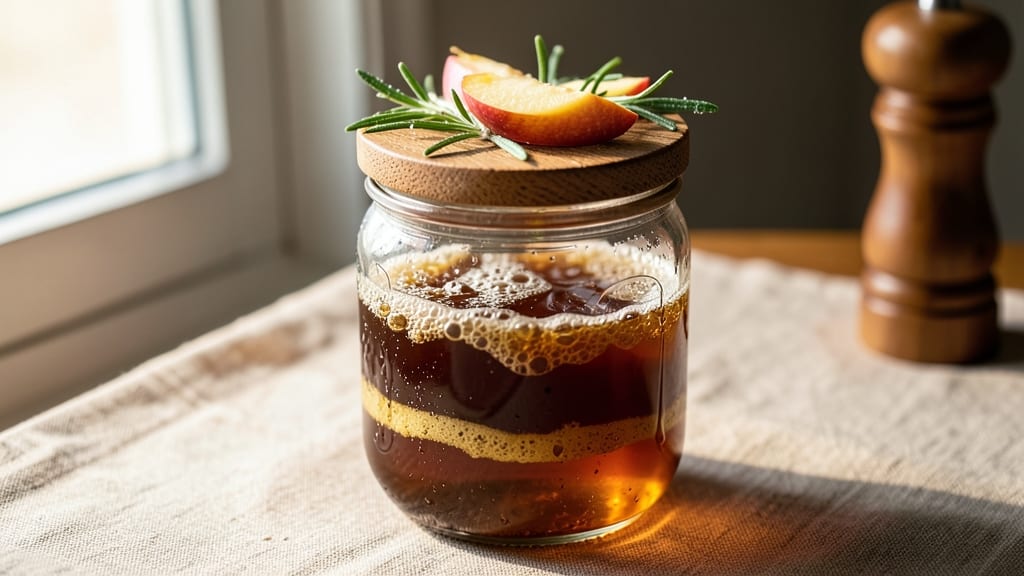
This apple cider vinegar kombucha recipe transforms simple ingredients into a tangy, probiotic-rich drink that’s as good for your gut as it is refreshing. ✨ The key lies in balancing fermentation with apple cider vinegar’s natural acidity, creating a beverage that’s both vibrant and deeply flavorful—no artificial additives needed.
Perfect for beginners or seasoned fermenters, this method delivers crisp, effervescent kombucha with a distinct apple depth that sets it apart.
The process starts with a foolproof fermentation technique, using black or green tea, sugar, and a SCOBY (symbiotic culture of bacteria and yeast) to kickstart the probiotic magic.
Apple cider vinegar plays a dual role here: it jumpstarts fermentation and infuses the brew with a bright, apple-forward tang that lingers on the palate. Unlike store-bought versions, this recipe is 100% vegan, gluten-free, and packed with gut-friendly benefits—think improved digestion and immune support, all in one fizzy sip.
What you’ll end up with is a golden-hued, lightly effervescent drink that’s tangy yet balanced, with a subtle apple brightness that makes it stand out. The fermentation time is flexible, so you can adjust it to your taste—whether you prefer a lighter, crisp brew or a bold, vinegary kick.
Once ready, the kombucha keeps well in the fridge for up to 2 weeks, making it a great batch recipe for health-conscious households.
This method also lets you experiment with flavors—add fresh apple slices, cinnamon, or ginger during the second fermentation for extra depth. The beauty of kombucha lies in its customization, and this apple cider vinegar twist takes it to the next level. Let’s get brewing!
Ingredients for apple cider vinegar kombucha
Eight core ingredients transform into a vibrant, probiotic-rich apple cider kombucha—no artificial additives, just natural fermentation magic.
| Ingredient | Amount | Notes |
|---|---|---|
| Organic Apple Cider Vinegar 🍏 | ½ cup | Raw, unfiltered for probiotic benefits |
| Organic Black Tea Bags ☕ | 4 whole | Loose-leaf preferred for stronger brew |
| Organic Cane Sugar 🍚 | ½ cup | White or raw, no substitutes |
| Filtered Water 💧 | 4 cups | Room temperature preferred |
| Live SCOBY Culture 🍄 | 1 whole | Healthy, firm starter culture |
| Apple Cider Vinegar Starter Liquid 🍶 | ½ cup | From previous batch or store-bought |
| Organic Cinnamon Sticks 🌿 | 2 whole | Optional for flavor infusion |
| Organic Ginger Slices 🧡 | 2 slices | Fresh, thinly sliced for depth |
The SCOBY and starter liquid are non-negotiable for successful fermentation—avoid store-bought kombucha with additives as these can disrupt the culture. For tea, organic black tea bags or loose-leaf from Harney & Sons or Tazo work best, as they’re free from artificial flavors that might interfere with fermentation. Apple cider vinegar should be raw and unfiltered—Bragg or White House brands are reliable choices, and always opt for organic to avoid pesticide residues. The sugar acts as both a food source for the SCOBY and a fermentation catalyst, so avoid raw sugars with impurities that could contaminate your brew.
No SCOBY? Order one online from kombucha suppliers—they’re reusable and multiply with each batch. Running short on starter liquid? Use 1/4 cup of your finished kombucha from the previous batch. Substituting tea? Green tea works but may yield a lighter flavor, while herbal teas won’t ferment properly. For flavor variations, add organic apple slices or berries during second fermentation—just ensure they’re pesticide-free. The cinnamon and ginger are optional but add warmth; use organic spices to avoid flavor contaminants, and store them in airtight containers away from light to preserve potency.
Store your SCOBY in a clean glass jar with a breathable cloth cover—never metal lids, as they trap gases and risk explosions. First fermentation should occur at room temperature (68-75°F) for 7-10 days, while second fermentation (for carbonation) takes 2-3 days in the fridge. Once bottled, kombucha keeps for up to 2 weeks refrigerated, though flavor peaks at 7-10 days. For long-term storage, freeze batches in ice cube trays—thaw and drink within 3 months. Always use sterilized equipment to prevent mold, and discard any SCOBY that develops dark spots or foul odors.
Why You'll Love This Recipe
- Five-Minute Mix: I swear, the hardest part is boiling water. Just steep tea, stir in sugar and vinegar, pour over SCOBY—done. No fancy tools, no waiting hours. My morning ritual now takes less time than making coffee.
- Tangy-Sweet Balance: That first sip? Like autumn in a glass—bright apple tang cutting through the malty tea, with just enough sweetness to make it drinkable (yes, even for my picky nephew). The vinegar’s zing actually makes it more refreshing, not less.
- Batch-and-Grab Magic: Make a gallon on Sunday, and you’ve got breakfast, post-workout fuel, or a fancy-ish mocktail for guests—no last-minute shopping. I keep jars in the fridge; grab one, chug it, repeat. Zero stress, all flavor.
- Pennies to Probiotic: For what you’d spend on one fancy kombucha bottle, this feeds me for weeks. The SCOBY’s free after first use (share it!), and organic ACV adds gut-friendly punch without breaking the bank. My wallet and gut both win.
Step-by-step instructions for apple cider vinegar kombucha
Follow this precise method for fermented depth and balanced probiotic fizz every batch.
🍳 Step 1: Brew the Apple-Cinnamon-Ginger Tea Base
In a large stainless steel pot, combine the 4 cups filtered water and 4 whole organic black tea bags. Bring to a rolling boil over medium-high heat, then immediately remove from heat and steep for exactly 5 minutes. This short steep time preserves delicate tea compounds while preventing bitterness.
While still hot, add the 2 whole organic cinnamon sticks and 2 slices organic ginger slices. Let the tea infuse for another 10 minutes off the heat—you'll notice the liquid develop a warm, aromatic depth with subtle spice notes. Strain through a fine-mesh sieve into a clean glass jar, pressing gently on the tea bags to extract maximum flavor without releasing tannins.
👨🍳 Step 2: Cool and Mix the Fermentation Foundation
Allow the tea to cool to room temperature (about 70-75°F) before proceeding—this prevents killing your SCOBY culture. Once cooled, whisk in the 0.5 cup organic cane sugar until completely dissolved. The sugar should disappear entirely, creating a clear, sweetened liquid base.
Add the 0.5 cup organic apple cider vinegar and 0.5 cup apple cider vinegar starter liquid, stirring gently to combine. This acidified starter helps establish the proper pH for fermentation while introducing beneficial bacteria. The mixture should smell tart and clean, with no alcohol or off odors—this is your fermentation foundation.
🥘 Step 3: Assemble the Fermentation Jar
Transfer the cooled tea mixture to a wide-mouth glass jar with a capacity of at least 2 quarts. Place the 1 whole live SCOBY culture on top of the liquid—it should float naturally. If your SCOBY has a thin film on top, gently remove it with sterilized tweezers before placing it in the jar.
Cover the jar loosely with a clean kitchen towel secured with a rubber band. This breathable cover allows airflow for fermentation while keeping out contaminants. Store in a dark, warm place (around 70-75°F) where it won't be disturbed—consistent temperature is crucial for predictable fermentation.
⏰ Step 4: First Fermentation (5-7 Days)
Ferment for 5-7 days, checking daily for progress. Taste the liquid after 3 days—it should develop a mild tang, similar to green apple soda with subtle tea notes. The SCOBY will grow slightly larger, and you may see small bubbles forming on its surface.
After 7 days, the kombucha should taste pleasantly tart with noticeable effervescence. If it's too acidic or fizzy, reduce fermentation time next batch. If it's too mild, extend fermentation by 1-2 days. The ideal flavor balances sweetness, acidity, and herbal depth—like a sophisticated apple cider with a probiotic kick.
🥤 Step 5: Bottle and Second Fermentation (2-3 Days)
Remove the SCOBY and set it aside in 0.5 cup fresh apple cider vinegar (this preserves it for future batches). Pour the kombucha through a fine-mesh sieve into sterilized glass swing-top bottles, filling each ¾ full to leave room for carbonation.
Seal the bottles and ferment at room temperature for 2-3 days. Shake bottles gently each day to distribute yeast and enhance carbonation. When bottles feel firm to the touch (like soda bottles), refrigerate immediately to halt fermentation. Over-carbonation can cause bottles to explode—this is the only time pressure becomes dangerous.
Pro Tips For Making Apple Cider Vinegar Kombucha
- STEEP TEA AT 185°F: I learned this the hard way—boiling water kills the SCOBY’s delicate cultures, and you’ll end up with weak fizz. Use a thermometer (or let boiled water sit for 5 minutes) to hit that sweet spot between brewing tea and preserving life.
- WEIGH YOUR SUGAR: Spoon measurements are the enemy here. A gram too much throws off fermentation balance, and you’ll end up with either a sluggish batch or one that’s too acidic. Use a kitchen scale for 50g per liter—precision matters more than you’d think.
- SKIP THE METAL TOOLS: I ruined my first SCOBY by using stainless steel tongs—tiny scratches introduce bacteria. Stick to glass, wood, or plastic utensils when handling the SCOBY and tea bags. Your kombucha will thank you with fewer off-flavors.
- FERMENT AT ROOM TEMP: 70–75°F is the Goldilocks zone for this recipe. Too cold? It’ll take forever. Too hot? You’ll get vinegar instead of kombucha. If your kitchen fluctuates, move the jar to a consistent spot—like a pantry corner—and resist the urge to peek daily.
Wine and beer pairings for this recipe
Apple Cider Vinegar Kombucha
This vibrant, tangy kombucha pairs beautifully with dry white wines that complement its apple depth and effervescence. A crisp Sauvignon Blanc from New Zealand—like Kim Crawford—cuts through the kombucha’s acidity with its citrus and herbal notes, creating a refreshing contrast.
The wine’s zesty finish mirrors the kombucha’s tang, making each sip feel balanced and bright. 🍷
Herbal Tea Infusions
For a non-alcoholic pairing, try hibiscus or chamomile tea—both enhance the kombucha’s apple notes. Brew a hot cup of hibiscus tea (like Twinings Hibiscus Zest) and serve it alongside your kombucha.
The deep, cranberry-like flavor of hibiscus tea harmonizes with the kombucha’s tartness, while chamomile adds a soothing floral note that softens the drink’s acidity.
Craft Beer Pairings
A wheat beer with apple notes, like Allagash White, elevates your kombucha experience. The beer’s light body and subtle apple flavor create a seamless bridge between the two drinks.
For a bolder match, try a Belgian witbier such as Hoegaarden—its coriander and orange peel notes complement the kombucha’s spiced apple profile, adding complexity to each sip.
Seasonal Fruit Enhancements
Boost your kombucha’s flavor by adding fresh apple slices or berries during the second fermentation. A Granny Smith apple adds a crisp, tart edge, while blackberries introduce a deep, jammy sweetness.
Serve the enhanced kombucha with a sparkling rosé—the wine’s berry notes mirror the fruit’s flavor, creating a cohesive and refreshing pairing.
Spiced Kombucha Pairings
If you infused your kombucha with cinnamon and ginger, pair it with a mulled wine or spiced rum cocktail. A warm mulled wine (like Barefoot Mulled Wine) enhances the ginger’s warmth, while a dark ‘n’ stormy (ginger beer + rum) amplifies the cinnamon’s spice.
Both pairings turn your kombucha into a cozy, seasonal sip. ✨
Nutrition facts
Frequently asked questions about apple cider vinegar kombucha
Why does apple cider vinegar make my kombucha taste different?
The apple cider vinegar adds a bright, tangy depth that enhances the probiotic profile while giving your kombucha a distinct apple-forward flavor. Unlike traditional kombucha, this version has a sharper acidity and subtle sweet-tart balance—think of it like a cross between apple cider and sparkling tea. The vinegar also helps kickstart fermentation, creating a more complex flavor profile than plain tea-based brews.
Can I use regular vinegar instead of apple cider vinegar?
No, avoid white or distilled vinegar—they lack the beneficial bacteria and enzymes found in raw apple cider vinegar. Regular vinegar can disrupt fermentation and create an unbalanced, harsh flavor. Stick with raw, unfiltered apple cider vinegar (like Bragg) for the best probiotic benefits and flavor. If you're out of apple cider vinegar, you can use a small amount of starter liquid from a previous batch instead.
How do I know when my kombucha is fully fermented?
Taste it daily starting at 3 days—it should develop a mild tang (like green apple soda) with tea notes. After 7 days, it’ll be pleasantly tart with noticeable fizz. The SCOBY should look plump and slightly cloudy, with bubbles forming on its surface. If it tastes too sweet, ferment longer; if too acidic, reduce fermentation time next batch. The ideal flavor balances sweetness, acidity, and herbal warmth.
What should I do if my kombucha smells like alcohol?
This usually means fermentation went too long or the SCOBY is overactive. If it smells strongly like alcohol (not just a mild fermented aroma), discard the batch—it’s unsafe to drink. To prevent this, ferment for 5-7 days max and store your SCOBY in fresh apple cider vinegar between batches. Keep your workspace clean and avoid metal utensils, which can introduce harmful bacteria.
Can I make this kombucha without a SCOBY?
Technically yes, but it’s risky—you’ll need a strong starter liquid (like 1 cup of raw kombucha from a trusted source) and a clean environment. Without a SCOBY, fermentation is slower and less predictable, often resulting in weak fizz or off-flavors. For best results, order a SCOBY online or use one from a friend’s batch. Once you have one, it multiplies with each batch, making future brews effortless.