
Sauces & Condiments
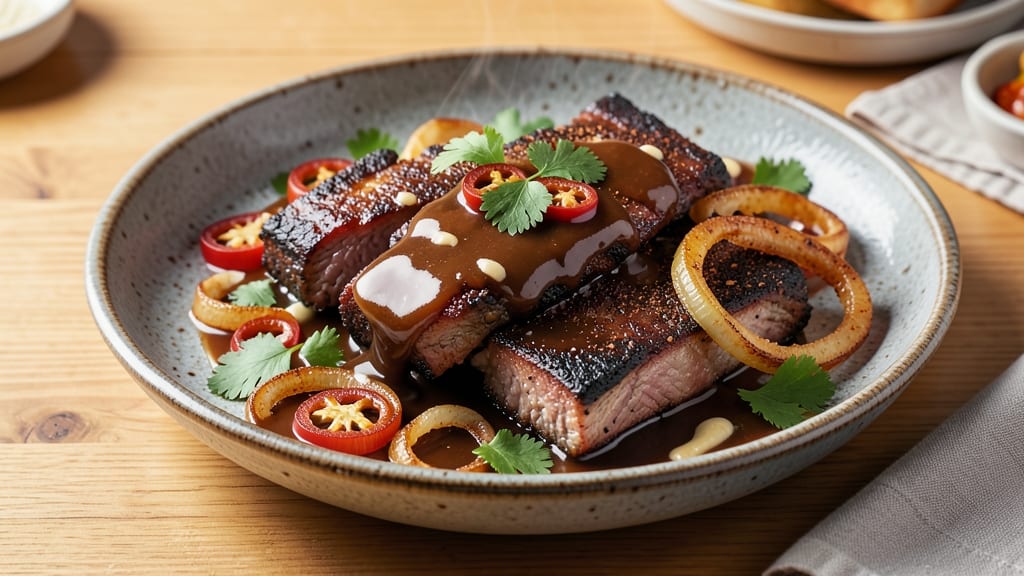
Apple cider vinegar BBQ sauce transforms backyard grilling with its tangy depth and probiotic benefits—this isn't your average sweet glaze. 🔥 As a pitmaster who's spent years perfecting fire-cooked flavors, I developed this recipe to balance smoky richness with the bright acidity of apple cider vinegar, creating a sauce that caramelizes beautifully while adding digestive-friendly zing. The secret lies in simmering molasses and spices until thick and glossy, resulting in a glaze that clings perfectly to ribs, chicken, or even roasted vegetables.
What sets this sauce apart is its layered complexity: the vinegar's probiotic punch cuts through fat, while molasses and brown sugar create that classic caramelized sweetness. Smoked paprika and garlic powder add warmth without overpowering, and a touch of Dijon mustard ensures depth.
The sauce thickens as it simmers, developing a velvety texture that's neither sticky nor watery—just right for basting or dipping. Unlike store-bought versions loaded with preservatives, this recipe delivers authentic smoky-sweet flavor with clean ingredients you can trust.
This versatile glaze works as a marinade for hours ahead, a basting sauce for competition-worthy ribs, or even a tangy dipping sauce for fries.
The apple cider vinegar not only enhances flavor but also adds a subtle health boost, making this more than just a condiment—it's a flavor upgrade that elevates every dish it touches.
Ready in just 30 minutes with pantry staples, it's the kind of sauce that turns ordinary grilling into an unforgettable experience.
For those who love customization, adjust the sweetness by adding more molasses or balancing the tang with a splash of honey. Store it in the fridge for up to two weeks, or freeze for longer shelf life.
Whether you're slow-cooking brisket or grilling chicken, this sauce delivers restaurant-quality results with minimal effort. Let's make it!
Ingredients for apple cider vinegar bbq
Pantry staples with a probiotic punch—this smoky-sweet glaze is anything but ordinary.
| Ingredient | Amount | Notes |
|---|---|---|
| Apple Cider Vinegar 🍏 | ½ cup | Raw, unfiltered preferred |
| Molasses 🍯 | ½ cup | Unsulphured for best flavor |
| Brown Sugar 🍚 | ½ cup | Light or dark variety |
| Smoked Paprika 🌶️ | 2 tbsp | For authentic smoky depth |
| Garlic Powder 🧄 | 1 tbsp | Freshly ground preferred |
| Dijon Mustard 🍯 | 1 tbsp | For tangy complexity |
| Onion Powder 🧅 | 1 tsp | Enhances savory notes |
| Ground Black Pepper 🌶️ | ½ tsp | Freshly cracked |
| Salt 🧂 | 1 tsp | Diamond Crystal preferred |
| Water 💧 | ¼ cup | For thinning consistency |
The apple cider vinegar is non-negotiable here—raw, unfiltered from Bragg or Texas Pete adds that probiotic zing and deeper flavor. I always grab the unsulphured molasses from the bulk section at Whole Foods—it's richer than the canned stuff. For smoked paprika, Penzeys is my go-to, but the Trader Joe's brand works perfectly fine if you're keeping it simple. The brown sugar? Light or dark, your call—but if you're going for that classic BBQ look, dark adds a caramelized depth. Freshly ground spices make all the difference, so if you've got whole spices, toast them first for extra punch.
No apple cider vinegar? White vinegar with 1 tbsp lemon juice gets you close, though the probiotic benefits disappear. Molasses too expensive? Maple syrup at half the amount works in a pinch, but the flavor won't be identical. Smoked paprika missing? Regular paprika plus a pinch of liquid smoke mimics the effect. The Dijon mustard is key for that tangy depth—substitute with yellow mustard if needed, but it'll be milder. For a quicker version, skip the simmering and whisk everything together, though it won't develop that same velvety texture. And if you're watching sugar, reduce the brown sugar to 1/4 cup—the vinegar's acidity will balance it.
This sauce keeps beautifully—2 weeks in the fridge sealed in a jar, or 6 months in the freezer if you're prepping for a big cook. I like to make a double batch because it disappears fast. For leftovers, just reheat on the stove with a splash of water to thin it out. The glaze thickens as it cools, so don't stress if it looks too syrupy right after simmering. A quick stir with a splash of water brings it back to perfect consistency. And if you're using it as a marinade, store meat and sauce separately in the fridge for safety—then toss to coat just before cooking.
Why You'll Love This Recipe
- Pantry Magic: I swear by this sauce because it uses stuff I already have—no special trips to the store. That tangy apple cider vinegar cuts through the sweetness of the molasses and brown sugar, while the smoked paprika adds depth without extra effort.
- Tangy-Sweet Balance: The molasses gives it that rich, caramelized warmth, but the vinegar keeps it bright and sharp—not cloying, not one-note. Honestly, the garlic powder ties it all together with a subtle punch that makes every bite satisfying.
- Tailgate or Taco Night: Slather it on ribs for a smoky weekend feast or drizzle it over grilled chicken for a quick weeknight dinner. I’ve even used it in sandwiches—trust me, the molasses and vinegar combo works magic in a pulled pork wrap.
- Lasts All Week: A big batch keeps for days in the fridge, so I make it once and use it twice. The flavors actually get better as it sits, and it’s way cheaper than store-bought sauces. Plus, my kids ask for it even when I’m not in the mood to cook.
Step-by-step instructions for apple cider vinegar BBQ sauce
Here's how to make a tangy, smoky-sweet glaze that'll elevate your grilled favorites.
🍳 Step 1: Combine Wet Ingredients in a Saucepan
In a medium saucepan, whisk together the 0.5 cup apple cider vinegar, 0.5 cup molasses, and 0.5 cup brown sugar over medium heat. You'll see the sugar begin to dissolve almost immediately—this is where the magic starts. Give it a good stir to prevent any scorching at the bottom.
Let the mixture simmer for about 5-7 minutes until it starts to bubble gently. You're looking for a syrupy consistency here—the molasses and sugar should blend completely, creating a rich foundation for your sauce. Keep an eye on it; molasses has a tendency to burn if left unattended.
🍳 Step 2: Add Dry Seasonings and Mustard
Reduce the heat to low and sprinkle in the 2 tbsp smoked paprika, 1 tbsp garlic powder, 1 tbsp Dijon mustard, 1 tsp onion powder, 0.5 tsp ground black pepper, and 1 tsp salt. Stir constantly for 2-3 minutes until everything is fully incorporated and the spices bloom.
This is where the depth of flavor develops. The smoked paprika will give you that authentic barbecue smoke taste without needing a smoker, while the Dijon mustard adds a tangy complexity that balances the sweetness. You'll notice the mixture darkening slightly—that's a good sign, indicating the spices are activating properly.
🥘 Step 3: Thin to Perfect Consistency
Pour in the 0.25 cup water and stir well to combine. Simmer for another 5-7 minutes until the sauce reaches your desired consistency. For a thicker glaze (great for basting), let it reduce slightly longer. For a thinner sauce (ideal for dipping or brushing), you might want to add an extra 1-2 tablespoons of water at this stage.
Here's the thing—this sauce will continue to thicken as it cools, so don't over-reduce it. You want it to be pourable but still coat the back of a spoon when you lift it. Taste as you go and adjust the seasoning if needed. The apple cider vinegar should provide a bright tang that cuts through the sweetness.
⏰ Step 4: Cool and Store Properly
Remove the saucepan from heat and let the mixture cool to room temperature. This cooling step is crucial—it allows the flavors to meld completely. Once cooled, transfer the sauce to a clean jar or airtight container. The sauce will keep in the refrigerator for up to 2 weeks or can be frozen for up to 3 months.
For best results, let the sauce sit overnight before using it. This resting period allows all the flavors to fully develop and the texture to stabilize. The next day, give it a good stir before using—you'll be amazed at how much deeper the flavors have become.
Pro Tips For Making Apple Cider Vinegar Bbq
- Simmer Slow and Low: This isn’t one of those recipes where you can rush the sauce. Bring it to a boil first to kill raw vinegar tang, then drop the heat to a gentle simmer—think tiny bubbles, not rolling. I learned this the hard way: high heat turns molasses bitter fast, and you’ll end up with a syrup that tastes like burnt caramel instead of rich, smoky depth.
- Whisk Molasses First: Never dump that thick molasses straight into the pot—it’ll clump like glue. Mix it into a splash of warm water or vinegar before adding it to the sauce. This isn’t just about ease; it guarantees the molasses dissolves evenly, so your BBQ doesn’t have weird sticky pockets. (Yes, even if you’re impatient like me.)
- Taste Before You Thicken: Skip the urge to add brown sugar or smoked paprika just because the sauce looks thin. Taste it raw—the vinegar’s sharpness and molasses’ sweetness are the foundation. Balance is everything here; you can always adjust thickness later with a cornstarch slurry, but you can’t fix a flavor misstep.
- Strain the Vinegar: Cheap apple cider vinegar often has sediment that turns your sauce cloudy. Strain it through a fine-mesh sieve or coffee filter before using—it’s a 30-second step that makes a real difference. I was skeptical until I tried it; the sauce now looks polished and tastes cleaner, like it’s been simmered for hours instead of 20 minutes.
Wine and beer pairings for apple cider vinegar bbq
Red Wine Pairings
For this tangy-sweet sauce, I reach for a dry red wine with enough acidity to stand up to the apple cider vinegar's brightness. A Cabernet Franc from the Loire Valley—like Château de la Madeleine—is my go-to.
Its red fruit notes and subtle herbal finish complement the smoky paprika while the wine's acidity mirrors the vinegar's tang. 🍷
If you prefer something lighter, try a Pinot Noir from Oregon's Willamette Valley. The Domaine Serene label offers bright cherry and citrus notes that cut through the sauce's richness without overpowering it. Both wines avoid clashing with the molasses' sweetness, creating a balanced pairing that enhances every bite.
Crisp White Wine
Don't overlook whites—especially if you're serving this sauce with pulled pork or grilled fish. A dry Riesling from Germany, like Dr. Loosen Blue Slate, brings stunning acidity and peach notes that harmonize beautifully with the molasses and vinegar.
The wine's mineral finish also cleanses your palate between rich bites. ✨
Beer Pairings
For beer lovers, a Belgian-style witbier like Hoegaarden is perfect—its coriander and citrus notes mirror the apple cider vinegar while the effervescence cuts through the sauce's thickness. The slight sweetness in the beer balances the molasses beautifully. 🍺
If you prefer American craft beers, try a hazy IPA with malt-forward flavors. The Hazy Little Thing from Alchemist Brewery offers juicy fruit and creamy malt that complement the sauce's smoky depth without competing. The bitterness in the IPA also helps balance the sweetness.
Non-Alcoholic Options
For a refreshing non-alcoholic match, I recommend a sparkling apple cider like Martinelli's. The effervescence and apple notes enhance the vinegar's tang while keeping the meal light. For something more robust, try a ginger beer—the spicy kick complements the smoked paprika beautifully. 🍏
If you're serving this sauce with fried foods, a sparkling lemonade with a touch of mint adds a refreshing contrast. The citrus brightens the molasses' sweetness, creating a perfect balance that keeps every bite exciting.
Nutrition facts
Frequently asked questions
Can I use this apple cider vinegar BBQ sauce as a marinade? Yes! This sauce makes an excellent marinade for chicken, pork, or even tofu. For best results, combine equal parts sauce and meat in a resealable bag, then marinate for 4-6 hours (or overnight for deeper flavor). The acidity in the vinegar tenderizes the meat while infusing it with smoky-sweet flavor. Just
Why does my homemade BBQ sauce turn out too thin?
If your sauce is too thin, it likely didn't simmer long enough to reduce. The molasses and sugar need time to thicken naturally as they cook. For a quicker fix, simmer uncovered for an extra 5-10 minutes to evaporate excess moisture. If it's already cooled, reheat gently and stir in 1-2 teaspoons of cornstarch mixed with water to thicken it back up.
How can I make this sauce spicier?
For extra heat, add 1/2 teaspoon of cayenne pepper or 1 teaspoon of chipotle powder when you mix in the spices. If you prefer fresh heat, stir in 1-2 tablespoons of hot sauce (like Frank's RedHot) after the sauce has cooled. For a smoky kick, increase the smoked paprika to 3 tablespoons—just taste as you go to avoid overpowering the sweet-tart balance.
Can I substitute apple cider vinegar with white vinegar?
While you can use white vinegar in a pinch, it won't have the same depth of flavor or probiotic benefits. For a closer substitute, mix 1/2 cup white vinegar with 1 tablespoon lemon juice. The acidity will be similar, though the tang will be slightly sharper. If you're watching the probiotics, consider adding a 1/4 teaspoon of apple cider vinegar powder for a hint of the original flavor.
What's the best way to store leftover BBQ sauce?
Store leftovers in an airtight container in the fridge for up to 2 weeks or freeze for 3 months. To reheat, warm gently on the stove over low heat and stir in a splash of water if it thickens too much. For longer storage, freeze in ice cube trays—just thaw and reheat as needed. The sauce may darken slightly when frozen, but the flavor stays vibrant.