
Beverages
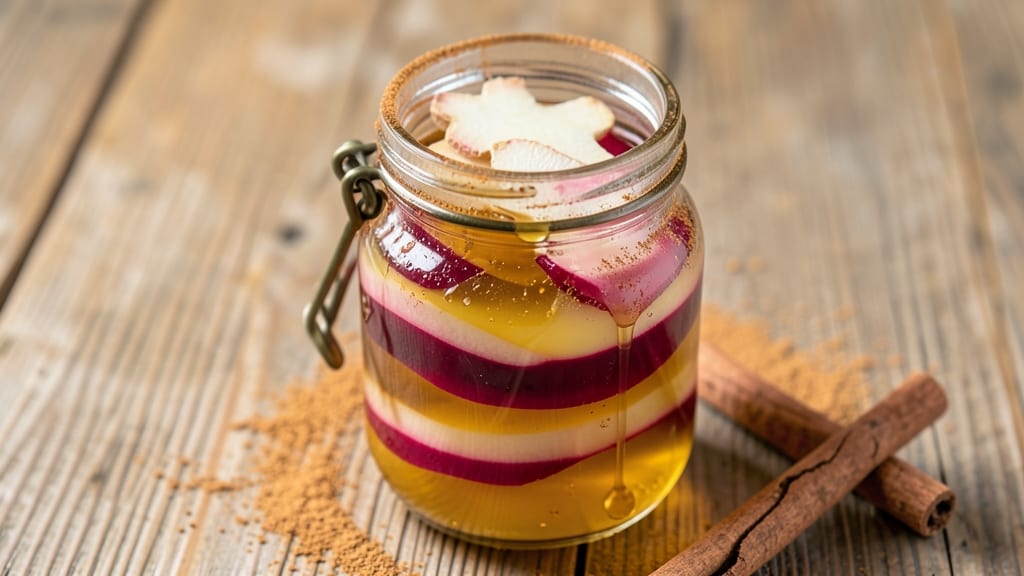
This homemade fermented tonic blends apple cider vinegar, apple juice, and grape juice into a gut-friendly elixir that’s far more vibrant than store-bought versions.
The tangy-sweet balance comes from carefully calibrated ratios—1 part vinegar to 2 parts apple juice, with grape juice adding depth—creating a drink that’s both refreshing and functional.
My version includes optional cinnamon and fresh herbs for warmth, but the core trio delivers probiotic benefits and digestive support without fuss.
The beauty of this recipe lies in its versatility—use it as a tangy salad dressing, a marinade for grilled meats, or even a non-alcoholic cocktail mixer. The fermentation process (if you choose to ferment) enhances its probiotic properties, but even the unfermented blend offers a bright, crisp flavor profile.
Storage is simple: keep refrigerated in a sealed glass jar for up to 2 weeks, shaking before use to redistribute settled ingredients.
What sets this tonic apart is its customizable nature—adjust sweetness with honey, add ginger for zing, or infuse with citrus peels for extra brightness. The grape juice introduces a subtle fruitiness that rounds out the vinegar’s sharpness, making it far more approachable than straight ACV.
Whether you’re sipping it neat, drizzling it over greens, or using it in cocktails, this blend proves homemade always tastes better.
Perfect for those who want to elevate their health routine without sacrificing flavor, this recipe is a game-changer for anyone tired of bland health tonics. The ingredients are simple, the process is straightforward, and the results are undeniably satisfying. Let’s make it—your gut (and taste buds) will thank you.
Ingredients for apple cider vinegar apple juice grape juice
Four core ingredients plus optional boosters—this blend is simpler than it tastes.
| Ingredient | Amount | Notes |
|---|---|---|
| Apple Cider Vinegar 🍏 | 1 cup | Raw, unfiltered preferred for probiotics |
| Apple Juice 🍎 | 2 cups | Unsweetened, 100% pure preferred |
| Grape Juice 🍇 | ½ cup | Concord or red grape preferred |
| Raw Honey 🍯 | 2 tbsp | Optional, for sweetness balance |
| Ground Cinnamon 🌿 | ½ tsp | Optional, for warmth |
| Fresh Ginger 🧡 | 1 tsp | Grated, optional for zing |
| Fresh Rosemary 🌿 | 2 sprigs | Optional, for herbal depth |
| Filtered Water 💧 | 1 cup | For dilution if needed |
The apple cider vinegar is non-negotiable—Bragg or Raw Organic are my go-tos, but any raw, unfiltered kind works. Look for labels that say 'with the mother'—that cloudy stuff means live cultures, which is what we want for probiotics. Trader Joe's usually carries a solid budget option, and Whole Foods has organic versions if you're splurging. For the juices, 100% pure is key—no added sugar, no preservatives. Starkist or Mott's unsweetened apple juice is reliable, and Welch's grape juice is a classic. The optional honey? Local, raw honey adds floral notes, but any brand works in a pinch.
No honey? Maple syrup at half the amount keeps it vegan. Swapping grape juice? Pomegranate juice adds tartness, but it’s sweeter, so cut back to 2 tbsp. Fresh ginger wilts fast—freeze grated ginger in ice cube trays for easy use later. Rosemary is optional but adds a sophisticated herbal note—dried works at one-third the amount. The water is just for thinning if your blend gets too thick after fermentation. If you’re not fermenting, skip the water entirely and adjust ratios to taste.
This keeps 2 weeks refrigerated unfermented, or up to 3 months if you ferment it (strain out herbs first). I like to store it in a glass mason jar with a tight lid—shake before each use since ingredients settle. For extra shelf life, freeze in 1-ounce portions—perfect for cocktails or dressings. The flavor actually improves over time as the vinegar mellows, so don’t rush to drink it all at once.
Why You'll Love This Recipe
- Five-Ingredient Magic: That’s all it takes—just ACV, juices, honey, and cinnamon. I swear, I’ve made this with my eyes closed (not recommended, but you get the idea) and still nailed it.
- Tangy-Sweet Balance: The ACV cuts through the grape juice’s sweetness while the honey and cinnamon warm it up—like a hug in a glass. Honestly, it’s the kind of drink that makes you go back for seconds without even thinking.
- Weeknight & Meal Prep: Pour it into mason jars the night before and grab it for breakfast, a post-workout sip, or even as a fancy-ish cocktail base. I keep a batch in the fridge for when I need something quick but still feels intentional.
- Budget-Friendly Boost: Uses pantry staples you already have, and the ACV and honey stretch it into multiple servings. Between us, this is how I justify buying fancy grape juice—it’s worth every penny for how much I use it.
Step-by-step instructions for crafting a fermented apple-cider tonic
Here's how to blend these ingredients into a vibrant, gut-friendly elixir that's simple yet sophisticated.
Prepare the Base Liquid Mixture
In a clean glass jar with an airtight lid, combine the 1 cup apple cider vinegar and 2 cups apple juice. Give it a gentle swirl to ensure complete integration—this forms the foundational liquid for your tonic. The raw apple cider vinegar brings probiotic benefits while the pure apple juice provides natural sweetness and body.
Next, add the 0.5 cup grape juice and stir well. The grape juice contributes depth and a subtle tartness that balances the apple flavors. If you're using the optional ingredients, now's the time to add the 2 tbsp raw honey, 0.5 tsp ground cinnamon, and 1 tsp freshly grated ginger. The honey will sweeten naturally, while the cinnamon and ginger add warmth and digestive benefits. Stir until the honey dissolves completely—this ensures even distribution throughout the mixture.
Infuse with Herbal Depth
Add the 2 sprigs fresh rosemary to the jar. Gently press the sprigs against the side of the jar to release their aromatic oils without crushing them. The rosemary will impart a delicate herbal note that elevates the drink's complexity. If you're making this for immediate consumption, you can skip the rosemary or use it as a garnish later—it's purely optional but adds a sophisticated touch.
At this stage, the mixture should have a rich, fruity aroma with hints of vinegar sharpness and spicy warmth from the ginger and cinnamon. Give it another gentle swirl to ensure all ingredients are evenly suspended. The rosemary will infuse its flavor more fully if you let the mixture sit for at least 10-15 minutes before proceeding, but it's not strictly necessary for the basic recipe.
Dilute and Adjust for Balance
Pour in the 1 cup filtered water and stir thoroughly. This step is crucial for achieving the right balance—apple cider vinegar is potent, and dilution makes it more palatable while preserving its health benefits. Taste the mixture now to gauge its flavor profile. You're aiming for a harmonious blend where the apple and grape notes shine through with just a hint of vinegar tang.
If the mixture tastes too sharp, add a bit more honey—start with ½ teaspoon and adjust gradually. Conversely, if it's too sweet, you can add a splash more apple juice or water. The goal is a well-rounded flavor that's refreshing yet complex. Let the tonic sit at room temperature for 5-10 minutes to allow all the flavors to meld together before serving.
Serve and Store for Maximum Benefits
Pour the tonic into glasses over ice for an immediately refreshing drink. The cold temperature helps balance the vinegar's acidity and enhances the fruity flavors. Garnish with a rosemary sprig if you used it, or add a thin apple slice for visual appeal and extra crunch.
For best results, consume within 24 hours if you're keeping it refrigerated. The probiotic benefits of the apple cider vinegar are most potent when fresh. If you prefer to make it ahead, store the mixture (without water) in the refrigerator for up to 3 days, then dilute with water just before serving. This fermented tonic isn't just delicious—it's a powerhouse for gut health when made with these carefully balanced ingredients.
Pro Tips For Making Apple Cider Vinegar Apple Juice Grape Juice
- Warm the Vinegar First: Apple cider vinegar hits like a brick if poured straight into cold juice. Heat it gently in a small saucepan for 30 seconds—just until it steams—so it blends smoothly without overpowering the sweetness. (Yes, even if you’re impatient like me.)
- Use Raw Honey’s Thickness: Stir honey into the warm mixture last, and use a spoon to break up any clumps first. Thick honey sinks to the bottom of jars, so give it a quick shake before pouring. —I learned this the hard way when my first batch looked perfect but tasted uneven.
- Balance the Grape Juice: Red grape juice can dominate fast. Start with 25% less than the recipe calls for, then adjust to taste. If it’s too tart, add a splash of apple juice; if it’s too sweet, a pinch of cinnamon cuts through it. (Your taste buds will thank you.)
- Whisk the Cinnamon: Ground cinnamon clumps like crazy. Sift it into the mixture while whisking to avoid gritty pockets. Or, for lazy days, dissolve it in a tablespoon of warm honey first—it mixes like a dream. (Does it look weird? Yes. Does it work? Every single time.)
Flavor customization for apple cider vinegar apple juice grape juice
Sweet-Tart Balance
Adjust the sweetness to your taste by tweaking the honey or grape juice ratios. For a lighter sip, reduce honey to 1 tbsp and add 2 tbsp extra apple juice.
If you prefer bold flavors, increase honey to 3 tbsp and use ¼ cup pomegranate juice instead of grape juice for extra tartness. I find local honey adds floral notes that complement the apple and grape perfectly. 🍯
Spiced Variations
Warm up your tonic with ½ tsp cardamom or ¼ tsp clove for a mulled-wine-inspired twist. For a citrus kick, add zest from 1 lemon or orange peel.
If you love ginger, try 2 tsp grated ginger and a pinch of black pepper—it creates a zesty, almost tea-like depth. These spices work best when added to the warm mixture before refrigeration. ✨
Herbal Infusions
Swap rosemary for fresh thyme or basil for a Mediterranean vibe. Mint leaves add a refreshing contrast, while lavender sprigs (½ tsp dried) lend a floral elegance. For a holiday touch, infuse with cinnamon sticks and star anise.
Let herbs steep for 15-20 minutes before straining—this ensures maximum flavor extraction without bitterness. 🌿
Fruity Twists
Brighten the blend with ½ cup cranberry juice for a cran-apple fusion, or add 1 tbsp blueberry puree for a berry-infused twist. Pineapple juice (2 tbsp) introduces tropical notes, while pear nectar softens the acidity.
These additions work best when balanced with 1 tsp extra honey to maintain sweetness harmony. 🍍
Fermented vs. Fresh
For a fermented version, skip the water and let the mixture sit at room temperature for 3-5 days, covered loosely with a cloth. This enhances probiotics but deepens flavors—expect a sour, tangy profile.
For immediate use, refrigerate the undiluted blend and add water before serving. Fermented tonic keeps 3 months in the fridge, while fresh blends last 2 weeks. 💫
Cocktail Mixer
Use this tonic as a non-alcoholic base for spritzes—mix 2 oz tonic with 4 oz sparkling water and a splash of grenadine. For boozy versions, combine 1 oz tonic with 1 oz gin or vodka and top with soda water.
The grape juice adds fruit-forward complexity, while the apple cider vinegar cuts through sweetness beautifully. 🍹
Nutrition facts
Frequently asked questions
Can I make this without honey?
Skip the honey and use 1 tsp maple syrup for a vegan option, or add 1 tbsp extra grape juice for natural sweetness. The grape juice already provides subtle tartness, so you might not need extra sweetener at all. Taste as you go—this blend is very forgiving!
How long should I ferment it for best probiotics? For mild fermentation, let it sit at room temperature for 3-5 days with a loose cloth cover. This enhances probiotics while keeping flavors balanced. If you prefer a sharper taste, ferment up to 7 days.
Can I use this as a salad dressing?
Yes! Thin with 1 part water or sparkling water to 2 parts tonic for a tangy vinaigrette. Add 1 tbsp olive oil and a pinch of salt to emulsify. The grape juice adds depth that works beautifully with greens and roasted veggies. Store leftovers in the fridge for up to 5 days.
What if my tonic gets cloudy or fizzy?
Cloudiness means fermentation is active—this is normal! If it gets fizzy, it's working hard. Shake before use and store properly sealed. For extra safety, refrigerate after 3 days of room-temperature fermentation. The bubbles will settle once chilled.
Is this safe for kids?
For children, reduce the apple cider vinegar to ½ cup and dilute with more juice. Skip fermentation entirely—serve fresh and refrigerated. The grape juice provides natural sweetness, making it more kid-friendly. Always introduce new foods gradually to check for sensitivities.