
Beverages
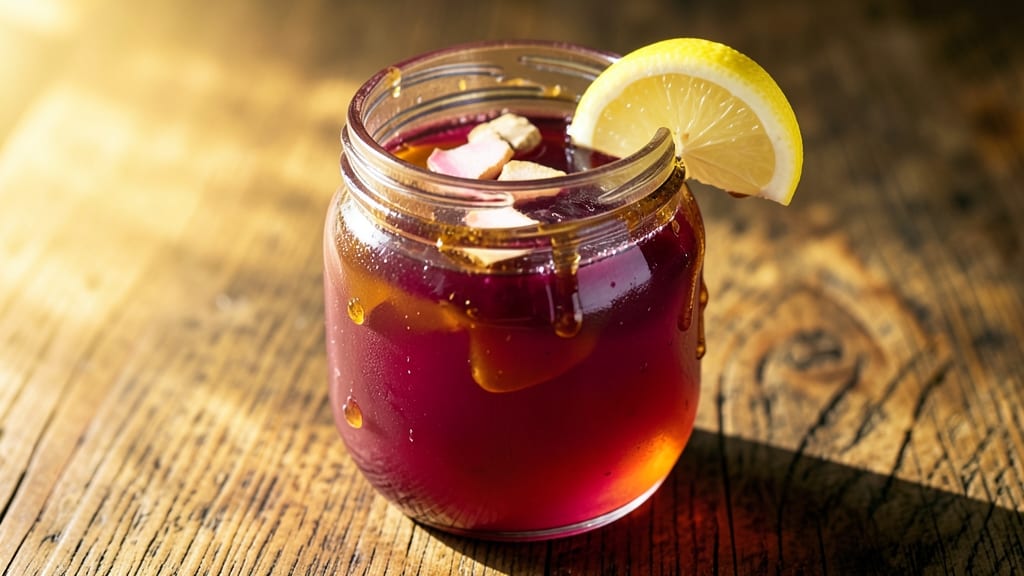
This apple cider vinegar and grape juice recipe creates a tangy, gut-friendly elixir that's surprisingly simple to make at home. The balance of sharp vinegar and sweet grape juice delivers a refreshing drink with probiotic benefits—perfect for sipping plain or using as a base for dressings and marinades.
I developed this blend after discovering how easily homemade versions outshine store-bought alternatives in both flavor and nutritional value.
The process involves just three core ingredients: raw apple cider vinegar, 100% pure grape juice, and a touch of honey to balance the acidity—no complicated techniques required. What makes this recipe special is its versatility; use it as a digestive aid, salad dressing, or even a cocktail mixer.
The fermentation process (if you choose to extend it) enhances the probiotic properties while deepening the flavor complexity.
What you'll end up with is a vibrant, golden-hued drink that's both invigorating and soothing—ideal for morning hydration or post-meal digestion. The acidity from the vinegar helps break down food while the grape juice adds natural sweetness and antioxidants.
This isn't just another health tonic; it's a flavorful addition to your daily routine that actually tastes good.
Whether you enjoy it chilled over ice or use it as a marinade for grilled meats, this blend transforms simple ingredients into something extraordinary. Let's get started with the recipe that's changing how I approach gut health—one sip at a time.
Ingredients for apple cider vinegar and grape juice
Three core ingredients plus a few powerhouse boosters create this vibrant gut-friendly elixir.
| Ingredient | Amount | Notes |
|---|---|---|
| Raw Apple Cider Vinegar 🍏 | 1 cup | Unfiltered, with mother culture preferred |
| 100% Pure Grape Juice 🍇 | 1 cup | Concord or red grape juice works best |
| Raw Honey 🍯 | 2 tbsp | Local honey for added flavor complexity |
| Fresh Lemon Juice 🍋 | 1 tbsp | Balances acidity, fresh squeezed preferred |
| Fresh Ginger 🌿 | 1 tsp | Finely grated, optional for zing |
| Filtered Water 💧 | ½ cup | For dilution if needed |
| Sea Salt 🧂 | ¼ tsp | Diamond Crystal preferred |
| Black Peppercorns 🌶️ | 5 whole | Crushed, for subtle depth |
The apple cider vinegar is non-negotiable—look for unfiltered, raw versions with the mother culture at Whole Foods or Trader Joe's (their organic ACV is my go-to). The grape juice should be 100% pure, no concentrates—Trader Joe's or Costco organic options work perfectly. Honey matters too; local, raw honey adds subtle floral notes that store-bought versions miss. For the lemon juice, I always grab Eureka lemons—they're seedless and packed with juice. The ginger and peppercorns are optional but elevate this from basic to extraordinary.
No raw honey? Maple syrup or agave work in a pinch (use slightly less—about 1.5 tbsp since they're sweeter). Grape juice too tart? Add another tbsp of honey or a splash of orange juice. Running out of lemon? Lime juice works at the same amount. The vinegar can be substituted with white vinegar (though it lacks depth), and if you're avoiding honey entirely, monk fruit sweetener dissolves well. For a spicier kick, add a pinch of cayenne instead of black peppercorns.
This blend keeps beautifully—up to 2 weeks in the fridge once opened. I store it in a glass jar with a tight lid to preserve freshness. For fermentation (if you choose to extend it), use a fermentation airlock and store at room temperature for 3-5 days. The flavor deepens over time, but it's equally delicious fresh. Use within 3 months if refrigerated after opening. Perfect for sipping, mixing into dressings, or even as a marinade base—just remember to dilute with water if using for cooking.
Why You'll Love This Recipe
- Five-Ingredient Magic: I swear by this combo—just mix, stir, and sip. No measuring cups, no fancy tools, just straight-up simple. The raw honey and ginger do the heavy lifting while I stand there pretending to be organized.
- Tangy-Sweet Balance: That first sip? Chef’s kiss. The grape juice gives it a rich, fruity depth, but the apple cider vinegar cuts through with just enough bite—like a hug for your taste buds. Add lemon juice, and it’s basically liquid sunshine.
- Weeknight & Workday Buddy: Honestly, this is my go-to when I need something fast but still feel fancy. Pour it over ice for a refreshing drink, or drizzle it on salads (yes, really) when I’m too tired to cook. It’s the ultimate “I’ve got this” elixir.
- Lasts All Week: Between us, I make a big batch on Sundays and it’s still there when I need it—no sad, wilted leftovers here. Plus, the raw honey and vinegar keep it fresh longer than store-bought tonics. My wallet and my taste buds win.
Step-by-step instructions for crafting apple cider vinegar and grape juice elixir
This vibrant blend comes together in minutes with just a few simple techniques.
Combine the Base Ingredients
In a medium glass jar with a tight-fitting lid, pour in the 1 cup raw apple cider vinegar and 1 cup 100% pure grape juice. I like to use a clear jar so I can see the beautiful purple hue develop as we mix. The apple cider vinegar provides that signature tang while the grape juice adds natural sweetness and depth.
Add the 0.5 cup filtered water next—this helps balance the acidity and creates a more drinkable consistency. Give everything a gentle swirl to start blending the ingredients. The liquid should already begin taking on a rich, ruby-red color from the grape juice infusion. This is your foundation, so take your time to combine these components evenly.
Sweeten and Season Thoughtfully
Drizzle in the 2 tablespoons raw honey while stirring continuously. I use a small whisk or spoon to ensure the honey dissolves completely—it should create a smooth, syrupy consistency without any graininess. The honey not only sweetens but also adds subtle floral notes that complement the vinegar's sharpness.
Next, add the 1 tablespoon fresh lemon juice and the 1 teaspoon finely grated fresh ginger. The lemon juice brightens the flavor profile while the ginger adds a warm, slightly spicy kick. Stir well to distribute these ingredients evenly throughout the mixture. You'll notice the aroma become more complex—citrusy, floral, and with a hint of ginger's zing.
Finish with Salt and Pepper
Sprinkle in the 0.25 teaspoon sea salt and the 5 whole black peppercorns. The salt enhances all the flavors while the peppercorns add subtle earthy depth. Gently crush the peppercorns with the back of a spoon to release their essential oils without over-grinding—you want small flecks rather than powder.
Give the mixture one final thorough stir. The texture should be smooth with just a hint of effervescence from the vinegar. The color should be a deep, inviting purple-red, and the aroma should be complex—tart, sweet, citrusy, and warm all at once. This is your sensory checkpoint: if it smells vibrant and balanced, you're ready for the next step.
Rest and Adjust
Seal the jar tightly and let the mixture rest at room temperature for 10-15 minutes. This brief resting period allows all the flavors to meld together. I find this step particularly important because it lets the honey fully integrate and the ginger's heat mellow slightly.
After resting, give it another taste. You might find the flavors need slight adjustment—perhaps a touch more honey for sweetness or a splash of water if it's too concentrated. Remember, this elixir should balance tartness, sweetness, and complexity. Once you're satisfied with the flavor profile, your refreshing drink is ready to serve over ice or enjoy straight from the jar.
Pro Tips For Making Apple Cider Vinegar And Grape Juice
- STRAIN THE GINGER: Grate the ginger fresh and let it sit in the grape juice for 5 minutes before straining—this pulls out the maximum zing without bitterness. I used to just toss it in chopped, and the flavor was always duller. A fine-mesh sieve works best, and don’t skip this step if you want that bright, clean kick.
- DILUTE THE VINEGAR FIRST: Mix the raw apple cider vinegar with a splash of grape juice (about 1 part vinegar to 2 parts juice) before adding honey or lemon. Straight vinegar hits like a punch to the palate—this softens the acidity so the honey and ginger can shine. Trust me, your taste buds will notice the difference.
- WARM THE HONEY: Gently heat the honey with the grape juice for 30 seconds in a small saucepan—just until it’s liquid enough to stir smoothly. Cold honey clumps and fights you, and you’ll end up with uneven sweetness. A quick dip in warm juice integrates it perfectly.
- USE YOUNG GINGER: Grab the youngest, most tender ginger root you can find—it’s milder and sweeter, which balances the tartness of the vinegar. Older, fibrous ginger adds bitterness and overpowers the delicate grape flavor. Peel it thinly with a spoon to avoid wasting any of that good stuff.
Storing and reheating your apple cider vinegar and grape juice
Fridge Storage Tips
Store your apple cider grape elixir in an airtight glass jar with a tight lid—amber or cobalt glass blocks light best and preserves freshness. Keep it refrigerated at 40°F or below for up to 2 weeks.
The cold temperature slows down oxidation, maintaining that vibrant purple-red hue and complex flavor profile. I always label my jars with the date to track freshness—Sharpie markers work perfectly for this. 💧
Freezing for Longer Shelf Life
For extended storage, freeze the elixir in ice cube trays or small glass jars (leave ½-inch headspace for expansion). Once frozen, transfer cubes to a ziplock freezer bag or airtight container. This method preserves the ingredients' potency for up to 3 months.
When ready to use, simply thaw in the fridge overnight—no microwave needed to maintain quality. The frozen version works great for cocktail bases or marinades. ❄️
Reheating (or Re-Freshening)
If your elixir tastes slightly flat after refrigeration, revive it by adding 1-2 tablespoons of fresh lemon juice and ½ teaspoon grated ginger. Stir well and let sit for 10 minutes before serving.
For a quick boost, warm ¼ cup of the mixture in a small saucepan over low heat for 2-3 minutes, then mix back into the jar. This reactivates the flavors without altering the texture. 🔥
Fermented Version Storage
If you fermented your elixir (3-5 days at room temperature), transfer it to the fridge immediately after opening. Fermented versions keep for 3-4 weeks in the fridge—the longer it ferments, the more probiotic benefits it develops.
Store in a fermentation-safe glass jar with an airlock to prevent contamination. The flavor becomes richer and more complex with fermentation, but it's equally delicious fresh. 💫
Dilution for Cooking Uses
When using this elixir as a marinade or salad dressing, dilute 1 part elixir with 2 parts water to balance acidity. For grilling, reduce the mixture by half (simmer uncovered over medium heat for 5 minutes) to intensify the flavors.
Always store diluted versions in the fridge for up to 5 days—they won't last as long as the undiluted version due to water content. 🌶️
Garnish Preservation
If you garnish your elixir with fresh herbs (like mint or basil) or citrus slices, store them separately in a small container with a damp paper towel in the fridge. Add them back just before serving to keep their freshness.
For peppercorns or ginger, store them in a spice jar and add a pinch to each serving as needed. This keeps your elixir tasting vibrant every time. ✨
Nutrition facts
Frequently asked questions
Can I make this elixir without honey?
Replace the 2 tablespoons honey with 1.5 tablespoons maple syrup or agave nectar for a vegan option. For a zero-sugar version, try ½ teaspoon monk fruit sweetener—it dissolves well but use sparingly since it's much sweeter. The key is balancing the tartness of the vinegar and grape juice.
How long should I ferment this blend?
Fermentation is optional but enhances probiotics! For a light fermentation, use an airlock and let it sit at room temperature for 3-5 days. The flavor will deepen and develop a slight effervescence. For a stronger probiotic boost, extend to 7 days. Always refrigerate after fermenting to halt the process.
What's the best grape juice to use?
Look for 100% pure grape juice—no concentrates! Concord grape juice (purple) or red grape juice work best for color and flavor. Avoid white grape juice as it lacks the rich depth. Brands like Trader Joe's or Costco organic are excellent choices. The juice should be thick and slightly syrupy, not watery.
Can I use this as a salad dressing?
Yes! Dilute ¼ cup elixir with ½ cup water or sparkling water for a tangy dressing. Add 1 tablespoon olive oil and a pinch of black pepper for richness. Shake well before using—this works beautifully with greens, grilled veggies, or even as a vinaigrette base. Store leftovers in the fridge for up to 5 days.
Why does my mixture look cloudy?
Cloudiness is normal! The grape juice and vinegar create a natural reaction when mixed. If you prefer clarity, strain through a fine-mesh sieve after resting. For fermentation, cloudiness indicates active probiotics—this is actually desirable! Just avoid using cloudy, fermented versions for clear dressings if appearance matters.