
Sauces & Condiments
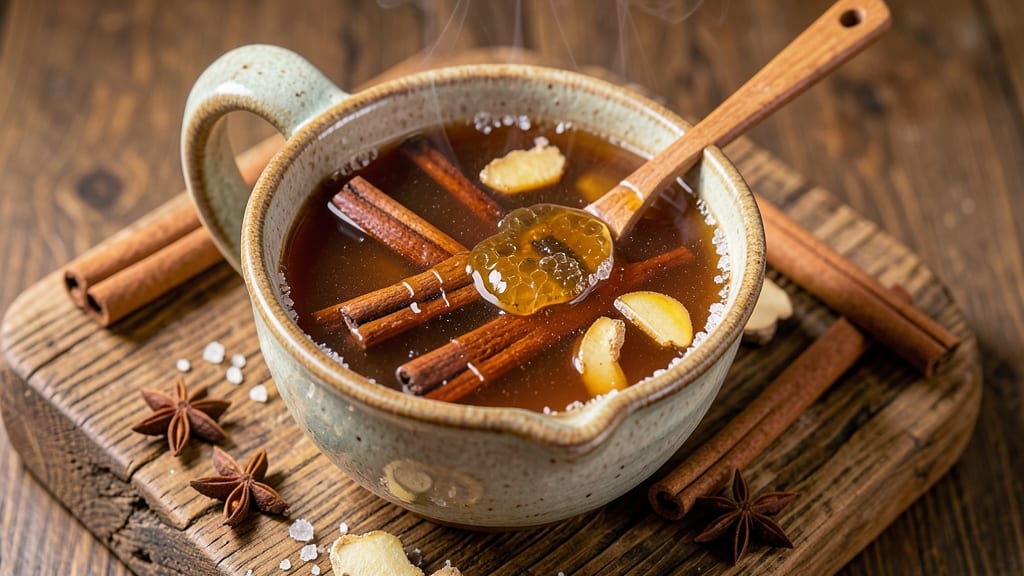
This apple cider recipe with apple cider vinegar transforms simple ingredients into a vibrant, health-boosting elixir that enhances digestion and adds a tangy-sweet depth to meals.
The secret lies in simmering fresh apple cider with raw apple cider vinegar and warming spices like cinnamon and ginger, creating a concentrated flavor that’s far more complex than store-bought versions.
Perfect for drizzling over salads, roasted vegetables, or even sipping warm as a digestive aid, this elixir bridges the gap between condiment and wellness tonic.
The beauty of this recipe is its versatility—it works as a marinade for pork tenderloin, a glaze for roasted carrots, or a finishing touch for grilled chicken.
The apple cider vinegar not only adds tang but also preserves the natural enzymes that support gut health, while the spices introduce warmth that lingers long after the first sip.
Unlike commercial dressings, this version is free from artificial additives, making it a cleaner choice for both your plate and your body.
What sets this elixir apart is its dual-purpose magic: it’s equal parts functional and flavorful. The reduction process intensifies the apple’s natural sweetness while balancing the vinegar’s acidity, resulting in a sauce that’s rich yet bright.
Whether you’re using it to tenderize meats, brighten a salad, or simply enjoy its benefits straight from the jar, this recipe delivers restaurant-quality depth with minimal effort.
Best of all, it keeps beautifully in the refrigerator for up to two weeks, allowing you to batch-prep for the season. Start with this foundational recipe, then experiment with variations like adding a splash of honey for extra sweetness or a pinch of cayenne for heat.
The possibilities are as endless as your autumn cooking adventures.
Ingredients for apple cider recipe with apple cider vinegar
The perfect blend of autumn flavors and gut-friendly benefits—just 10 ingredients for a sauce that works everywhere.
| Ingredient | Amount | Notes |
|---|---|---|
| Fresh Apple Cider 🍎 | 4 cups | Unfiltered, preferably organic |
| Raw Apple Cider Vinegar 🍶 | ½ cup | Unpasteurized, cloudy variety |
| Cinnamon Sticks 🌿 | 2 whole | Ceylon preferred for delicate flavor |
| Fresh Ginger 🧄 | 2 tbsp | Finely grated, organic preferred |
| Honey 🍯 | ¼ cup | Raw, local honey preferred |
| Turbinado Sugar 🍚 | ¼ cup | Lightly packed, for caramelization |
| Orange Zest 🍊 | 1 tbsp | From organic orange, finely grated |
| Sea Salt 🧂 | ½ tsp | Diamond Crystal preferred |
| Black Peppercorns 🌶️ | ¼ tsp | Freshly cracked, coarse grind |
| Fresh Rosemary 🌿 | 1 tbsp | Finely chopped, organic preferred |
The apple cider and vinegar are non-negotiable for that signature tang-sweet balance. Local orchards or Trader Joe's often carry the best unfiltered cider—look for labels that say 'unpasteurized' or 'cloudy'. For vinegar, Bragg or Mother brand are my go-tos, but any raw ACV with 'the mother' in the bottle works. The cinnamon and ginger should be fresh—dried spices work but lack that bright punch. If you can't find Ceylon cinnamon, regular cassia is fine, just reduce to 1 stick since it's stronger. The honey adds depth, but skip it if you're avoiding sugar—maple syrup works one-for-one.
No fresh ginger? Ground ginger at half the amount gets you close, but you'll lose that fresh bite. Short on honey? A splash of date syrup keeps it vegan. The turbinado sugar caramelizes beautifully, but coconut sugar works too—just watch it closely. For extra warmth, add a pinch of nutmeg or cardamom. The orange zest can be dried orange peel if that's all you've got, but fresh is always brighter. If you're making this for a crowd, double the batch—it's worth the effort. The rosemary adds an earthy note that pairs perfectly with pork or roasted veggies.
This keeps for 2 weeks in the fridge, but the flavor actually improves after a day or two as the spices infuse. For longer storage, freeze in ice cube trays—thaw overnight in the fridge. The sauce thickens as it cools, so stir before using. I always make a big batch in fall and use it all season—drizzled over roasted Brussels sprouts, mixed into salad dressings, or even stirred into oatmeal for a cozy breakfast. The versatility is what makes this recipe a kitchen staple.
Why You'll Love This Recipe
- Five-Ingredient Magic: I swear by this combo—just warm the cider, add a splash of vinegar, toss in whole cinnamon sticks and ginger, then sweeten with honey. No peeling, no chopping, no stress. That’s the kind of recipe I can make while scrolling through my phone.
- Warm Spice Bomb: The moment that ginger starts simmering and those cinnamon sticks release their scent? Pure autumn in a mug. The vinegar cuts through the sweetness just enough to make it feel sophisticated, like a fancy drink but with ingredients you already own.
- Breakfast to Bedtime: I keep a pitcher of this in the fridge all week—sip it cold over ice for a morning pick-me-up, or heat it up with a splash of milk for a cozy nightcap. Even my coffee-loving husband asks for it on lazy Sundays. (Yes, even on a Tuesday night.)
- Zero-Waste Pantry Hero: Between us, this recipe uses up odd bits of ginger root and leftover cider before they go bad. A little vinegar goes a long way, and that honey jar? It lasts forever. I’ve made gallons of this for under $10—my wallet and my taste buds both win.
Step-by-step instructions for crafting autumn spice elixir
Here's how to transform simple ingredients into a vibrant, health-boosting elixir that captures autumn's essence.
Infuse the Base with Warm Spices
In a medium saucepan, combine the 4 cups fresh apple cider and 2 whole cinnamon sticks. Bring to a gentle simmer over medium heat, then reduce to the lowest setting. Let it steep for 15 minutes—this allows the cinnamon's delicate aroma to fully infuse the liquid. You'll notice the cider develop a subtle warmth and a faint pinkish hue from the cinnamon's natural compounds.
While waiting, finely grate the 2 tbsp fresh ginger using a microplane or fine grater. Add it to the simmering cider along with the 1 tbsp orange zest and 1 tbsp finely chopped fresh rosemary. Stir gently to distribute these bright, citrusy notes throughout. The ginger will release its signature peppery aroma, while the orange zest adds a zesty lift that balances the cider's natural sweetness.
Sweeten and Balance the Flavor Profile
In a small bowl, whisk together the 0.25 cup honey and 0.25 cup turbinado sugar until fully combined. This mixture should be smooth—no graininess should remain. Slowly pour it into the simmering cider while stirring continuously. The sugar will begin to dissolve immediately, but keep stirring for 1 full minute to ensure complete integration.
Taste the mixture now—it should be pleasantly sweet but still have room for the tangy elements. If you find it too sweet, don't worry; the apple cider vinegar will balance it perfectly in the next step. The turbinado sugar will also begin to caramelize slightly, adding depth to the final product.
Incorporate the Vinegar for Tangy Depth
Carefully pour in the 0.5 cup raw apple cider vinegar while stirring constantly. The vinegar's acidity will react with the sugars, creating a subtle effervescence. You'll notice the mixture become slightly cloudy as the vinegar's natural enzymes activate. Let it simmer gently for 5 more minutes, allowing these flavors to meld together.
During this time, crack the 0.25 tsp black peppercorns using a mortar and pestle or the back of a heavy knife. Add them to the pot along with the 0.5 tsp sea salt. The peppercorns will infuse their subtle heat, while the salt enhances all the flavors without overpowering. Stir one final time to ensure even distribution.
Simmer to Perfection and Strain
Continue simmering on low heat for 10 minutes total, allowing all the flavors to develop fully. The mixture should smell like a cozy autumn morning—warm spices, citrus brightness, and a hint of vinegary tang. Remove from heat and let it steep for 5 minutes off the stove to extract maximum flavor from all the ingredients.
Line a fine-mesh strainer with cheesecloth or a coffee filter, then pour the warm mixture through it. Gently press on the solids to extract every last drop of flavor. Discard the cinnamon sticks, ginger, rosemary, and peppercorns—they've done their job. Your elixir should now be beautifully clear with just a hint of golden hue from the spices.
Pro Tips For Making Apple Cider Recipe With Apple Cider Vinegar
- Simmer Low and Slow: I used to rush this and end up with a harsh, vinegary punch instead of smooth warmth. Once the cider and vinegar hit the heat, keep it at a gentle simmer—just small, occasional bubbles—so the flavors meld instead of fighting each other. (Yes, even if you’re impatient like me.)
- Peel the Ginger Thin: Thick slices of ginger will turn your drink into a mouthful of bite. Use a peeler to shave it into paper-thin strips—this way, it infuses the liquid without overpowering it. (And save yourself from picking out chunks later.)
- Balance the Vinegar: Raw apple cider vinegar is potent, and I’ve learned the hard way that adding it all at once can make your drink taste like a science experiment gone wrong. Start with half the amount, taste, then adjust—you can always add more, but you can’t take it out.
- Strain Before Straining: After simmering, let the mixture cool slightly before straining the cinnamon sticks and ginger. Cold liquid clings to fibers, so if you strain it hot, you’ll lose precious flavor—and end up with a cloudy drink. A fine-mesh sieve or cheesecloth works best. (Your future self will thank you.)
Regional styles of these flavors
New England Orchard Style
In New England, this elixir takes on a rustic, farmhouse charm with an extra touch of warmth. Locals often add 1 tsp maple syrup and ½ tsp ground cloves to the base recipe, creating a deeper, molasses-like richness that pairs perfectly with roasted pork or apple cider donuts.
Use unfiltered cider from local orchards like Cider Hill Farm for that authentic tang. The key here is patience—let it reduce for an extra 5 minutes to concentrate those orchard flavors. 🍁
Southern Comfort Twist
Down South, this elixir gets a smoky, spicy kick with ½ tsp smoked paprika and ¼ tsp cayenne pepper added during the final simmer. Swap the rosemary for 1 tbsp fresh thyme and use brown sugar instead of turbinado for a caramelized depth.
This version shines as a glaze for pulled pork or a tangy dipping sauce for fried okra. The heat from the cayenne cuts through the richness beautifully. 🌶️
Pacific Northwest Forest Foraging
In the Pacific Northwest, foragers elevate this recipe by incorporating 1 tbsp fresh cedar tips (finely chopped) and ½ tsp Douglas fir needles (lightly crushed) into the simmering cider. These evergreen notes add a piney freshness that complements the apple flavors.
Use local cider from Washington State like Cider Donkey and reduce the honey to 2 tbsp to let the forest flavors shine. This version works wonders drizzled over wild mushroom risotto or grilled salmon. 🌲
Midwest Farmhouse Classic
The Midwest takes a simpler, heartier approach with 1 tsp vanilla extract and ½ tsp ground nutmeg added during the final simmer. This version is thicker and more syrupy, perfect for drizzling over cornbread or roasted sweet potatoes.
Use local apple cider from Minnesota like Apple Valley Cider Mill and reduce the ginger to 1 tbsp to avoid overpowering the vanilla notes. The result is a comforting, spiced elixir that feels like autumn in a jar. 🍂
Urban Gourmet Fusion
For city chefs, this elixir gets a modern twist with 1 tbsp apple cider reduction (simmered down from an extra cup of cider) and a splash of dry sherry (just 1 tbsp) added at the end. This version pairs beautifully with seared duck breast or miso-glazed eggplant.
Use organic cider from Whole Foods and reduce the cinnamon to 1 stick** to keep the flavors balanced. The sherry adds a sophisticated depth that elevates this elixir to restaurant-quality status. 🍷
Nutrition facts
Frequently asked questions
Can I use store-bought apple cider instead of fresh?
Yes, but fresh cider delivers the best flavor! Store-bought often contains added sugar and lacks the natural enzymes found in fresh, unfiltered cider. If you must use bottled, choose a brand labeled "100% apple juice" with no added sweeteners. For the deepest flavor, simmer it for an extra 2-3 minutes to concentrate the natural sweetness.
How do I adjust this for vegan diets?
Swap the honey for maple syrup or agave nectar (use equal amounts) and ensure your apple cider vinegar is vegan-certified. The rest of the recipe remains the same—it's already plant-based! For extra richness, add 1 tbsp coconut oil at the end and whisk until emulsified. This works beautifully as a salad dressing base.
Why does my elixir look cloudy after straining?
That's normal! The apple cider vinegar's natural enzymes and pectin from the cider create a slight cloudiness. For a clearer version, chill the strained elixir for 1 hour first, then strain again through a coffee filter. If you prefer the rustic look, embrace it—it means you're using real, unprocessed ingredients. The flavor won't be affected.
Can I make this without sugar?
Omit the turbinado sugar and either reduce the honey to 1 tbsp or use 2 tbsp date syrup instead. The apple cider's natural sweetness will shine through, especially if you use a variety with higher sugar content. For extra tang, increase the vinegar to ⅔ cup. The result will be lighter but still complex.
How should I store leftovers?
Transfer to an airtight glass jar and refrigerate for up to 2 weeks. The flavors actually improve over time as the spices continue to infuse! For longer storage, freeze in 1-tablespoon portions in ice cube trays. Thaw overnight in the fridge—never at room temperature. The texture will be slightly thicker when cold, so stir before using.