
Beverages
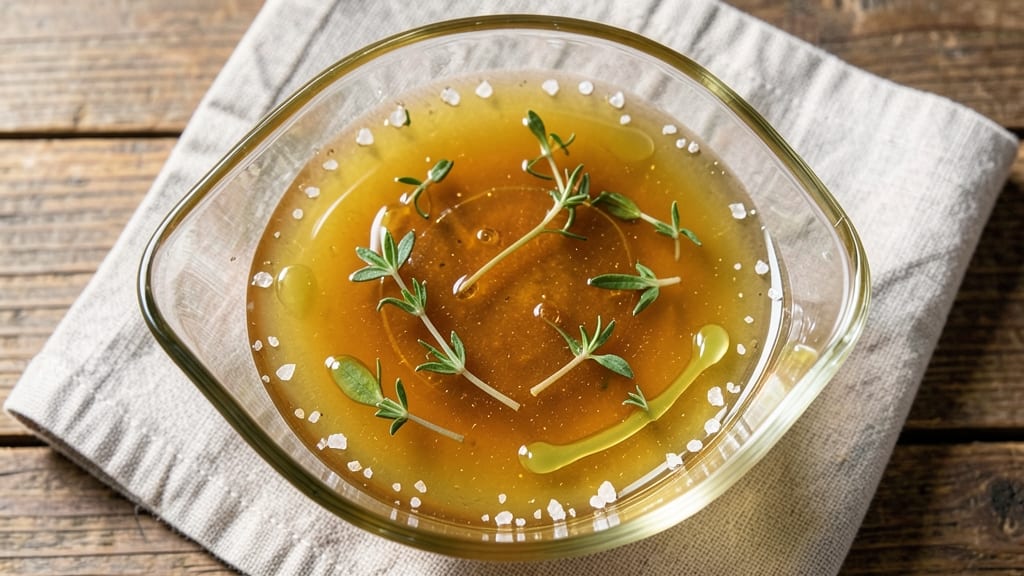
This apple cider honey vinaigrette recipe transforms simple salads and roasted vegetables into vibrant, flavor-packed meals with just five ingredients. The balance of tangy apple cider vinegar and sweet honey creates a dressing that’s bright yet rich, cutting through rich ingredients without overpowering them.
What makes this vinaigrette special is how effortlessly it elevates any dish—no fancy techniques required, just a whisk and a few minutes of your time.
The secret to a smooth, emulsified dressing lies in the slow incorporation of olive oil while whisking vigorously. Dijon mustard acts as the stabilizer, ensuring the vinaigrette stays creamy rather than separating. Fresh herbs like thyme or rosemary add depth, while a pinch of salt rounds out the flavors.
This dressing keeps well in the refrigerator for up to a week, making it perfect for meal prep.
Perfect for crisp green salads, hearty roasted Brussels sprouts, or even as a drizzle over grilled chicken, this vinaigrette delivers a bold yet balanced flavor profile. The apple cider vinegar adds a subtle autumnal note, while the honey brings natural sweetness that pairs beautifully with savory dishes.
Whether you’re prepping for a week of lunches or adding a finishing touch to dinner, this recipe is a game-changer.
For extra richness, stir in a spoonful of Greek yogurt or mayonnaise before adding the oil. If you prefer a thinner consistency, simply add a splash of water or more vinegar.
Store in an airtight container to preserve freshness, and shake gently before each use. This versatile dressing is the perfect way to bring brightness and balance to any meal.
Ingredients for apple cider honey vinaigrette
Five ingredients transform any meal into a vibrant, flavor-packed experience—bright yet rich, effortless yet restaurant-quality.
| Ingredient | Amount | Notes |
|---|---|---|
| Apple Cider Vinegar 🍎 | ½ cup | Raw, unfiltered preferred |
| Honey 🍯 | ¼ cup | Local raw honey preferred |
| Extra-Virgin Olive Oil 🫒 | ¾ cup | High-quality, fruity variety |
| Dijon Mustard 🌿 | 1 tbsp | Whole-grain preferred |
| Fresh Thyme Leaves 🌿 | 1 tbsp | Or 1 tsp dried thyme |
| Kosher Salt 🧂 | ½ tsp | Diamond Crystal preferred |
| Black Pepper 🌶️ | ¼ tsp | Freshly ground preferred |
| Fresh Rosemary 🌿 | 1 tsp | Chopped finely (optional) |
The apple cider vinegar should be raw and unfiltered—it’s packed with flavor and nutrients that store-bought versions lack. Trader Joe’s and Whole Foods carry excellent options, but any bottle labeled 'raw' works. Honey? Local raw honey from a farmers market adds depth, but any quality honey will do. The olive oil is non-negotiable—high-quality extra-virgin (like California Olive Ranch) ensures that rich, fruity flavor you want. Dijon mustard stabilizes the dressing, so don’t skip it—whole-grain adds texture, but regular works too. Fresh herbs like thyme and rosemary are optional but add a fragrant touch that makes this dressing truly special.
No raw apple cider vinegar? White vinegar or balsamic in a pinch, but the flavor will be different. Honey too expensive? Maple syrup works in a bind, though it’s sweeter. Olive oil shortage? Avocado oil is a great substitute—just use the same amount. The mustard can be swapped for whole-grain mustard or even yellow mustard if that’s what you’ve got. Fresh herbs wilt fast? Dried thyme or rosemary at half the amount will work, but fresh is always better. For extra richness, stir in 1 tbsp Greek yogurt before adding the oil—it’ll make the dressing ultra-creamy.
This dressing keeps like a dream—up to 1 week in the fridge if stored in an airtight jar. Shake it gently before each use, and if it separates, just whisk it back together. For meal prep, make a big batch and store in small jars for easy grab-and-go dressing. Freezes beautifully too—up to 3 months—though the texture may change slightly. The key to longevity? Always keep it sealed tightly, and if it smells off, toss it. Trust me, it’s worth the effort.
Why You'll Love This Recipe
- I’ll be real: I make a big batch and forget about it. The olive oil keeps it fresh for days, and the honey prevents separation. Perfect for when you’re prepping meals or just too busy to shop.
- Five-Ingredient Magic: Honestly, I’ve made dressings with 10+ ingredients—this one’s the opposite. Just vinegar, honey, olive oil, mustard, and thyme. That’s it. No measuring cups, no fancy tools, just a jar and a whisk.
- Sweet-Tart Balance: Here’s what sold me—the way the sharp apple cider vinegar cuts through the honey’s richness while the Dijon mustard adds just enough bite. Toss it on greens, and it’s like autumn in a jar.
- Salad Bar Staple: Between us, this is my go-to for everything—bowls, roasted veggies, even grilled chicken. I keep a jar in the fridge for when I’m too tired to think, and it never lets me down.
Step-by-step instructions for crafting apple cider honey vinaigrette
This bright, balanced dressing comes together in minutes with simple techniques and premium ingredients.
Whisk Together the Acid and Sweet Base
In a medium bowl, combine the 0.5 cup apple cider vinegar and 0.25 cup honey. Use a whisk to blend vigorously for about 30 seconds until the honey fully dissolves and the mixture becomes smooth and syrupy. The raw apple cider vinegar will add a tangy depth, while the local honey contributes floral sweetness that balances beautifully.
This initial step is crucial for creating the dressing's foundational flavor profile. You'll notice the mixture will look slightly cloudy at first, but keep whisking—this ensures the honey integrates completely and prevents any graininess in your final dressing. The vinegar's acidity will help emulsify the oil later, so don't skip this blending step.
Incorporate the Mustard and Fresh Herbs
Add the 1 tablespoon Dijon mustard and 1 tablespoon fresh thyme leaves to the vinegar-honey mixture. Whisk continuously for another 30 seconds until everything is thoroughly combined. The whole-grain Dijon mustard will add a subtle earthiness that helps stabilize the emulsion, while the fresh thyme brings an aromatic brightness that complements the apple cider's natural flavors.
At this stage, you might think the dressing is too thick, but don't worry—this is normal. The mustard acts as an emulsifier, and the fresh herbs will release their oils as you continue whisking. The texture will adjust perfectly once you add the olive oil. If you're using dried thyme instead, remember to reduce the amount by about 30% since dried herbs are more concentrated.
Gradually Emulsify the Olive Oil
With the whisk still in the bowl, very slowly drizzle in the 0.75 cup extra-virgin olive oil while whisking continuously. This gradual addition is key to creating a stable emulsion. Start with just a few drops at a time, whisking vigorously after each addition until the oil is fully incorporated before adding more. You'll notice the mixture will thicken slightly as it comes together.
The high-quality fruity olive oil should create a silky texture with a rich, peppery finish. If the dressing starts to separate at any point, simply whisk more vigorously for another 10-15 seconds. The combination of apple cider vinegar's acidity and Dijon mustard's emulsifying properties should hold everything together beautifully. This step might take a minute or two, but patience is crucial for that perfect, velvety consistency.
Season and Adjust the Balance
Add the 0.5 teaspoon kosher salt, 0.25 teaspoon black pepper, and 1 teaspoon finely chopped fresh rosemary to the dressing. Whisk for another 30 seconds to fully incorporate all the seasonings. Taste the dressing at this point—it should have a perfect balance of sweet, tangy, and herbal notes. If it needs more acidity, add a splash of additional apple cider vinegar. If it needs more sweetness, add a touch more honey.
The freshly ground black pepper will add a subtle warmth that complements the rosemary's piney aroma. This is your chance to fine-tune the flavor profile. Remember, the dressing should taste good on its own before you drizzle it over salads or roasted vegetables. If you find it needs more body, you can add another 1-2 tablespoons of olive oil, whisking well to re-emulsify. The dressing should coat the back of a spoon with a silky, glossy finish.
Rest and Serve for Optimal Flavor
Transfer the dressing to a clean jar or airtight container and let it rest at room temperature for at least 15 minutes before using. This resting period allows all the flavors to meld together beautifully. The apple cider vinegar's acidity will mellow slightly, and the honey will soften into a more integrated sweetness. You'll notice the dressing will also thicken slightly as it comes to equilibrium.
Once rested, give the dressing one final whisk or stir to ensure everything is well combined. This vinaigrette will keep in the refrigerator for up to 1 week, maintaining its bright flavors. It's perfect for drizzling over mixed greens, roasted Brussels sprouts, or even as a marinade for grilled chicken. The balance of sweet, tangy, and herbal notes makes it incredibly versatile for both summer salads and hearty winter dishes.
Pro Tips For Making Apple Cider Honey Vinaigrette
- Warm the Honey First: I learned this the hard way—cold honey in a vinaigrette turns it into a clumpy mess. Stir the honey into the warm vinegar (just heat it for 10 seconds in the microwave) before adding anything else. The vinegar thins it out smoothly, and your dressing won’t separate like a sad salad.
- Use Dijon, Not Regular Mustard: Skip the yellow mustard—it’s too sweet and fights the apple cider’s tang. Dijon’s sharpness cuts through the honey’s richness and balances the thyme. A teaspoon is enough; any more and you’ll taste nothing but mustard.
- Whisk Like You Mean It: This isn’t the time to half-ass it. Whisk the vinegar and honey vigorously for 30 seconds before drizzling in the oil. The emulsion forms faster, and you’ll avoid that greasy, split look. (Yes, even if you’re impatient like me.)
- Strain the Thyme Leaves: Crushed thyme stems make the dressing bitter—trust me, I’ve done it. Run the fresh leaves through your fingers to remove any woody bits before adding them. Or, for lazy nights, just snip them finely with scissors; it’s faster and keeps the flavor intact.
Best sauces and condiments for this dish
Herb Variations
Swap thyme and rosemary for other fresh herbs to match your dish. Fresh tarragon adds an anise-like note perfect for chicken salads, while fresh basil brightens caprese-style dishes. For a smoky twist, use 1 tsp chopped fresh sage—it pairs beautifully with roasted squash or butternut squash.
Always use fresh herbs when possible, but dried versions work in a pinch at half the quantity. 🌿
Sweetness Adjustments
Need more sweetness? Add 1-2 teaspoons of maple syrup or agave nectar for depth. For a caramelized touch, stir in 1 teaspoon of brown sugar and let it sit for 5 minutes before whisking.
If your honey is particularly floral, reduce it to 2 tablespoons and add 1 tablespoon of lemon juice to balance the flavors. Taste as you go—this dressing should taste delicious on its own! 🍯
Spicy Kick Options
Add heat with ½ teaspoon of cayenne pepper or 1 teaspoon of hot sauce for a spicy twist. For a smoky kick, stir in ½ teaspoon of smoked paprika or 1 teaspoon of chipotle powder.
If you love bright, zesty flavors, add 1 teaspoon of grated fresh ginger or ½ teaspoon of ground cinnamon for warmth. These additions work especially well with roasted vegetables or hearty salads. 🌶️
Rich Creamy Versions
For a thicker, creamier texture, stir in 2 tablespoons of Greek yogurt or mayonnaise before adding the oil. This creates a velvety dressing perfect for coleslaw or potato salads. For extra richness, add 1 tablespoon of tahini or walnut oil—both add nutty depth.
If you prefer a tangier creaminess, swap the yogurt for sour cream or crème fraîche. These variations are ideal for fall and winter dishes. 🥛
Citrus Brighteners
Add 1 tablespoon of fresh lemon juice or orange juice for a citrusy lift. Zest 1 teaspoon of lemon or orange peel for an aromatic touch. These additions work beautifully with seafood salads or grilled vegetables.
For a tropical twist, add ½ teaspoon of grated ginger and 1 teaspoon of lime juice. The acidity from citrus helps balance the sweetness of the honey even further. 🍋
Storage and Reuse
This vinaigrette keeps for up to 1 week in the fridge, stored in an airtight container. If it separates, simply whisk vigorously to re-emulsify. For longer storage, freeze in ice cube trays—thaw and whisk before use.
You can also use this dressing as a marinade for grilled chicken or pork (reduce honey to 2 tablespoons to prevent over-sweetening). The flavors deepen over time, making it even more delicious the next day. ❄️
Nutrition facts
Frequently asked questions
Can I make this vinaigrette without honey?
The honey is key for balancing the apple cider vinegar's acidity, but you can substitute 2 tablespoons of maple syrup or agave nectar for a similar sweetness. For a more savory profile, reduce the honey to 1 tablespoon and add 1 teaspoon of Dijon mustard to compensate. The dressing will still work, though the flavor balance will shift slightly.
Why did my vinaigrette separate?
Separation happens when oil and vinegar aren't properly emulsified. Whisk vigorously for 30 seconds to re-combine them, or add 1 teaspoon of Dijon mustard and whisk again. For a thicker texture, stir in 1 tablespoon of Greek yogurt—this stabilizes the emulsion. Always add oil slowly while whisking to prevent future separation.
What are the best dishes to use this dressing with?
This vinaigrette shines on mixed greens salads, roasted Brussels sprouts, grilled chicken, and warm grain bowls. It also works as a marinade for pork or fish (reduce honey to 2 tablespoons first). The sweet-tangy balance pairs beautifully with earthy vegetables and rich proteins.
How can I make this dressing spicier?
Add heat with ½ teaspoon of cayenne pepper, 1 teaspoon of hot sauce, or ½ teaspoon of smoked paprika. For depth, try 1 teaspoon of chipotle powder or a pinch of fresh ginger. These additions work especially well with roasted vegetables or hearty salads. The key is to taste as you go—start small and adjust!
Can I use this dressing as a marinade?
Yes! Use it for grilled chicken or pork, but reduce the honey to 2 tablespoons to avoid over-sweetening. Marinate for 30 minutes to 2 hours in the fridge. For seafood, reduce honey to 1 tablespoon and add 1 teaspoon of lemon juice to balance flavors. Always discard used marinade after contact with raw meat.