
Beverages
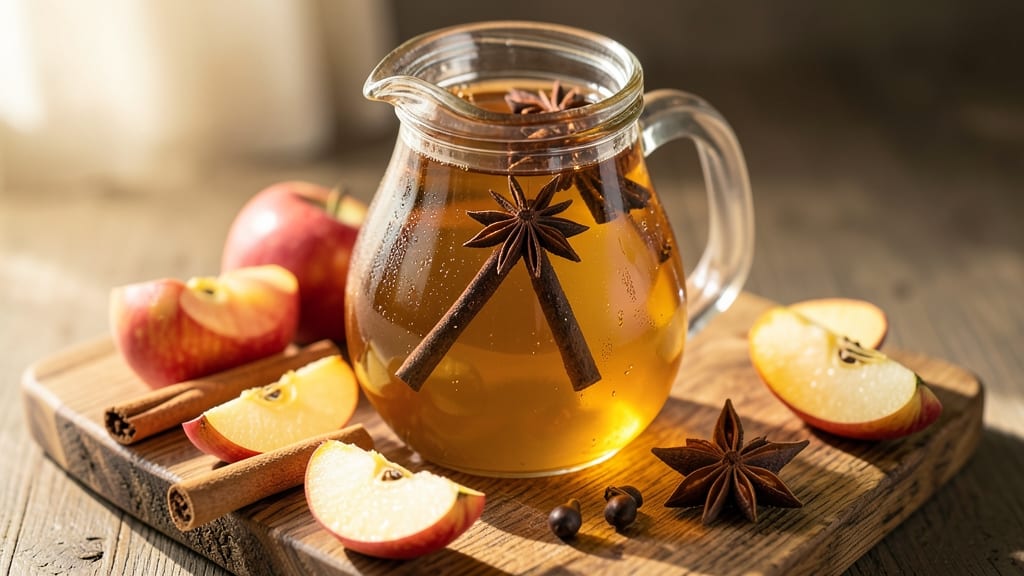
Transforming simple apple cider into a rich, fermented elixir through this apple cider homebrew recipe unlocks autumn's boldest flavors in your own kitchen. This homebrew recipe delivers a spiced, complex beverage with depth that store-bought options can't match—think warm cinnamon, subtle sweetness, and a crisp finish that evolves with aging.
The process is methodical but approachable, requiring just apples, yeast, and patience to create something truly special.
What sets this recipe apart is the balance of tradition and precision—sterilization techniques ensure safety, while controlled fermentation develops the signature caramel and apple notes that define great hard cider.
We'll cover every step, from selecting the right apples to monitoring fermentation temperatures, so you can achieve professional-quality results at home without shortcuts that compromise flavor.
The end product is a versatile drink that shines on its own or as the base for cocktails, with alcohol content you can adjust to your preference. Whether you're fermenting for the first time or refining your technique, this guide provides the clarity and confidence to ferment with precision.
Safety is paramount in homebrewing, so we'll emphasize proper sterilization and storage practices that preserve both quality and stability. The reward? A batch of cider that improves with time, offering a taste of autumn's harvest long after the season ends. Here's everything you need to get started.
Ingredients for apple cider homebrew
Four pounds of apples and a few key ingredients transform into a rich, fermented elixir.
| Ingredient | Amount | Notes |
|---|---|---|
| Fresh Apples (Cider Varieties) 🍎 | 8 lb | Use a mix of sweet and tart (e.g., Honeycrisp, Granny Smith) |
| Distilled Water 💧 | 1 gallon | For sterilization and dilution |
| White Wine Yeast (Lalvin EC-1118) 🍷 | 1 package | Specialized for cider fermentation |
| Cinnamon Sticks 🌿 | 2 whole | For spiced fermentation |
| Star Anise Pods 🌟 | 2 whole | Adds licorice depth |
| Cloves 🌶️ | 4 whole | For warmth and complexity |
| Campden Tablets (Potassium Metabisulfite) 💊 | 1 tablet | For sterilization and SO₂ protection |
| Non-Chlorinated Water 💧 | ½ gallon | For yeast activation |
| Sugar (Optional for Sweetness) 🍚 | 1 cup | Adjust based on desired sweetness |
| Lemon Juice 🍋 | 2 tbsp | For acidity balance |
| Pectic Enzyme (Pectinex) 🧪 | ¼ tsp | For clear fermentation |
| Sterilized Fermentation Vessel 🍶 | 1 gallon | Food-grade plastic or glass |
| Air Lock and Bung 🔒 | 1 set | For controlled fermentation |
The apples are the foundation—Honeycrisp and Granny Smith give that perfect balance of sweet and tart. Local orchards or specialty grocery stores often carry cider varieties, but any mix of apples works in a pinch. The yeast is non-negotiable: Lalvin EC-1118 is a homebrewer favorite for its clean fermentation profile. For the spices, Whole Foods or Penzeys Spices carry high-quality pods—just make sure they're fresh. The Campden tablet is your secret weapon for sterilization; it's a game-changer for preventing off-flavors. If you're sourcing apples in bulk, wash them thoroughly and store in a cool, dark place until ready to use—they keep for up to 2 weeks this way.
No Campden tablets? Star San sanitizer works just as well—just follow the dilution instructions. Running short on apples? Store-bought unsweetened apple juice can supplement, but fresh is always better. The sugar is optional but worth it if you prefer a sweeter finish—turbinado or organic cane sugar adds subtle caramel notes. For the spices, if you can't find whole pods, ground cinnamon at half the amount works in a bind. The lemon juice is critical for acidity—freshly squeezed is best, but bottled works if you're in a hurry. And if your fermentation vessel isn't food-grade, sterilize it with boiling water before use.
This isn't a drink you'll want to rush—fermentation takes 2-4 weeks at room temperature, then another 2-3 months in the fridge to mellow. Store your finished cider in sterilized bottles with airtight seals; it'll keep for up to a year in the fridge. If you're not ready to drink it all, freeze portions in ice cube trays—perfect for cocktails later. The spices can be removed after fermentation, but leaving them in adds subtle depth over time. Just remember: patience is key here—the longer it ages, the better it tastes
Why You'll Love This Recipe
- Fruit in Minutes: I just crush apples, add water, and let yeast do the work—no fancy equipment, no mess. The only prep is peeling and chopping, and honestly, that’s half the fun.
- Spiced Like Autumn: That first sip? Warm cinnamon and star anise hit like a cozy hug, but the crisp apple tang keeps it bright. It’s the kind of drink that tastes like a fall memory in every gulp.
- Batch-and-Forget Magic: Make a gallon on Sunday, and you’ve got holiday punch, brunch sipping, or post-dinner treats covered. Between us, it’s the only homemade drink I ever remember to finish.
- Pocket-Friendly Luxury: Fresh apples from the orchard and pantry spices cost pennies compared to store-bought cider. Plus, the yeast stretches one batch into three—my wallet and guests win every time.
Step-by-step instructions for crafting spiced fermented apple cider
Transforming fresh apples into rich, spiced fermented cider requires patience and precision—but the results are worth every step.
Prepare and Press the Apple Juice
Wash the 8 lb fresh apples (cider varieties) thoroughly to remove any dirt or wax. Remove stems and cores, then chop the apples into ¼-inch chunks using a sharp knife or food processor. You want to maximize surface area for juice extraction while avoiding puree.
Transfer the chopped apples to a clean, sanitized cloth bag or old pillowcase. Tie the top securely, then place the bag in a large bowl or pot. Gently squeeze the bag to press out the juice, working in batches if needed. You should yield approximately 1 gallon of raw apple juice—this is your foundation. Strain the juice through a fine-mesh sieve to remove any remaining pulp or debris. Discard the solids or compost them.
Sterilize and Prepare the Fermentation Environment
Crush the 1 tablet Campden Tablets (Potassium Metabisulfite) and dissolve it in ½ gallon non-chlorinated water in a sanitized container. Stir until fully dissolved, then pour this solution directly into the 1 gallon raw apple juice. This step ensures your cider is free from wild yeast and bacteria, giving your desired yeast a clean slate to work with.
Let the juice sit with the Campden solution for 24 hours at room temperature. After this period, the sulfur dioxide from the tablet will have dissipated, and the juice will be ready for fermentation. Meanwhile, sanitize your 1 gallon sterilized fermentation vessel and air lock and bung using 1 gallon distilled water and a small amount of unscented bleach (1 teaspoon per gallon), then rinse thoroughly with clean water. This prevents contamination during fermentation.
Infuse and Activate the Yeast
In a separate sanitized container, combine ½ gallon non-chlorinated water with 1 cup sugar (optional for sweetness) and 2 tbsp lemon juice. Stir until the sugar is fully dissolved, then add the 1 package White Wine Yeast (Lalvin EC-1118). Let this mixture sit for 15-20 minutes until it becomes slightly bubbly and frothy—this indicates the yeast is active.
Add the 2 whole cinnamon sticks, 2 whole star anise pods, and 4 whole cloves directly to the 1 gallon sterilized fermentation vessel. Pour in the Campden-treated apple juice, followed by the yeast mixture. Stir gently to distribute the spices and yeast evenly. The spices will infuse subtle warmth and depth into your cider as it ferments.
Ferment and Monitor Progress
Attach the air lock and bung to the fermentation vessel and place it in a dark, temperature-controlled space between 65°F and 75°F. Fermentation typically takes 5-7 days, but you’ll know it’s active when you see consistent bubbling in the air lock. Stir the contents gently once daily to prevent a skin from forming and to ensure even fermentation.
After 5 days, taste the cider to check for sweetness and carbonation. If it still tastes overly tart or lacks sweetness, you can add more sugar (optional for sweetness)—up to ½ cup—and let it ferment another 2-3 days. Once it reaches your desired flavor profile, remove the cider from the vessel, leaving the spices behind. Add 0.25 tsp Pectic Enzyme (Pectinex) to the juice to help clarify it over time, then transfer it to a sanitized secondary vessel for further aging.
Age and Bottle for Carbonation
Let the cider age for at least 2 weeks in a cool, dark place. This aging period allows flavors to mellow and clarifies the liquid naturally. After aging, siphon the cider into sanitized bottles, leaving about 1 inch of headspace to allow for carbonation. Seal the bottles tightly and store them at room temperature for 3-5 days to naturally carbonate.
Test for carbonation by opening a bottle carefully—if it’s properly carbonated, you’ll hear a gentle hiss. Once carbonated, refrigerate the bottles to slow fermentation and preserve freshness. Your spiced fermented apple cider is now ready to enjoy, with a rich, complex flavor that captures the essence of autumn.
Pro Tips For Making Apple Cider Homebrew
- Mash Apples Coarse: DESCRIPTION: Skip the food processor—crush them by hand with a potato masher or rolling pin until you’ve got chunks no bigger than a dime. I learned this the hard way: blending turns your cider into apple juice, and you’ll miss that lovely texture that makes it taste like autumn.
- Pitch Yeast Warm: DESCRIPTION: Heat your must to 75°F (24°C) before adding Lalvin EC-1118—cold water shocks yeast, and sluggish fermentation means weak flavor. I used to just eyeball it, but now I grab a sanitized thermometer; it’s the thing that matters most for crisp, clean cider.
- Sterilize Spices First: DESCRIPTION: Boil cinnamon sticks and star anise in water for 10 minutes before adding them to the fermenter—this kills wild bacteria lurking on their surfaces. Sounds weird, but it works: my first batch had a funky aftertaste until I started doing this.
- Ferment 7 Days Minimum: DESCRIPTION: Resist the urge to bottle early—wait until the bubbles slow to one or two a minute (usually 7–10 days). I skipped this once and ended up with fizzy but underdeveloped cider; patience here makes a real difference in depth of flavor.
Best sauces and condiments for this apple cider homebrew
Spiced Syrup Finish
Elevate your fermented cider with a homemade spiced syrup made from equal parts water and sugar, simmered with 1 cinnamon stick, 2 star anise pods, and 4 cloves for 15 minutes.
Strain and cool, then mix ¼ cup syrup with 1 cup chilled cider before serving. The syrup intensifies the autumnal flavors while adding a luxurious sweetness. 🍂
Apple Cider Vinegar Twist
For a tangy kick, add 1 tablespoon apple cider vinegar to each glass of cider right before serving. This brightens the natural sweetness and adds complexity—perfect for balancing richer cocktails. I like to drizzle it slowly while stirring for even distribution. 🍏
Caramelized Onion Topping
Sauté ½ cup thinly sliced onions in 1 tbsp butter until deep golden brown (15-20 minutes). Spoon the caramelized onions over the cider just before drinking—they add a rich, almost custard-like depth that pairs beautifully with the spiced notes. 🥕
Honey-Infused Garnish
Drizzle 1 tsp raw honey over the cider and let it sink in for 5 minutes before serving. The honey enhances the apple’s natural sweetness while adding a floral complexity. For extra flair, float a thin apple slice on top—it looks stunning and tastes fresh. 🍯
Vanilla Bean Swirl
Split ½ vanilla bean, scrape out the seeds, and infuse them in ¼ cup warm cider for 10 minutes. Swirl the infused cider into each glass before serving. The vanilla’s floral notes complement the spices and add a sophisticated touch. 🌸
Smoked Salt Rim
Rub the rim of your glass with a clove of garlic, then dip it in a mix of 1 tbsp smoked salt and 1 tsp brown sugar.
This adds a smoky, slightly sweet contrast that enhances every sip. It’s a simple trick that makes your cider feel like a gourmet experience. 🔥
Nutrition facts
Frequently asked questions
How long does the fermentation process take?
Primary fermentation takes about 5-7 days at 65°F-75°F, with active bubbling in the airlock. After that, transfer to a secondary vessel and age for 2-4 weeks before bottling. The full process from start to finished cider takes 4-6 weeks, but flavors improve with longer aging—up to 6 months for deeper complexity.
Can I use store-bought apple juice instead of fresh?
Yes, but fresh apple juice yields better flavor. If using store-bought, choose unsweetened, organic juice with no preservatives. For 1 gallon, you'll need about 3-4 cups of juice plus ½ gallon water to dilute it properly. The spices will still infuse well, but the texture may be slightly less rich.
What alcohol content should I expect?
This recipe typically produces 5-7% ABV, depending on yeast strain and fermentation conditions. For stronger cider (8-10% ABV), add ½ cup extra sugar during fermentation. Use a hydrometer to measure specific gravity before and after fermentation to calculate your exact alcohol content. Always ferment in a well-ventilated area.
How do I fix cloudy or murky cider?
Cloudiness usually means fermentation isn't complete or there's sediment. First, let it age longer in a cool place (2-4 weeks). For stubborn cloudiness, use 0.25 tsp Pectic Enzyme (Pectinex) or 1 egg white (whisked into ¼ cup water) to clarify. Strain through a coffee filter if needed. Always work with sanitized equipment to prevent contamination.
Can I make this recipe without Campden tablets?
Yes, but sterilization is critical. Use Star San sanitizer (follow package instructions) or boil all equipment for 10 minutes. For the juice, add ½ teaspoon lemon juice per gallon as a natural preservative. Monitor fermentation closely for signs of contamination (off smells, excessive foam). The spices should still work, but your success depends on strict sanitation.