
Breakfast & Brunch
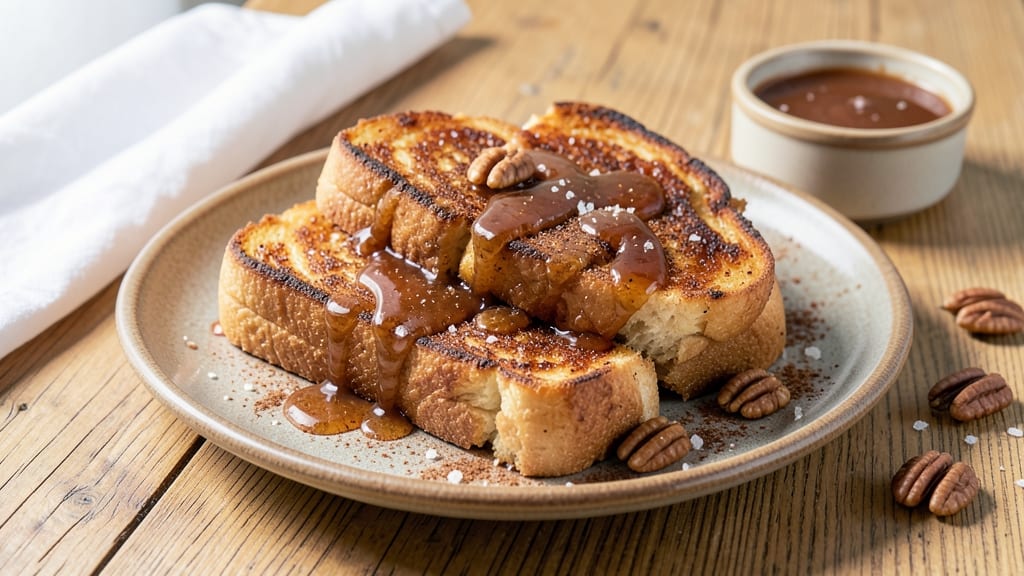
This apple cider French toast recipe transforms a classic breakfast into a fall-inspired masterpiece with every golden, caramelized bite. The secret lies in soaking thick-cut bread in a spiced cider mixture—warm cinnamon, nutmeg, and vanilla infuse the bread while the natural sweetness of apple cider creates a tender, flavorful base.
What sets this apart is the optional caramelized apple swirl baked right into the toast, adding pockets of jammy sweetness that melt with the first forkful.
The technique is straightforward but delivers restaurant-quality results: pan-fry the soaked bread until crispy on the outside while keeping the center custardy and warm.
A light dusting of powdered sugar and a drizzle of warm maple syrup elevate the dish to cozy perfection, making it ideal for weekend brunches or a special weekend treat. The combination of spiced cider and caramelized apples creates a harmonious balance—sweet, aromatic, and just slightly tangy.
What you’ll end up with is French toast that’s richer, more aromatic, and infinitely more interesting than the classic version. The apple cider soak infuses the bread with deep, warming spices, while the caramelized swirl adds a luxurious texture that turns an everyday breakfast into something truly memorable.
Serve with a dollop of whipped cream or extra maple syrup for the full experience.
This recipe works beautifully with thick-cut brioche or challah, but even day-old bread transforms into something special. The best part? It’s a foolproof method that delivers consistent results—no flipping or fussing required. Let’s get started on making breakfast feel like a celebration.
Ingredients for apple cider french toast
Spiced cider soak meets caramelized apple swirls—this French toast transforms breakfast into autumn's coziest masterpiece.
| Ingredient | Amount | Notes |
|---|---|---|
| Thick-Cut Brioche Bread 🍞 | 8 slices | Day-old works best for soaking |
| Apple Cider 🍎 | 1 ½ cups | Unfiltered for maximum flavor |
| Large Eggs 🥚 | 4 whole | Room temperature for even cooking |
| Granulated Sugar 🍚 | ½ cup | Light brown preferred for depth |
| Ground Cinnamon 🌿 | 1 ½ tsp | Ceylon cinnamon for delicate flavor |
| Ground Nutmeg 🌿 | ¼ tsp | Freshly grated preferred |
| Pure Vanilla Extract 🌸 | 1 tsp | Bourbon-infused for complexity |
| Unsalted Butter 🧈 | 4 tbsp | European-style for higher melt |
| Powdered Sugar 🍚 | ¼ cup | For dusting, sifted |
| Granny Smith Apples 🍎 | 2 whole | Peeled, sliced into matchsticks |
| Pure Maple Syrup 🍁 | ¼ cup | Grade B for robust flavor |
| Salt 🧂 | ½ tsp | Diamond Crystal kosher preferred |
| Heavy Whipping Cream 🥛 | ½ cup | Cold for whipped topping |
The apple cider is the heart of this dish—local orchard varieties have the deepest flavor, but any unfiltered cider works. For the apples, Granny Smiths provide the right tartness to balance sweetness, but Fuji or Honeycrisp also shine. Caramelize them until they're golden and jammy, then fold into the bread before baking. The brioche should be thick-cut and slightly stale—day-old works perfectly. If using fresh, toast it briefly to dry out the crumb. Whole Foods and Trader Joe's carry excellent options, or check the bakery section for artisanal loaves.
No apple cider? Substitute with a mix of apple juice and a splash of lemon juice—it won't be identical, but it works in a pinch. Running short on vanilla? Almond extract at half the amount adds a lovely depth. The cinnamon can be swapped for cinnamon sticks lightly crushed if you prefer texture. For the apples, if you can't find Granny Smiths, Braeburn or Pink Lady are excellent alternatives. The maple syrup is non-negotiable for that perfect autumnal touch—Grade B has the best caramel notes, but Grade A works too. If you're making this ahead, prepare the caramelized apples first and store them separately until ready to use.
The soaked bread keeps in the fridge for 24 hours before baking, making this a great make-ahead option. Caramelized apples can be prepped 2 days ahead and stored in an airtight container. Whipped cream should be made fresh but can be whipped 30 minutes ahead and stored in the fridge. For best results, assemble the French toast just before serving—this ensures the bread stays crispy. Leftovers reheat beautifully in a 350°F oven for 10-12 minutes, covered with foil to keep them moist.
Why You'll Love This Recipe
- No-Fuss Morning: I swear by this when I’m running late—just mix eggs, cider, and a pinch of cinnamon, then dip the brioche. The bread soaks up the liquid instantly, so no waiting around for soggy results.
- Cider-Caramel Magic: That first bite? Warm, buttery brioche with a hint of spiced apple cider syrup pooling underneath—like a hug in breakfast form. Honestly, the sugar and cinnamon turn it into something almost dessert-like.
- Weekend Brunch Star: It’s my go-to for lazy mornings with friends or when I need to impress without stressing. Serve it with maple syrup and a sprinkle of nuts, and suddenly, you’re hosting a cozy gathering without trying too hard.
- Leftovers Win: Make a big batch on Sunday—it reheats beautifully in the toaster or oven, and the brioche stays soft. Between us, this is the only French toast I’ll make when I’m too tired to cook fresh.
Step-by-step instructions for apple cider French toast
Transform simple brioche into decadent, spiced French toast with caramelized apple cider swirls.
Prepare the Apple Cider Spice Mixture
In a small saucepan, combine the 1.5 cups apple cider, 0.5 cup granulated sugar, 1.5 teaspoons ground cinnamon, 0.25 teaspoon ground nutmeg, and 0.5 teaspoon salt. Bring to a gentle simmer over medium heat and reduce by half—about 10-12 minutes—until thickened to a syrupy consistency with a rich, aromatic fragrance. The mixture should coat the back of a spoon and develop a deep amber color. Remove from heat and stir in the 1 teaspoon pure vanilla extract. Let cool slightly to room temperature while you prepare the bread.
This reduction transforms the apple cider into a concentrated flavor base that infuses the bread with warmth and complexity. The spices dissolve completely, creating a seamless spice profile rather than distinct flecks. If the mixture crystallizes slightly while cooling, gently reheat for 30 seconds to restore smoothness.
Create the Apple Cider Whipped Cream
In a chilled mixing bowl, whip the 0.5 cup heavy whipping cream to soft peaks using a hand mixer. Gradually add the 0.25 cup powdered sugar and continue whipping until stiff peaks form. Fold in the 0.25 cup pure maple syrup and 2 whole Granny Smith apples (previously peeled and sliced into matchsticks) using a spatula. The cream should remain light and airy while incorporating the apple pieces. Cover and refrigerate until ready to use—this keeps the texture stable during assembly.
The maple syrup adds depth to the cream's sweetness, while the tart Granny Smith apples provide a bright contrast to the rich brioche. Chilling the cream prevents it from melting prematurely when layered with warm toast. If the apples release excess liquid, drain them briefly on paper towels before folding.
Soak and Cook the Brioche
Whisk together the 4 whole large eggs, then gradually fold in the cooled apple cider reduction until fully combined. In a shallow dish, arrange the 8 slices thick-cut brioche bread in a single layer. Pour half of the egg mixture over the bread, allowing it to soak for 30 seconds per side. Flip each slice and repeat with the remaining mixture. Let the bread soak for an additional 2 minutes—it should feel saturated but not soggy.
Heat a large skillet over medium-low heat and melt 2 tablespoons unsalted butter. Add the soaked bread and cook for 2-3 minutes per side until golden brown with crisp edges. The butter should foam gently but not brown excessively. Work in batches to avoid overcrowding, which steams the bread instead of crisping it.
Assemble and Serve
Transfer the cooked French toast to serving plates and immediately spoon a generous layer of the apple cider whipped cream onto each slice. The cream should be thick enough to hold its shape while still yielding slightly when pressed. Top with additional apple matchsticks if desired. Serve warm with the remaining apple cider reduction drizzled artistically over the top—this creates a caramelized swirl effect when poured.
The contrast of warm, crispy toast with cool, airy cream and tart apple creates a perfect balance. For an extra touch, dust with additional powdered sugar just before serving to highlight the caramelized edges. This dish shines when served immediately, as the cream softens slightly and the bread continues to crisp at the edges.
Pro Tips For Making Apple Cider French Toast
- USE COLD APPLE CIDER: Brioche soaks up liquid like a sponge, and warm cider makes it soggy before it even hits the pan. Grab that chilled bottle straight from the fridge—it’ll cut through the richness of the bread and keep the texture light. (Yes, even if you’re impatient like me.)
- DON’T SKIP THE REST: After dipping the bread, let it sit in the egg-cider mix for at least 10 minutes. I learned this the hard way—rushing it means the outside cooks before the inside gets properly soaked, leaving you with a dry, uneven bite.
- MEASURE THE CIDER: Brioche varies wildly in thickness, so eyeballing the cider leads to disaster. Use about ½ cup per slice—enough to moisten but not drown. Too much? Wipe the edges with a paper towel before cooking to avoid a greasy mess.
- COOK LOW AND SLOW: High heat burns brioche’s delicate crust before the center warms through. Start medium-low, then adjust—you want golden edges and a custardy middle, not a charred exterior. (Your future self will thank you.)
Troubleshooting great apple cider french toast
Bread Too Dry?
If your brioche slices feel dry after soaking, your bread might be too fresh. Day-old bread absorbs the cider mixture better, but if using fresh, toast it lightly for 2-3 minutes per side first to dry out the crumb.
For extra moisture, add 1 tablespoon heavy cream to the egg mixture. This creates a richer soak that keeps the bread tender. 🍞
Egg Mixture Too Runny
Your egg mixture should coat the back of a spoon but still hold its shape. If it's too thin, whisk in 1 teaspoon cornstarch to thicken it slightly. For extra insurance, let it sit at room temperature for 5 minutes before soaking the bread—this helps the starch activate properly.
Over-mixing can make the mixture watery, so fold gently with a spatula.
Skillet Not Browning
Medium-low heat is key for even browning without burning. If your French toast isn't developing color, your pan might be too hot or your butter not hot enough. Reduce heat to medium-low and ensure your butter is melted but not smoking.
A nonstick skillet helps prevent sticking, but cast iron creates the best crust. Work in batches to avoid overcrowding the pan.
Cider Reduction Too Thin
If your apple cider reduction isn't thickening properly, simmer it uncovered for an extra 5 minutes to evaporate more liquid. For a quicker fix, add ½ teaspoon cornstarch mixed with 1 tablespoon water, then stir until thickened.
Avoid boiling vigorously, as this can cause the spices to separate. The ideal consistency should coat a spoon like syrup. 🍎
Caramelized Apples Too Watery
Excess moisture in your caramelized apples can make the whipped cream soggy. After peeling and slicing, pat the apple pieces dry with paper towels before folding them into the cream.
For extra jammy texture, cook the apples until they're deeply golden and release their juices, then drain them on a wire rack for 10 minutes to remove excess liquid before using.
Whipped Cream Not Holding
Cold ingredients are crucial for stiff peaks. Make sure your mixing bowl and beaters are chilled before starting, and use very cold heavy cream straight from the fridge. If your cream isn't holding, it might be too warm—try adding 1 ice cube to the bowl while whipping.
Avoid over-whipping, which can turn the cream grainy. For extra stability, fold in the apples and syrup gently with a rubber spatula. ✨
Nutrition facts
Frequently asked questions
Can I make this French toast ahead of time?
Yes! The soaked bread can sit in the refrigerator for up to 24 hours before cooking, but the whipped cream should be made fresh. For best results, assemble and serve immediately after cooking to maintain crispiness. If reheating leftovers, warm in a 350°F oven for 10-12 minutes covered with foil.
What's the best bread for this recipe?
Thick-cut brioche or challah works perfectly, but even day-old sourdough or Texas toast will transform beautifully. The key is slightly stale bread that soaks up the cider mixture without falling apart. Avoid overly dense or dry breads that won't absorb the liquid properly.
How do I adjust this for fewer servings?
This recipe makes 4 servings. For 2 servings, halve all ingredients except the bread (use 4 slices) and reduce the apple cider reduction to 0.75 cup total. Keep the same soaking time but cook in a single batch. The proportions maintain perfect texture even when scaled down.
Can I make this without apple cider?
Use 1 cup apple juice + 0.5 cup water + 1 tablespoon lemon juice as a substitute. For extra depth, add 0.5 teaspoon apple pie spice to the reduction. The flavor won't be identical, but it'll still be delicious with warm spices and caramelized apples. The texture remains the same since we're using the same liquid base.
Why did my French toast turn out gummy?
Gummy texture usually means the bread soaked too long or the pan wasn't hot enough. Soak bread for exactly 2 minutes total (30 seconds per side), then cook immediately on medium-low heat with melted butter. If using a nonstick pan, reduce heat slightly to low-medium—nonstick surfaces conduct heat differently.