
Main Courses
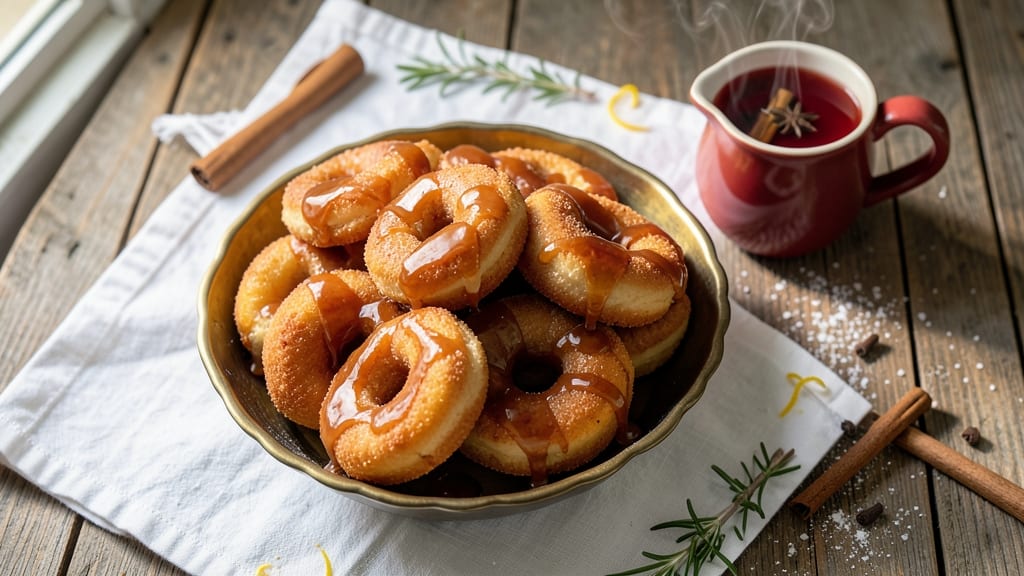
Apple cider donuts from the preppy kitchen bring autumn to life with their warm spice aroma and perfect balance of crispy edges and tender centers. The secret lies in infusing the dough with real apple cider—its natural sweetness and subtle tartness create donuts that taste like a cozy fall morning.
This recipe delivers restaurant-quality results with a foolproof method that even first-time bakers can master.
What sets these donuts apart is the spiced caramel glaze, a signature touch that transforms ordinary donuts into a showstopping dessert. The glaze combines rich brown sugar, warm cinnamon, and a hint of vanilla, creating a glossy finish that drizzles beautifully over each donut.
The combination of crispy donuts and aromatic glaze makes these irresistible for any fall gathering.
With just a few simple ingredients—flour, yeast, butter, and of course apple cider—you'll create donuts that taste homemade yet look like they belong in a bakery display. The dough rises perfectly for fluffy donuts, and the frying process ensures that signature golden-brown exterior.
The final touch? A light dusting of powdered sugar that adds that classic preppy kitchen finish.
These donuts pair beautifully with a warm cup of apple cider or coffee, making them the perfect dessert for weekend brunches or holiday celebrations. The recipe scales easily, so you can make a batch for a crowd or just a few for a special treat.
Let's get started on creating these autumnal delights!
Ingredients for apple cider donut recipe preppy kitchen
Twelve ingredients for donuts that taste like autumn mornings in the preppy kitchen.
| Ingredient | Amount | Notes |
|---|---|---|
| All-Purpose Flour 🌾 | 4 cups | Sifted for light texture |
| Granulated Sugar 🍚 | ½ cup | For dough sweetness |
| Unsalted Butter 🧈 | 1 cup | Cold, cubed for dough |
| Active Dry Yeast 🍞 | 2 ¼ tsp | Instant yeast works too |
| Warm Apple Cider 🍎 | 1 cup | Unsweetened, 110°F |
| Large Eggs 🥚 | 1 whole | Room temperature |
| Salt 🧂 | ½ tsp | Diamond Crystal preferred |
| Ground Cinnamon 🌿 | 1 tsp | For dough warmth |
| Vegetable Oil 🫒 | 2 cups | For frying donuts |
| Powdered Sugar 🍚 | 1 ½ cups | For final dusting |
| Brown Sugar 🍚 | 1 cup | Packed for glaze |
| Heavy Cream 🥛 | ½ cup | For glaze richness |
| Vanilla Extract 🍯 | 1 tsp | Pure vanilla preferred |
| Ground Nutmeg 🌿 | ¼ tsp | Freshly grated best |
The apple cider is non-negotiable—Mott's or Woodchuck work best for that classic fall flavor. Look for unsweetened varieties at Trader Joe's or Whole Foods if you want to splurge on quality. The yeast needs to be fresh, so check the expiration date on the package. For the flour, King Arthur or Gold Medal brands yield the best texture. Keep your butter cold when mixing to prevent overworking the dough, and always use a kitchen scale for accurate measurements if you're scaling this recipe up for a crowd.
No apple cider? Substitute with warm apple juice, though the flavor won't be quite the same. Running low on vanilla? Almond extract at half the amount works in a pinch. The glaze can be made ahead and reheated gently if it thickens. For a vegan option, replace the eggs with flax eggs (1 tbsp ground flaxseed + 3 tbsp water) and use vegan butter. The nutmeg is optional but adds that signature cozy spice—skip it if you're sensitive to strong flavors. If your dough feels too sticky, chill it for 20 minutes before frying.
Store leftover donuts in an airtight container at room temperature for 2 days or freeze them for 1 month. Reheat in a 350°F oven for 5 minutes to restore crispiness. The glaze can be made 1 day ahead and reheated gently. For a restaurant-quality touch, dust the finished donuts with powdered sugar right before serving. These donuts freeze beautifully—portion them into single servings before freezing for easy grab-and-bake treats.
Why You'll Love This Recipe
- No Yeast Hassle: I just mix the warm apple cider right into the dough—no proofing box, no waiting around. The yeast activates instantly from the cider’s natural sugars, so you’re rolling out dough in under 15 minutes.
- Spiced Warmth in Every Bite: That buttery dough gets a cozy hug from cinnamon and nutmeg, but the real magic? The moist, caramelized edge from the brown sugar glaze—like biting into autumn in donut form.
- Breakfast or Dessert: Serve them plain with coffee for a quick breakfast or drizzle with maple syrup for a weekend treat. My kids even sneak them as after-school snacks (no judgment).
- Pantry-Friendly Magic: Uses ingredients you already have—flour, sugar, butter—plus a single can of apple cider. Makes a dozen, so I freeze half for lazy mornings or last-minute gatherings. Zero waste, all flavor.
Step-by-step instructions for apple cider donuts
Here's how to create perfectly spiced, golden donuts with a signature caramel glaze.
Activate the Yeast with Warm Apple Cider
In a small bowl, combine the 1 cup warm apple cider (110°F) with the 2.25 teaspoons active dry yeast. Let it sit for 5-10 minutes until it becomes frothy and bubbly. This activation step ensures your donuts rise properly. If it doesn't bubble, your yeast may be inactive—start over with fresh yeast.
The warm cider should be just warm to the touch, not hot. Too hot kills the yeast, and too cold prevents activation. You'll see small bubbles forming on the surface and throughout the liquid when it's ready. This step sets the foundation for light, airy donuts with that signature apple cider flavor infused throughout.
Mix the Dough to Perfect Consistency
In a large mixing bowl, combine the 4 cups all-purpose flour, 0.5 cup granulated sugar, 0.5 teaspoon salt, and 1 teaspoon ground cinnamon. Whisk these dry ingredients together until evenly distributed. Create a well in the center and add the 1 cup cold cubed unsalted butter.
Using a pastry cutter or your fingers, work the butter into the flour mixture until it resembles coarse crumbs with pea-sized butter pieces remaining. This texture is crucial—it creates pockets for the yeast to activate and gives those tender, flaky layers. Add the activated yeast mixture and 1 whole large egg, then mix until a shaggy dough forms.
Knead and Rest the Dough
Turn the dough onto a lightly floured surface and knead for 5-7 minutes until smooth and elastic. The dough should be slightly tacky but not sticky—add more flour 1 tablespoon at a time if needed. Shape into a ball, place in a greased bowl, cover with a damp towel, and let rise in a warm place for 1-2 hours or until doubled in size.
I find the dough is ready when it springs back slowly when gently pressed. This resting period allows the gluten to relax and the yeast to ferment fully, creating those perfect air pockets. Don't rush this step—proper proofing is what transforms good donuts into exceptional ones. The room should be around 75°F for optimal rising.
Shape and Fry to Golden Perfection
Punch down the risen dough and turn it onto a lightly floured surface. Roll it out to about ½-inch thickness and cut into 2-inch rounds using a donut cutter or round cookie cutter. Let the cut donuts rest for 10 minutes before frying to prevent spreading.
Heat 2 cups vegetable oil in a deep fryer or heavy pot to 350°F. Fry the donuts in batches for 1-2 minutes per side until golden brown. They're done when they float to the surface and develop a crisp exterior. Drain on paper towels and let cool slightly before glazing. The oil temperature is critical—too low gives greasy donuts, too high burns them.
Create the Signature Spiced Caramel Glaze
In a saucepan, combine the 1 cup brown sugar, 0.5 cup heavy cream, 1 teaspoon vanilla extract, and 0.25 teaspoon ground nutmeg. Bring to a boil over medium heat, then reduce to a simmer and cook for 5-7 minutes until slightly thickened and golden.
Remove from heat and let cool for 10 minutes until it reaches a dipping consistency. Dip each cooled donut halfway into the glaze, then immediately roll in the 1.5 cups powdered sugar on a wire rack. The glaze should coat the donuts evenly without dripping. This caramel glaze creates that perfect balance of sweetness and warm spice that makes these donuts truly special.
Pro Tips For Making Apple Cider Donut Recipe Preppy Kitchen
- MEASURE CIDER PRECISELY: The recipe calls for warm apple cider, but I learned this the hard way—using "a splash" or eyeballing it throws off the dough’s balance. Pour the exact amount into a measuring cup first, then heat it to 110°F (you want it warm to the touch but not scalding). Cold cider kills the yeast; hot cider cooks it on the spot.
- KNEAD UNTIL SILKY: This dough needs a good 8-10 minutes of kneading by hand (or 5-6 minutes with a stand mixer on medium) until it’s smooth and springs back when poked. I used to rush it, and the donuts turned out dense. Stop when the surface looks like stretched plastic—no floury crumbs sticking to your fingers.
- SKIP THE OVERPROOFING: The yeast in apple cider dough wakes up fast, so don’t let it sit longer than the recipe’s 1-2 hour rise time. After shaping, give it just 10-15 minutes to relax before frying—overproofing makes the donuts collapse into sad, flat pancakes. A quick visual check: if the dough doesn’t spring back slowly when gently pressed, it’s ready.
- USE BUTTER AT ROOM TEMP: Cold butter in the dough creates pockets that steam and burst during frying, leaving you with greasy, uneven donuts. Take the butter out 30 minutes before mixing—it should dent but not crumble when pressed. If you’re in a hurry, microwave it for 10 seconds (yes, even if you’re impatient like me).
Pro cooking tips for great apple cider donut recipe preppy kitchen
Dough Temperature Control
The secret to perfect donuts lies in keeping your dough cool during mixing. I always use cold cubed butter straight from the fridge and work quickly to avoid warming the dough.
If your kitchen gets warm, chill the dough for 15-20 minutes before shaping—this prevents overproofing and ensures those tender, fluffy donuts. The ideal dough temperature should be around 70°F when you start frying.
Yeast Activation Test
Never skip testing your yeast activation! After mixing warm apple cider with yeast, it should develop bubbles within 5-10 minutes. If it doesn't, your yeast is dead—replace it immediately. I keep a small jar of yeast in my freezer for backup.
For extra insurance, use instant yeast which activates when mixed directly with flour. This simple test saves hours of frustration with flat donuts.
Oil Temperature Mastery
Use a deep-fry thermometer to maintain oil at 350°F—this is non-negotiable for perfect donuts. Too low and they'll be greasy; too high and they'll burn. I like to fry in batches of 3-4 donuts to avoid dropping the temperature.
Keep a bowl of ice water nearby to quickly cool fried donuts before glazing—the contrast helps set their shape.
Glaze Consistency Trick
For that signature preppy kitchen glaze, heat the sugar mixture until it reaches 235°F on a candy thermometer. This creates the perfect balance between sticky and drizzle-worthy. If your glaze thickens too much, thin it with 1 teaspoon warm water.
For extra shine, brush the donuts with 1 tablespoon water before dusting with powdered sugar—the sugar will melt slightly and create a beautiful glossy finish. ✨
Donut Cutter Hack
Don't have a donut cutter? Use a 3-inch round cookie cutter for the outer circle and a 1-inch cutter for the center hole. For perfectly round donuts, chill the cutter between uses—this prevents sticking.
I also recommend rolling the dough slightly thinner (¼-inch) for more even cooking. The key is patience: let cut donuts rest 10 minutes before frying to prevent them from spreading.
Preppy Kitchen Presentation
For that classic preppy look, dust donuts with powdered sugar using a fine-mesh sieve while they're still warm. Arrange them on a wooden board or slate platter for serving. Add a drizzle of caramel sauce down the center of each donut for extra flair.
I like to pair them with a small pitcher of warm apple cider and cinnamon sticks for that cozy autumnal touch. 🍎
Nutrition facts
Frequently asked questions
Can I make these donuts without frying them?
Yes! For a baked version, shape the dough as directed, then place on a parchment-lined baking sheet. Bake at 375°F for 12-15 minutes until golden. Brush with melted butter while warm, then glaze. The texture will be slightly denser but still delicious. Use a donut pan for that classic ring shape!
How do I store leftover glazed donuts?
Keep them in an airtight container at room temperature for 2 days or freeze for 1 month. To reheat, warm in a 350°F oven for 5 minutes to restore crispness. For extra freshness, store unglazed donuts and add glaze just before serving.
What's the best way to make the glaze ahead?
Prepare the glaze up to 1 day ahead and store at room temperature. Reheat gently in a saucepan until smooth, adding 1 teaspoon water if needed. For make-ahead donuts, freeze them unglazed, then glaze when ready to serve for that fresh-baked look.
Can I use store-bought apple cider?
Any quality unsweetened apple cider works—Mott's or Woodchuck are excellent choices. For extra flavor, simmer the cider with a cinnamon stick before using. Avoid sweetened varieties as they may alter the dough's balance.
Why did my donuts turn out dense?
Dense donuts usually mean overmixed dough or improper yeast activation. Ensure your yeast bubbles within 5-10 minutes in warm cider. Also, avoid over-kneading—stop when the dough is smooth but still slightly tacky. Chill the dough for 20 minutes if your kitchen is warm.