
Beverages
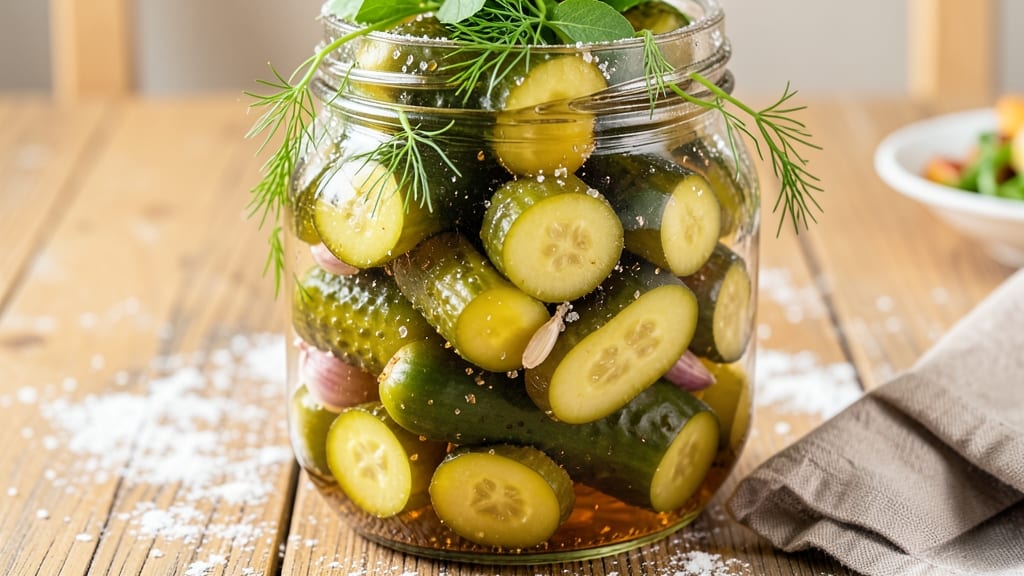
This apple cider dill pickle recipe transforms simple cucumbers into sweet-tangy, crunchy delights with just 7 days of fermentation. 🌟 The secret lies in apple cider vinegar’s gentle acidity and fresh dill’s bright aroma, creating a balance that’s addictively crisp and flavorful.
Unlike store-bought pickles, these develop complex layers of taste as they ferment, making every bite uniquely satisfying.
The process is straightforward but requires patience—start by selecting firm, small cucumbers and crafting a brine of apple cider vinegar, sugar, and spices like mustard seeds and garlic. This sweet-tangy liquid preserves the pickles while infusing them with depth.
Fermentation happens at room temperature for 5 days, then chills for 2 more to mellow flavors. No special equipment is needed beyond jars and a clean workspace.
What you’ll end up with is a jar of vibrant, crisp-tender pickles bursting with dill’s herbal notes and apple cider’s subtle sweetness. These pickles pair perfectly with sandwiches, burgers, or charcuterie boards, adding a homemade touch that elevates any dish.
The best part? They keep for months in the fridge, so you’ll always have tangy crunch on hand.
For extra flavor, toss in fresh garlic cloves or extra herbs like dill sprigs before fermenting. This recipe isn’t just about pickles—it’s about mastering the art of fermentation at home, one jar at a time.
Ingredients for apple cider dill pickle
Fresh cucumbers, aromatic dill, and fermented apple cider create this vibrant, tangy pickle masterpiece.
| Ingredient | Amount | Notes |
|---|---|---|
| Small Kirby Cucumbers 🥒 | 24 whole | Firm, unblemished, 2-3 inches long |
| Fresh Dill Weeds 🌿 | ½ cup | Stems removed, loosely packed |
| Apple Cider Vinegar 🍏 | 2 cups | Raw, unfiltered preferred |
| Granulated White Sugar 🍚 | 1 cup | Organic preferred for purity |
| Sea Salt 🧂 | 1 ½ tbsp | Non-iodized, fine grain |
| Garlic Cloves 🧄 | 6 cloves | Unpeeled, lightly crushed |
| Mustard Seeds 🌶️ | 1 tsp | Yellow or brown variety |
| Black Peppercorns 🌶️ | ½ tsp | Coarsely crushed |
| Clean Mason Jars 🥫 | 2 pint | With airtight lids, sterilized |
| Ice Cubes ❄️ | 1 cup | For initial brine chilling |
| Fresh Dill Sprigs 🌿 | 4 whole | For garnish before fermenting |
The cucumbers are the foundation—Kirby or Persian varieties hold up best during fermentation. Local farmers markets often carry them in summer, but most grocery stores stock them year-round. For dill, fresh is non-negotiable—dried lacks the bright aroma that defines these pickles. Look for dill with vibrant green leaves and no wilting. The apple cider vinegar should be raw and unfiltered for maximum flavor complexity; Bragg or Texas Pete are reliable brands. Sugar and salt are simple but critical—organic sugar avoids unwanted additives, and Diamond Crystal kosher salt dissolves perfectly.
No Kirby cucumbers? Small Persian cucumbers or even Kirby's smaller siblings work in a pinch, though they may ferment slightly faster. Substitute dried dill at one-third the amount, but the flavor won't be as bright. For vinegar, white vinegar in a 1:1 ratio works if apple cider is unavailable, though the flavor profile shifts. The mustard seeds and peppercorns can be omitted if you prefer a cleaner taste, but they add wonderful depth. If your jars aren't pint-sized, quart jars will work for larger batches—just scale the ingredients proportionally. The ice cubes serve a practical purpose: they help the brine chill slightly before adding cucumbers, which can prevent floating during fermentation.
Sterilize jars and lids by boiling for 10 minutes before use—this prevents mold. Once filled, store at room temperature for 5 days, then refrigerate for 2 more days to mellow flavors. These pickles keep for 6-12 months in the fridge, with flavor deepening over time. For extra crunch, add a few ice cubes to the jar before sealing—they'll melt slightly, creating a mini brine bath that keeps cucumbers firm. The dill sprigs in the final jar release their oils as they ferment, enhancing the aroma with each opening.
Why You'll Love This Recipe
- No-Fuss Pantry Pickles: Honestly, I grab cucumbers, dill, vinegar, and sugar—no fancy tools. The vinegar does all the work while you sip your morning coffee.
- Sweet-Tangy Magic: That apple cider vinegar? It’s the star—bright, crisp, with just enough sweetness to make your taste buds dance. The dill’s fresh punch cuts through like a summer breeze.
- Party in a Jar: Slap these on burgers, sandwiches, or charcuterie boards—everyone reaches for them first. My kids even ask for them in their lunchboxes (yes, really).
- Lasts All Week: One batch keeps for months, so I make a big one and forget about grocery runs. Cheaper than store-bought, and way more flavorful—no regrets here.
Step-by-step instructions for apple cider dill pickles
Transform crisp cucumbers into sweet-tangy delights with this precise fermenting method.
👨🍳 Step 1: Prepare the Brine Solution
In a large bowl, combine the 2 cups apple cider vinegar, 1 cup granulated white sugar, and 1.5 tablespoons sea salt. Stir vigorously until the sugar and salt dissolve completely—this ensures an even flavor distribution throughout the jars. The mixture should be fully transparent with no visible crystals remaining.
Next, add the 1 cup ice cubes and stir again. The ice helps chill the brine quickly, which is crucial for preserving the cucumbers' crisp texture. Place this mixture in the refrigerator while you prepare the cucumbers. The cold brine will help maintain their crunch during the initial stages of fermentation.
👨🍳 Step 2: Sterilize and Pack the Jars
Begin by sterilizing the 2 pint clean mason jars and their lids. Run them through a hot cycle in your dishwasher or boil them in water for 10 minutes. While they're still hot, pack each jar tightly with 12 whole small kirby cucumbers, leaving about 1 inch headspace at the top. Use a wooden spoon to press the cucumbers down gently—this prevents air pockets that can cause mold.
Add 3 unpeeled, lightly crushed garlic cloves, ½ teaspoon coarsely crushed black peppercorns, and ½ teaspoon mustard seeds to each jar. These aromatics will infuse the brine with complex flavors during fermentation. Finally, sprinkle ¼ cup fresh dill weeds evenly between the cucumbers, pressing them down lightly to release their oils.
🥘 Step 3: Assemble and Seal the Jars
Carefully ladle the chilled brine into each jar until the cucumbers are completely submerged, leaving that 1-inch headspace. Use a clean wooden spoon to press down any floating cucumbers or herbs. This step is critical—any exposed cucumbers will develop mold or turn mushy.
Place the 4 whole fresh dill sprigs on top of the brine in each jar. These sprigs will add a bright, herbal aroma as they ferment. Seal the jars tightly with sterilized lids and give them a final gentle shake to ensure everything is well-mixed and the cucumbers remain submerged.
⏰ Step 4: Ferment at Room Temperature
Store the sealed jars in a dark, cool place (around 65-70°F) for 3 days. This temperature range is ideal for fermentation without encouraging bacterial growth. After 3 days, check for any signs of mold or unusual odors—if everything looks and smells normal, transfer the jars to the refrigerator.
Continue fermenting in the fridge for an additional 4 days. The cold temperature slows the fermentation process, allowing the flavors to meld without over-fermenting the cucumbers. The pickles will develop their signature sweet-tangy flavor with a satisfying crunch. They're best enjoyed after 7 days total, but will keep for up to 3 months in the refrigerator.
Pro Tips For Making Apple Cider Dill Pickle
- USE HOT BRINE FIRST: Dump boiling vinegar and sugar into jars before adding cucumbers—this locks in flavor faster. I learned this the hard way after making watery pickles by adding cold brine; the heat works like a flavor infusion, not just a sanitizer.
- TRIM CUCUMBERS AFTER BRINING: Skip slicing or seeding cucumbers before packing them—just trim the ends and pack whole. After 48 hours, pull them out, slice, and re-pack with fresh dill. This keeps the texture crisp longer, and the extra dill in the brine makes every bite brighter.
- WEIGH DOWN WITH A SPLIT DILL STALK: Toss a single dill stalk (split lengthwise) on top of cucumbers instead of a plastic weight. It keeps them submerged while infusing flavor—no extra cleanup, and the dill stays fresh longer. (Yes, even if it looks rustic.)
- STORE IN THE FRIDGE AFTER 3 DAYS: Let them ferment at room temp for 24–48 hours first, then move to the fridge. I used to refrigerate immediately and got bland, underflavored pickles—waiting lets the vinegar and sugar work their magic before chilling.
Troubleshooting this dish
Moldy or Slimy Pickles
If you spot fuzzy mold or slimy textures after 3 days, your cucumbers may have been exposed to air or the brine wasn't acidic enough. Always ensure cucumbers are fully submerged in the chilled brine—use a weight like a sterilized glass if needed.
For future batches, add 1 extra tablespoon of apple cider vinegar per quart to boost acidity. Never taste-test questionable pickles—mold can be harmful. 🧂
Too Soft or Mushy Texture
Over-fermenting causes cucumbers to turn mushy. Stick to the 7-day timeline—no longer! If they're already too soft after refrigeration, try this fix: Drain the pickles, rinse with cold water, and pack them tightly in a new jar with fresh ice-cold brine (equal parts water and vinegar).
Refrigerate for 24 hours to restore crunch. For next time, use smaller cucumbers (like Kirby) and chill the brine before packing.
Brine Too Weak or Watery
A weak brine means your pickles will lack tang. If the liquid tastes bland after fermenting, your sugar or salt may not have dissolved properly. Next time, heat the brine slightly (just until sugar dissolves) before chilling.
For immediate fixes, add 1 tablespoon of vinegar + ½ teaspoon salt to the jar, stir, and refrigerate for 24 hours. Store-bought Bragg apple cider vinegar has consistent acidity—stick to trusted brands for reliability. 🍏
Cucumbers Floating Instead of Fermenting
Floating cucumbers ferment unevenly and may develop mold. To prevent this, pack jars tightly and use a sterilized weight (like a glass jar lid) to keep them submerged. If they're already floating, gently press them down with a wooden spoon after adding the brine.
For future batches, chill the brine longer (add more ice) to help cucumbers sink. Avoid overcrowding—leave 1 inch headspace at the top.
Unusual Odors or Bubbling
Normal fermentation produces a mild vinegary smell and tiny bubbles. If you detect rotten or sour odors, discard the batch immediately—this indicates spoilage. To prevent odors, sterilize jars thoroughly and use fresh, firm cucumbers.
For extra safety, add ½ teaspoon of citric acid to the brine (it enhances preservation). Store jars in a cool, dark place (like a pantry) during the first 3 days to control fermentation speed. 🌡️
Nutrition facts
Frequently asked questions
Can I use regular vinegar instead of apple cider vinegar?
While you can substitute white vinegar, it won't have the same rich, fruity depth. Apple cider vinegar adds subtle sweetness and complexity that regular vinegar can't match. For a closer alternative, try raw, unfiltered vinegar—it contains more flavorful "mother" cultures. If you must use white vinegar, add 1 extra teaspoon of sugar per cup to balance the tartness.
How do I know when the pickles are ready to eat?
After 7 days total (3 days at room temp + 4 in fridge), your pickles should be perfectly tangy with a satisfying crunch. Taste one—it should balance sweet, tangy, and herby notes. If they're too mild, let them ferment 2 more days in the fridge. Over-fermenting (beyond 10 days total) makes them mushy, so check them daily after the initial 7-day mark.
Can I make these pickles without sugar?
Yes, but they'll taste more tart and less balanced. Sugar helps preserve texture and mellows the acidity. If you omit it, add ½ cup more apple cider vinegar to compensate. For a diabetic-friendly version, use erythritol or monk fruit sweetener (1:1 ratio) instead—just dissolve it first in warm water to prevent graininess.
What's the best way to store homemade pickles?
Once opened, store pickles in the fridge for up to 3 months in their original brine. For longer storage, transfer them to a clean jar with fresh apple cider vinegar (cover cucumbers completely). They'll keep for 6-12 months unopened in the pantry. Freezing isn't recommended—it ruins the texture. Always keep the brine covered to prevent oxidation and maintain flavor.
Why did my pickles turn cloudy or slimy?
Cloudiness usually means fermentation is active, but sliminess indicates mold or bacterial growth. This happens when cucumbers aren't fully submerged or the brine lacks enough acidity. Next time, add 1 extra tablespoon of vinegar per quart and use a sterilized weight (like a glass lid) to keep cucumbers submerged. If you see mold, discard the batch—it can be harmful even if the pickles look otherwise fine.