
Beverages
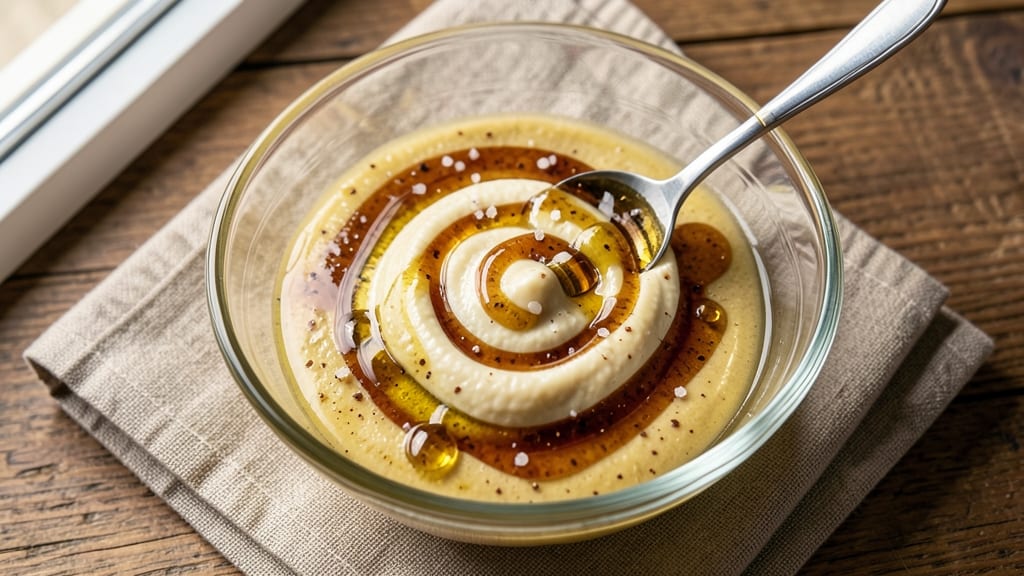
This apple cider Dijon vinaigrette recipe transforms simple ingredients into a bold, tangy-sweet dressing that elevates everything from salads to roasted vegetables. The secret lies in balancing apple cider vinegar’s sharp acidity with Dijon’s subtle heat and a touch of honey for depth—no complicated techniques required.
Just whisk together the ingredients, and you’ll have a dressing that’s versatile enough for fall menus or summer sides, with a shelf life that makes it perfect for meal prep.
The magic happens in the ratios: equal parts oil and vinegar create the perfect emulsion, while Dijon mustard adds body and a subtle kick. A pinch of salt enhances all flavors, and honey rounds out the tartness, creating a dressing that’s complex yet effortless.
This recipe delivers restaurant-quality results in just 5 minutes, with ingredients you likely already have on hand.
What makes this vinaigrette truly special is its adaptability—drizzle it over crisp greens, toss it with roasted Brussels sprouts, or use it as a marinade for grilled chicken. The flavors develop even more after resting, so making a batch ahead of time ensures your dishes always taste their best.
Store it in the fridge for up to 1 week, shaking before each use to maintain that perfect balance.
For an extra layer of flavor, consider adding a splash of fresh lemon juice or a sprinkle of smoked paprika. The possibilities are endless, but the foundation remains the same: a bright, balanced dressing that turns ordinary meals into standout dishes. Let’s get started!
Ingredients for apple cider dijon vinaigrette
Eight simple ingredients create a dressing that's restaurant-quality and ready in minutes.
| Ingredient | Amount | Notes |
|---|---|---|
| Extra-Virgin Olive Oil 🫒 | ½ cup | High-quality, fruity flavor preferred |
| Apple Cider Vinegar 🍎 | ½ cup | Raw, unfiltered for best flavor |
| Dijon Mustard 🌶️ | 1 tbsp | Mild or hot variety |
| Pure Honey 🍯 | 1 ½ tbsp | Wildflower or clover preferred |
| Granulated Sugar 🍚 | 1 tsp | Or maple syrup for vegan option |
| Kosher Salt 🧂 | ½ tsp | Diamond Crystal preferred |
| Fresh Lemon Juice 🍋 | 1 tbsp | Optional for extra brightness |
| Smoked Paprika 🌶️ | ¼ tsp | Optional for depth of flavor |
The olive oil and apple cider vinegar are your foundation—look for extra-virgin olive oil with a fruity aroma and raw, unfiltered apple cider vinegar for that authentic tang. Trader Joe's and Whole Foods carry great options, but any quality brand works. Dijon mustard adds that signature depth, so don't skip it—Maille is my go-to, but any good brand will do. Honey and sugar balance the acidity perfectly, so if you're using maple syrup instead, reduce it slightly since it's sweeter. The salt? Diamond Crystal dissolves better than table salt, but use whatever you've got.
No honey? Maple syrup or agave nectar work beautifully—just use a tiny bit less since they're sweeter. Short on Dijon? Whole-grain mustard adds texture but lacks that signature flavor. The lemon juice and smoked paprika are totally optional, but they take this dressing from good to amazing. Fresh lemon juice brightens it up, while smoked paprika adds a subtle smokiness that pairs perfectly with roasted veggies. If you're making this ahead, the flavors actually get better as it sits—so don't be afraid to mix it up a day in advance.
This dressing keeps for 1 week in the fridge, but it's best used within 3-4 days for peak flavor. Store it in a clean, airtight jar or bottle—glass is best since it won't absorb odors. Give it a good shake before each use, especially if you've added any whole spices or paprika. A little goes a long way, so start with 1-2 tablespoons per serving and adjust to taste. The ratios are perfect for most salads, but if you're using it as a marinade, you might want to double the batch.
Why You'll Love This Recipe
- Five-Ingredient Magic: I swear by this combo—just oil, vinegar, mustard, honey, and sugar. No fancy gadgets, no measuring cups (eyeball it), and it’s ready before your slow-cooker dinner even starts.
- Tangy-Sweet Balance: That Dijon mustard cuts through the richness while the honey and sugar soften the vinegar’s bite. Honestly, it’s the kind of dressing where every bite makes you pause and think, “Why didn’t I make this sooner?”
- Salad Bar MVP: Use it on greens, toss it with roasted veggies, or drizzle it over grilled chicken. I’ve even used it as a marinade—it’s my go-to for anything that needs a little brightness without overpowering.
- Makes a Week’s Worth: This keeps in the fridge for days, and a little goes a long way. Between us, I’ve had this same jar last me through three lunches and two dinners—no waste, just flavor.
Step-by-step instructions for apple cider Dijon vinaigrette
This bright, balanced dressing comes together in minutes with a perfect harmony of tart and sweet.
Whisk Together the Sweet Components
In a medium bowl, combine the 1.5 tablespoons pure honey and 1 teaspoon granulated sugar. I like to use a small whisk for this step - it helps dissolve the sugar completely into the honey. Stir until the sugar fully integrates and the mixture becomes smooth and glossy. This sweet base will balance the acidity later, so don't skip this step.
The honey should be at room temperature for best results - if it's cold, let it sit for 10 minutes first. This ensures it blends seamlessly with the other ingredients. You'll notice the mixture will look slightly syrupy but still pourable - that's exactly what we want for the perfect dressing consistency.
Add the Acidic and Emulsifying Elements
To the honey-sugar mixture, add the 0.5 cup apple cider vinegar and 1 tablespoon Dijon mustard. The vinegar will immediately start to thin out the mixture, creating a lighter texture. Whisk vigorously for about 30 seconds until everything is fully incorporated. You'll see the mustard begin to break down and blend smoothly.
Here's where the magic happens - the Dijon mustard acts as our emulsifier, helping the oil and vinegar blend together later. If you notice any lumps of mustard, press it against the side of the bowl with your whisk until it dissolves completely. The mixture should now have a slightly tangy, sweet aroma that's ready for the final ingredients.
Incorporate the Oil and Seasonings
With the bowl still in your hand, slowly drizzle in the 0.5 cup extra-virgin olive oil while whisking continuously. Start with a very slow stream - about 1 teaspoon at a time - and whisk vigorously after each addition. This gradual approach prevents the dressing from separating. You'll know you're doing it right when the mixture begins to thicken slightly and take on a creamy texture.
Once all the oil is incorporated, add the 0.5 teaspoon kosher salt and 0.25 teaspoon smoked paprika. For the lemon juice, I recommend using a microplane or fine grater to zest the lemon first, then squeeze in the 1 tablespoon fresh lemon juice. This adds both bright flavor and a beautiful color contrast. Whisk everything together until fully combined and smooth.
Taste and Adjust for Perfect Balance
This is the most important step - tasting as you go. Take a small spoonful and taste the dressing straight from the bowl. You should notice a perfect balance between the sweet honey, tart vinegar, and rich olive oil. If it needs more sweetness, add another ½ teaspoon honey. For more acidity, add ½ teaspoon vinegar. For extra tang, add ¼ teaspoon lemon juice.
The dressing should coat your spoon with a silky, velvety texture that's neither too thick nor too thin. It should taste bright and complex, with the smoky notes from the paprika adding depth. Remember, the flavors will mellow slightly when tossed with greens, so don't be shy with the seasoning. Give it one final whisk to ensure everything is perfectly blended before using.
Pro Tips For Making Apple Cider Dijon Vinaigrette
- Whisk in Stages: Start by mixing the Dijon mustard, honey, and sugar—this prevents a sudden flood of oil when you add it later. I learned this the hard way when I dumped everything in at once and ended up with a clumpy mess that took forever to emulsify.
- Use Warm Vinegar: Heat the apple cider vinegar slightly (just until it’s warm to the touch) before adding it to the mustard mixture—this helps the honey dissolve faster and creates a smoother emulsion. Sounds weird, but it works: your dressing will be silkier from the get-go.
- Measure Oil Last: Add the olive oil very slowly, drop by drop at first, while whisking like your life depends on it. Rushing this step means you’ll end up with a separated dressing no matter how much you shake it later—patience here saves cleanup time.
- Skip the Sugar if Needed: If your honey is already thick and syrupy, omit the granulated sugar entirely—the extra sweetness can make the dressing cloying. My grandmother swore by this, and she was right: balance matters more than strict measurements.
Common mistakes when making great apple cider dijon vinaigrette
Skipping the Mustard
The Dijon mustard is what gives this vinaigrette its signature depth and helps emulsify the oil and vinegar. If you leave it out, you'll end up with a dressing that separates more easily and lacks that rich, complex flavor.
I've tried making this without mustard—it just doesn't have the same body or tang. Use at least 1 tablespoon of Dijon, and if you're feeling adventurous, try a ½ teaspoon of whole-grain mustard for added texture. 🌶️
Adding Oil Too Quickly
When you pour in the ½ cup olive oil too fast, the dressing can break and separate. The key is to add it slowly—about 1 teaspoon at a time—while whisking continuously. This gradual approach gives the mustard time to work its magic as an emulsifier.
If your dressing starts to look oily or clumpy, just whisk it vigorously for another 30 seconds to bring it back together.
Over-Sweeting the Dressing
Too much honey or sugar can make the dressing taste cloying and mask the bright, tangy flavors of the apple cider vinegar. Stick to the 1.5 tablespoons honey and 1 teaspoon sugar as written—this ratio is perfect for balancing the acidity.
If you're using maple syrup or agave, start with 1 tablespoon and adjust to taste, since these sweeteners are more concentrated. Trust me, you don’t need extra sweetness to make this dressing shine.
Not Letting It Rest
This dressing tastes even better after it sits for at least 30 minutes—or even overnight. The flavors meld together, and the mustard fully integrates, creating a smoother, more cohesive texture.
If you're in a hurry, let it rest for 10 minutes before using, but if you can prep it ahead of time, do it! The longer it sits, the more balanced and delicious it becomes. Just store it in an airtight container in the fridge.
Using Low-Quality Ingredients
The quality of your ingredients makes all the difference in this dressing. Skip the cheap olive oil—opt for extra-virgin with a fruity aroma, and use raw, unfiltered apple cider vinegar for that authentic tang.
The same goes for the honey: wildflower or clover honey adds depth that store-brand versions can’t match. Investing in good ingredients is the secret to a dressing that truly stands out. 💛
Ignoring the Salt
Salt isn’t just for flavor—it enhances all the other ingredients, making the sweet, tangy, and smoky notes pop. Don’t skip the ½ teaspoon kosher salt (or ¼ teaspoon table salt if that’s what you have).
Taste your dressing before adding it to your salad, and if it needs more, go ahead and adjust. A little salt goes a long way in bringing out the best in every ingredient.
Nutrition facts
Frequently asked questions
Can I make this dressing without honey?
Yes! Swap the 1.5 tablespoons honey for 1 tablespoon maple syrup or 1.5 tablespoons agave nectar for a vegan option. If you prefer no sweetener, reduce the sugar to ½ teaspoon and add ½ teaspoon extra lemon juice to balance the tartness. The dressing will still taste bright and tangy, just with a different flavor profile.
How much dressing should I use per salad?
Start with 1-2 tablespoons per serving and adjust to taste. For a simple green salad with 4 cups greens, 2 tablespoons works perfectly. If you're using it on heartier dishes like roasted vegetables or grains, you might need 3-4 tablespoons. Remember, the flavors develop when tossed, so don't be shy!
Can I use this dressing as a marinade?
This vinaigrette makes an excellent marinade for chicken, pork chops, or tofu. Use ½ cup dressing per pound of protein and marinate for 30 minutes to 2 hours in the fridge. The acidity helps tenderize the meat while infusing it with flavor. Just don't use it on delicate fish—it's too acidic for that.
Why did my dressing separate?
Separation usually happens when oil and vinegar aren't properly emulsified. The Dijon mustard helps bind them, but if you add oil too quickly or skip whisking, they'll separate. Fix it by whisking vigorously for 30 seconds or adding ½ teaspoon extra mustard. For future batches, add oil 1 teaspoon at a time while whisking continuously.
What are the best fall dishes to pair with this?
This dressing shines on roasted Brussels sprouts, butternut squash salad, or apple and walnut salads. It also works beautifully with grilled chicken, pork tenderloin, or even as a dip for fresh baguette slices. The warm spices in fall dishes complement its sweet-tangy profile perfectly!