
Desserts
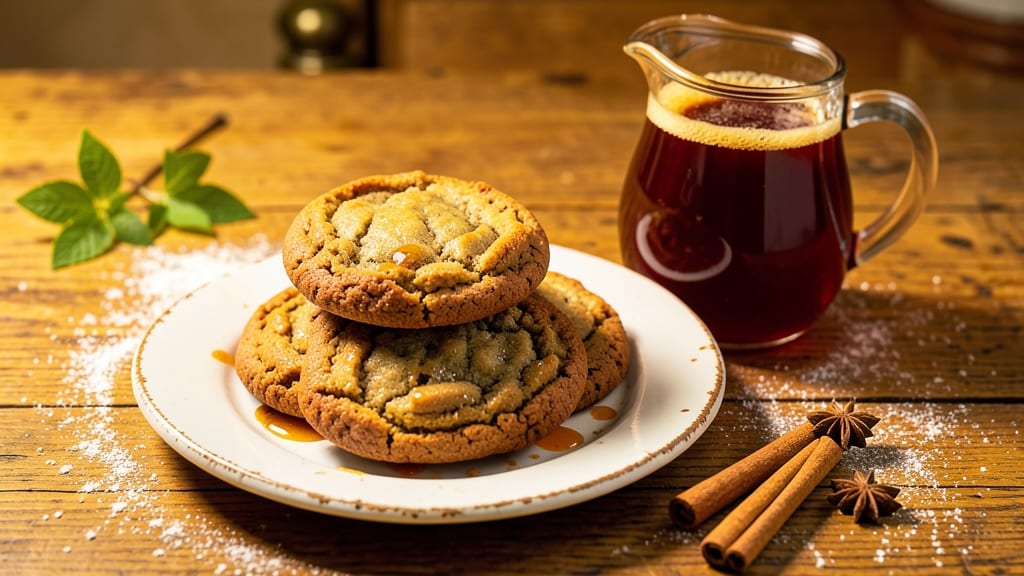
This 1973 apple cider cookie recipe transports you straight to autumn afternoons with its warm cinnamon-spiced aroma and buttery streusel topping. 🍂 The original recipe relied on pantry staples and simple techniques that still deliver perfect results today—crispy edges, tender centers, and that signature caramelized cider flavor that makes these cookies irresistible.
The magic lies in the combination of apple cider, brown sugar, and warm spices like cinnamon and nutmeg, which create a flavor profile that feels nostalgic yet fresh.
Unlike modern recipes that often call for complex methods, this version keeps things straightforward with a classic dough-and-streusel approach, making it perfect for both beginners and experienced bakers.
What you’ll end up with is a batch of cookies that’s crisp around the edges, soft in the middle, and topped with a crumbly streusel that adds just the right amount of texture.
The apple cider infuses the dough with a subtle sweetness and warmth, while the streusel adds a buttery contrast that makes every bite satisfying.
These cookies are ideal for holiday gatherings, fall celebrations, or simply treating yourself to a taste of nostalgia. The recipe has been adapted to modern kitchens while staying true to its vintage roots, ensuring you get that same comforting flavor that’s been loved for decades.
Ingredients for apple cider cookies 1973
Pantry staples and autumn spices transform into nostalgic apple cider cookies with crisp edges and tender centers.
| Ingredient | Amount | Notes |
|---|---|---|
| Unsalted Butter 🧈 | 1 cup | Cold, cubed for dough and streusel |
| Light Brown Sugar 🍚 | 1 cup | Packed, not leveled |
| Granulated Sugar 🍚 | ½ cup | For balanced sweetness |
| Large Eggs 🥚 | 2 whole | Room temperature preferred |
| Apple Cider 🍎 | ½ cup | Unfiltered for best flavor |
| All-Purpose Flour 🌾 | 2 ½ cups | Spooning and leveling method |
| Ground Cinnamon 🌶️ | 2 tsp | Freshly ground preferred |
| Ground Nutmeg 🌶️ | ½ tsp | Freshly grated nutmeg works too |
| Ground Ginger 🌶️ | 1 ½ tsp | For warm spice depth |
| Salt 🧂 | ½ tsp | Kosher or sea salt |
| Vanilla Extract 🥛 | 1 tsp | Pure vanilla preferred |
| Old-Fashioned Oats 🌾 | 1 cup | Rolled, not quick oats |
| Chopped Walnuts 🥜 | ½ cup | Toasted for extra flavor |
| All-Purpose Flour 🌾 | ½ cup | For streusel topping |
| Light Brown Sugar 🍚 | ¼ cup | Packed, for streusel |
The apple cider makes all the difference—Mott's or Woodchuck are my go-tos, but any unfiltered brand works. Look for labels that say 'unpasteurized' for deeper flavor, though pasteurized is fine if that's all you can find. The butter should be cold when you start; take it out of the fridge just before measuring. For the spices, Penzeys or bulk bins at natural grocery stores offer the freshest ground cinnamon and nutmeg. If you're using pre-ground, check the date—spices lose potency fast. The oats? Quaker Old-Fashioned is the standard, but any rolled oats will do.
No apple cider? Unsweetened applesauce at half the amount works in a pinch, though the flavor won't be identical. Short on walnuts? Pecans or chopped hazelnuts add a nice crunch. The streusel can be made ahead and stored in the fridge for up to 3 days—just bring it to room temperature before mixing. For a nut-free option, skip the walnuts and add an extra 0.25 cup of oats to the streusel. The dough can be chilled for up to 24 hours if you want to prep ahead, but don't over-chill or the cookies will spread too much.
These cookies keep for about 5 days in an airtight container at room temperature, though they're best enjoyed within the first 2 days for peak texture. For longer storage, freeze the dough balls (before baking) for up to 3 months2 extra minutes to the cook time. The streusel topping can be stored separately in the fridge for 1 week or frozen for 3 months. I always double the batch during the holidays and freeze half—nothing beats pulling out a tray of freshly baked cookies straight from the freezer.
Why You'll Love This Recipe
- No Mixer Needed: I swear by this dough—just cream butter and sugars, toss in eggs, then fold in cider. No electric beaters, no fuss, just a sturdy spoon and your hands. The texture comes out tender and chewy every single time, even if I’m distracted by the kids asking for a snack.
- Cider Kicks It Up: That apple cider isn’t just flavor—it’s the star. The dough smells like autumn walks, and the cookies? Warm caramel notes with a hint of spice that lingers. Honestly, I’ve tried store-bought cider cookies, and these taste like real baking, not just sugar and artificial stuffing.
- Holiday or Snack Attack: These work for Thanksgiving spreads, school bake sales, or when I’m craving something sweet at 3 PM. Freeze half the dough for later—just pop it out when you need a treat. My nephew’s teachers always ask for the recipe after class parties.
- Butter Budget Magic: Rich but not wasteful. A stick of butter, a splash of cider, and a handful of sugar stretch into a dozen cookies. I make two batches for the price of one store-bought package, and they stay fresh for days (or freeze perfectly). Practical? Yes. Delicious? Absolutely.
Step-by-step instructions for apple cider cookies
This 1973-inspired recipe delivers warm spice, buttery crunch, and that signature apple cider aroma.
👨🍳 Step 1: Mix the Dough for Perfect Texture
In a large mixing bowl, combine the 1 cup unsalted butter (cold, cubed) with the 1 cup packed light brown sugar and 0.5 cup granulated sugar. Beat on medium speed until light and fluffy—about 3-4 minutes. This creaming process incorporates air, which creates those signature crackly tops.
In a separate small bowl, whisk together the 2.5 cups all-purpose flour, 2 tsp ground cinnamon, 0.5 tsp ground nutmeg, 1.5 tsp ground ginger, 0.5 tsp salt, and 1 tsp vanilla extract. With the mixer on low speed, gradually add the dry ingredients to the butter-sugar mixture, mixing just until combined. Avoid overmixing—you should still see small flour streaks.
Add the 2 whole eggs one at a time, mixing well after each addition. Then stir in the 0.5 cup apple cider and 1 cup old-fashioned oats. The dough will be thick and slightly sticky—this is normal. Fold in the 0.5 cup chopped walnuts by hand using a rubber spatula. Cover and refrigerate for at least 30 minutes (up to 24 hours) to allow flavors to meld.
🍳 Step 2: Prepare the Buttery Streusel Topping
While the dough chills, make the streusel topping in a small bowl. Cut the 1 cup cold unsalted butter into small cubes and combine with 0.5 cup all-purpose flour and 0.25 cup packed light brown sugar. Using a pastry cutter or your fingers, work the mixture until it resembles coarse crumbs with pea-sized butter pieces—this creates that signature crunchy texture.
Real talk: Don't overwork this mixture or you'll end up with a dense topping instead of those beautiful golden crumbles. The butter should be cold so it holds its shape when sprinkled on the cookies. If it feels too soft, chill for another 10 minutes before proceeding.
🔥 Step 3: Bake for Chewy Centers and Crispy Edges
Preheat your oven to 375°F and line two baking sheets with parchment paper. Using a cookie scoop or tablespoon, drop dough 1.5-inch balls onto the prepared sheets, spacing them 2 inches apart—they'll spread. Sprinkle each mound with about 1 teaspoon of the streusel mixture, pressing gently so it adheres.
Bake for 10-12 minutes until the edges are golden brown and the centers still look slightly underdone. The tops should have that classic crackly texture with streusel peeking through. If you're unsure, check at the 10-minute mark—underbaked cookies are better than overbaked ones.
Let the cookies cool on the baking sheets for 5 minutes before transferring to a wire rack to cool completely. This resting period prevents them from becoming too crisp. The aroma of warm apple cider and spices will fill your kitchen—worth every minute of waiting!
Pro Tips For Making Apple Cider Cookies 1973
- CHILL THE DOUGH: I learned this the hard way—skipping the fridge for these cookies means they’ll spread like crazy in the oven. Wrap the dough in plastic and let it rest at least 30 minutes (or overnight if you can wait). The sugar in brown sugar and apple cider needs time to hydrate properly, or your cookies turn out flat and chewy instead of chewy with that perfect snap.
- MEASURE CIDER BY WEIGHT: The recipe probably calls for "1 cup apple cider," but liquid measurements are where things go wrong. Weigh it instead—apple cider varies wildly in density. Aim for about 240 grams (yes, even if the cup says otherwise). Too much liquid makes the dough sticky and gummy; too little dries out the flavor.
- DON’T OVERMIX THE EGGS: Crack those eggs into a separate bowl first, then whisk them just until combined. Overmixing incorporates too much air, which can cause the cookies to puff up unevenly and collapse. Think "lightly beaten," not "fluffy meringue." The goal is moisture, not volume.
- USE COLD BUTTER FOR LAYERS: Take the butter straight from the fridge—no softening at room temp. Cold butter creates thin, crisp layers that separate beautifully in the oven, while softened butter just blends into the dough. Cut it into small cubes first for even distribution, and resist the urge to skip this step. Your cookies will thank you with that classic 1973 texture.
Pro cooking tips for this dish
Butter Temperature Matters
The cold butter in your dough is non-negotiable—it creates those signature crackly tops. Take the 1 cup unsalted butter straight from the fridge, cube it, and let it sit at room temperature for just 5-10 minutes before measuring.
If it's too soft, pop it back in the fridge for 10 minutes to firm up. I've ruined batches by using melted butter—trust me, the texture suffers. 🧈
Dough Chilling is Key
Never skip chilling the dough for at least 30 minutes (up to 24 hours works too). This rest period allows the flour to fully hydrate and flavors to develop. If you skip it, your cookies will spread excessively and lose that tender center.
I like to portion the dough into 1.5-inch balls while it's still cold—they hold their shape better on the baking sheet.
Streusel Texture Secrets
The streusel topping should look like coarse crumbs with pea-sized butter pieces—don't overwork it or you'll end up with a paste. Use a pastry cutter or your fingers to gently combine the 1 cup cold butter, 0.5 cup flour, and 0.25 cup brown sugar.
If your kitchen is warm, chill the mixture for 10 minutes before using. The butter should hold its shape when pressed between your fingers.
Baking Time Precision
Bake these at 375°F for 10-12 minutes—they're done when the edges are golden brown but the centers still look slightly soft. The tops should have that classic crackly texture with streusel peeking through.
I always check at the 10-minute mark because ovens vary. Underbaked cookies are better than overbaked ones—they'll firm up as they cool.
Resting Prevents Crumbling
Let the cookies cool on the baking sheets for 5 minutes before transferring to a wire rack. This resting period allows the internal structure to set properly. If you skip this, they'll become too crisp too quickly.
The aroma of warm apple cider and spices will fill your kitchen—this is the moment you've been waiting for. 🍂
Oven Rack Position
Place your baking sheets on the middle rack of your oven for even heat distribution. If your oven runs hot, consider using the lower-middle rack instead. I use two oven racks at once—this lets me rotate trays halfway through baking for perfectly even cookies.
The streusel topping needs consistent heat to crisp properly without burning.
Nutrition facts
Frequently asked questions
Can I substitute apple cider with something else?
Yes, but the flavor will change. For a similar effect, use ½ cup unsweetened applesauce or ½ cup apple juice. If you don't have any apple products, try ½ cup orange juice for a citrusy twist, though it won't capture that classic cider warmth. The cider's depth comes from its natural sweetness and subtle tang—nothing truly replaces it!
Why do my cookies spread too much?
Overmixing the dough or skipping the 30-minute chilling are the top culprits. Keep butter cold and measure flour precisely (spoon-and-level method). Also ensure your oven is properly calibrated—375°F is critical. For extra insurance, chill dough balls for 15 minutes before baking. Too much flour in the streusel can also make cookies spread less.
How do I make these nut-free?
Simply omit the walnuts and add ½ cup extra old-fashioned oats to the streusel mixture. For more texture, stir in ½ cup dried cranberries or ½ cup shredded coconut. The dough's structure will remain the same—just the crunch profile changes. This works especially well for allergy-friendly gatherings!
Can I use this dough for something other than cookies?
Roll it into a ½-inch thick sheet and cut into shapes for bars. Or form into 1-inch balls, flatten slightly, and bake as mini muffins. The streusel topping works perfectly for both. For bars, press half the dough into a pan, sprinkle with streusel, then top with remaining dough. Bake at 350°F for 20-25 minutes.
What's the best way to store these cookies?
Keep them in an airtight container at room temperature for up to 5 days, though they're best within 2 days for peak texture. For longer storage, freeze dough balls (before baking) for 3 months—bake straight from frozen, adding 2 extra minutes. The streusel can be stored separately in the fridge for 1 week or frozen for 3 months. Never freeze baked cookies—they'll get soggy!