
Desserts
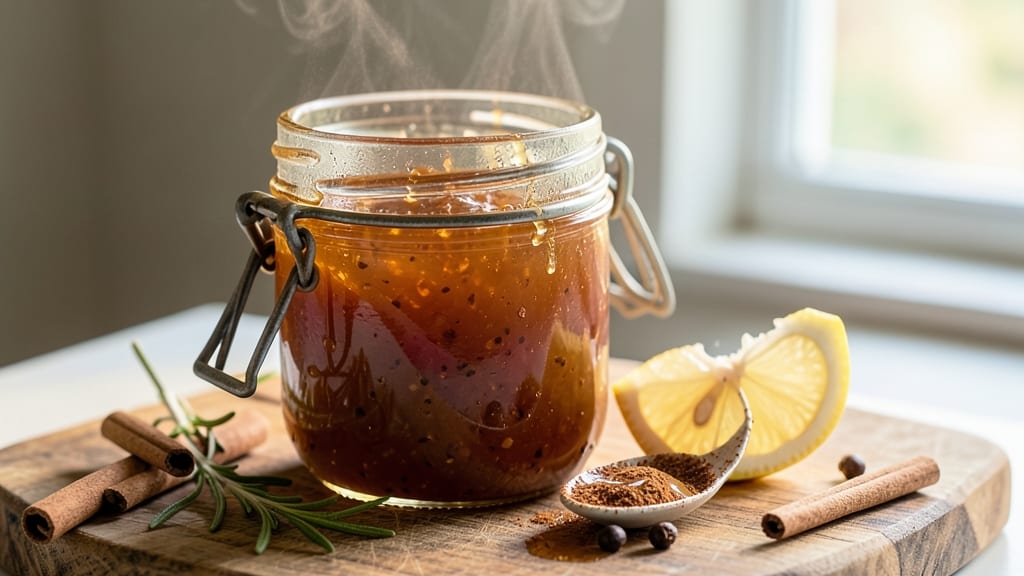
Transforming apple cider into this apple cider cinnamon jelly is like bottling autumn—warm, spiced, and effortlessly elegant. The secret lies in balancing sweetness with cinnamon's bold warmth, creating a jelly that's perfect for toast, cheese boards, or dessert drizzles.
With just 15 minutes of active time and a few simple ingredients, you'll achieve a glossy, set texture that's far superior to store-bought versions.
This recipe relies on high-quality pectin to achieve that signature wobble, while cinnamon sticks infuse the cider with aromatic depth. The process is straightforward: simmer the cider until reduced, then combine with sugar and pectin for a smooth, flavorful base.
No special equipment is needed—just a saucepan and patience for the jelly to set properly in sterilized jars.
The result is a rich, aromatic jelly with a perfect balance of sweetness and spice, where each spoonful delivers that cozy autumn flavor. It's versatile enough for breakfast toast, sophisticated enough for holiday cheese boards, and always a crowd-pleaser when served with vanilla ice cream or pound cake.
Once set, this jelly keeps beautifully in the refrigerator for up to three weeks, making it ideal for gifting or meal prep. The cinnamon's warmth mellows slightly over time, deepening its complexity.
Whether you're a seasoned jelly maker or trying this for the first time, the process is foolproof and the results are undeniably impressive.
Ingredients for apple cider cinnamon jelly
Eight simple ingredients transform autumn's essence into this velvety apple cider cinnamon jelly.
| Ingredient | Amount | Notes |
|---|---|---|
| Unfiltered Apple Cider 🍎 | 4 cups | 100% pure, no added sugar |
| Granulated Sugar 🍚 | 3 cups | White or raw cane preferred |
| Powdered Pectin 🍬 | ¼ cup | High-methoxyl for firm set |
| Cinnamon Sticks 🌿 | 4 whole | 2-inch pieces for infusion |
| Lemon Juice 🍋 | 2 tbsp | Freshly squeezed for acidity |
| Light Corn Syrup 🍯 | ½ cup | For texture and sweetness |
| Ground Cinnamon 🌶️ | 1 tbsp | For final flavor boost |
| Salt 🧂 | ¼ tsp | Kosher or sea salt |
The apple cider should be unfiltered and unsweetened—brands like Woodstock Cider or Angry Orchard work beautifully, but any 100% pure cider will do. High-methoxyl pectin is non-negotiable for that perfect wobble; Ball RealFruit or Pomona's Universal Pectin are excellent choices. Cinnamon sticks infuse deeper flavor than ground, so avoid pre-ground unless you're willing to sacrifice complexity. For sugar, raw cane adds subtle caramel notes, but white granulated ensures consistent set. The lemon juice needs to be freshly squeezed—bottled juice lacks the acidity needed for proper gelling.
No powdered pectin? Ball RealFruit can substitute at the same ratio, though texture may vary slightly. Running out of cinnamon sticks? Ceylon cinnamon works in a pinch, but flavor will be milder. Substituting corn syrup with honey (equal parts) adds depth but may darken the jelly. For a less sweet version, reduce sugar by 0.25 cup and increase lemon juice to 3 tbsp. The jelly sets beautifully without corn syrup, though texture becomes slightly softer. Sterilized jars are critical—use mason jars and process in boiling water for 10 minutes to ensure shelf stability.
This jelly maintains peak quality for 3 weeks refrigerated, though flavor deepens over time. For gifting, paraffin-seal jars extend shelf life to 6 months unrefrigerated. Store in dark glass to preserve color. When ready to serve, chill for 2 hours before opening—this enhances the cinnamon aroma. The jelly thickens slightly as it cools, so don't overfill jars. Freeze extras in ice cube trays for single-serving portions, perfect for toast or cheese boards.
Why You'll Love This Recipe
- No-Fuss Simplicity: I’m talking five ingredients, a pot, and 20 minutes—no fancy techniques, no stress. Just simmer the cider with cinnamon sticks until it thickens, add the pectin, and boom. The lemon juice cuts through the sweetness like a pro, but honestly? Even if you eyeball it, it’ll still turn out.
- Spiced Comfort in Jelly Form: That warm cinnamon aroma trapped in the jelly? It’s like autumn in every bite—rich, slightly tart from the cider, and with just enough sweetness to balance. I’ll be real: I’ve used it on toast, in yogurt, even as a glaze for roasted chicken. It’s the kind of flavor that makes you want to make a double batch.
- Party-Ready in Minutes: Break out the jelly jars for holiday gifts, potlucks, or just because your friends need to know you’ve got skills. It’s shelf-stable, so you can prep ahead and still pull it out looking fresh. Between us, the cinnamon sticks add a rustic touch that makes it feel special—no one expects a homemade jelly this good.
- Budget Magic: Unfiltered apple cider is cheap, pectin is a one-time buy, and cinnamon sticks last forever. A single batch stretches into weeks of breakfasts, snacks, or dessert toppings. I’ve made this for under $5 and still felt like I’d won the pantry lottery. Practical? Absolutely. Delicious? Even more so.
Step-by-step instructions for spiced apple cider jelly
Here's the precise method to transform autumn's finest ingredients into velvety-smooth cinnamon jelly.
Infuse the Apple Cider with Cinnamon
In a medium saucepan, combine the 4 cups unfiltered apple cider and the 4 whole cinnamon sticks. Bring to a gentle boil over medium-high heat, then immediately reduce to medium-low heat. Let the mixture simmer uncovered for 15 minutes, stirring occasionally to prevent scorching. You'll notice the liquid deepens in color and develops an aromatic cinnamon perfume—this infusion creates the jelly's signature spiced character.
After simmering, remove the pan from heat and let it steep for an additional 10 minutes off the stove. This resting period allows the cinnamon's oils to fully infuse into the liquid. Strain the cider through a fine-mesh sieve into a clean bowl, pressing gently on the cinnamon sticks to extract every drop of flavor. Discard the used cinnamon sticks—they've done their job.
Prepare the Sugar and Pectin Mixture
In a separate bowl, whisk together the 3 cups granulated sugar, 0.5 cup light corn syrup, and 0.25 cup powdered pectin until completely dissolved and smooth. This mixture should be uniform with no visible sugar granules remaining. The corn syrup helps create a glossy finish while the pectin ensures proper gel formation. Add the 2 tablespoons lemon juice and 0.25 teaspoon salt, whisking until fully incorporated.
Here's where precision matters: The sugar mixture should be at room temperature when combined with the hot cider. If it feels cool to the touch, let it sit at room temperature for 5 minutes before proceeding. Cold sugar can inhibit proper gel formation, resulting in a softer jelly.
Combine and Boil to the Perfect Temperature
Return the strained apple cider to the saucepan and bring it to a rolling boil over high heat. Once boiling vigorously, gradually pour in the sugar mixture while stirring constantly with a wooden spoon. Return the mixture to a full boil and maintain this temperature for exactly 1 minute. You'll see the liquid thicken noticeably as it reaches the 220°F gel point—this is critical for proper setting.
During this final boil, watch for small bubbles forming around the edges of the pan. These indicate you've reached the correct temperature. The mixture should have a syrupy consistency that coats the back of a spoon. Remove the pan from heat immediately after the 1-minute boil—overcooking will result in a grainy texture.
Add Finishing Cinnamon and Test for Doneness
Stir in the 1 tablespoon ground cinnamon and let the mixture sit for 5 minutes off the heat. This resting period allows the flavors to meld and the jelly to begin thickening. To test for doneness, place 1 teaspoon of jelly on a chilled plate. If it wrinkles when you push it with your finger, it's ready. If it flows, return it to the heat for 30 seconds and test again.
Real talk: The jelly will continue thickening as it cools, so it's better to err on the side of slightly underdone. If it sets too firmly, you can always reheat and thin with a splash of warm water. Transfer the jelly to sterilized jars, sealing them tightly while still warm to create an airtight seal.
Cool and Store for Maximum Flavor Development
Let the jars cool completely at room temperature for 1 hour, then refrigerate for at least 4 hours or until fully set. The jelly will develop its final texture and depth of flavor during this cooling process. The finished product should have a glossy sheen, a firm but spreadable consistency, and that unmistakable cinnamon aroma that fills your kitchen.
This jelly keeps beautifully in the refrigerator for up to 3 weeks or can be processed in a water bath for shelf-stable storage. The perfect balance of sweetness, acidity from the lemon, and warm cinnamon makes this an ideal accompaniment to cheese boards, toasted bread, or even as a glaze for roasted meats.
Pro Tips For Making Apple Cider Cinnamon Jelly
- Strain Twice, Strain Right: The sediment in unfiltered cider is your enemy here—skimp on straining and your jelly will taste gritty. After simmering, pour through a fine-mesh sieve and a coffee filter lined over a jar; I learned this the hard way when my first batch had tiny specks floating in every spoonful.
- Boil Pectin Fast: Add powdered pectin to the hot cider all at once, then crank the heat to full boil immediately—no stirring. The second the mixture returns to a rolling boil (usually 30-45 seconds), pour into jars. I used to simmer it gently, and the pectin never fully activated; now my jelly sets perfectly every time.
- Skip the Extra Cinnamon: Those cinnamon sticks you simmer with? Remove them after 10 minutes—any longer and the bark turns bitter. Save the sticks for garnish or future batches; fresh sticks in each jar add aroma without overpowering the tart-sweet balance.
- Use Bottled Lemon Juice: Fresh lemon juice is great, but bottled (pasteurized) is the real MVP here—it’s consistent and won’t thin your mixture. Measure it cold, then add it after the pectin is dissolved. I was skeptical until I tried it; now I never risk a weak set from variable acidity.
Troubleshooting this recipe
No-Set Jelly?
If your jelly doesn't set properly after cooling, you likely didn't reach the correct 220°F temperature during boiling. Use a candy thermometer for precision—this is non-negotiable for proper gel formation. If it's too runny, return it to a boil for 30 seconds and test again.
Under-setting often happens when the sugar mixture was too cold or the pectin wasn't fully incorporated. 🌡️
Grainy Texture?
Graininess typically means you overcooked the jelly after adding the sugar mixture. Once you reach the 1-minute boil, remove it immediately—even 10 extra seconds can cause sugar crystals to form.
If it's already grainy, strain through a fine-mesh sieve to remove any crystals before jarring. For future batches, maintain a steady boil without stirring too vigorously.
Too Sweet or Tart?
Adjust the balance by modifying the sugar-to-lemon ratio. For a sweeter batch, reduce lemon juice by 1 teaspoon and increase sugar by 1 tablespoon. Need more tartness?
Add ½ teaspoon extra lemon juice per jar before sealing. Taste as you go—this jelly should harmonize sweetness with cinnamon's warmth, not overpower either.
Cinnamon Flavor Weak?
Infuse the cider longer! Simmer with cinnamon sticks for 20 minutes instead of 15 to deepen the aroma. For extra punch, add ½ teaspoon cinnamon extract to the sugar mixture before boiling.
Avoid pre-ground cinnamon—whole sticks extract more complex flavors. If using ground cinnamon, increase to 1.5 tablespoons in the final step. 🌿
Mold or Fermentation?
This happens when jars aren't properly sterilized or sealed. Always boil mason jars in water for 10 minutes before filling, and ensure lids seal by checking for a slight suction when cooled.
For refrigerated jelly, use within 3 weeks—mold is rare but possible if stored too long. If you see any signs, discard immediately and sterilize your equipment thoroughly.
Color Too Dark?
Over-simmering the cider causes darkening. Reduce heat to medium-low after the initial boil and monitor closely. For a lighter hue, use white granulated sugar instead of raw cane. If it's already too dark, mix in 1 teaspoon vanilla extract** per jar to balance the depth with brightness.
The color won't affect flavor, but it might surprise guests expecting a golden jelly! 🍯
Nutrition facts
Frequently asked questions
Can I substitute apple cider vinegar for apple cider in this recipe?
Not recommended! Apple cider vinegar has a much stronger acidity and lacks the natural fruit sugars needed for proper gel formation. The jelly won't set correctly. If you must use vinegar, reduce lemon juice to 1 tablespoon and increase sugar by 0.5 cup, but expect a thinner, more tangy result. For best flavor and texture, stick with fresh, unfiltered apple cider.
How do I know when the jelly has reached the perfect set?
Use the classic wrinkle test! Place 1 teaspoon of cooled jelly on a chilled plate. Push it gently with your finger—if it wrinkles like a sheet of plastic, it's perfectly set. Too runny? Return to heat for 30 seconds and test again. The jelly will thicken further as it cools, so slightly underdone is better than overdone.
Can I make this jelly without corn syrup?
Yes, but expect a slightly softer texture. Replace the 0.5 cup corn syrup with 0.5 cup honey or additional 0.25 cup sugar. Honey adds depth but may darken the jelly. For a neutral alternative, use 0.5 cup apple juice. The jelly will still set, though it may have a slightly shorter shelf life (refrigerate within 2 weeks).
What's the best way to use up extra jelly?
This versatile jelly works beautifully on toasted sourdough, as a glaze for roasted pork tenderloin, or drizzled over vanilla ice cream. For creative uses, mix 1 tablespoon into yogurt or spread on cream cheese for a spiced dip. Freeze extras in ice cube trays for single-serving portions—perfect for holiday gifts!
Why does my jelly have a cloudy appearance?
Cloudiness usually means the pectin didn't fully dissolve or the mixture cooled too quickly. For a clearer jelly, ensure your sugar mixture is completely smooth before combining with hot cider. Also, avoid stirring the jelly after removing it from heat—this can introduce air bubbles. If it's already cloudy, strain through a fine-mesh sieve before jarring for a polished finish.