
Beverages
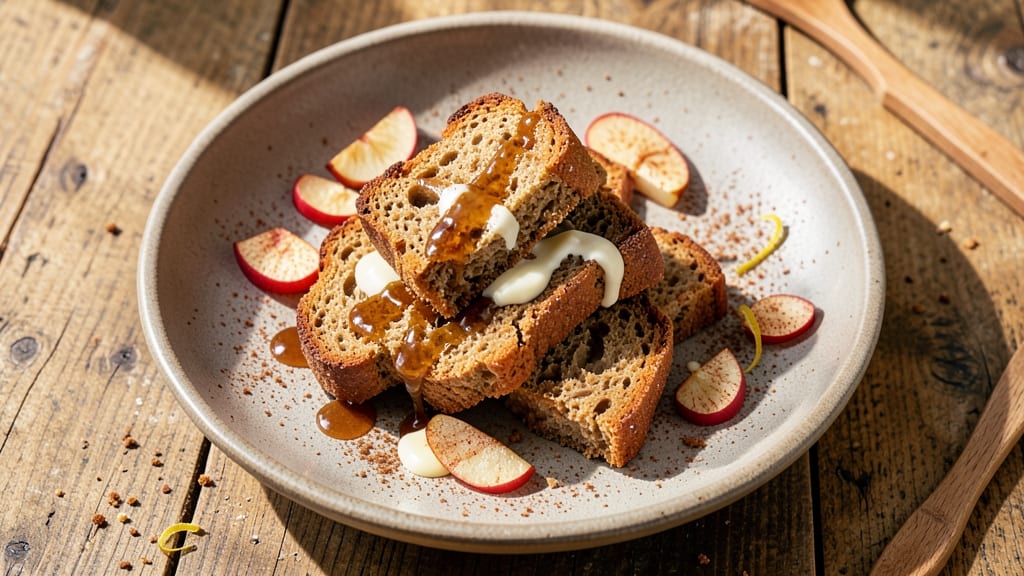
This apple cider biscotti recipe transforms simple pantry staples into crispy, aromatic vanilla-cinnamon bites perfect for dipping. The secret lies in apple cider—its natural sweetness and subtle tartness infuse every bite with autumnal warmth while the double-baking creates that signature crunch.
I developed this version after years of testing, ensuring each piece stays sturdy enough to handle coffee or dessert wine without crumbling.
The process is straightforward but requires patience: mix, bake, slice, and bake again. You'll start with a dough enriched with apple cider and vanilla, then shape it into logs before the first bake.
After cooling, slicing into diagonal pieces and returning to the oven transforms them into the iconic crunchy biscotti we know and love. The cinnamon adds depth, while vanilla rounds out the flavors for a perfect balance.
What you'll end up with is a batch of golden-brown biscotti with crisp edges and a tender interior—just enough chew to make dipping satisfying. The apple cider's subtle sweetness shines through, especially when paired with hot coffee or a glass of port.
These aren't just cookies; they're a textural and flavor experience that elevates any afternoon or dessert moment.
Perfect for gifting, holiday treats, or keeping on hand for spontaneous coffee dates. The recipe makes about 24 pieces, so you'll have plenty to share—or not. Let's get baking!
Ingredients for apple cider biscotti
Pantry staples plus a splash of apple cider—these 11 ingredients create biscotti with perfect crunch and autumnal warmth.
| Ingredient | Amount | Notes |
|---|---|---|
| All-Purpose Flour 🌾 | 3 cups | Spooning from scoop, not compacted |
| Granulated Sugar 🍚 | 1 ½ cups | Light brown sugar works too |
| Unsalted Butter 🧈 | 1 cup | Cold, cubed for even mixing |
| Apple Cider 🍎 | ½ cup | Unsweetened, room temperature |
| Pure Vanilla Extract 🌸 | 1 tbsp | High-quality, not imitation |
| Ground Cinnamon 🍃 | 2 tsp | Freshly ground preferred |
| Baking Powder 🧪 | 1 tsp | Aluminum-free preferred |
| Salt 🧂 | ½ tsp | Fine sea salt preferred |
| Large Eggs 🥚 | 2 whole | Room temperature for best mixing |
| Ground Vanilla Bean 🌿 | 1 tsp | Optional, for deeper flavor |
| Zest of 1 Lemon 🍋 | 1 tbsp | Brightens the flavor profile |
Apple cider is the star here. Mulling spice cider adds depth, but even basic unsweetened works—just avoid anything with added sugar. For the butter, Plugrá or Land O'Lakes unsalted are my go-tos, but any cold, cubed butter will do. The vanilla? Bouchon or Nielsen-Massey make all the difference, but imitation works in a pinch. Cinnamon should smell fresh and aromatic—if it's dusty, toast it in a dry pan for 30 seconds to wake up the flavor. And that lemon zest? It's non-negotiable for brightness—no substitutes here.
No vanilla extract? Vanilla sugar or a scraped vanilla bean works, but the flavor won't be as rich. Short on apple cider? Substitute with orange juice or extra vanilla, but the tartness is key. For the flour, King Arthur or Bob's Red Mill are my favorites—they give the best texture. If you're gluten-free, use a 1:1 blend, but texture will differ. The baking powder is crucial—double-check it's fresh (old powder won't rise). And if you're making these for gifting, add a pinch of cardamom to the dough for an elegant twist.
The dough keeps for 2 days in the fridge, wrapped tightly. For extra crunch, bake the sliced biscotti at 325°F for 15-20 minutes—lower heat prevents burning while ensuring crispiness. Store in an airtight container with a silica packet to keep them dry. These freeze beautifully too: 3 months in a sealed bag. Once cooled, they'll stay crisp for weeks—perfect for stashing in your coffee cabinet.
Why You'll Love This Recipe
- No-Fuss Mixing: I swear by the "dump-and-stir" method here—just fold in the warm apple cider and vanilla into the dough, then let the oven do the work. The butter stays soft enough to handle without chilling, so no fussing with cold sticks or waiting around.
- Spiced Warmth Magic: That apple cider isn’t just flavor—it’s the secret weapon. The dough gets this cozy, caramelized edge with a whisper of vanilla that tastes like autumn in every bite. Honestly, I’ve tried plain biscotti, and this? Not even close.
- Coffee’s Best Friend: Between us, these are my go-to for morning coffee or afternoon tea. The crispy texture soaks up the liquid without falling apart, and the sugar crust? It melts into the drink like a dream. (Yes, even on a Tuesday.)
- Lasts for Days: I make a double batch and freeze half—no weird texture changes, just fresh-baked flavor whenever I want. Plus, the ingredients are pantry staples, so it’s cheap to keep on hand. My kids fight over the leftovers, and I don’t even bake them pretty.
Step-by-step instructions for apple cider biscotti
Here's how to make these crispy, vanilla-cinnamon biscotti that stay crunchy for dipping!
Mix Dry Ingredients for Perfect Texture
In a large mixing bowl, whisk together the 3 cups all-purpose flour, 1.5 cups granulated sugar, 2 teaspoons ground cinnamon, 1 teaspoon baking powder, and ½ teaspoon salt. I like to use a whisk for this step to ensure the baking powder and salt are evenly distributed throughout the flour. This prevents any bitter pockets from forming later.
Next, add the 1 teaspoon ground vanilla bean and 1 tablespoon lemon zest to the dry mixture. Give it another quick stir to combine. The lemon zest adds a bright citrus note that cuts through the sweetness beautifully. If you don't have ground vanilla bean, you can substitute with an extra ½ teaspoon pure vanilla extract—just don't skip it entirely.
Cream Butter and Add Wet Ingredients
In a separate bowl, beat the 1 cup cold, cubed unsalted butter with an electric mixer on medium speed until it becomes light and fluffy—about 2-3 minutes. This step is crucial because cold butter creates pockets of air that help the biscotti stay crispy. You'll know it's ready when the mixture nearly doubles in volume and looks pale.
Add the 2 whole large eggs one at a time, mixing well after each addition. Then stir in the 1 tablespoon pure vanilla extract and ½ cup apple cider. The apple cider adds moisture and a subtle autumnal flavor that pairs perfectly with the vanilla and cinnamon. Mix until the dough comes together—it should be soft but not sticky.
Combine Wet and Dry Ingredients
Gradually add the dry ingredients to the wet mixture, mixing on low speed until just combined. Be careful not to overmix—stop as soon as the dough forms a shaggy mass. Overmixing develops gluten, which can make the biscotti tough instead of crispy. If the dough feels too dry, add 1-2 teaspoons of apple cider to help it come together.
Turn the dough out onto a lightly floured surface and knead it gently 2-3 times just to bring it together. Shape it into a 12-inch log about 2 inches thick. Wrap the log tightly in plastic wrap and refrigerate for at least 1 hour (or up to 24 hours). Chilling firms up the dough, making it easier to slice evenly and ensuring cleaner cuts.
Bake the First Round and Slice for Crunch
Preheat your oven to 350°F and line a baking sheet with parchment paper. Unwrap the chilled dough and place it on the prepared baking sheet. Bake for 25-30 minutes until the biscotti is golden brown and an instant-read thermometer inserted into the center reads 200°F. It should feel firm to the touch but not hard.
Remove the biscotti from the oven and let it cool for 10 minutes on the baking sheet. Once cool enough to handle, use a serrated knife to slice the log into ½-inch thick pieces. I like to dip the knife in hot water between cuts to ensure clean slices. Place the slices back on the baking sheet, cut-side down, and return them to the oven.
Bake to Crispy Perfection and Cool Completely
Bake the sliced biscotti for an additional 12-15 minutes, flipping them halfway through, until they're deep golden brown and crisp to the touch. The second bake dries them out completely, giving that signature crunch. Let them cool on the baking sheet for 10 minutes, then transfer them to a wire rack to cool completely.
Once fully cooled, the biscotti will be hard and crispy—perfect for dipping in coffee, tea, or even apple cider. Store them in an airtight container at room temperature for up to 2 weeks, or freeze for up to 3 months. The longer they sit, the more intense their flavor becomes!
Pro Tips For Making Apple Cider Biscotti
- Bake at 325°F—Not Hotter: I learned this the hard way—blasting these at 350°F gives you a burnt exterior before the center sets. The low-and-slow approach (20-25 minutes) guarantees a crisp outside and a chewy inside without drying out the cider-soaked dough. Trust me, your biscotti will thank you.
- Reduce the cider first: Skip the watery dough by simmering the apple cider down to about half its volume before mixing. This concentrates the flavor and prevents a gummy texture—no one wants a biscotti that feels like it’s still wet. (Yes, even if you’re impatient like me.)
- Cut logs before baking: I used to wait until after baking to slice them, but that’s a recipe for uneven, crumbly ends. Shape the dough into logs, chill them for 30 minutes, then cut into 1-inch pieces before baking. The edges will stay sharp and crispy, not jagged.
- Toast the flour with sugar: Sprinkle 1-2 tablespoons of the flour and sugar mix into a dry pan over medium heat for 30 seconds until fragrant. Stir it back into the dough—this adds depth to the vanilla and cider flavors without extra work. (Sounds weird, but it works.)
Dietary considerations for apple cider biscotti
Gluten-Free Adaptations
For a gluten-free version, swap the all-purpose flour with a 1:1 gluten-free baking flour blend like King Arthur Measure for Measure or Bob's Red Mill 1-to-1. These blends mimic the texture of wheat flour when combined with xanthan gum, which helps bind the dough.
You might need to add 1 extra tablespoon of apple cider to compensate for the drier texture of gluten-free flours. 🌾
Let the dough rest for 30 minutes after mixing to allow the gluten-free blend to hydrate properly. Chill the log for 2 hours (instead of 1) to prevent cracking during slicing. Bake at 325°F for the second round to ensure even crispiness, as gluten-free biscotti can dry out faster.
Nut-Free Options
This recipe is naturally nut-free, but if you're concerned about cross-contamination, use a dedicated nut-free kitchen or clean all surfaces before handling the dough. The vanilla bean and lemon zest are safe, but always check labels on vanilla extract—some brands process in facilities with nuts.
For extra safety, opt for Nielsen-Massey pure vanilla extract, which is nut-free certified. 🌸
Dairy-Free Substitutions
Replace the unsalted butter with 1 cup dairy-free butter like Miyoko's or Earth Balance, both of which mimic the texture perfectly. For richness, add 2 tablespoons of coconut oil to the dry ingredients.
The apple cider and vanilla extract remain dairy-free, so no other swaps are needed. The biscotti will still achieve that signature crunch, though the flavor may lean slightly more neutral without butter's depth.
Refined Sugar Reduction
Cut the granulated sugar by ¼ cup and replace it with ½ cup coconut sugar or maple syrup for a lower-glycemic option. The natural caramel notes in coconut sugar complement the apple cider beautifully, while maple syrup adds moisture.
Reduce the apple cider by 1 tablespoon to balance the extra liquid from syrup. Taste the dough before baking—you may need ½ teaspoon more cinnamon to enhance warmth. 🍎
Egg-Free Binding
For an egg-free version, replace the 2 eggs with 2 tablespoons ground flaxseed mixed with 6 tablespoons water (let sit for 5 minutes to thicken). This flax "egg" binds the dough similarly but adds a subtle nutty flavor.
Alternatively, use ¼ cup unsweetened applesauce for a neutral taste, though the texture may be slightly denser. Chill the dough for 2 extra hours to ensure it holds its shape during slicing.
Nutrition facts
Frequently asked questions
Why do biscotti need to be baked twice?
The double-bake is key for achieving that signature crunch! The first bake sets the shape and removes moisture, while the second bake dries them completely—turning them from soft logs into crispy, sturdy dippers. Skipping the second bake leaves them too soft and chewy.
Can I make these without apple cider?
Yes, but the flavor will be different. Substitute with ½ cup orange juice or ½ cup strong brewed coffee for depth, or use ½ cup milk for a neutral base. The cider's tartness balances the sweetness beautifully—it's what makes these taste autumnal!
How do I prevent the biscotti from crumbling when slicing?
Let the baked log cool completely before slicing—this ensures clean cuts. Use a serrated knife and dip it in hot water between slices to prevent sticking. Also, chill the dough for at least 1 hour before baking to firm it up. If they still crumble, your oven may be too hot—try 325°F for the second bake.
What's the best way to store these?
Keep them in an airtight container with a silica packet to absorb moisture. They'll stay crisp for 2 weeks at room temperature. For longer storage, freeze them for up to 3 months—just thaw at room temperature before serving. The longer they sit, the more intense their flavor becomes!
Can I add nuts or chocolate to this recipe?
For extra crunch, fold in ½ cup chopped walnuts or pecans with the dry ingredients. Or, press mini chocolate chips onto the logs before the first bake. Just be sure to chill the dough longer (2 hours) if adding nuts to prevent spreading.