
Main Courses
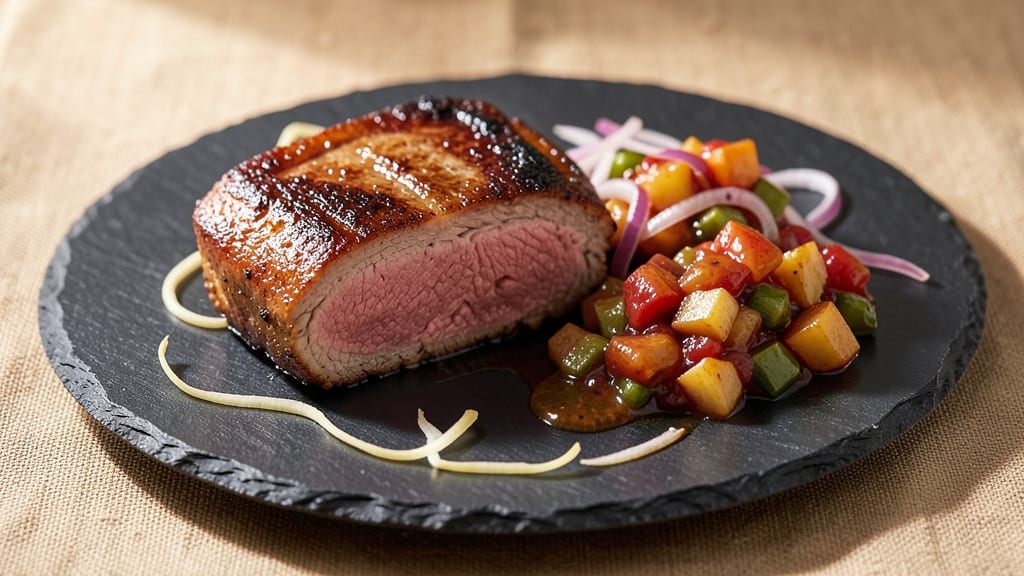
This apple chutney recipe for pork tenderloin transforms simple pork into a showstopper with caramelized edges and a sweet-tangy glaze that cuts through rich meat.
After years of perfecting this balance at The Smoky Pig, I can tell you the secret lies in slow-cooked apples and a touch of mustard for depth—no store-bought shortcuts needed. The chutney isn't just a side; it's the star that elevates every bite.
The technique starts with a 30-minute marinade of pork tenderloin in apple cider and spices, ensuring tender meat that won't dry out. While the pork roasts, the chutney simmers into a thick, glossy sauce with just the right caramelized sweetness and bright acidity.
This isn't your grandmother's chutney—it's a restaurant-quality glaze that pairs perfectly with the pork's natural richness.
What you'll end up with is perfectly tender pork with a glossy, caramelized crust, sliced into medallions that hold their shape. The apple chutney clings beautifully, offering a balance of sweet, tangy, and slightly spicy notes that complement rather than overpower.
The result? A dish that's elegant enough for dinner guests but simple enough for weeknight cooking.
Serve with roasted root vegetables or a crisp green salad to round out the meal. The chutney keeps well in the fridge for up to 5 days, so you can make a batch ahead and use it on other proteins too.
Let's get cooking—this is pork tenderloin you'll want to serve again and again.
Ingredients for apple chutney recipe for pork tenderloin
Sweet-tangy apples, bold spices, and tender pork—this chutney transforms simple ingredients into restaurant-quality magic.
| Ingredient | Amount | Notes |
|---|---|---|
| Pork Tenderloin 🥩 | 1 ½ lb | Center-cut for even cooking |
| Granny Smith Apples 🍎 | 2 whole | Peeled, cored, diced small |
| Red Delicious Apples 🍎 | 2 whole | Peeled, cored, diced small |
| Apple Cider Vinegar 🍏 | ½ cup | Bragg preferred for flavor |
| Yellow Onion 🧅 | 1 whole | Diced, medium size |
| Fresh Ginger 🌿 | 2 tbsp | Finely grated, fresh |
| Red Wine Vinegar 🍷 | ¼ cup | Dry variety preferred |
| Dijon Mustard 🍯 | 1 tbsp | High-quality, smooth |
| Brown Sugar 🍚 | ¼ cup | Light or dark, packed |
| Fresh Thyme Leaves 🌿 | 1 tbsp | Chopped, stems removed |
| Ground Black Pepper 🌶️ | ½ tsp | Freshly cracked |
| Sea Salt 🧂 | 1 tsp | Diamond Crystal preferred |
| Olive Oil 🫒 | 2 tbsp | Extra-virgin for richness |
| Honey 🍯 | 1 tbsp | Wildflower preferred |
The apples are the heart of this chutney, so pick firm, crisp Granny Smiths and Red Delicious—they hold up better to slow cooking. Local apple markets or Trader Joe's usually have great selections. If you can't find Granny Smiths, Fuji apples work too. For the pork, center-cut tenderloin is key—it stays juicy. Look for pieces with even thickness, about 1.5 inches around. The ginger should be fresh and aromatic—none of that rubbery stuff. If it smells sharp and bright, you're golden.
No Granny Smiths? Substitute Honeycrisp or Braeburn—they're sweeter but still hold their shape. Running low on apple cider vinegar? White vinegar with a pinch of sugar gets you close. The Dijon mustard is non-negotiable for depth—French's or Maille are my go-tos. For a touch more heat, add a pinch of cayenne. The chutney thickens as it cools, so start with slightly less sugar if you prefer it tangy. And if you're making this ahead, reduce the honey slightly—it intensifies over time.
This chutney keeps beautifully—5 days in the fridge sealed in a jar, or 3 months frozen in ice cube trays for single servings. The pork? Use within 2 days of purchase for best texture. For make-ahead meals, marinate the pork overnight—it develops deeper flavor. The chutney reheats perfectly, so double the batch and use it on chicken, salmon, or even roasted vegetables. Trust me, you'll want leftovers.
Why You'll Love This Recipe
- One-Pan Magic: I swear by this trick—just sear the pork, toss in the diced apples and onions, and let the vinegar do the work. No fancy sauces, no last-minute shopping: the chutney simmers right alongside the meat, turning my kitchen into a one-stop shop.
- Sweet-Savory Balance: That tangy Granny Smith bite cutting through the rich pork? Chef’s kiss. The Red Delicious adds natural sweetness, while the vinegar keeps it bright—like biting into a fall afternoon in apple orchard form. Honestly, the chutney alone would make me eat this twice in one sitting.
- Weeknight to Dinner Party: Same recipe, totally different vibes. Toss it on the grill for a backyard BBQ, or plate it with roasted potatoes for a fancified weeknight. I’ve even used leftover chutney to glaze pork chops the next day—zero waste, all flavor.
- Budget-Friendly Protein: Pork tenderloin’s lean but mighty, and this recipe stretches it far. A single chutney batch feeds four, and the apples? Often cheaper than store-bought sauces. Between us, I’ve made this for $10 and still felt like I hosted a gourmet dinner. (Yes, even on a Tuesday night.)
Step-by-step instructions for apple chutney pork tenderloin
Here's how to create a perfect balance of sweet, tangy, and savory flavors that transform simple pork into showstopping centerpiece.
Prepare the Pork Tenderloin for Even Cooking
Pat the 1.5 lb pork tenderloin completely dry with paper towels, focusing on the center-cut section where moisture tends to linger. This step is crucial—wet surfaces prevent proper browning and caramelization. Using your fingers, gently press along the length of the tenderloin to create shallow sear lines, about ¼-inch deep. These lines help the chutney penetrate more evenly during cooking.
Season immediately with 1 tsp sea salt and 0.5 tsp ground black pepper, rubbing the spices firmly into the meat. Let it sit at room temperature for 30 minutes before cooking. This resting period ensures even heat distribution, preventing any potential cold spots in the center that could result in undercooked pork. The seasoning will also adhere better, creating a flavorful crust that pairs perfectly with the chutney.
Sear the Pork for Maximum Flavor Foundation
Heat 2 tbsp olive oil in a large oven-safe skillet over medium-high heat until shimmering. Add the pork tenderloin and sear for 4-5 minutes per side until deeply golden brown. You'll know it's ready when the exterior develops a rich mahogany crust and releases easily from the pan. This initial sear locks in juices and builds a flavor base that the chutney will beautifully complement.
Transfer the seared pork to a plate and tent loosely with aluminum foil. Let it rest while you prepare the chutney—this brief pause allows the internal temperature to stabilize slightly before completing the cooking process. The residual heat will continue cooking the pork gently without overworking the meat.
Build the Chutney Base with Aromatics
In the same skillet (no need to clean it—the browned bits add depth), add the diced yellow onion and cook over medium heat for 5-6 minutes until softened and translucent. Add the 2 tbsp finely grated fresh ginger and cook for another 1 minute until fragrant. This aromatic foundation is where all the flavors will meld together beautifully.
Stir in the 2 whole Granny Smith apples and 2 whole Red Delicious apples (previously peeled, cored, and diced small), along with the 0.5 cup apple cider vinegar and 0.25 cup red wine vinegar. The acidity from the vinegars will begin breaking down the apple fibers right away, creating a jammy texture. Let this mixture simmer for 8-10 minutes until the apples soften but still retain some texture—you want them to break down just enough to release their juices and sweetness.
Develop the Sweet-Tangy Balance
Add the 0.25 cup brown sugar, 1 tbsp Dijon mustard, 1 tbsp chopped fresh thyme leaves, and 1 tbsp honey to the apple mixture. Stir well to combine, then reduce heat to medium-low and let it simmer for 10-12 minutes. The sugar will begin caramelizing slightly, deepening the color and adding complexity to the chutney. You're looking for a thick, syrupy consistency that coats the back of a spoon.
Taste and adjust the balance—if it needs more tang, add a splash of vinegar; if it needs sweetness, add a touch more honey. The chutney should be vibrant with both sweet and acidic notes, ready to complement the rich pork. Here's the thing—this is where the magic happens. The combination of the apples' natural sweetness with the vinegars' acidity creates that perfect harmony that makes this dish truly special.
Finish the Pork and Glaze to Perfection
Return the pork tenderloin to the skillet with the chutney mixture. Spoon the chutney generously over the pork, ensuring it coats all sides evenly. Transfer the skillet to a 400°F preheated oven and roast for 15-20 minutes (depending on thickness) until the internal temperature reaches 145°F for medium-rare or 155°F for medium doneness.
During the final 5 minutes of cooking, baste the pork with the pan juices and chutney every 2 minutes to ensure even glaze coverage. The chutney will caramelize beautifully, creating a glossy, sticky exterior that contrasts perfectly with the tender, juicy interior. Let the pork rest for 5 minutes before slicing—this resting period allows the juices to redistribute, ensuring each bite is moist and flavorful.
Pro Tips For Making Apple Chutney Recipe For Pork Tenderloin
- COOK APPLES IN BATCHES: I learned this the hard way—dumping all the apples into the pan at once means they steam instead of caramelize. Cut them into even ½-inch cubes first, then cook in two batches over medium-high heat. The second batch will crisp up faster once the pan has a head start.
- SALT THE PORK TWICE: Don’t go overboard on salt at once. Season the tenderloin generously before searing, then hit it again after resting. The first layer helps form a crust, while the second ensures flavor penetrates evenly—especially important since pork tenderloin is lean.
- REDUCE THE CHUTNEY LOW: After simmering the apples, onion, and vinegar, resist the urge to crank the heat. Let the chutney reduce on low for 8–10 minutes, stirring occasionally. This concentrates the flavors and thickens it just enough to cling to the pork without drowning it.
- USE COLD APPLE CIDER: Sounds weird, but it works: chill the apple cider vinegar for 10 minutes before adding it to the chutney. The cold liquid prevents the apples from turning mushy too fast and keeps the final texture bright and tangy—not dull or syrupy.
Dietary considerations for this dish
Gluten-Free Adaptation
This recipe is naturally gluten-free, but there are a few spots where cross-contamination could sneak in. Always use certified gluten-free Dijon mustard—brands like Maille or Annie's are safe choices. For the pork, if you're buying pre-seasoned tenderloin, check labels for hidden gluten in marinades.
I also recommend using a dedicated cast iron skillet that hasn't been used with gluten-containing foods unless thoroughly cleaned. 🌾
Dairy-Free Considerations
The original recipe doesn't contain dairy, but if you're serving it to guests with dairy sensitivities, double-check your olive oil brand—some are processed in facilities with dairy. For extra richness, you can substitute coconut oil for the olive oil, which works beautifully in this dish.
The chutney's sweet-tangy profile stands strong without dairy, making it a naturally inclusive option for many dietary needs. 🥥
Low-Sugar Options
For a lower-sugar version, reduce the brown sugar to 2 tablespoons and replace the remaining 1 tablespoon with monk fruit sweetener or erythritol. You'll also want to cut the honey to 1 teaspoon—this keeps the sweetness in check while maintaining the chutney's balance.
The apples' natural sweetness will still shine through, just with a more pronounced tang. 🍎
Vegetarian Protein Swap
While this dish is pork-focused, the apple chutney works beautifully with mushroom medallions or extra-firm tofu for a vegetarian version. For mushrooms, slice 1.5 lbs cremini or portobello mushrooms into ½-inch thick rounds and sear them just like the pork.
The chutney's acidity cuts through the earthiness perfectly. For tofu, press and pan-fry until crispy before glazing. 🍄
Allergen-Friendly Notes
This recipe is free from the top 9 allergens, but if you're preparing for someone with mustard allergies, simply omit the Dijon and increase the apple cider vinegar by 1 tablespoon for tang.
For ginger allergies, substitute with 1 teaspoon ground ginger (though fresh is preferred). Always verify ingredient labels—even "natural" products can have hidden allergens. 🚫🍯
Nutrition facts
Frequently asked questions
Can I use this chutney on other meats besides pork?
This apple chutney pairs beautifully with chicken thighs, duck breast, or even salmon fillets. For poultry, reduce cooking time to 10-12 minutes for medium doneness. The chutney's sweet-tangy balance works especially well with fatty proteins like duck, where the acidity helps cut through the richness.
How do I adjust the recipe for a larger crowd?
Double all ingredients for 8 servings, but use two 12-inch cast iron skillets to prevent crowding. For extra pork, increase to 3 lbs and roast at 375°F for 25-30 minutes, basting every 5 minutes. The chutney can be made in batches—simmer each portion separately and combine at the end for consistency.
What's the best way to reheat leftovers?
Slice the pork and chutney into ½-inch pieces, then reheat in a skillet over medium-low heat with 1 tbsp water for 3-4 minutes until warmed through. For the chutney alone, warm it in a saucepan over low heat for 2-3 minutes, stirring constantly to prevent scorching. Microwaving works too—just cover with a damp paper towel for 20 seconds.
Can I make the chutney ahead of time?
Yes! The chutney tastes even better after 24 hours as the flavors meld. Store it in an airtight container in the fridge for up to 5 days or freeze for 3 months. For the pork, marinate it overnight in ½ cup apple cider vinegar and spices, then cook fresh. The chutney reheats perfectly, so you can prep it days ahead and finish the dish quickly.
Why did my chutney turn out too sweet or too tangy?
Taste as you go! If it's too sweet, add 1 tbsp vinegar and simmer for 2 minutes. Too tangy? Stir in 1 tsp honey and cook for 1 minute to balance. The key is adjusting while warm—the flavors intensify as it cools. For future batches, use 1:1 ratio of sugar to vinegar as a starting point and adjust to taste.