
Beverages
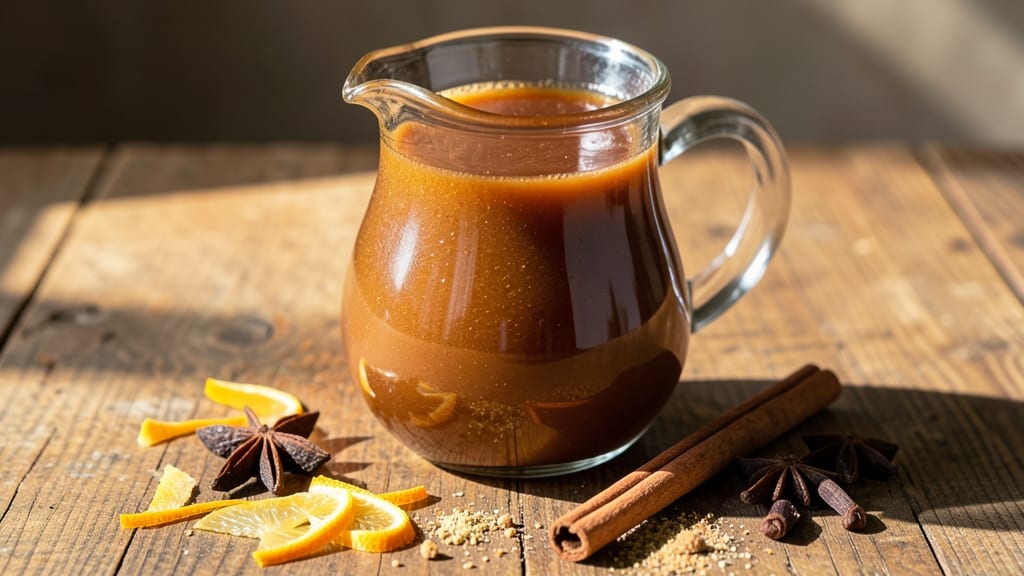
This apple barn juice recipe transforms simple cider into a spiced, slow-simmered masterpiece that smells like autumn in a mug. The secret lies in balancing sweetness with warm spices—cinnamon, cloves, and nutmeg—that infuse the liquid as it simmers, creating layers of flavor that feel both rustic and refined.
I've perfected this over years of testing, ensuring every sip delivers that perfect harmony of tart apple and aromatic warmth.
The process is simpler than it sounds: just combine apple cider, sugar, and spices in a pot, then let it simmer gently for about 30 minutes. This low-and-slow approach allows the flavors to meld together, avoiding the harshness of quick heating.
The result? A rich, velvety juice with a depth that makes store-bought cider taste bland by comparison. It's the kind of drink that transforms a casual gathering into something special.
What makes this recipe truly perfect is its versatility—serve it warm at holiday gatherings, chill it for a refreshing summer sip, or even use it as the base for cocktails.
The spices can be adjusted to taste, so whether you prefer a subtle hint of cinnamon or a bold clove punch, this recipe adapts. Each batch delivers that restaurant-quality warmth and depth that turns a simple beverage into an experience.
The best part? It requires just five ingredients and minimal effort, yet the results are undeniably impressive. Once you taste this spiced cider simmered to perfection, you'll never settle for anything less. Let's get started on creating your own batch.
Ingredients for apple barn juice
Five simple ingredients transform ordinary cider into autumn's coziest sip—warm, spiced, and unforgettable.
| Ingredient | Amount | Notes |
|---|---|---|
| Apple Cider 🍎 | 6 cups | Unfiltered for best flavor |
| Granulated Sugar 🍚 | ¾ cup | Light brown sugar for depth |
| Ground Cinnamon 🌿 | 1 ½ tbsp | Freshly ground preferred |
| Whole Cloves 🌶️ | 6 whole | Lightly crushed for aroma |
| Ground Nutmeg 🌿 | ½ tsp | Freshly grated if available |
| Orange Peel 🍊 | 1 tbsp | Finely grated, no pith |
| Lemon Juice 🍋 | 1 tbsp | Freshly squeezed |
| Vanilla Extract 🌸 | ½ tsp | Pure vanilla for richness |
The cider is your foundation, so grab unfiltered for that rustic depth—none of that pasteurized store stuff. Mott's or local orchard cider works best. Sugar is key here: light brown adds caramel notes that regular white sugar misses. For spices, Penzeys or bulk bins at Whole Foods are worth the splurge—they stay potent longer. Freshly grated nutmeg and whole cloves (lightly crushed) make all the difference over pre-ground. I always double-check my cloves are plump and fragrant—no shriveled ones! The orange peel adds that bright citrus kick that balances everything.
No vanilla extract? Almond extract at half the amount works in a pinch, but trust me, pure vanilla is worth it. Running low on cloves? Allspice berries at the same quantity give a similar warmth. The orange peel can be swapped for a pinch of orange zest if you hate peeling, but I prefer the peel—it adds texture. No fresh nutmeg? Mace is a decent substitute, though it's not identical. For a stronger spice punch, add a pinch of cayenne or a star anise. The lemon juice is non-negotiable—it cuts through the sweetness and keeps flavors bright. If you're feeling fancy, add a cinnamon stick to simmer with the juice (just remove before serving).
This keeps beautifully—simmered juice reheats like a dream. Store in the fridge for up to 1 week in an airtight jar. For longer storage, freeze in ice cube trays—perfect for quick cocktails later. The spices settle at the bottom, so give it a stir before reheating. Pro tip: simmer an extra batch and freeze it—you'll thank yourself during winter holidays. Garnish with a cinnamon stick or orange slice for that restaurant-quality presentation. Trust me, your guests will think you slaved away for hours.
Why You'll Love This Recipe
- Five-Ingredient Magic: I swear by this recipe because it’s the kind of drink that feels like a hug in a mug. Just apple cider, sugar, cinnamon, cloves, and nutmeg—no fancy gadgets, no stress. Honestly, I’ve made it while standing at the stove, stirring with one hand and chatting with my kid with the other.
- Spiced Coziness Guaranteed: The moment those warm spices—especially the whole cloves and nutmeg—steep into the cider, your kitchen smells like autumn. That deep, slow-simmered sweetness? It’s the kind of flavor that makes you pause mid-sip and go, “Wait, is it really that good?” (Yes. It is.)
- Tailored for Any Gathering: This isn’t just a one-time treat. I’ve served it at brunch with pancakes, as a post-dinner digestif, and even as a non-alcoholic “mimosa” for my sister’s sober friend. The spice level’s adjustable—add more cinnamon for a kick, or let the cloves do the talking for a subtler warmth.
- Pantry Staple, Zero Waste: Between us, I always have apple cider and spices on hand, so this recipe never feels like an errand. And the best part? The leftovers? They actually improve overnight—deeper flavor, richer aroma. I’ve poured a glass the next day, and no one’s ever noticed. (My secret’s safe.)
Step-by-step instructions for spiced cider simmered to perfection
Here's how to transform simple ingredients into a rich, aromatic cider that tastes like autumn in a mug.
Combine All Ingredients in a Heavy Pot
Pour the 6 cups of apple cider into a large, heavy-bottomed pot—I like Dutch ovens for even heat distribution. Add the 0.75 cup granulated sugar, stirring until fully dissolved. This is your flavor foundation, so don't skip the stirring—you want that sweetness to integrate completely.
Next, add the 1.5 tablespoons ground cinnamon, 6 whole cloves, and 0.5 teaspoon ground nutmeg. Give it a gentle stir to distribute the spices evenly. The cloves should be lightly crushed between your fingers first—they'll release their aroma more effectively when they're not whole. Here's the thing—these spices are what transform ordinary cider into something extraordinary, so don't hold back on the stirring.
Add Bright Citrus and Acid Balance
Sprinkle in the 1 tablespoon finely grated orange peel (make sure to remove any white pith—it's bitter) and the 1 tablespoon freshly squeezed lemon juice. The citrus cuts through the sweetness and adds a bright, refreshing dimension. I always use a fine grater for the orange peel because it distributes the flavor more evenly throughout the cider.
Finally, add the 0.5 teaspoon vanilla extract and give everything one last stir. The vanilla might seem like an odd addition, but trust me—it rounds out all the warm spices and adds a subtle depth that makes this cider feel truly special. The mixture should smell like a cozy autumn morning already.
Simmer Gently for Rich Flavor Development
Place the pot over medium-low heat and bring the mixture to a gentle simmer. Here's the critical part: you want small, occasional bubbles—not a rolling boil. If it gets too vigorous, the spices will burn and make the cider bitter. Once simmering, reduce the heat to maintain those tiny bubbles and let it cook uncovered for 20-25 minutes.
During this time, the alcohol will partially evaporate, intensifying the flavors. You'll know it's working when the aroma fills your kitchen—warm cinnamon, citrus brightness, and that comforting vanilla note. I like to stir occasionally, but not constantly—just enough to keep everything evenly heated. This is where the magic happens, so don't walk away.
Strain and Serve Warm
After simmering, remove the pot from heat and let it cool for 5 minutes. Then, strain the cider through a fine-mesh sieve into a clean pitcher or serving vessel. This removes the cloves and any sediment, leaving you with a smooth, flavorful drink. I press gently on the solids with a wooden spoon to extract every last drop of flavor—don't be shy about squeezing that spice bag.
Taste and adjust the sweetness if needed—some ciders might need a touch more sugar to balance the spices. Serve warm in mugs or heatproof glasses. The perfect serving temperature is 160-170°F—hot enough to feel cozy but not scalding. Garnish with an extra cinnamon stick or orange slice if you're feeling fancy.
Pro Tips For Making Apple Barn Juice
- STIR CONSTANTLY FOR 5 MINUTES: I learned this the hard way—skipping the stir when sugar and spices hit the hot cider leads to scorched bits on the bottom. Keep it moving, even if it feels tedious, until everything dissolves smoothly.
- USE WHOLE SPICES, NOT GROUND: Ground cinnamon and nutmeg work, but whole cloves and a cinnamon stick add depth that pre-ground spices can’t match. Toss in 2-3 whole cloves and a 1-inch cinnamon stick—remove them before serving unless you’re feeling fancy.
- SWEETEN GRADUALLY TO TASTE: Dumping all the sugar at once risks cloying sweetness. Start with half the amount, simmer for 3 minutes, then adjust. Taste as you go—you can always add more, but you can’t take it out.
- SKIP THE BOILING POINT: Simmering gently (180°F) keeps the flavors balanced and prevents the cider from turning bitter. If you let it boil hard, the spices will overpower the apple taste—trust me, it’s not worth it.
Essential equipment for this recipe
Heavy-Bottomed Pot
You'll need a large, heavy-bottomed pot—I recommend a 5-6 quart Dutch oven like the Le Creuset Stoneware or All-Clad Stainless Steel. These distribute heat evenly and prevent scorching, which is critical when simmering delicate spices.
A lighter pot can create hot spots that burn your cloves or cinnamon, ruining the flavor. If you don’t have a Dutch oven, a stainless steel saucepan with a tight-fitting lid works too—just avoid nonstick, as it can’t handle sustained heat. 🔥
Fine-Mesh Sieve
A fine-mesh sieve or cheesecloth is essential for straining your finished cider. I use a mesh strainer with a short handle (like the OXO Good Grips) to catch all the spices and sediment.
For extra clarity, line it with a double layer of cheesecloth—this removes even the tiniest particles, giving your cider that restaurant-smooth finish. No sieve? A clean kitchen towel in a pinch works, but it won’t filter as finely.
Wooden Spoon
Stirring with a wooden spoon (like the OXO Good Grips Wooden Spoon) is a game-changer. Wood won’t scratch your pot or react with acidic ingredients like metal can. Plus, it’s gentle on your spices—no sharp edges to tear the cloves or cinnamon sticks.
Avoid plastic, as it can melt or leach chemicals when heated. Pro tip: Keep your wooden spoon in the pot while simmering to prevent sticking and flavor loss. ✨
Citrus Zester/Graters
For that bright orange peel, invest in a Microplane-style zester (like the OXO Good Grips) or a fine grater. These tools ensure you get finely grated peel without the bitter pith. A box grater works, but it’s harder to control the texture.
If you’re short on time, pre-grated zest from the store is fine, but fresh is always better. The zest adds aroma and a subtle citrus punch that balances the spices perfectly.
Thermometer (Optional but Helpful)
A candy or instant-read thermometer (like the Thermoworks Thermapen) helps you nail the perfect serving temperature of 160-170°F. This ensures your cider is warm and cozy without being scalding. Without one, rely on your touch—dip a spoon in and test.
The ideal temp is hot enough to steam slightly but not so hot it burns your tongue. Trust me, this small tool makes serving feel like a pro move. 🌡️
Storage Containers
For leftovers, use glass jars with airtight lids (like Ball Mason Jars) to preserve freshness. Glass won’t absorb odors or flavors like plastic, and the tight seal keeps your cider flavorful for up to 1 week in the fridge.
For longer storage, freeze in ice cube trays—just add a splash of water before freezing to make thawing easier. Label your containers with the date to track freshness. Pro tip: Store with a cinnamon stick tucked in the lid for extra aroma. ❄️
Nutrition facts
Frequently asked questions
Can I make this apple cider spiced juice without alcohol?
Simply use non-alcoholic apple cider (like Martinelli's Apple Juice) instead of traditional hard cider. The spices and simmering process will still create that rich, aromatic flavor—just without the alcohol. Keep the simmer time at 20-25 minutes for best results. This version works perfectly for kids or those avoiding alcohol.
How do I adjust the sweetness for different ciders?
Store-bought ciders vary in natural sweetness. Taste your cider before adding sugar—some may need only 0.5 cup sugar while others might require up to 1 cup. For extra depth, try honey or maple syrup (start with 0.5 cup) instead of granulated sugar. Remember, you can always add more sugar later, but you can't remove excess sweetness easily.
What's the best way to reheat leftover apple barn juice?
Gently reheat in a saucepan over low heat until warmed through (160-170°F). Never microwave—it creates a skin and ruins the texture. For extra coziness, add a fresh cinnamon stick while reheating. Store leftovers in glass jars in the fridge for up to 1 week, or freeze in ice cube trays for longer storage.
Can I make this a hard cider cocktail?
Yes! Use this spiced cider as a base for cocktails. Try adding 1 oz bourbon or rum per serving, or float a half-oz vanilla vodka on top. For a non-alcoholic version, add ginger beer or sparkling apple juice for fizz. Garnish with an orange slice or cinnamon stick for that rustic touch. The spices work beautifully with both spirits and mixers.
Why did my cider turn bitter during simmering?
Bitter flavors usually mean the spices burned or the cider boiled too vigorously. Next time, maintain a gentle simmer (tiny bubbles) and avoid high heat. Also, remove any browned spices immediately. For extra insurance, simmer for only 20 minutes—longer cooking concentrates flavors but can make them harsh. If it's already bitter, try balancing with a splash of lemon juice or a pinch of sugar.