
Desserts
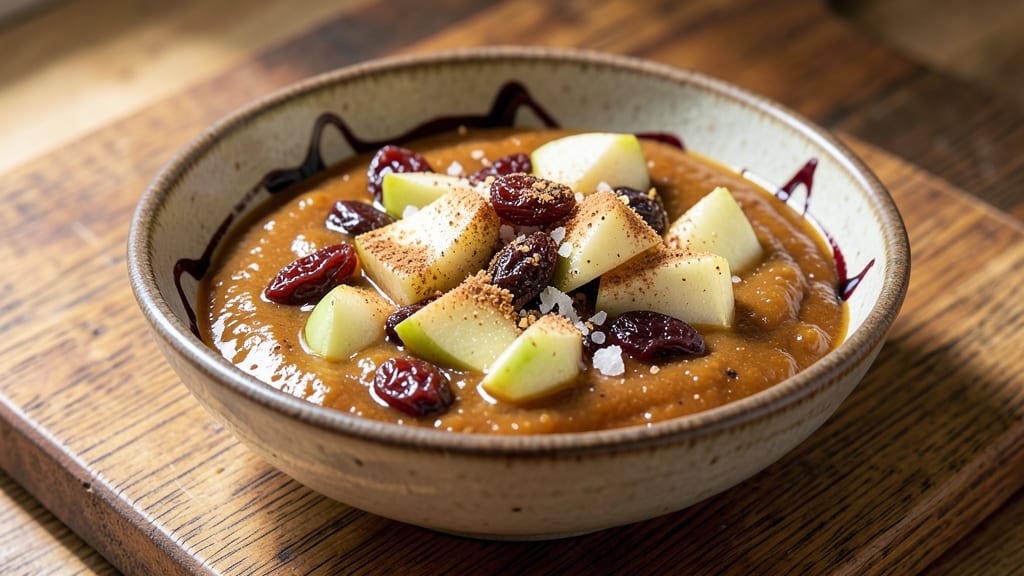
This apple and raisin chutney recipe transforms simple pantries into a flavor powerhouse, blending sweet apples and plump raisins with warm spices into a versatile condiment that elevates everything from cheese boards to grilled meats.
The secret lies in simmering the fruit until tender, then blending it with vinegar and spices to create a thick, spreadable consistency that’s both vibrant and complex. Unlike store-bought versions, this homemade chutney develops deeper flavor with time, making it a gift-worthy staple.
The beauty of this chutney is its perfect balance—sweet from the fruit, tangy from the vinegar, and aromatic from cinnamon and ginger, all coming together in a smooth, slightly chunky texture.
It requires just 30 minutes of active time but rewards you with a condiment that keeps beautifully in the fridge for up to 2 weeks or can be preserved longer with proper canning. The recipe is designed to be foolproof, ensuring you’ll achieve that ideal consistency every time without guesswork.
What makes this chutney truly special is its versatility—spread it on toast, drizzle it over yogurt, or pair it with sharp cheeses like aged gouda or blue cheese. The spices mellow slightly as it sits, allowing the natural sweetness of the apples and raisins to shine through.
Each batch delivers a restaurant-quality finish that’s impossible to replicate with pre-made alternatives, making it worth the effort for any home cook.
For those who love customization, you can adjust the sweetness by reducing sugar or adding a pinch of chili powder for heat. The recipe scales easily, so double it for gifts or entertaining.
Whether you’re a seasoned cook or a beginner, this chutney will become a go-to addition to your kitchen repertoire.
Ingredients for apple and raisin chutney
Nine simple ingredients for a chutney that's restaurant-quality and perfect for gifts.
| Ingredient | Amount | Notes |
|---|---|---|
| Granny Smith Apples 🍎 | 4 medium | Peeled, cored, chopped small |
| Golden Raisins 🍇 | 1 ½ cups | Plump, not dried out |
| Red Wine Vinegar 🍷 | ½ cup | Balsamic works too |
| Granulated Sugar 🍚 | 1 cup | Adjust to taste |
| Ground Cinnamon 🌿 | 1 tsp | Freshly ground preferred |
| Ground Ginger 🍃 | 1 tsp | Fresh grated works too |
| Ground Cloves 🌶️ | ¼ tsp | Use sparingly |
| Salt 🧂 | ½ tsp | Kosher or sea salt |
| Extra-Virgin Olive Oil 🫒 | 2 tbsp | For richness |
Apples are the foundation—Granny Smith gives that bright, tangy kick, but Honeycrisp or Fuji work too if that's what's on sale. Trader Joe's usually has good apples year-round, and their raisins are consistently plump. The vinegar matters here: red wine vinegar has complexity, but apple cider vinegar adds a nice fruity note. For cinnamon, Penzeys or McCormick are my go-tos—they stay potent longer. If you're feeling fancy, toast your spices in a dry pan for 30 seconds before adding to the chutney—it wakes up their flavors.
No Granny Smith apples? Any tart apple works—just expect slightly less tang. Raisins too dry? Soak them in warm water for 10 minutes first. Vinegar substitute? Lemon juice at half the amount adds brightness but lacks depth. Want it sweeter? Add another tablespoon of sugar. Less sweet? Reduce to 3/4 cup. The olive oil might seem odd, but it keeps the chutney glossy and helps it spread beautifully. Avocado oil works too if you prefer a neutral taste. And if you're feeling spicy, a pinch of cayenne at the end adds a nice kick.
This keeps for 2 weeks in the fridge, sealed tight in a jar. For longer storage, transfer to sterilized jars and process in a water bath for 15 minutes—can last 6-12 months unopened. I like to portion mine into small jars for gifts—just add a pretty ribbon and you've got a stunning present. The chutney actually gets better over time as the flavors meld. If it thickens too much, stir in a splash of water or vinegar to loosen it up.
Why You'll Love This Recipe
- No Chopping Nightmare: I swear by this recipe because it only asks for diced apples—not sliced, not julienned, just rough chunks. Toss in the raisins and vinegar, let it simmer, and you’re done. Even my lazy Sundays feel productive.
- Sweet-Tart Magic: That tangy red wine vinegar cutting through the Granny Smith’s sharpness? Chef’s kiss. The raisins plump up just enough to add a caramelized bite, while the cinnamon ties it all together like a cozy hug in sauce form.
- Party in a Jar: This chutney plays well with everything—spread it on toast, dollop it on cheese boards, or stir it into yogurt. I’ve even used it to glaze roasted pork. Honestly, it’s the kind of versatile condiment that makes you feel like a culinary chameleon.
- Lasts All Week: Make a big batch—it keeps for weeks in the fridge. No sad leftovers here; the flavors deepen over time. Plus, sugar and vinegar are cheap, so you’re basically getting gourmet for pennies. Win-win.
Step-by-step instructions for apple and raisin chutney
Here's how to craft this balanced sweet-spiced chutney with vibrant texture and depth.
🍳 Step 1: Sauté the Apples Until Tender
Heat the 2 tablespoons extra-virgin olive oil in a medium saucepan over medium heat. Add the 4 medium Granny Smith Apples (already peeled, cored, and chopped small) and cook for 5-6 minutes, stirring occasionally. You'll see the edges begin to soften and the apples release their juices.
This initial cooking step is crucial—it breaks down the apple fibers so they blend smoothly later. If the apples stick to the pan, add a splash of water and scrape up any browned bits from the bottom. These caramelized bits add wonderful depth to the chutney. Keep the heat steady; you're aiming for tender but not mushy apples at this stage.
🍳 Step 2: Add Raisins and Vinegar for Depth
Stir in the 1.5 cups Golden Raisins and 0.5 cup Red Wine Vinegar, then increase the heat to medium-high. Bring the mixture to a gentle boil, then immediately reduce to medium-low heat. Let it simmer uncovered for 10 minutes, stirring occasionally.
The raisins will plump up as they absorb the vinegar and apple juices. You'll notice the mixture darkening slightly and developing a fragrant aroma—this is where the flavors start to meld. If the mixture seems too thick, add 1-2 tablespoons of water to keep it loose enough to stir easily. The vinegar helps balance the sweetness while adding a bright tang that cuts through the richness.
🍳 Step 3: Build the Sweet-Spiced Base
In a small bowl, whisk together the 1 cup Granulated Sugar, 1 teaspoon Ground Cinnamon, 1 teaspoon Ground Ginger, 0.25 teaspoon Ground Cloves, and 0.5 teaspoon Salt. Sprinkle this spice mixture evenly over the simmering apple and raisin mixture in the pan.
Stir gently to distribute the spices evenly. The mixture will bubble vigorously at first—this is normal as the spices bloom and release their aromas. Let it cook uncovered for another 10-12 minutes, stirring occasionally, until the apples are completely tender and the mixture has thickened noticeably. You're looking for a consistency that coats the back of a spoon but still flows smoothly.
⏰ Step 4: Simmer to Perfection and Finish
Continue simmering the chutney at medium-low heat for 15-20 minutes, stirring occasionally. This final simmering time allows the flavors to meld completely and the mixture to reduce to your desired consistency. You'll know it's ready when the chutney coats a spoon but isn't syrupy—it should hold its shape when dropped from a spoon but still be spreadable.
For a glossy finish, stir in 1 tablespoon of Red Wine Vinegar (if needed) and taste. Adjust the sweetness by adding more sugar, 1 teaspoon at a time, or balance the flavors with another ½ teaspoon of salt if needed. The perfect chutney should have a harmonious balance of sweet, tart, and spicy notes with tender fruit throughout.
🍽️ Step 5: Cool and Store for Best Results
Remove the pan from heat and let the chutney cool completely at room temperature. This resting period allows the flavors to settle and the texture to set properly. Once cooled, transfer the chutney to a clean, airtight container. It will keep in the refrigerator for up to 3 weeks, though the flavors actually improve over time as they meld together.
For serving, let the chutney come to room temperature before spooning it onto your favorite cheese board, pairing it with sharp cheeses like aged cheddar or goat cheese, or using it as a glaze for roasted meats. The perfect chutney should be vibrant in color, with visible tender apple pieces and plump raisins throughout, offering a delightful contrast of textures with every bite.
Pro Tips For Making Apple And Raisin Chutney
- Peel the Apples: DESCRIPTION: Skip the core and peel only the bruised or tough spots—Granny Smiths stay crisp and bright when you leave the rest intact. I used to go full strip-and-slice, but the texture suffers; now I just scrub and nick out the bad bits with a paring knife.
- Soak Raisins First: DESCRIPTION: Toss the golden raisins in warm water for 10 minutes before adding them to the pot. They’ll plump up and release their sweetness faster, so you won’t need to compensate with extra sugar later—trust me, your chutney won’t turn into syrup.
- Simmer Low and Slow: DESCRIPTION: After the initial boil, drop the heat to a bare simmer and let it bubble gently for 20-25 minutes. Rushing it on high heat turns the apples mushy and the vinegar sharp; low and steady gives you that perfect jammy texture without burning the spices.
- Add Vinegar Last: DESCRIPTION: Stir in the red wine vinegar only in the final 5 minutes of cooking. This keeps the bright acidity from cooking off into oblivion—your chutney will taste tangy and fresh, not dull and flat. (Yes, even if you’re impatient like me.)
Perfect pairings for this apple and raisin chutney
Cheese Board Essentials
This chutney shines brightest when paired with sharp, aged cheeses that stand up to its sweet-spiced complexity. I love serving it alongside aged Gouda (at least 2 years aged) for its nutty depth, or blue cheese like Gorgonzola Dolce for a creamy contrast.
For a vegetarian spread, try goat cheese with a dollop of chutney and a drizzle of honey. The acidity in the chutney cuts through the richness, creating a perfect balance. 🧀
Meat Pairings
Grilled or roasted meats become showstoppers with this chutney as a glaze or dipping sauce. I brush it onto pork tenderloin during the last 10 minutes of grilling for a caramelized finish, or serve it alongside lamb chops to complement their earthy flavors.
For poultry, try spooning it over roasted chicken thighs before serving—it clings beautifully and adds a sweet-spiced dimension. The vinegar in the chutney tenderizes slightly, making it ideal for tougher cuts.
Bread and Cracker Combinations
No cheese board is complete without the right breads to scoop up this chutney. I reach for crusty sourdough or brioche for their buttery richness, but water crackers or rye crisps add a satisfying crunch.
For a gourmet touch, pair with rosemary focaccia—the herbal notes in the bread complement the cinnamon and ginger in the chutney. Warm the bread slightly before serving to enhance its aroma and texture.
Sweet Applications
Don't limit this chutney to savory dishes—it's equally magical in sweet pairings! Spread it on toasted brioche with a sprinkle of flaky sea salt for breakfast, or dollop it onto vanilla ice cream for a warm, spiced contrast.
I also love using it as a filling for crepes with a layer of whipped cream. The raisins add natural sweetness while the spices warm up the dessert experience. 🍰
Global Flavor Twists
For a fusion twist, try pairing this chutney with Indian paneer tikka—the spiced yogurt curds and chutney create a perfect harmony. In Middle Eastern spreads, serve it alongside hummus and baba ganoush for a sweet-savory contrast.
For a Mexican-inspired plate, combine it with queso fresco and avocado slices. The chutney's versatility makes it a bridge between cuisines, adapting beautifully to different flavor profiles.
Drink Pairings
To complement the chutney's sweet-spiced notes, I recommend a crisp Sauvignon Blanc with its citrusy brightness, or a dry Riesling for a touch of minerality. For beer lovers, a Belgian witbier like Hoegaarden adds a refreshing contrast with its coriander and orange peel notes.
If you prefer spirits, a gin and tonic with a splash of apple juice mirrors the chutney's apple-forward flavor. The effervescence helps cleanse the palate between bites. 🍷
Nutrition facts
Frequently asked questions
Can I use different types of apples for this chutney?
While Granny Smith apples work best for their tartness, you can substitute with Honeycrisp, Fuji, or Braeburn apples. Just note that sweeter apples will make the chutney less tangy. For extra depth, try a mix of tart and sweet varieties. The key is to choose firm apples that hold their shape during cooking.
How do I adjust the sweetness if I prefer it less sugary?
Start by reducing the sugar to ¾ cup instead of 1 cup. Taste the chutney after simmering and adjust by adding 1 teaspoon at a time until balanced. For a natural sweetener, replace ½ cup sugar with ½ cup honey or maple syrup—it adds subtle floral notes. The vinegar will help balance any remaining sweetness.
Why does my chutney turn out too thick or too thin?
Thin chutney? Simmer uncovered for 5-10 extra minutes to reduce the liquid. Too thick? Stir in 1-2 tablespoons of water or vinegar while warm. For future batches, monitor the consistency closely after adding spices—this is when it thickens most dramatically. If using softer apples, they may release more liquid, requiring longer simmering time.
Can I make this chutney without vinegar?
Vinegar is essential for balancing sweetness and adding tang, but you can substitute ½ cup lemon juice for the vinegar. However, the flavor will be more citrus-forward. For a vinegar-free version, add ½ teaspoon of mustard powder to enhance depth, though the texture may be slightly less glossy. The chutney will still be delicious but with a different profile.
How long does homemade chutney last, and can I freeze it?
This chutney keeps for 3 weeks in the fridge when stored in an airtight container. For longer storage, transfer to sterilized jars and process in a water bath for 15 minutes—it will last 6-12 months unopened. Freezing isn't recommended as it can alter the texture. If freezing is necessary, portion into ice cube trays, freeze, then transfer to a bag for up to 3 months.