
Beverages
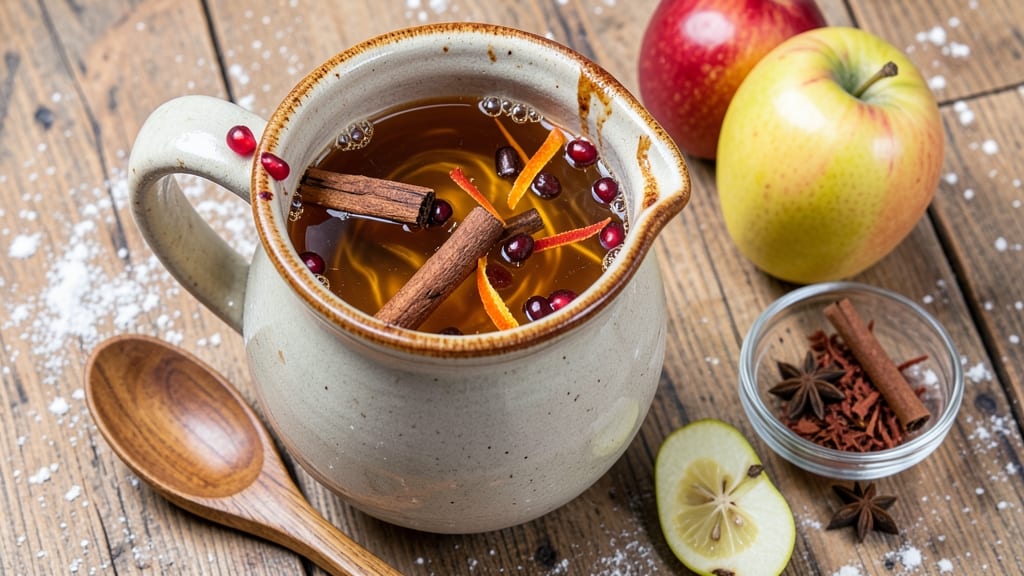
This apple and pear cider recipe captures the essence of autumn in every sip—warm, aromatic, and perfectly balanced between sweet and tart. The secret lies in combining ripe apples and pears with traditional spices like cinnamon and cloves, creating a beverage that’s both comforting and sophisticated.
Unlike store-bought versions, this recipe lets you control the sweetness and depth of flavor, ensuring a drink that tastes like harvest season.
Whether you’re making a small batch for a cozy evening or a larger quantity for gatherings, the process is straightforward yet rewarding. We’ll guide you through selecting the right fruits, infusing them with spices, and simmering them to create a rich, fragrant base.
The result is a cider that’s versatile—enjoy it warm, use it in cocktails, or even incorporate it into baking for an extra layer of flavor.
The beauty of this recipe is its adaptability. You can experiment with different spices like nutmeg or star anise, or even add a splash of apple cider vinegar for a tangy twist.
For those interested in fermentation, we’ll include optional steps to turn your cider into a lightly effervescent drink, perfect for sipping on chilly nights.
This cider isn’t just a drink—it’s a celebration of autumn’s flavors, crafted with care and simplicity. Whether you’re sipping it by a fire or sharing it at a holiday table, it’s a recipe that brings warmth and harmony to any occasion. Let’s get started on creating your perfect batch.
Ingredients for apple and pear cider
Sweet apples, juicy pears, and warm spices—this cider tastes like autumn in a mug.
| Ingredient | Amount | Notes |
|---|---|---|
| Apples 🍎 | 4 whole | Sweet-tart variety like Honeycrisp |
| Pears 🍐 | 2 whole | Ripe Bosc or Anjou pears |
| Cinnamon Sticks 🍃 | 3 whole | 2-inch sticks preferred |
| Whole Cloves 🌶️ | 4 whole | Freshly ground preferred |
| Orange Peel 🍊 | 1 tbsp | Dried, organic preferred |
| Fresh Ginger 🌿 | 1 tbsp | Grate finely, fresh only |
| Apple Cider Vinegar 🍶 | ½ cup | Raw, unfiltered preferred |
| Brown Sugar 🍚 | ½ cup | Light or dark variety |
| Water 💧 | 4 cups | Filtered preferred |
| Star Anise 🌟 | 1 whole | Optional, for depth |
| Salt 🧂 | ½ tsp | Fine sea salt |
The apples and pears are the stars here. Honeycrisp apples add sweetness while Bosc pears bring tartness—together they create that perfect autumn balance. Grab them at Whole Foods or your local farmers market if you can, but grocery store varieties work too. Look for firm, ripe fruit with no bruising. For the spices, Penzeys has great whole spices, but the regular grocery store section works fine. Just make sure your cinnamon sticks are fresh—you can tell by the vibrant color and strong aroma. If you're feeling fancy, Trader Joe's carries organic dried orange peel that adds a lovely citrus note.
No star anise? Skip it or double the cinnamon—it's not critical, just adds depth. Running low on brown sugar? White sugar works in a pinch, but brown gives that caramel undertone. Fresh ginger is ideal, but if you're using dried, reduce to half the amount. The orange peel can be substituted with a splash of fresh orange juice if you don't have dried. For a tangier cider, add an extra tablespoon of apple cider vinegar. And if you're fermenting later, use raw, unfiltered vinegar—it has live cultures that help kickstart fermentation.
This cider keeps beautifully in the fridge for 1 week if you're drinking it fresh, but it actually gets better after 2-3 days as the flavors meld. For fermentation, pour into a clean glass jar and leave at room temperature for 3-5 days, then refrigerate to stop the process. The bubbles will be gentle but noticeable. Store fermented batches in the fridge for up to 2 weeks. I always make extra—it's perfect for holiday gifts. Just pour into pretty bottles with a ribbon, and everyone will think you're a cider-making genius.
Why You'll Love This Recipe
- No Peel, No Stress: I swear by this—just toss in whole apples and pears with their skins on. The cinnamon sticks and cloves infuse the flavor without any extra work, and the orange peel adds that bright zing without peeling a single segment. Honestly, I make this while scrolling through my phone.
- Spiced Perfection: That first sip? Warm, sweet, and just a little bit mysterious thanks to the cloves and cinnamon. The apples and pears soften into something silky, while the orange peel keeps it from tasting like dessert—more like a cozy hug in a mug. (Yes, even on a Tuesday night.)
- Weekend or Weeknight: This cider is my go-to for lazy Sundays or when unexpected company drops by. It’s ready in under an hour, and the leftovers? Even better the next day—just reheat and add a splash of water if it’s too thick. My daughter picks out the cinnamon sticks first thing in the morning.
- Pantry Magic: Between us, this recipe uses ingredients you probably already have. Apples and pears go bad too fast, so turning them into cider is my way of not wasting them. The spices cost pennies, and the orange peel? That’s just the rind from the fruit you’re already eating. Budget-friendly doesn’t get much better than this.
Step-by-step instructions for apple and pear cider
Here's how to craft aromatic, naturally sweetened cider that captures autumn's essence.
Prepare and Simmer the Fruit Base
Core the 4 whole Apples and 2 whole Pears, then cut them into ½-inch chunks. This size ensures even cooking without turning to mush. Transfer the fruit to a large pot and add the 4 cups Water. Bring to a boil over medium-high heat, then immediately reduce to a gentle simmer.
Simmer uncovered for 15-20 minutes until the fruit softens and releases its juices. You'll notice the liquid turns pale golden and fragrant—this is when the fruit's natural sugars begin to dissolve. Stir occasionally to prevent sticking, especially at the bottom where fruit tends to caramelize.
Add Spices and Sweetener
While the fruit simmers, prepare the spice blend by lightly crushing the 3 whole Cinnamon Sticks with a rolling pin (just enough to release aroma). Add these to the pot along with the 4 whole Whole Cloves, 1 tbsp Orange Peel, 1 tbsp Fresh Ginger, 1 whole Star Anise, and 0.5 tsp Salt. Stir gently to distribute the spices evenly.
Next, whisk in the 0.5 cup Brown Sugar and 0.5 cup Apple Cider Vinegar. The vinegar adds tangy brightness while balancing the sweetness. Simmer the mixture for another 10 minutes, stirring occasionally. You'll see the spices infuse the liquid with warm, earthy aromas—this is where the cider's signature depth develops.
Strain and Cool the Cider
Line a fine-mesh strainer with cheesecloth or a clean kitchen towel and place it over a large bowl or pitcher. Carefully pour the spiced fruit mixture through the strainer, pressing gently on the solids with a wooden spoon to extract maximum liquid. Discard the fruit and spices—they've done their job infusing flavor.
The strained liquid should be a rich amber color with visible flecks of spice. Let it cool to room temperature, then refrigerate for at least 1 hour to enhance the flavors. This chilling step also helps the natural effervescence develop slightly, giving it a more refreshing quality.
Serve and Enjoy
Pour the chilled cider into glasses over ice for a refreshing autumn beverage. The cider should have a perfect balance of sweetness from the fruit and brown sugar, with bright acidity from the apple cider vinegar. Each sip should deliver warm cinnamon, subtle ginger heat, and a hint of citrus from the orange peel.
For best results, serve within 3-4 days for peak flavor. If you prefer a smoother texture, strain through a coffee filter after chilling to remove any remaining fine particles. This cider pairs beautifully with spiced desserts or as a refreshing accompaniment to hearty autumn meals.
Pro Tips For Making Apple And Pear Cider
- PEEL ORANGE THINLY: Use a vegetable peeler—not a knife—to strip just the colored layer of the orange peel. Thick strips turn bitter and overpower the cider, while thin ones release bright citrus notes without dominating. (Yes, even if you’re impatient like me.)
- STEAM FRUIT FIRST: Simmer whole apples and pears in water for 10 minutes before adding spices—this softens them evenly without breaking apart. I learned this the hard way when my batch turned into a mushy pulp by the time the cloves were ready.
- DON’T OVERCROWD THE POT: Keep the pot at least 75% full when simmering, or the liquid will evaporate too fast and concentrate the spices into bitterness. If your pot’s too small, split the batch—trust me, your cider won’t taste like a spice cabinet exploded.
- USE COLD SPICES: Add cinnamon sticks, cloves, and orange peel to the cold liquid, then bring to a simmer. Hot spices release oils and tannins too quickly, making the cider taste harsh. Cold infusion = smoother, cleaner flavor—my grandmother swore by this, and she was right.
Wine and beer pairings for these flavors
Warm Spiced Cider Cocktails
Transform your cider into a cozy cocktail by adding 1 oz bourbon or rum per serving and warming it gently. I like to use Woodford Reserve for its caramel notes that complement the apples and pears.
Garnish with a cinnamon stick and star anise pod for visual appeal—it looks stunning and keeps the warm spices front and center. 🍹
For a non-alcoholic version, mix ½ cup cider with ½ cup ginger ale and a squeeze of fresh lemon. The effervescence from the ginger ale makes it feel festive, while the lemon brightens the natural sweetness. Serve in a chilled mug for an instant autumnal drink.
Wine Pairings
Pair this cider with dry Riesling from Germany or Alsace—its crisp acidity cuts through the sweetness beautifully. I recommend Dr. Loosen Blue Slate Riesling for its mineral notes that contrast the cider's spice profile. The wine's citrusy finish also echoes the orange peel in the recipe. 🍷
For red wine lovers, try a Pinot Noir with earthy undertones, such as Meiomi Pinot Noir. The wine's light body and red fruit flavors won’t overpower the cider’s warmth but instead create a harmonious balance. Serve both slightly chilled for the best experience.
Beer Pairings
A Belgian-style witbier like Hoegaarden is a perfect match—its coriander and citrus notes complement the cider’s spices and fruit flavors. The beer’s light effervescence also cleanses the palate between sips. For a local option, Allagash White works beautifully too. 🍺
If you prefer darker beers, a wheat ale with a touch of spice, such as Blue Moon Belgian White, pairs wonderfully. The beer’s banana and clove notes enhance the cider’s cinnamon and star anise. Serve the cider slightly warm to let the beer’s complexity shine.
Coffee and Tea Pairings
For an after-dinner treat, sip this cider alongside a spiced chai latte made with Tazo Chai Tea. The warm spices in both drinks create a cohesive, comforting experience. I like to add a dash of cinnamon to the latte to tie it all together. ☕
For a lighter pairing, try an Earl Grey tea with bergamot notes. The tea’s floral and citrusy flavors contrast nicely with the cider’s sweet and spiced profile. Serve the cider chilled over ice for a refreshing balance.
Nutrition facts
Frequently asked questions
Can I make this cider without pears?
Yes, you can substitute pears with an extra 2 apples or 1 cup apple juice to maintain balance. The pears add tartness, so if you skip them, increase the apple cider vinegar to 1 tbsp for extra brightness. For a different twist, try quince or peaches instead—they’ll change the flavor profile but still work beautifully.
How do I know when the cider is ready to ferment?
For fermentation, let your strained cider cool to room temperature (about 70°F) before transferring it to a clean glass jar. Add 1 tsp sugar per cup of cider to feed the yeast, then cover loosely with a cloth. Ferment for 3-5 days at room temperature, then refrigerate to halt fermentation. Bubbles indicate it’s working—look for gentle fizzing after 24 hours.
Can I make this cider in a slow cooker? Combine all ingredients in your slow cooker and cook on Low for 4-5 hours instead of simmering on the stove. The slow cooking method infuses flavors more gently, making it ideal for busy days. Just
What’s the best way to store leftover cider?
Store your cider in an airtight container in the fridge for up to 1 week for fresh batches. If fermented, it lasts 2 weeks in the fridge. For longer storage, freeze in ice cube trays—perfect for adding to cocktails later! Just thaw overnight in the fridge before serving. Avoid metal containers, as they can react with the acidity.
Why does my cider taste too sweet or tart?
Too sweet? Reduce the brown sugar to ¼ cup next time and add 1 extra tbsp vinegar for balance. Too tart? Increase the sugar to ⅔ cup and use slightly sweeter apples like Gala instead of tart varieties. Taste as you simmer—adjust gradually to avoid overcorrecting!