
Desserts
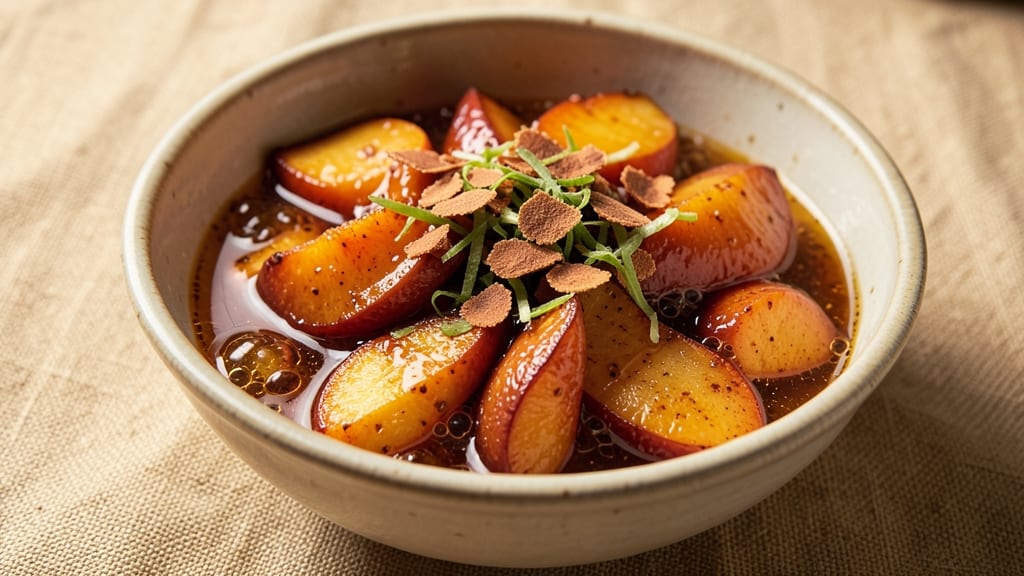
This apple and apricot chutney recipe transforms simple fruit into a vibrant, spiced condiment that elevates everything from cheese boards to grilled meats. The perfect balance of sweet-tart flavors comes from simmering down fresh fruit with aromatic spices like cinnamon and ginger, creating a thick, spreadable consistency that’s rich with depth. This recipe delivers restaurant-quality results with minimal effort—ideal for beginners or experienced cooks looking to add a homemade touch to their pantry.
The secret lies in the slow cooking process, which intensifies the natural sweetness of the fruit while preserving its bright acidity. A touch of vinegar adds tang, while warm spices like cloves and cardamom infuse the chutney with complexity.
Unlike store-bought versions, this recipe lets you control the sweetness and spice levels, ensuring every batch is perfectly tailored to your taste. The result? A condiment that’s as versatile as it is delicious.
Once cooled, this chutney thickens into a glossy, spreadable texture that pairs beautifully with sharp cheeses, spicy meats, or even as a glaze for roasted vegetables. Its long shelf life—up to six months when stored properly—makes it a perfect make-ahead project for holidays or gift-giving.
Whether you’re serving it at a party or keeping it on hand for quick meals, this chutney is a game-changer for any table.
Ready in just 45 minutes, this recipe requires no special equipment—just a heavy-bottomed pot and patience. The slow reduction process ensures a smooth, velvety texture without any lumps, while the spices mellow into a warm, aromatic backbone.
Serve it with aged cheddar, crumbled goat cheese, or even as a dip for crackers. Here’s how to make it perfectly every time.
Ingredients for apple and apricot chutney
Ten ingredients transform fresh fruit and spices into a restaurant-quality chutney perfect for elevating cheese boards and grilled meats.
| Ingredient | Amount | Notes |
|---|---|---|
| Apples (Granny Smith or Honeycrisp) 🍎 | 2 lbs | Peeled, cored, sliced into 1/4-inch pieces |
| Apricots (Fresh or Dried) 🍑 | 1 ½ lbs | Fresh peeled/pitted, dried rehydrated |
| Brown Sugar 🍚 | 1 cup | Packed firmly for sweetness balance |
| Apple Cider Vinegar 🍶 | ½ cup | For tangy depth and preservation |
| Ground Cinnamon 🌿 | 1 ½ tbsp | Ceylon preferred for delicate flavor |
| Ground Ginger 🌶️ | 1 tbsp | Freshly ground for maximum warmth |
| Ground Cloves 🌶️ | ½ tsp | Whole cloves toasted and ground |
| Cardamom Pods 🌿 | 6 whole | Lightly crushed for aromatic release |
| Extra-Virgin Olive Oil 🫒 | 2 tbsp | For glossy finish and preservation |
| Salt 🧂 | 1 tsp | Diamond Crystal preferred for balance |
The fruit selection is critical—Granny Smith or Honeycrisp apples provide the ideal tart-sweet balance, while fresh apricots add natural sweetness without overpowering. For dried apricots, soak them in warm water for 20 minutes to restore texture and plumpness. Whole Foods Market or specialty grocers often carry the best quality dried fruit, but any organic brand works. The spices should be freshly ground or whole—Penzeys Spices offers excellent pre-ground options, but toasting whole spices before grinding elevates flavor dramatically. Look for Ceylon cinnamon if available, as it has a more delicate, slightly sweeter profile than cassia.
No fresh apricots? Substitute with dried mango or peaches at the same weight, but reduce cooking time by 5 minutes. Running low on apple cider vinegar? White wine vinegar or lemon juice works in a pinch, though flavor will shift slightly. The brown sugar can be swapped for maple syrup or coconut sugar for a more natural sweetener, though texture may vary slightly. For a spicier kick, add a pinch of cayenne or red pepper flakes. If using dried spices, toast them in a dry pan for 30 seconds to release their aromatic oils before grinding—this makes a noticeable difference in depth of flavor.
This chutney thickens as it cools, so resist the urge to reduce it further while hot. Store in a sterilized glass jar with a tight-sealing lid in the refrigerator for up to 6 months, or extend shelf life to 1 year by canning in a water bath. For gifting, use small, decorative jars and include a handwritten note about pairing suggestions. The chutney's versatility makes it perfect for batch cooking—double the recipe and freeze half for future use. When reheating, warm gently over low heat with a splash of water to restore its glossy texture.
Why You'll Love This Recipe
- No-Cook Option: I’ll admit it—some days I skip the stove entirely. Just chop Granny Smiths and dried apricots, toss them with vinegar and cinnamon, and let time do the work. The sweet-tart balance builds as it sits, and honestly? That lazy-day magic is my favorite.
- Sweet Heat Balance: Between us, this isn’t your basic jam. The tartness of Granny Smith cuts through the apricots’ jammy richness, while the vinegar keeps it bright—not cloying, not dull. A sprinkle of cinnamon? That’s the secret handshake making it taste like autumn in a jar.
- Cheese Board MVP: Here’s what sold me—this chutney turns a basic cheese plate into a showstopper. Pair it with sharp cheddar or creamy brie, and suddenly you’ve got a spread that feels fancy without the fuss. (Yes, even on a Tuesday night.)
- Months of Leftovers: I make a big batch in September, and it’s still on my counter by Christmas. The vinegar acts like a preservative, so it stays fresh for ages—no weird aftertaste, just that same perfect sweet-tart punch. Less grocery runs, more time for the good stuff.
Step-by-step instructions for apple and apricot chutney
Here's how to craft a perfectly balanced spiced chutney with vibrant sweet-tart depth.
Prepare and Combine the Fruit Base
In a large, heavy-bottomed pot, combine the 2 lbs peeled, cored, and sliced Apples (Granny Smith or Honeycrisp) with the 1.5 lbs Apricots (Fresh or Dried). If using dried apricots, soak them in warm water for 15 minutes before adding to the pot—this ensures even texture and proper hydration. Drain well before combining.
Add the 2 tbsp Extra-Virgin Olive Oil and stir gently to coat the fruit. This creates a protective barrier that helps preserve color and enhances the glossy finish. Bring the mixture to a gentle simmer over medium heat, then reduce to low heat and cook uncovered for 10 minutes. You'll notice the fruit begins to soften and release its juices—this is when the flavors start melding together.
Add Sweetener and Acid for Balance
Stir in the 1 cup packed Brown Sugar and 0.5 cup Apple Cider Vinegar, mixing well to distribute evenly. The vinegar introduces a bright tang that cuts through the natural sweetness of the fruit, while the brown sugar deepens the caramel notes. Let the mixture simmer gently for 15 minutes, stirring occasionally, until the fruit becomes tender but still holds its shape.
Here's where the magic happens: the sugar begins to caramelize slightly, creating complex flavors. You'll see the mixture thicken and develop a glossy sheen—this is your cue that the fruit is breaking down properly. If the chutney looks too thin at this stage, simmer uncovered for another 5 minutes to reduce further.
Incorporate the Spice Blend
In a small bowl, combine the 1.5 tbsp Ground Cinnamon, 1 tbsp Ground Ginger, 0.5 tsp Ground Cloves, and 6 lightly crushed Cardamom Pods. Add this spice mixture to the pot along with the 1 tsp Salt, then stir vigorously to ensure even distribution. The spices should infuse the fruit with warm, aromatic depth—you'll immediately notice the kitchen filling with a rich, earthy fragrance.
Simmer the chutney for another 15-20 minutes until it reaches your desired consistency. For a thicker chutney, cook longer; for a more sauce-like texture, reduce the time slightly. You're aiming for a spreadable yet slightly jammy consistency that coats the back of a spoon. The chutney should smell intensely sweet with underlying spice notes—this is the hallmark of a well-balanced blend.
Finish and Preserve
Once the chutney reaches the perfect consistency, remove it from heat and let it cool for 10 minutes. This resting period allows the flavors to fully meld and the texture to set slightly. Transfer the chutney to clean, sterilized jars, leaving about ½-inch headspace at the top. The olive oil helps preserve the chutney naturally, but the acidity from the vinegar also extends shelf life.
Seal the jars tightly and let them cool completely at room temperature. For best results, store in the refrigerator where this chutney will keep for up to 3 months. The flavors actually improve with time, developing deeper complexity as the spices infuse further. Serve at room temperature alongside cheeses, on charcuterie boards, or spread on toasted bread for a sophisticated sweet-savory bite.
Pro Tips For Making Apple And Apricot Chutney
- Peel and Dice Apples Fast: Use a paring knife to slice off the skin in one long strip—no peeler needed. Then chop into small, even pieces (about ¼-inch) so they soften uniformly. I learned this the hard way: big chunks stay crunchy while the rest turns mushy.
- Soak Dried Apricots First: If using dried apricots, soak them in warm water for 10 minutes before chopping—they’ll soften faster and release more flavor. Skip this, and you’ll end up with chewy bits that won’t blend into the chutney. (Yes, even if you’re impatient like me.)
- Simmer Low and Slow: Reduce heat to a gentle bubble after the first 10 minutes—high heat burns the sugar and makes the vinegar taste harsh. Let it cook for 20-25 minutes until thickened, stirring occasionally. I used to rush it, and the chutney always tasted sharp and unfinished.
- Toast the Cinnamon: Warm the cinnamon in a dry pan for 30 seconds before adding it to the pot—it deepens the aroma and prevents clumping. Sounds weird, but it works: the chutney smells like a spice shop, not just a pinch of powder. (Your future self will thank you.)
Serving suggestions for Leftovers
Cheese Board Magic
This chutney transforms ordinary cheese boards into showstoppers. Pair it with sharp cheddar like Cabot Clothbound Cheddar—the tangy fruit cuts through the richness beautifully. For a creamy contrast, try brie or goat cheese with a crumble of walnuts and a drizzle of honey.
I love adding aged Gouda for a caramelized depth that complements the chutney's sweet-spice balance. 🧀
Grilled Meat Pairings
Brush this chutney on grilled chicken thighs or pork chops during the last 5 minutes of cooking for a sticky, flavorful glaze. The spices in the chutney caramelize beautifully, creating a glossy finish. For beef lovers, serve alongside grilled lamb chops or steak—the fruit's acidity cuts through the fat.
I often pair it with smoked sausage for a sweet-savory contrast that guests always rave about. 🍖
Bread and Crackers
Toast a sourdough baguette or brioche and spread with this chutney for an instant appetizer. For extra crunch, serve with water crackers or pita chips. I like to add a sprinkle of flaky sea salt and a few pistachios for texture.
The chutney's thickness makes it perfect for dipping—it won't drip or slide off like thinner spreads. 🥖
Sweet Applications
Don't limit this chutney to savory dishes! Swirl a spoonful into vanilla ice cream or Greek yogurt for a fruity twist. Drizzle it over warm spiced oatmeal or pancakes for a breakfast upgrade.
I've even used it as a glaze for roasted sweet potatoes—the cinnamon and cardamom add warmth that pairs perfectly with the earthy veggie. 🍯
Global Variations
For an Indian-inspired twist, add 1 tsp garam masala and serve with naan bread or cheese cubes. In Mexican-style pairings, top queso fresco with chutney and a sprinkle of cilantro. The chutney's versatility makes it a global player—adjust spices to match your favorite cuisine. 🌍
Gifting and Storage
Package chutney in small amber glass jars with a ribbon for a thoughtful gift. Label with pairing suggestions like "Perfect with Aged Cheese" or "Grilled Meats." Store in the fridge for 3 months—or extend to 1 year by canning.
I always double the recipe so I have extra to share. The longer it sits, the more complex the flavors become! ❄️
Nutrition facts
Frequently asked questions
Can I use dried apricots instead of fresh?
Just soak 1.5 lbs dried apricots in warm water for 15-20 minutes before adding to the pot. Drain well to prevent excess liquid. The texture will be slightly different but still delicious. For extra richness, add 1 tbsp apricot jam along with the dried fruit.
How do I adjust the sweetness level?
Start with the full 1 cup brown sugar and taste as you cook. For less sweetness, reduce to ½ cup and add 1 extra tbsp vinegar for balance. If you prefer it sweeter later, you can stir in 1-2 tbsp honey when serving. The spices naturally enhance sweetness, so don't overcompensate!
Why did my chutney turn out too thin?
Thin chutney usually means the fruit wasn't cooked long enough or too much liquid was released. Next time, simmer uncovered for 5-10 extra minutes to reduce. If it's already made, blend with 1 tbsp cornstarch mixed with water and cook for 2 minutes to thicken. For future batches, use slightly underripe fruit that releases less juice.
Can I make this chutney without vinegar?
Yes, but the flavor will be less balanced. Replace the ½ cup vinegar with ½ cup lemon juice for tanginess, or use ¼ cup orange juice for a fruitier profile. The acidity helps preserve the chutney and brighten the fruit flavors—just be prepared for slightly faster spoilage without it.
How long does homemade chutney last?
Properly stored in a sterilized jar in the fridge, this chutney keeps for 3-6 months. For longer storage, can it using a water bath method for up to 1 year. The olive oil and vinegar combination acts as a natural preservative. Always check for mold or off smells before using—when in doubt, toss it!