
Desserts
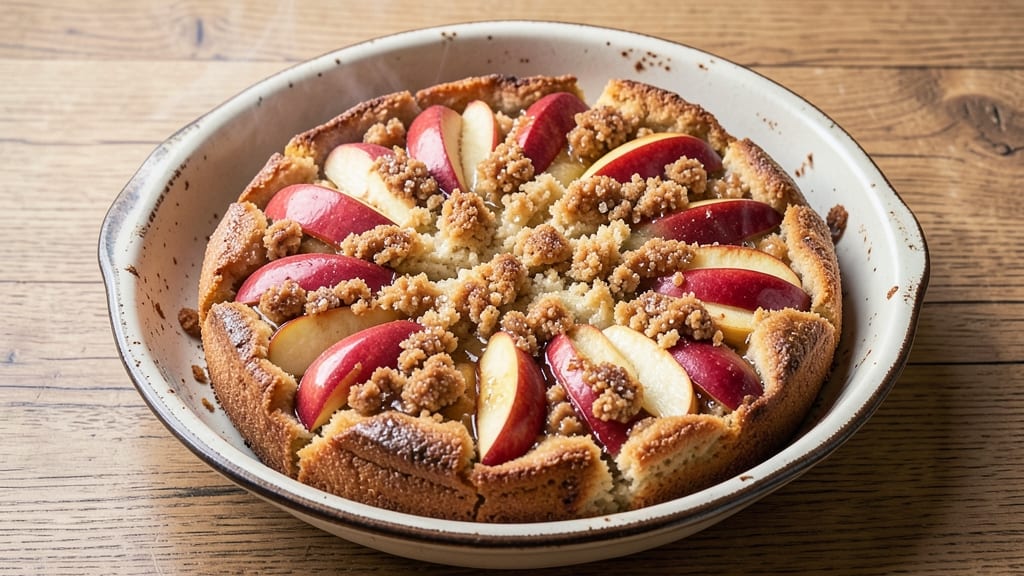
This Apfelkuchen German apple cake delivers the perfect balance of tender, spiced apple filling hugged by a flaky crust and buttery streusel topping. The secret lies in thinly sliced apples that caramelize just enough to release their natural sweetness while staying tender—no mushy filling here.
I developed this recipe after years of perfecting the texture, ensuring every bite offers that comforting mix of warm spice and buttery crunch.
The recipe begins with a simple pastry crust that forms the foundation, then layers of cinnamon-spiced apples create the heart of this cake. A generous streusel topping made with brown sugar and cold butter adds that signature crunch that Germans love.
The combination of warm apples and cool streusel creates a textural contrast that makes each bite irresistible.
What sets this Apfelkuchen apart is how the spices—cinnamon, nutmeg, and cardamom—infuse the apples without overpowering their natural flavor. The cake bakes until golden brown, with the filling just soft enough to melt in your mouth while the streusel remains crisp.
Serve it warm with a dollop of whipped cream or vanilla ice cream for the full German café experience.
Perfect for weekend baking, holiday gatherings, or as a comforting treat on chilly days, this recipe scales beautifully. Whether you're making it for your first time or your tenth, the result is always a showstopper that tastes like home. Let's get baking!
Ingredients for apfelkuchen german apple cake
Tender crust meets spiced apples with buttery streusel—this German classic needs just 13 ingredients.
| Ingredient | Amount | Notes |
|---|---|---|
| All-Purpose Flour 🌾 | 3 cups | Sifted for light texture |
| Unsalted Butter 🧈 | 1 cup | Cold, cubed for crust |
| Granulated Sugar 🍚 | ½ cup | For crust sweetness |
| Large Red Apples 🍎 | 6 medium | Thinly sliced, peeled |
| Light Brown Sugar 🍚 | 1 ½ cups | Packed for streusel |
| Ground Cinnamon 🌶️ | 2 tbsp | Plus 1 tsp for apples |
| Ground Nutmeg 🌿 | ½ tsp | Freshly grated preferred |
| Cardamom Pods 🌿 | 6 whole | Lightly crushed |
| Lemon Juice 🍋 | 2 tbsp | Freshly squeezed |
| Vanilla Extract 🥛 | 1 tsp | Pure vanilla preferred |
| Salt 🧂 | ½ tsp | Kosher or sea salt |
| Old-Fashioned Rolled Oats 🌾 | 1 cup | For streusel texture |
| Vanilla Ice Cream 🍦 | 1 cup | For serving (optional) |
The apples make or break this cake. Honeycrisp or Braeburn stay firm when sliced thin, while Granny Smith adds tartness. Whole Foods or local orchards have the best selection—look for firm, unbruised fruit. Peeled or unpeeled? That's up to you, but peeling ensures a cleaner bite. I usually peel mine, then slice them paper-thin with a mandoline (or carefully by hand). The cinnamon and nutmeg should smell warm and inviting—if yours smells stale, toast the spices in a dry pan for 30 seconds to wake them up.
No cardamom pods? Ground cardamom at 0.5 tsp works in a pinch, but the whole pods add that authentic German depth. Short on butter? Coconut oil or vegan butter keeps it flaky, though traditionalists will argue about the flavor difference. The oats in the streusel are non-negotiable—they create that perfect crunch. No rolled oats? Quick oats blended into flour gets you close. For the crust, don't overmix the dough—just work it until it holds together. The secret to a perfect streusel is using cold butter—cut it into the dry ingredients last so it stays pea-sized for maximum crunch.
This cake tastes even better the next day once the flavors meld. Store leftovers wrapped at room temperature for 3 days, or freeze the whole cake (unfrosted) for 3 months. To reheat, warm slices in a 350°F oven for 5-10 minutes—the streusel gets crispy again. I always make a double batch because it disappears fast. The ice cream is optional, but trust me on the vanilla—it cuts through the richness. Leftovers? Slice and toast them like French toast for breakfast the next morning—absolute game-changer.
Why You'll Love This Recipe
- No-Fuss Layers: The crust comes together with just butter, flour, and sugar—no rolling required. I swear by pressing it with my fingers until it’s crumbly but holds shape; the apples go right on top, no fancy lattice needed.
- Sweet-Tart Magic: That caramelized brown sugar glaze on the apples? It’s the star. The crisp red apples cut through the buttery crust, and the brown sugar’s warmth lingers like a hug—especially with a scoop of vanilla ice cream.
- Weeknight or Weekend: Slice it warm for breakfast with coffee, pack it for lunch, or serve it at a brunch spread. Honestly, I’ve even reheated leftovers in the toaster—crispy edges, gooey center, and zero judgment.
- Budget-Friendly Staples: Flour, butter, sugar, and apples? Pantry basics that won’t break the bank. I’ll be real: this cake stretches to feed six for under $10, and the leftovers last days because it’s that good.
Step-by-step instructions for Apfelkuchen German apple cake
Here's how to build this classic German cake with layers of spiced apples and buttery streusel.
Prepare the Crust and Apple Filling
Preheat your oven to 375°F. In a large bowl, combine the 3 cups all-purpose flour, ½ cup granulated sugar, ½ teaspoon salt, 2 tablespoons ground cinnamon, and ½ teaspoon ground nutmeg. Cut in the 1 cup cold unsalted butter using a pastry cutter or your fingers until the mixture resembles coarse crumbs with pea-sized butter pieces. This texture is crucial for a flaky crust.
In a separate bowl, toss the 6 peeled, thinly sliced red apples with 1 tablespoon ground cinnamon, 1 teaspoon vanilla extract, and 2 tablespoons lemon juice. The lemon juice prevents browning while adding brightness that balances the apples' natural sweetness. Spread half of the crumb mixture evenly into a 9-inch springform pan, then arrange the apple slices in a single layer on top. Pour any accumulated juices over the apples.
Create the Streusel Topping
In the same bowl you used for the crust, mix together the 1½ cups light brown sugar, remaining 1 tablespoon ground cinnamon, ½ teaspoon ground nutmeg, and 6 lightly crushed cardamom pods. Add the 1 cup old-fashioned rolled oats and cut in the remaining butter pieces until the mixture resembles coarse sand. The cardamom adds that authentic German spice note that makes this cake special.
Sprinkle half of this streusel mixture evenly over the apples, pressing down gently to help hold them in place. The streusel should cover about 75% of the apple surface, leaving some gaps for the filling to peek through. This layering creates that perfect balance of crunchy topping and tender filling in every bite.
Assemble and Bake to Golden Perfection
Sprinkle the remaining crumb mixture evenly over the streusel layer, then top with the remaining streusel mixture. Press down very lightly with your fingers—just enough to distribute it evenly without compacting it too much. This final layer creates the signature crumbly texture that makes Apfelkuchen so satisfying.
Bake for 45-50 minutes until the top is deep golden brown and the filling is bubbling around the edges. The cake is done when a toothpick inserted in the center comes out clean or with just a few moist crumbs clinging to it. The apples should be tender but still hold their shape slightly, not completely mushy.
Cool and Serve Warm
Remove the cake from the oven and let it cool in the pan for 10 minutes. Then transfer it to a wire rack to cool completely. The cooling process allows the flavors to meld together, with the warm apples releasing their juices and the streusel softening just enough to become perfectly crumbly.
Serve warm with a scoop of vanilla ice cream on the side or dolloped on top of each slice. The contrast of warm cake and cold ice cream is what makes this German classic so irresistible. Each bite should deliver that perfect combination of tender apples, spiced streusel, and buttery crust in every forkful.
Pro Tips For Making Apfelkuchen German Apple Cake
- Bake at 350°F, Not Higher: I learned this the hard way—cranking the oven to 375°F for a faster bake gives you a cake that’s golden on top but raw in the middle. German apple cake needs gentle heat to caramelize the apples and brown sugar properly. Trust the 350°F setting, even if your cake looks underdone at first.
- Core Apples Like a Pro: Peeling and slicing apples is tedious, but skipping the core is a rookie move. Use an apple corer (or a melon baller) to remove the stem end cleanly—it’s faster and keeps your hands from turning into a pulp. If you’re slicing by hand, cut from the blossom end toward the core in wedges for even cooking.
- Toss Apples in Brown Sugar: Dry apples turn to mush. Toss your sliced apples in the light brown sugar before adding them to the batter—it coats them lightly and keeps them juicy. I used to just sprinkle sugar on top, but this step makes the apples tender without turning the filling into soup.
- Press Butter into the Pan: Don’t just dot the bottom of your springform or cake pan with butter. Press it in with a fork or your fingers so it melts evenly and creates a nonstick barrier. This isn’t just for easy release—it also adds a subtle buttery richness to the crust that dry butter spots can’t match. (Yes, even if you’re impatient like me.)
Regional styles of this recipe
Bavarian Butter Crust
In Bavaria, Apfelkuchen often features a rich butter crust made with 1 extra tablespoon of cold butter per cup of flour, creating a flakier texture. Locals use Honeycrisp apples for their natural sweetness and firm texture when baked.
The crust is often brushed with melted butter after baking for extra richness. This version replaces the basic crust entirely, making it a showstopper for special occasions. 🍴
Black Forest Twist
The Black Forest region adds dark chocolate shavings and cherry compote between the apple layers for a decadent twist. Use 2 ounces of dark chocolate (70% cocoa) and ½ cup cherry preserves mixed with 1 tablespoon brandy.
Spread this mixture between the apple layers before adding the streusel. The contrast of tart cherries and sweet apples makes this version unforgettable. 🍒
Northern German Streusel
In northern Germany, the streusel topping often includes chopped almonds (about ½ cup) for added crunch and texture. The recipe also calls for 1 teaspoon of ground cloves alongside the cinnamon and nutmeg, giving it a warmer, more aromatic profile.
This version is perfect for those who love bold spice combinations. 🌰
Swabian Spiced Version
Swabia, in southwestern Germany, incorporates fresh ginger and orange zest into the apple filling for a bright, citrusy twist. Add 1 teaspoon of grated fresh ginger and 1 tablespoon of orange zest to the apple mixture.
The ginger adds a subtle warmth, while the orange zest lifts the entire dish. This version pairs beautifully with whipped cream infused with orange blossom water. 🍊
Rhineland Wine-Infused
The Rhineland region often uses white wine in the streusel topping, replacing some of the liquid in the recipe. Substitute ¼ cup of dry Riesling for 2 tablespoons of the lemon juice in the apple filling and add 1 tablespoon of Riesling to the streusel mixture.
The wine enhances the caramelization of the apples and adds a sophisticated depth to the cake. 🍷
Silesian Cinnamon Sugar Dust
In Silesia, the cake is often finished with a cinnamon sugar dusting before serving. After baking, sprinkle the top with a mix of 2 tablespoons of granulated sugar and 1 teaspoon of ground cinnamon.
This adds a sweet, aromatic finish that complements the warm spice notes of the cake. It’s a simple but elegant touch that elevates the dish. 🌶️
Nutrition facts
Frequently asked questions
Can I make this Apfelkuchen without a springform pan?
Yes! Use a 9-inch round cake pan with removable bottom or a standard pie dish. Grease it well and line the bottom with parchment paper for easy removal. The cake will still bake beautifully, though springform pans allow for easier slicing and serving. If using a pie dish, consider removing the sides after baking to create a more traditional cake presentation.
What's the best way to store leftovers?
Keep your Apfelkuchen wrapped at room temperature for up to 3 days in an airtight container. For longer storage, freeze the whole cake (unfrosted) for 3 months. To reheat, warm slices in a 350°F oven for 5-10 minutes—this makes the streusel crispy again. Pro tip: Store individual slices separated by parchment paper to maintain freshness.
Why did my apples turn mushy?
Mushy apples usually mean overbaking or using apples that were too soft to begin with. Use firm varieties like Honeycrisp or Braeburn, slice them thinly (about ⅛-inch thick), and bake until just tender—45-50 minutes at 375°F. The apples should hold their shape slightly when done. For extra firmness, toss them with 1 extra tablespoon of lemon juice before baking.
Can I substitute rolled oats in the streusel?
Yes! If you don't have rolled oats, use 1 cup crushed cornflakes or 1 cup graham cracker crumbs for a similar texture. For a gluten-free option, blend 1 cup almond flour with ½ cup gluten-free rolled oats—this keeps the crunch while adapting to dietary needs. The key is maintaining that coarse, sandy texture in your streusel.
How do I make this recipe gluten-free?
Replace the 3 cups all-purpose flour with a 1:1 gluten-free baking flour blend (like Bob's Red Mill). For the streusel, use 1 cup gluten-free rolled oats combined with ½ cup almond flour to bind the mixture. Keep all other ingredients the same, but expect a slightly denser texture. Test with a small batch first to adjust sweetness levels if needed.