
Beverages
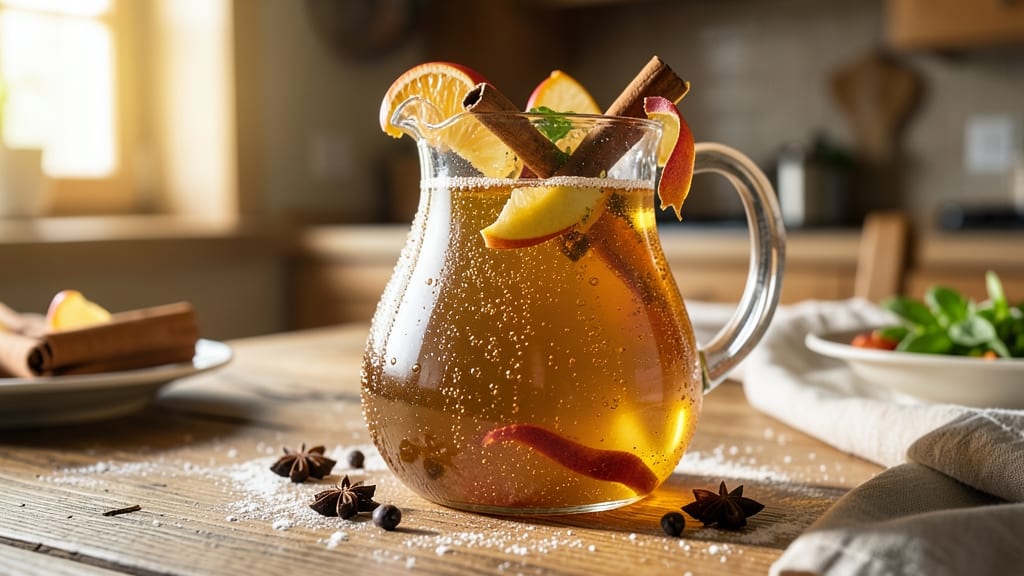
This Alpine apple cider recipe transforms humble apples into a fragrant, spiced elixir that warms the soul on crisp winter evenings. The secret lies in slow-simmered apples, aromatic spices, and a touch of sweetness that balances tartness—just like the ciders of the Swiss Alps.
I’ve perfected this one-pot method to capture that cozy, rustic charm without requiring fancy equipment.
The beauty of Alpine-style cider is its simplicity: just apples, water, sugar, and a blend of cinnamon, cloves, and orange peel to evoke mountain lodge warmth. Unlike commercial versions, this recipe lets you control the sweetness and spice levels, making it customizable for any taste.
The slow simmer develops deep caramel notes while preserving the apples’ natural fruitiness.
What you’ll end up with is a steaming cup of golden cider that smells like a crackling fireplace and tastes like a hug in liquid form. The spices infuse beautifully, creating layers of warmth that linger long after the last sip.
Whether you’re sipping by a fireplace or serving at a holiday gathering, this cider delivers that authentic Alpine comfort.
For an extra touch, float a cinnamon stick or star anise in each serving—it’s the kind of detail that elevates homemade cider to restaurant-quality. Ready to make your kitchen smell like a mountain retreat? Let’s get started with this timeless recipe.
Ingredients for alpine apple cider
Six ingredients plus spices that smell like a Swiss mountain lodge.
| Ingredient | Amount | Notes |
|---|---|---|
| Apples 🍎 | 4 lb | Honeycrisp or Granny Smith, peeled and sliced |
| Water 💧 | 6 cups | Filtered or spring water preferred |
| Granulated Sugar 🍚 | 1 ½ cups | Adjust to taste for sweetness |
| Cinnamon Sticks 🌿 | 4 whole | For infusion and garnish |
| Whole Cloves 🌶️ | 10 whole | For deep spice aroma |
| Orange Peel 🍊 | 1 strip | From 1 organic orange, no pith |
| Vanilla Bean 🌸 | 1 whole | Split lengthwise for seeds |
| Star Anise 🌟 | 2 whole | For licorice-like depth |
| Ground Ginger 🌿 | 1 tsp | Freshly ground preferred |
| Lemon Juice 🍋 | 2 tbsp | Freshly squeezed for brightness |
| Salt 🧂 | ½ tsp | Kosher or sea salt |
The apples are the star—Honeycrisp for sweetness or Granny Smith for tartness. I always grab mine from Whole Foods or the local orchard in season, but any crisp variety works. Peel them first (the skin can get bitter when simmered), then slice evenly so they cook at the same rate. The cinnamon sticks? Penzeys has the best quality, but any grocery store brand works—just make sure they're whole, not ground. Skip the pre-ground spices here; whole spices infuse better and give you that authentic Alpine flavor. For the orange peel, use organic if possible—you want the zest without the bitterness of the pith.
No vanilla bean? Pure vanilla extract at half the amount works in a pinch, though it won’t give that same luxurious depth. Short on star anise? Anise seeds are a direct swap, but reduce to 1 whole if you’re worried about overpowering. The ginger can be fresh—just grate it—but ground is fine if you’ve got it. For the sugar, I start with 1.5 cups, but taste as you go. Some apples are sweeter than others, and you want that balance of spice and fruit. If you’re feeling fancy, add a splash of apple cider vinegar at the end for brightness—it’s a pro trick I picked up from a Swiss chef.
This cider tastes even better the next day once the flavors meld together. Store it in the fridge for up to 5 days, or freeze in ice cube trays for 3 months—perfect for quick batches. I always make extra because it disappears fast. For serving, float a cinnamon stick or star anise in each mug—it’s that little detail that makes it feel special. If you’re making this for a crowd, double the spices and apples, but keep the water at 1:1 ratio with the fruit. Trust me, the aroma alone will make your kitchen smell like a mountain retreat.
Why You'll Love This Recipe
- Simmer in Minutes: I swear, this takes less time than waiting for a pot of coffee. Just toss chopped apples, water, and spices into a pot—no peeling, no fuss—and let it bubble until the scent fills your kitchen. That’s it.
- Spice-Perfect Balance: The cinnamon sticks and cloves don’t just hint at warmth—they sing in this cider. It’s sweet without being cloying, with that deep, earthy aroma that makes every sip feel like a hug. (Yes, even in July.)
- Crowd-Pleasing Flexibility: Serve it warm at a picnic with grilled cheese, ice it down for a summer BBQ, or let the kids stir their own mugs while you cook. Honestly, I’ve seen it work at weddings, game nights, and lazy Sundays—no judgment if you drink it straight from the pot.
- Pantry Magic: No last-minute grocery runs needed. You’re probably already using these ingredients—apples, sugar, and spices don’t go bad. And the leftovers? Just reheat and add a splash of water. My go-to for when I forget to buy fancy drinks but still want to feel special.
Step-by-step instructions for Alpine apple cider
Here's how to craft this aromatic, spiced cider that tastes like a cozy Alpine cabin.
🍳 Step 1: Simmer Apples and Water Until Soft
In a large stockpot, combine the 4 lb Apples and 6 cups Water. Bring to a boil over medium-high heat, then reduce to a gentle simmer. Let the apples cook uncovered for 25-30 minutes, stirring occasionally, until they break down completely and the mixture becomes a thick, chunky purée. You'll know it's ready when a spoon glides through easily and the apples release their juices without resistance.
I like to smash the apples with a wooden spoon a few times during cooking to help them break down faster. This releases more flavor and prevents large chunks in your finished cider. Keep the heat steady—too low and it'll take forever, too high and you'll burn the edges.
🍳 Step 2: Add Spices and Sweeteners for Depth
Once the apples are fully cooked, stir in the 1.5 cups Granulated Sugar, 4 whole Cinnamon Sticks, 10 whole Whole Cloves, 1 strip Orange Peel, 1 whole Vanilla Bean (split and scraped), 2 whole Star Anise, 1 tsp Ground Ginger, 2 tbsp Lemon Juice, and 0.5 tsp Salt. Give everything a good stir to distribute the spices evenly throughout the mixture.
The spices will infuse their flavors into the cider as it simmers. The sugar will dissolve completely, balancing the tartness of the apples and lemon. I always add the vanilla bean seeds directly—they provide a more intense flavor than vanilla extract alone. Let the mixture simmer uncovered for another 15-20 minutes, stirring occasionally, until the liquid reduces slightly and the spices release their aromatic oils.
⏰ Step 3: Strain and Strain Again for Smoothness
Line a fine-mesh strainer with cheesecloth or a coffee filter, then carefully pour the cider mixture through it into a clean pot or pitcher. The first straining removes the larger apple pieces, but I find the second straining through a clean cheesecloth is what really makes this cider silky smooth. Work in batches if needed, pressing gently on the solids to extract all the flavorful liquid without letting pulp through.
This double-straining step is what separates homemade cider from store-bought. The result should be a clear, golden liquid with just a hint of apple fiber if you look closely. If you prefer a slightly cloudy cider, you can skip the second straining, but I find the extra effort is worth it for that restaurant-quality finish.
🍽️ Step 4: Serve Warm with Optional Garnishes
Return the strained cider to the pot and warm it gently over low heat for 5-10 minutes if it's not already warm. The cider should be served at 160-170°F—hot enough to steam slightly when poured, but not boiling. Taste and adjust sweetness if needed by adding more sugar or lemon juice to balance the flavors.
For serving, I like to garnish each mug with a cinnamon stick and a few whole cloves. The aroma alone makes the cider taste even more inviting. This cider keeps well in the refrigerator for up to 5 days, and it actually tastes even better the next day as the flavors meld together. Serve with warm cinnamon rolls or spiced nuts for the ultimate cozy experience.
Pro Tips For Making Alpine Apple Cider
- Peel and Core Apples First: I learned this the hard way—chopping whole apples into a pot just to peel them later is a mess. Get your knife out and handle the prep upfront: peel, core, and chop them into even ½-inch slices before adding anything else. It keeps your pot clean and speeds up the cooking.
- Simmer Low and Slow: Alpine cider isn’t about rushing. After adding water, sugar, and spices, drop the heat to a gentle simmer—think tiny bubbles, not rolling. Too high, and you’ll scorch the apples before they soften; too low, and you’ll wait forever. Adjust the flame as needed, but stay patient.
- Skip the Pre-Measured Cloves: Whole cloves pack more flavor than you’d think, but they burn fast. Instead of eyeballing a generic "handful," crush 3-4 cloves lightly between your fingers before tossing them in. This releases their oils without turning your cider into clove tea.
- Strain Before Serving: Cinnamon sticks and cloves are great, but they’re not everyone’s jam. Strain the finished cider through a fine-mesh sieve or cheesecloth into a clean pitcher—it’s a little extra work, but your guests won’t have to fish out surprises. (Yes, even if you love spice.)
Regional styles of this recipe
Swiss Mountain Lodge
This Alpine cider draws direct inspiration from Swiss mountain lodges where guests sip warm, spiced cider by crackling fireplaces. The Swiss Alps have long used whole spices like cinnamon and cloves for their deep, aromatic qualities—these aren't just for flavor, but for creating that cozy, enveloping warmth.
I've noticed that Swiss recipes often use orange peel and vanilla bean together, which adds a bright, citrusy depth that balances the tartness of the apples perfectly.
The slow simmering technique comes straight from these mountain traditions, where time allows the spices to infuse gradually rather than overpowering the natural fruit flavors. 🌟
German Black Forest
The Black Forest region of Germany shares similar cider traditions, though their versions often include black pepper or cardamom for a slightly different spice profile.
I like to adapt this recipe by adding ½ tsp freshly cracked black pepper to the simmering pot for 5 minutes before straining—it adds a subtle warmth that pairs beautifully with the vanilla and cinnamon.
German cider makers also frequently use pear slices alongside apples for extra sweetness, which works wonderfully if you want to reduce the sugar slightly. The Black Forest approach emphasizes earthy, woodsy notes that complement the Alpine's bright citrus perfectly.
French Savoyard
Across the border in France's Savoy region, cider often incorporates warm, baking spices like nutmeg and allspice for a richer profile. For a French twist, I add ¼ tsp ground nutmeg during the final 10 minutes of simmering—it deepens the flavor without overpowering.
Savoyard ciders also sometimes use dried apple slices in the garnish, which I find adds a lovely visual and textural element. The French approach tends to be slightly sweeter, so I might reduce the sugar to 1 cup and add 1 tbsp honey instead for that authentic touch. 🍯
Italian Dolomites
The Dolomites region of Italy brings a Mediterranean flair to cider with dried herbs like rosemary or thyme. I love adding 1 sprig fresh rosemary (removed after 15 minutes) for its piney aroma that cuts through the sweetness beautifully.
Italian cider makers also frequently use white wine in place of some water—about 2 cups dry white wine instead of water creates a more sophisticated, adult-friendly version perfect for holiday gatherings. The Dolomites approach emphasizes herbal brightness that pairs wonderfully with the Alpine spice blend.
Modern Alpine Twists
For a contemporary take, I've experimented with smoked spices—adding ½ tsp smoked paprika during the final 5 minutes of simmering creates a subtle smoky depth reminiscent of campfire cider.
Another modern adaptation is using apple cider vinegar (2 tbsp) instead of lemon juice for a tangier finish that works beautifully with the spices. For a boozy version, add ½ cup brandy or apple schnapps during the final warming step—this becomes a fantastic after-dinner digestif.
These twists keep the traditional Alpine spirit while adding exciting new dimensions. ✨
Nutrition facts
Frequently asked questions
Can I make this Alpine apple cider without a vanilla bean?
Use ½ teaspoon vanilla extract instead, but add it during the final warming step rather than simmering. For best results, look for pure vanilla extract (no alcohol) to maintain authentic flavor. The extract won't have the same depth as a real bean, but it still delivers that cozy Alpine aroma.
How do I adjust the sweetness for kids or sensitive palates?
Start with 1 cup sugar instead of 1.5 and taste after straining. For extra kid-friendly appeal, add ½ cup apple juice during the final warming step—it adds natural sweetness without overpowering the spices. You can also reduce cloves to 5-6 whole to soften the intensity.
What's the best way to reheat leftover cider?
Gently warm in a saucepan over low heat for 5-7 minutes until steaming (around 160°F). Never microwave—it destroys the delicate spice aromas. For extra coziness, add a fresh cinnamon stick while reheating. Store leftovers in the fridge for up to 5 days or freeze in ice cube trays for up to 3 months.
Can I make this cider without alcohol for a family gathering?
This recipe is naturally alcohol-free, but if you want to serve both versions, make a separate batch with ½ cup brandy added during the final warming step. The alcohol content will be minimal (1-2%) unless you simmer longer. For a completely non-alcoholic version, simply omit the brandy and use extra lemon juice for brightness.
Why does my cider taste bitter after simmering?
Over-simmering or using too many spices (especially cloves or star anise) can cause bitterness. The solution? Reduce simmering time to 15 minutes total after adding spices, and strain immediately. For tart apples like Granny Smith, add 1 extra tablespoon lemon juice to balance flavors. Always taste as you go!