
Desserts
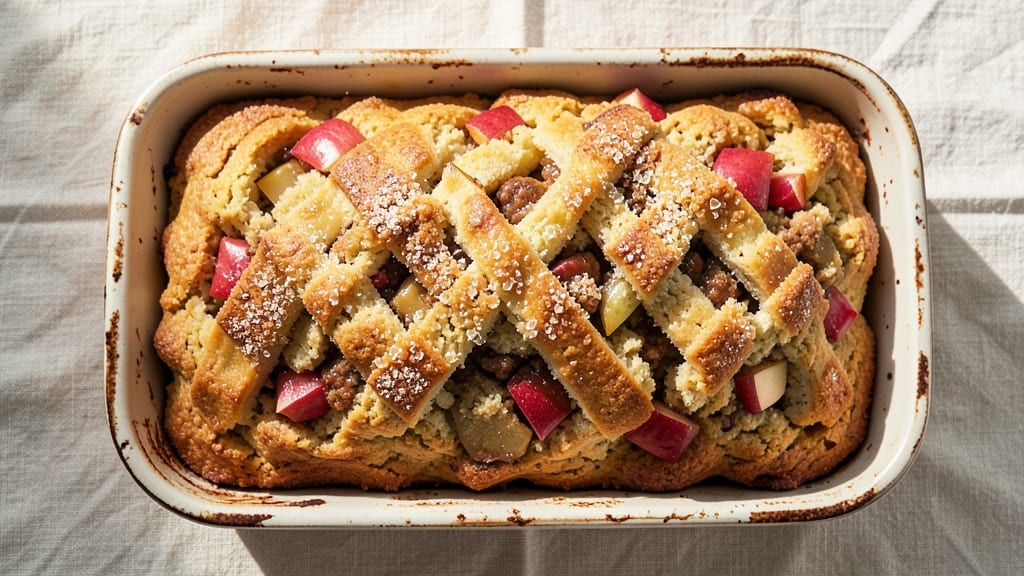
This almond flour apple bread recipe delivers a nutty-cinnamon loaf with moist apple swirls that stay fresh for days. The secret lies in properly hydrating the almond flour and creating a caramelized apple filling that swirls into tender, moist crumb.
I developed this recipe after years of experimenting with gluten-free baking, and it's become my go-to for both breakfast and dessert.
The beauty of this recipe is its versatility—it works equally well with traditional eggs or flaxseed for a vegan version. The almond flour gives the bread a delicate crumb while maintaining structure, while the apple filling adds natural sweetness and moisture.
Baking with steam ensures a golden crust that's crisp yet tender, and the cinnamon-spiced filling creates pockets of flavor in every slice.
What you'll end up with is a loaf that's perfect for breakfast toast, afternoon snacks, or holiday gifts. The nutty aroma of almond flour combines beautifully with the warm spices and caramelized apples, creating a bread that's both comforting and sophisticated.
Each slice reveals moist crumb with pockets of sweet apple filling, making it irresistible from first bite to last.
Whether you're looking for a gluten-free option or simply want to try almond flour baking, this recipe delivers restaurant-quality results at home. The method is straightforward but includes key techniques for achieving that perfect balance of texture and flavor. Let's get started on creating your perfect loaf.
Ingredients for almond flour apple bread
These 15 ingredients create a gluten-free loaf with nutty crumb and sweet apple swirls.
| Ingredient | Amount | Notes |
|---|---|---|
| Almond Flour 🌰 | 3 cups | Finely ground, unsweetened |
| Granulated Sugar 🍚 | ½ cup | Or coconut sugar for refined-free |
| Brown Sugar 🍚 | ½ cup | Packed lightly |
| Large Eggs 🥚 | 4 whole | Room temperature preferred |
| Unsweetened Applesauce 🍎 | ½ cup | For moisture, no sugar added |
| Vanilla Extract 🌿 | 1 tbsp | Pure vanilla preferred |
| Baking Powder 🍞 | 1 tsp | Aluminum-free preferred |
| Salt 🧂 | ½ tsp | Fine sea salt |
| Ground Cinnamon 🌿 | 1 tbsp | Freshly ground |
| Apples 🍎 | 2 medium | Peeled, finely diced |
| Lemon Juice 🍋 | 1 tbsp | Freshly squeezed |
| Coconut Oil 🥥 | ¼ cup | Melted, for greasing |
| Milk 🥛 | ¼ cup | Any kind, room temperature |
| Almond Milk 🥛 | ¼ cup | For extra moisture |
| Granulated Sugar 🍚 | ¼ cup | For apple filling |
Almond flour is the star—Bob’s Red Mill or Anthony’s Goods are my go-tos for consistent texture. If you can't find it, blend raw almonds until ultra-fine (food processor, 2-3 minutes). The apples? Honeycrisp or Fuji stay firm when baked, but any sweet variety works. Peeled and finely diced—they should be tiny, like breadcrumbs. The coconut oil is non-negotiable for greasing the pan; it creates that perfect golden crust without overpowering the almond flavor.
No eggs? Flax eggs work perfectly—just mix 4 tbsp ground flaxseed with 10 tbsp water, let sit 5 minutes. Brown sugar can be swapped for coconut sugar, but it'll be less moist. For the apple filling, skip the lemon juice if your apples are tart. The milk and almond milk combo keeps the crumb tender—don't substitute with water. If you're making this vegan, flax eggs plus plant-based milk keeps everything intact. And yes, you can use applesauce instead of diced apples if you're in a rush, though texture will differ slightly.
This bread keeps 3-4 days at room temp wrapped in a clean kitchen towel (seriously, it stays fresher than plastic). For longer storage, freeze slices wrapped individually—toast straight from frozen. The filling caramelizes more the next day, so save the first slice for dessert. I always make two loaves—one for breakfast, one for gifting. Slice while still warm for cleaner cuts, and store in an airtight container between slices.
Why You'll Love This Recipe
- No Mixer Needed: I swear by this—no stand mixer, no fuss. Just toss the almond flour, eggs, and applesauce in a bowl, stir until it’s just combined, then fold in those diced apples. The dough’s thick but pliable, like wet sand, and no one will believe it’s this unfussy.
- Sweet Without Overdoing It: Here’s what sold me—the brown sugar’s caramel notes and granulated sugar’s sharpness balance the applesauce’s natural sweetness. The apples stay juicy but not soggy, and the crust? Lightly golden with a hint of nutty crunch. Honestly, it’s the kind of bread that makes me reach for seconds without guilt.
- Breakfast, Snack, Dessert: I make this for lazy Sunday mornings, pack it in lunchboxes, and even serve it warm with cinnamon butter for dinner. The almond flour keeps it keto-friendly, but the sugars make it irresistible to everyone—even my kid who usually turns up her nose at "healthy" stuff.
- Leftovers That Don’t Go Bad: Between us, this bread stays fresh for days—no weird dryness, no stale edges. I slice it thin, toast it, and it’s still perfect three days later. And since it’s smaller batches (no huge loaves to eat before they spoil), I’m not left with mystery bread at the back of the fridge.
Step-by-step instructions for almond flour apple bread
This nutty-cinnamon loaf delivers perfect texture every time—moist crumb, tender crumb, and those glorious apple swirls.
Prepare the Apple Filling
Peel and finely dice the 2 medium apples, then place them in a small bowl. Add the 1 tablespoon lemon juice and toss to prevent browning. In a separate small bowl, whisk together the 0.25 cup granulated sugar with the 1 tablespoon ground cinnamon. Pour this mixture over the apples and stir until evenly coated. Let the filling sit while you prepare the bread batter—this gives the flavors time to meld.
Here's the thing—this filling needs to be bright and fresh. If you're using particularly tart apples like Granny Smith, you might want to add a pinch more sugar to balance the acidity. The lemon juice is crucial; it keeps the apples from turning mushy during baking while adding a subtle brightness that cuts through the richness of the almond flour.
Mix the Wet Ingredients
In a large mixing bowl, combine the 4 whole large eggs with the 0.5 cup unsweetened applesauce. Whisk until fully incorporated, then add the 0.25 cup melted coconut oil, 0.25 cup milk, and 0.25 cup almond milk. Stir until smooth—you should have a thick, creamy mixture that looks like a rich custard. This is your base, so take your time here to ensure everything is well combined.
I always let my eggs come to room temperature before using them. Room-temperature eggs incorporate more smoothly into the batter, which helps create a lighter, more even crumb. If your eggs are cold, you might end up with pockets of unmixed batter that lead to dense spots in your bread.
Combine Dry Ingredients and Form the Dough
In a separate bowl, whisk together the 3 cups almond flour, 0.5 cup granulated sugar, 0.5 cup brown sugar, 1 teaspoon baking powder, and 0.5 teaspoon salt. Gradually add this dry mixture to the wet ingredients while stirring gently with a spatula. Once combined, fold in the 1 tablespoon vanilla extract. The batter should be thick but still pourable—if it's too stiff, you can add 1-2 tablespoons more of the almond milk to loosen it.
This is where the magic happens—the almond flour gives this bread its distinctive texture. Unlike wheat flour, almond flour doesn't contain gluten, so we rely on the baking powder for lift and the eggs for structure. The batter should be smooth but still have some lumps from the almond flour—don't overmix or you'll develop gluten and end up with a dense loaf.
Assemble and Bake the Loaf
Preheat your oven to 350°F and grease a 9x5-inch loaf pan thoroughly with coconut oil. Pour half of the batter into the prepared pan, then spread the apple filling evenly over the top. Drop spoonfuls of the remaining batter over the filling, then gently swirl with a knife to create those beautiful apple streaks. This swirling technique ensures each bite has both the moist bread and sweet apple filling.
Bake for 45-50 minutes, or until a toothpick inserted into the center comes out clean. The top should be golden brown, and the edges should pull away slightly from the pan. If the top browns too quickly, tent the pan with foil after the first 20 minutes to prevent over-browning while the center finishes cooking.
Cool and Serve for Maximum Moisture
Remove the bread from the oven and let it cool in the pan for 10 minutes. Then transfer it to a wire rack to cool completely. This resting period is crucial—it allows the bread to set properly and prevents it from falling apart when you slice it. The internal temperature should drop to about 100°F before slicing for the cleanest cuts and best texture.
Here's a pro tip: If you're eager to serve slices right away, wrap the warm loaf in a clean kitchen towel. This keeps it moist longer while you finish cooling. The bread tastes best at room temperature, so let it sit for at least 30 minutes before serving. Each slice should be tender with a moist crumb and those beautiful apple swirls peeking through.
Pro Tips For Making Almond Flour Apple Bread
- Mix the Dry First: Almond flour clumps like a bad first date—awkward and stubborn. Whisk it with both sugars before adding wet ingredients to cut down on lumps, and your batter will blend smoother than you’d expect from such a dry mix.
- Don’t Overmix the Batter: I learned this the hard way—whipping the eggs and applesauce into almond flour until it’s too uniform makes the bread dense and tough. Stir just until combined; a few streaks of flour are fine. The texture stays tender when you resist the urge to "perfect" it.
- Use Room-Temp Eggs: Cold eggs make the batter sluggish and can leave pockets of uneven texture in the bread. Let them sit in warm water for 5 minutes before cracking—your bread will rise more evenly, and the crumb will be lighter.
- Check Doneness at 340°F: Almond flour bread tricks you—it looks golden but might still be gummy inside. Switch your oven to convection if possible, then test at 340°F with a thermometer (it should read 205°F at the center). No guesswork, just perfect crumb every time.
Troubleshooting this recipe
Dense or Gummy Texture
If your bread turns out dense or gummy, the almond flour likely absorbed too much moisture. I recommend weighing your almond flour (it should be about 120 grams per cup) rather than scooping it directly from the bag—this ensures consistent hydration.
Also, make sure your apples are finely diced (almost like breadcrumbs) so they cook evenly without releasing excess liquid. If the batter feels too thick, add 1 tablespoon almond milk at a time until it reaches a pourable consistency. 🌰
Dry or Crumbly Crust
A dry or crumbly crust usually means the bread didn't retain enough moisture during baking. First, ensure you're using melted coconut oil to grease your pan—it creates a better seal than butter. Second, try adding 1 extra tablespoon of applesauce to the batter for extra moisture.
For the next bake, consider wrapping the pan in foil during the first 30 minutes to trap steam, which helps create a tender crust. The key is balance—you want a crisp exterior but not at the expense of a dry interior.
Apple Filling Too Watery
If your apple filling looks soupy after baking, your apples were likely too juicy or not prepped properly. Start by patting diced apples dry with a paper towel before mixing with sugar and cinnamon. For extra insurance, I sometimes add ½ teaspoon cornstarch to the filling to help thicken it.
Also, avoid using overly ripe apples—they release more liquid during baking. Tart apples like Granny Smith work better because they hold their shape and don't break down as much. 🍎
Bread Collapsed or Flat
A collapsed loaf usually means the baking powder wasn't fresh or the oven temperature wasn't hot enough. First, check your baking powder—it should be aluminum-free and within its expiration date. Second, make sure your oven is properly calibrated (use an oven thermometer to confirm it's actually 350°F).
If your kitchen runs hot, reduce the temperature to 325°F. Finally, don't overfill the pan—leave about ½ inch of space at the top to allow for proper rise. The batter should only fill the pan about ⅔ full.
Uneven Baking or Raw Center
If the edges are done but the center stays raw, your oven likely has hot spots or the bread needs more time. Rotate your pan halfway through baking (after 25 minutes) to ensure even heat distribution.
For stubborn cases, try baking at 325°F for 55-60 minutes instead of the higher temperature. Also, make sure your bread pan isn't too large—stick to a 9x5-inch pan for this recipe. The apples should be evenly distributed throughout the batter to prevent uneven cooking. 🔥
Bread Sticks to Pan
If your bread sticks stubbornly to the pan, you either didn't grease it enough or used the wrong fat. Always use melted coconut oil (not butter) to grease the pan thoroughly, including the sides. For extra insurance, line the pan with parchment paper cut to fit snugly.
If you're using a glass pan, add an extra layer of grease or oil. Also, make sure your pan is completely cool before greasing—warm pans don't absorb oil as well. The bread should release cleanly after 10 minutes of cooling in the pan.
Nutrition facts
Frequently asked questions
Can I make this almond flour bread without eggs?
Replace the 4 eggs with 4 flax eggs (4 tbsp ground flaxseed + 10 tbsp water, mixed and rested for 5 minutes). This keeps the bread moist and tender while maintaining structure. For extra richness, add 1 tbsp melted coconut oil to the flax mixture.
How do I store leftovers to keep them fresh?
Wrap the cooled loaf in a clean kitchen towel (better than plastic!) and store at room temperature for 3-4 days. For longer storage, slice and freeze individual portions—thaw at room temperature or toast directly from frozen. The towel trick prevents drying out better than containers.
Can I substitute other fruits for apples?
Yes! Try peaches, pears, or berries—reduce sugar by 1-2 tbsp if using tart varieties. For juicier fruits like berries, mix with 1 tbsp cornstarch to prevent a soggy texture. The key is finely chopping fruit to distribute evenly throughout the batter.
Why does my almond flour bread turn out dense?
Dense texture usually means overmixing or too much moisture. Weigh your almond flour (120g per cup) instead of scooping, and avoid overmixing after adding dry ingredients. If the batter feels too thick, add 1 tbsp almond milk at a time. Also ensure your baking powder is fresh—old powder loses lift.
Can I make this in a different pan size?
For a 9x5-inch pan, follow the recipe as written. For an 8x4-inch pan, reduce baking time by 5-10 minutes (check at 35 minutes). Avoid larger pans—they require longer baking and may dry out the center. If using a glass pan, reduce temperature to 325°F to prevent over-browning.